The Silent Weight of Managing Multiple Monthly Payments
Managing multiple credit cards feels like trying to spin five plates at once without dropping one. If you are constantly juggling different due dates and worrying about minimum payments, debt consolidation sounds like a dream. But before you merge your accounts, you need to understand how a single new loan will actually affect your credit score in the short and long run.
We often try to hide these struggles from our friends and family because talking about money problems feels embarrassing. You wake up in the middle of the night wondering how you will cover the minimum payments, and that lack of sleep starts affecting your mood, your work, and your relationships.
The weight of owing money to five different lenders is not just a math problem; it is a heavy emotional burden that drains your energy daily. Every time you buy groceries or pay for gas, you feel a sharp pang of guilt.
You might be thinking about merging all those scattered balances into one simple personal loan to finally get some peace of mind. On paper, it sounds incredibly relaxing to just pay one bill a month and forget about the rest.
But you are probably terrified that taking out a massive new loan will completely destroy your credit profile. The truth is, the way this process changes your financial standing is mostly misunderstood by average consumers.
We are fed a lot of confusing information online, making it hard to know what will actually happen to our numbers. Sometimes the immediate results look scary, even when you are doing the right thing for your financial future.
By understanding the real mechanics behind these numbers, you can take back control of your life. Let us walk through exactly what happens behind the scenes when you take this major step.

### 📌 Quick Guide: Merging Debt Safely
- Immediate Utilization Drop: Using a personal loan to clear your credit card balances drops your revolving usage to zero, which can quickly boost your credit score.
- Never Close Old Cards: Closing your zero-balance cards destroys your average credit age and lowers your total credit limit. Keep them open and inactive.
- Beware of the Spending Trap: A cleared credit card is not free money. If you do not fix your spending habits, you will end up with both a loan and new credit card debt.
- Check the Fine Print: Before signing a consolidation loan, compare the interest rates and watch out for hidden upfront origination fees.
Unpacking the Mechanics of Loan Merging on Your Profile
Taking all your scattered balances and turning them into one single account causes a major shift in how lenders view your profile. You are essentially changing the entire structure of your financial responsibilities in a single day.
Because of this massive shift, the algorithms that calculate your numbers will react immediately. Let us break down the exact things that happen to your profile, step by step, without the confusing financial jargon.
The Temporary Dip When You Initially Apply
When you finally decide to apply for a new loan to clear your current balances, the lender will check your financial history. This check is known as a hard inquiry.
Every time a bank does a hard pull on your report, you will lose a few points instantly. It usually drops your number by about five to ten points, which can feel incredibly discouraging when you are trying to do the right thing.
However, you should never let this small drop panic you. This tiny dip is completely normal and acts as a standard security feature built into the system to track new credit applications.
The system simply wants to make sure you are not trying to open ten different accounts in a single week. Within a few months of paying your new bill on time, those lost points will naturally bounce back.
Mastering Your Credit Utilization Ratio
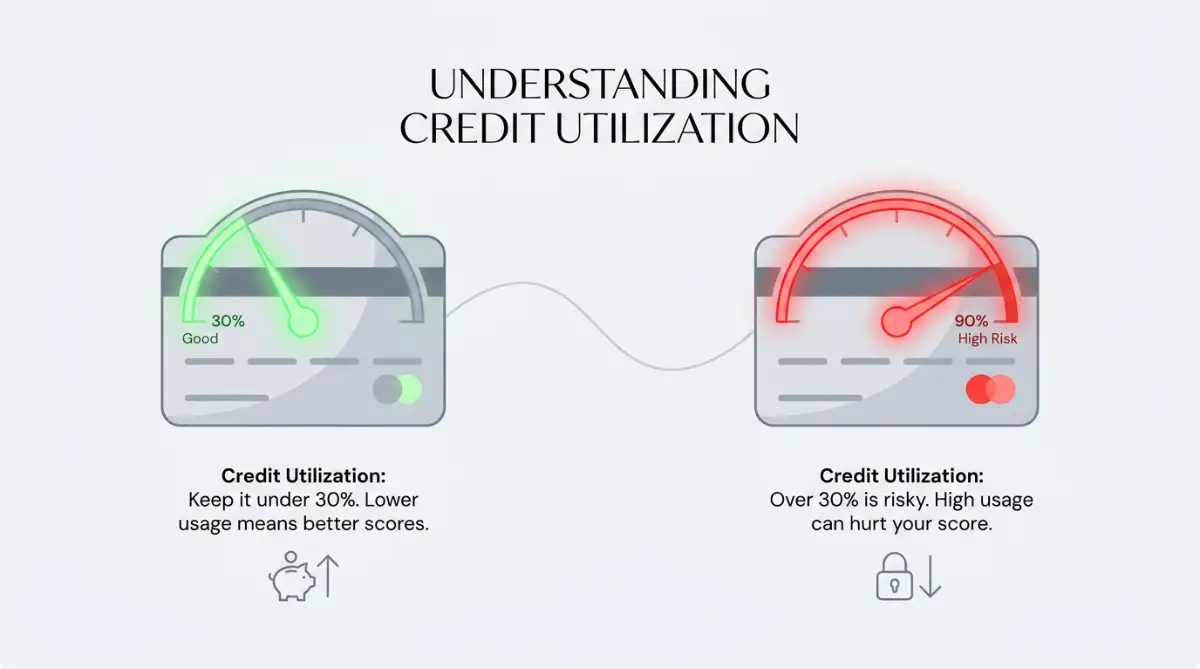
Your credit utilization ratio is one of the most powerful factors that dictate your overall financial health. This ratio simply means how much money you currently owe compared to the total limit available on your cards.
Imagine you have a bucket that can hold ten gallons of water, and you fill it with nine gallons. You are using ninety percent of your capacity, which makes lenders extremely nervous.
Here is exactly why merging your balances is a game-changer:
When you use a personal loan to wipe out your card balances, your cards suddenly show a zero balance. Because personal loans do not count toward your revolving utilization, your usage drops from ninety percent down to almost zero overnight.
This single action can cause your numbers to shoot up dramatically within the first thirty to sixty days.
To see how this works in real life: imagine you have $9,000 on cards with a total limit of $10,000 (90% utilization). If you move that $9,000 to a personal consolidation loan, your card balances drop to $0. Your utilization instantly drops to 0%, which can boost your credit score by 40 to 80 points in just one billing cycle because you look much less risky to the credit bureaus.
Before you dive deeper into how utilization works, check out this incredible visual breakdown that explains the entire process in plain English.
The Danger of Altering Your Credit Age
Many people do not realize that the length of time you have had your accounts open matters heavily. The older your accounts are, the more stable you look to potential lenders.
When you get a new consolidation loan, a brand new account is added to your report. This new addition automatically lowers the average age of your overall financial history.
The Psychological Trap of Available Credit
This is where things get incredibly dangerous for most people. Once you wipe those old cards clean with your new loan, you suddenly have thousands of dollars in available limits again.
It becomes extremely tempting to start swiping those cards for dinners, gadgets, or vacations. If you are not careful, you will end up with a massive loan payment plus brand new card balances.
I have seen countless people fall into this exact trap because they did not fix their original spending habits. You must treat those cleared cards as if they do not exist.
If you run up the balances again, your numbers will crash harder than they ever did before.
My biggest mistake was completely ignoring my daily spending habits after I merged my debts. I thought the new, lower monthly payment meant I had extra cash to spend, so I started eating out more often and using my newly cleared cards. Within six months, I was right back in the hole, realizing that a new loan does not fix bad habits. You have to physically hide those cards from yourself to truly succeed.
Building a Flawless Payment History Over Time
Over the long run, the most significant thing that shapes your profile is how consistently you pay your bills. Payment history makes up thirty-five percent of your total calculation.
When you only have one single payment to remember each month, the chances of missing a due date drop significantly. You can simply set up automatic payments and completely forget about it.
Every single month that your automatic payment goes through successfully, it adds a positive mark to your record. Over a long period, these consistent positive marks will slowly but surely push your numbers higher.
It takes time, but this slow and steady growth builds a highly resilient financial profile.
Myth vs Reality: What Actually Happens
There are a lot of rumors floating around about how merging your balances affects your future. Let us look at a clear comparison so you know exactly what is true and what is just internet noise.
How New Account Mix Adds Value
Lenders love to see that you can responsibly handle different types of financial products. This is known as your credit mix, and it plays a helpful role in your overall calculation.
If you only have credit cards on your report, you are only showing one type of responsibility. Adding an installment loan introduces a brand new type of product to your profile.
Having this mix proves that you can manage fixed monthly payments just as well as flexible limits. Over the years, demonstrating this dual capability makes you look extremely attractive to mortgage lenders and car dealerships.
They see a highly responsible individual who knows how to navigate various financial agreements smoothly.
Why You Must Leave Old Cards Open
When people finally get that zero balance notification, their first instinct is to call the bank and cancel the card. They think that closing the account will prevent them from ever spending that money again.
While the intention is good, this is one of the worst things you can do to your profile.
When you close a card, you instantly wipe out all that available limit from your total capacity. This means your overall utilization ratio will shoot back up, even if you are not spending any money.
Additionally, closing an old card will eventually erase that long payment history from your report.
The Real-Life Scenario of Keeping Accounts Active
Instead of canceling, you should focus on keeping those old accounts open but completely inactive for daily spending. Many banks will automatically close your account if you do not use it for a long period.
To prevent this, you can attach a very small, recurring subscription to the card, like a cheap streaming service.
Set that card to auto-pay the small balance in full every single month from your checking account. Then, take the physical piece of plastic and lock it away in a drawer where you cannot easily reach it.
This strategy keeps the account active, preserves your long history, and protects your utilization ratio without any extra effort on your part.
Navigating the Impact of Late Payments Prior to Consolidation
If you had late payments on your record before you merged everything, you need to understand that those marks do not disappear. A new loan pays off the balance, but it does not erase the historical data that was already reported.
Those negative marks will stay on your record for up to seven years.
However, the impact of those late payments naturally fades as time goes on. A late payment from four years ago hurts you significantly less than a late payment from last month.
By starting fresh with your new loan and never missing a payment, you quickly bury those old mistakes under a mountain of positive data.
Evaluating the Cost of Borrowing
While you are focused on the numbers reported to the bureaus, you cannot ignore the actual money coming out of your pocket. Getting a new loan is only beneficial if the interest rate is lower than what you were previously paying.
If you accept a high-interest loan just to get a single payment, you are setting yourself up for long-term failure.
You will end up paying thousands of extra dollars in interest over the life of the loan. This heavy financial burden will make it incredibly difficult to build savings or invest in your future.
Always compare the new interest rate against the average rate of your current cards before signing any agreements.
Preparing for Major Life Purchases
If you are planning to buy a house or a new car soon, timing your consolidation perfectly is extremely important. You never want to take out a massive new loan right before applying for a mortgage.
The hard inquiry and the new debt obligation will make mortgage lenders highly suspicious.
It is always best to merge your balances at least one full year before you plan to buy a home. This gives your profile enough time to recover from the initial hard pull.
It also provides twelve solid months of perfect payment history to prove you are highly capable of handling the new structure.
The Role of Credit Counseling Agencies
Sometimes, a standard personal loan is not the best path for your specific situation. If your numbers are already too low to qualify for a decent interest rate, you might need outside help.
Credit counseling agencies offer management plans that can act similarly to a consolidation loan.
They negotiate lower interest rates directly with your creditors and allow you to make one single payment to the agency. The agency then distributes the money to your different lenders.
While this still impacts your profile, it can save you from completely defaulting on your obligations.
Keeping Your Eyes on the Long Game
We are all looking for quick fixes when we feel overwhelmed by our monthly obligations. But the truth is, true financial stability takes extreme patience and a lot of discipline.
Merging your balances is simply a tool, much like a hammer or a wrench.
A tool cannot build a house on its own; it requires a skilled hand to use it properly. If you use this tool to reorganize your life, set up automatic payments, and completely stop using plastic for daily expenses, you will win.
Over a long period, your numbers will steadily climb, giving you access to the best interest rates and financial peace of mind.
Strategic Moves to Protect Your Score Long-Term
Taking control of your finances is an ongoing journey that does not end just because you signed a new loan agreement. Once you successfully merge your scattered balances, you need a rock-solid plan to keep your numbers moving in the right direction.
I want to share some incredibly effective strategies that most people completely ignore after they lower their monthly payments. These are the exact habits that separate those who stay debt-free from those who fall right back into the trap.
The Power of the "Bills Only" Bank Account
One of the smartest things you can do right now is open a completely separate checking account dedicated solely to your new monthly payment. Most people mix their daily spending money with their bill money, which creates a massive amount of confusion.
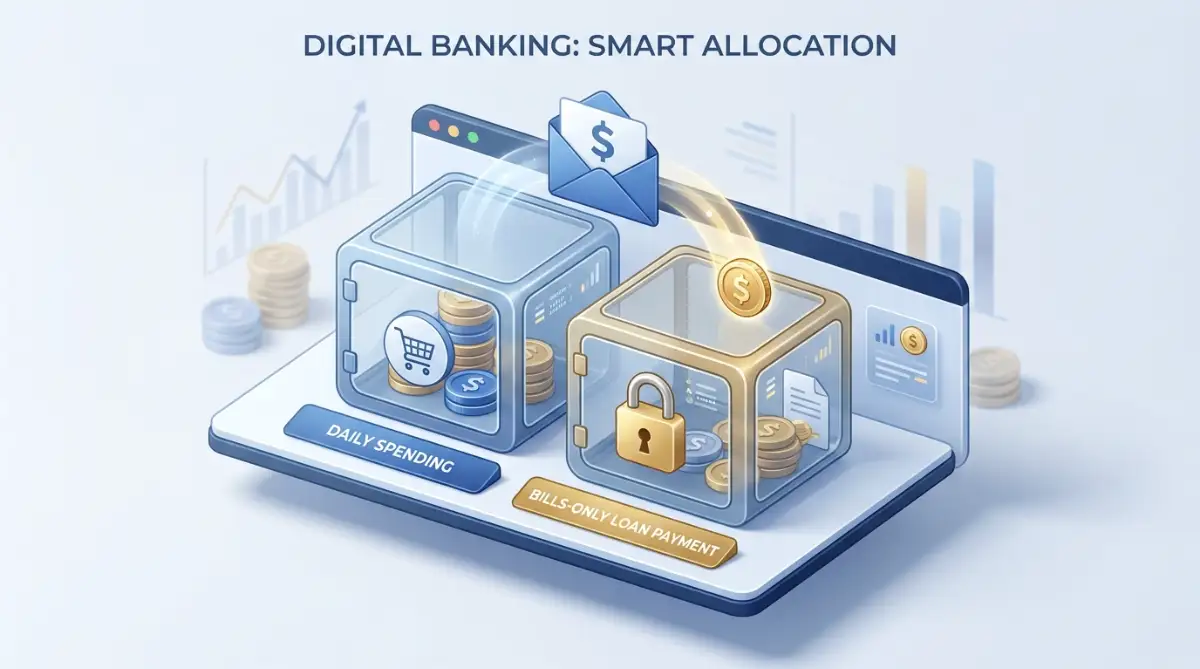
When all your money sits in one place, it is dangerously easy to accidentally spend the cash meant for your loan.
You should set up your payroll direct deposit so that the exact amount of your new loan payment goes directly into this secondary account. Then, set your loan to automatically pull from this specific account every single month.
By separating these funds, you guarantee you will never accidentally miss a due date. This zero-effort automation is the ultimate secret to building a flawless payment history.
Treating Your Personal Budget Like a Business
If you want to permanently change your financial health, you have to start tracking your daily expenses with serious precision. You can think of your personal budget exactly the same way a successful company tracks its profit margins.
Just like businesses use proven metrics to measure customer acquisition costs, you must measure every dollar leaving your wallet.
Write down every single thing you buy for the next thirty days, from your morning coffee to your monthly internet bill. You will be absolutely shocked by how much money slips through your fingers on things you do not even care about.
Once you see the real numbers, you can easily redirect that wasted cash toward building a solid emergency savings fund.
Protecting Your Profile from Sneaky Lenders
Not all lending institutions have your best interests at heart, and you must protect yourself from predatory practices. While you are trying to reorganize your life, some shady companies will offer you loans with hidden fees that can completely ruin your progress.
You should always verify the legitimacy of a lender through strict consumer financial protection guidelines before giving them your personal information.
Just like you must carefully avoid hidden student loan traps when paying for college, you have to read the fine print on any new debt agreement. Some companies charge massive origination fees that instantly eat up your available cash.
Always calculate the total cost of the loan, including all hidden charges, before you sign on the dotted line.
### The 3-Point Loan Health Check
- Check the Origination Fee: Is the lender charging 1% to 5% of your total loan upfront? If yes, calculate how much actual cash you will receive in hand.
- Compare APR vs. Card Rates: Ensure the loan's Annual Percentage Rate (APR) is significantly lower than the average rate of your current credit cards.
- Prepayment Fees: Ask the lender directly: 'Can I pay off this loan early to save on interest without paying any penalty?
Routinely Monitoring Your Digital Reputation
Your credit report is essentially your financial reputation, and you need to watch it like a hawk. Millions of people have errors on their reports that unfairly drag down their numbers without them even knowing it.
You should pull your official reports from all three major bureaus at least twice a year to check for inaccuracies.
If you spot a late payment that you actually paid on time, you can dispute it directly with the bureaus to have it removed. Guarding your personal data is just as critical as setting up domain security features for a modern business.
Identity theft can destroy your numbers overnight, so keeping a close eye on your file is your best defense against fraud.

The Silent Money Traps That Can Destroy Your Progress
Merging your balances can feel like a massive sigh of relief, but that feeling of safety is often an illusion. I have seen so many people make highly emotional mistakes immediately after getting their new loan approved.
If you are not incredibly careful right now, you can end up causing permanent damage to your financial future. Let us walk through the most dangerous pitfalls that catch ordinary people completely off guard.
The "Celebration Spending" Illusion
The single biggest mistake people make happens the very minute they see a zero balance on their old credit cards. The heavy pressure lifts, and they suddenly feel like they have thousands of dollars in free money sitting in their pocket.
They decide to reward themselves for fixing their debt by going out for a fancy dinner or booking a weekend vacation.
This behavior is a psychological trap that instantly restarts the cycle of borrowing. I fell for this exact illusion myself, thinking I deserved a small treat for finally getting my finances organized.
Within a few short weeks, that small treat snowballed into daily unnecessary spending, and my card balances started creeping back up.
Treating the Symptom Instead of the Disease
A new loan only reorganizes your math; it does absolutely nothing to fix the bad spending habits that got you into trouble. If you constantly spend more than you earn, combining your bills will only delay the inevitable crash.
It is exactly like bailing water out of a leaking boat without ever fixing the actual hole in the bottom.
You need a clear plan to stop the bleeding permanently. Much like software teams use proven project management frameworks to keep their work organized, you must establish strict rules for your wallet.
Stop carrying plastic in your pocket and switch to a cash-only system for your daily expenses until you regain total control.
Falling for the Balance Transfer Shuffle
Many folks try to fix their situation by constantly moving their debt from one introductory zero-percent card to another. They think they are beating the system by avoiding interest charges entirely.
However, they fail to realize that banks charge balance transfer fees every single time they move the money around.
More importantly, constantly opening new accounts destroys the average age of your financial history. Research on consumer borrowing behavior shows that constantly shifting balances often leads to higher total debt over time.
Eventually, you will run out of zero-percent offers, and all that scattered debt will hit you with massive penalty interest rates.
Closing Out Your Old Reliable Accounts
You might think that closing the account protects you from future mistakes.
However, doing this instantly damages your utilization ratio and wipes out years of good standing. Upgrading your financial habits is quite similar to upgrading from shared to VPS hosting—you have to fully understand the backend mechanics before making sudden changes.
Keep the accounts open, put the physical cards in a block of ice in your freezer if you must, but never officially close them.
Ignoring the Risk of Scams and Fraud
When you are desperately looking for a way out of a tight spot, you become a massive target for predatory scam artists. You will likely receive dozens of emails and phone calls promising to magically erase your obligations for a small upfront fee.
These companies prey on your fear and anxiety to steal your hard-earned cash.
Real debt relief programs will never ask you for thousands of dollars before they actually do any work for you. The Federal Trade Commission strictly monitors these scams, warning consumers never to pay upfront fees for financial promises.
If an offer sounds too good to be true, it is almost certainly a trap designed to drain your bank account.
Forgetting to Build a Cash Safety Net
A lot of people throw every single extra penny they have at their new loan, trying to pay it off as fast as humanly possible. While getting out of debt fast is a great goal, doing it without a savings account is a recipe for disaster.
Life is completely unpredictable, and your car will eventually break down or your roof will eventually spring a leak.
If you have zero cash in the bank when an emergency hits, you will be forced to use your credit cards again. Preparing your finances for an emergency is exactly like winter-proofing your solar panels—you have to do the work before the storm actually hits.
Your Next Steps Toward Total Financial Peace
Navigating the complicated world of personal finance does not have to be a miserable, anxiety-inducing experience. Yes, merging your scattered bills into one neat package will cause a tiny drop in your numbers initially.
But if you look past that temporary dip, you will see a massive opportunity to completely rebuild your financial reputation.
The secret to winning this game is simply consistency, patience, and a refusal to repeat your past spending mistakes. You now know exactly how the algorithms work behind closed doors and what lenders are actually looking for.
By keeping your old accounts open, maintaining a zero balance on your cards, and never missing a monthly payment, your numbers will naturally skyrocket.
You hold the power to completely change the trajectory of your life starting this very minute. I know exactly how overwhelming it feels to stare at a mountain of bills, but I also know the incredible peace that comes from finally taking control. Make a solid plan tonight, stick to your new budget strictly, and watch your financial stress slowly disappear for good.
Answers to Your Biggest Questions About Merging Debt
Does a consolidation loan look bad to future lenders?
No, it actually shows lenders that you are taking proactive steps to manage your financial responsibilities properly. As long as you make your new single payment on time every month, lenders view this as a highly positive and responsible move. The only time it looks bad is if you run up new card balances right after getting the loan.
How long does it take for my numbers to improve after merging balances?
Most people see a noticeable improvement within thirty to sixty days after their old credit card balances report as zero. The immediate drop in your utilization ratio is what causes this rapid initial boost. After that, your numbers will continue to grow slowly and steadily as you build a flawless payment history over the next few months.
Can I still use my credit cards while paying off the new loan?
You absolutely can, but you must be incredibly disciplined to avoid falling back into a dangerous debt cycle. If you decide to use them, only buy small daily items like groceries or gas, and pay the balance entirely in full every single Friday. If you cannot trust yourself to pay them off weekly, it is best to leave them safely locked away in a drawer.
Will a balance transfer card hurt my profile more than a personal loan?
A balance transfer card keeps your debt entirely in the revolving credit category, which can sometimes keep your utilization ratio uncomfortably high. A personal loan moves that debt into the installment category, which instantly improves your revolving utilization. However, a hard inquiry will slightly lower your numbers regardless of which specific method you choose.
What happens if I miss a payment on my new merged account?
Missing a payment on a massive new loan is one of the most damaging things you can possibly do to your financial reputation. A single missed payment can drop your standing by nearly one hundred points and stays on your permanent record for seven years. Always set up automatic payments the very same day your loan is approved to ensure this never happens to you.
Disclaimer: The information provided in this article is for educational and informational purposes only and should not be considered professional financial advice. Every individual's financial situation is entirely unique, and credit scoring models frequently change their calculation methods. Always consult with a certified financial planner or a licensed credit counselor before making major financial decisions, taking out new loans, or restructuring your personal debt.

![7 Hidden Ways Mandatory Forbearance Destroys Your Credit [Avoid These Mistakes]](https://vimex24.com/storage/uploads/blogs/1788962201_7-hidden-ways-mandatory-forbearance-destroys-your-credit-avoid-these-mistakes.webp)