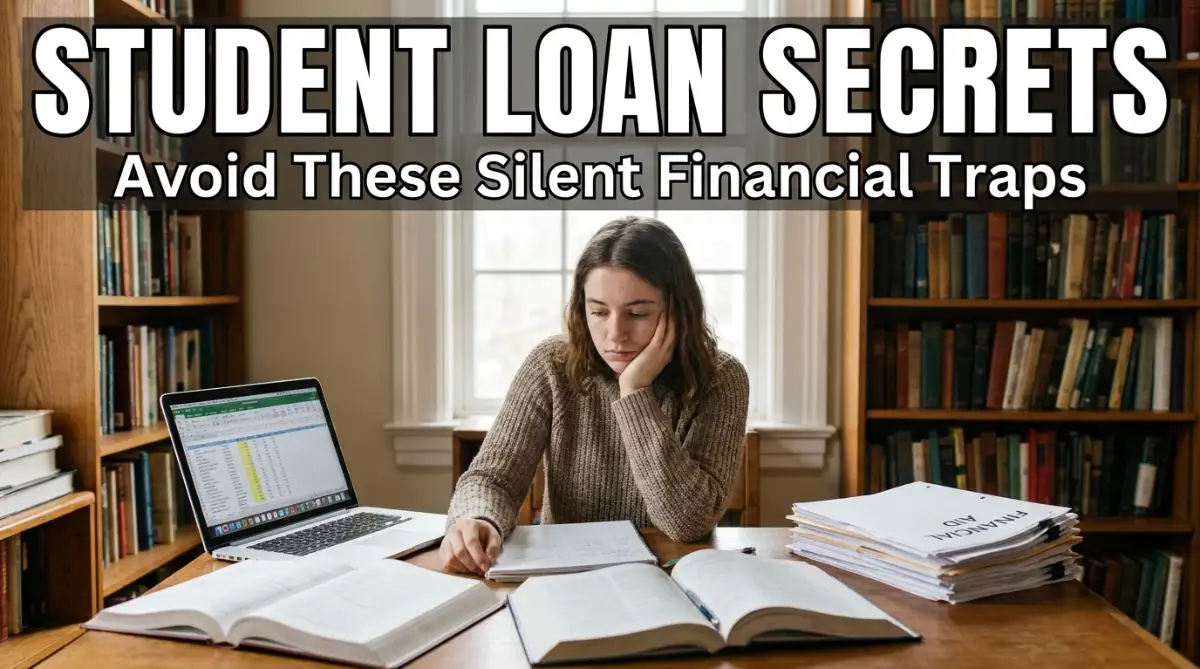
The Heavy Burden of Funding Your College Dreams Without a Map
Going to college should be about chasing your dreams, not worrying over confusing bank paperwork. Yet, millions of high school grads sign student loan contracts without knowing what they are actually agreeing to. If you do not understand interest rates and repayment rules right now, you might pay for it for the next twenty years. Let us break down how these loans work so you can protect your future wallet
Many young people face this silent pressure every single day. They want to focus on their exams, but all they can think about is the rising interest on their accounts. This constant worry ruins your sleep and makes it hard to enjoy college life. You start skipping social events because you feel guilty spending even a few dollars on a cup of coffee.
The fear of not finding a high-paying job right after graduation can make you feel trapped. It feels like you are running a race with a heavy backpack that you can never take off. Your peace of mind slowly slips away as you watch the debt numbers grow on your computer screen. Parents also feel this pain deeply, worrying if they made the wrong choice for their child.
It is not just about the money; it is about the constant fear of the unknown. You deserve to study with a clear mind, not with a dark cloud of debt hanging over your head. If you are feeling this stress right now, you are not alone. Let us look at why this happens and how you can protect your future.
What makes this situation so difficult is the lack of clear financial education in schools. Most of us are taught how to get good grades, but we are never taught how interest accumulates. We see a loan as a simple ticket to college, rather than a serious binding contract. This gap in knowledge often leads to expensive decisions that take decades to correct.
When you are young, it is hard to imagine how your daily choices will impact your adult life. You focus on the excitement of the university campus and meeting new friends. Meanwhile, the bank is quietly calculation interest that you will have to pay back later. Taking a few minutes to learn how these loans work can save you years of financial pain.
### 💡 Key Takeaways: Avoid the Debt Trap
- Fixed Rates are Safer: Always choose a fixed interest rate to protect yourself from wild financial market changes that increase variable payments.
- Avoid Capitalization: Pay off small interest amounts while you are still in school to stop your loan balance from ballooning before graduation.
- Federal Loans First: Exhaust government student aid options completely before you look at private banks, because private loans have fewer safety nets.
- Borrow Only What You Need: Just because a bank offers you a large loan doesn't mean you should accept it all; live simply to keep your future payments small.
Smart Steps to Sidestep Common Student Debt Traps
The Mistake of Ignoring Interest Types (Fixed vs. Variable)
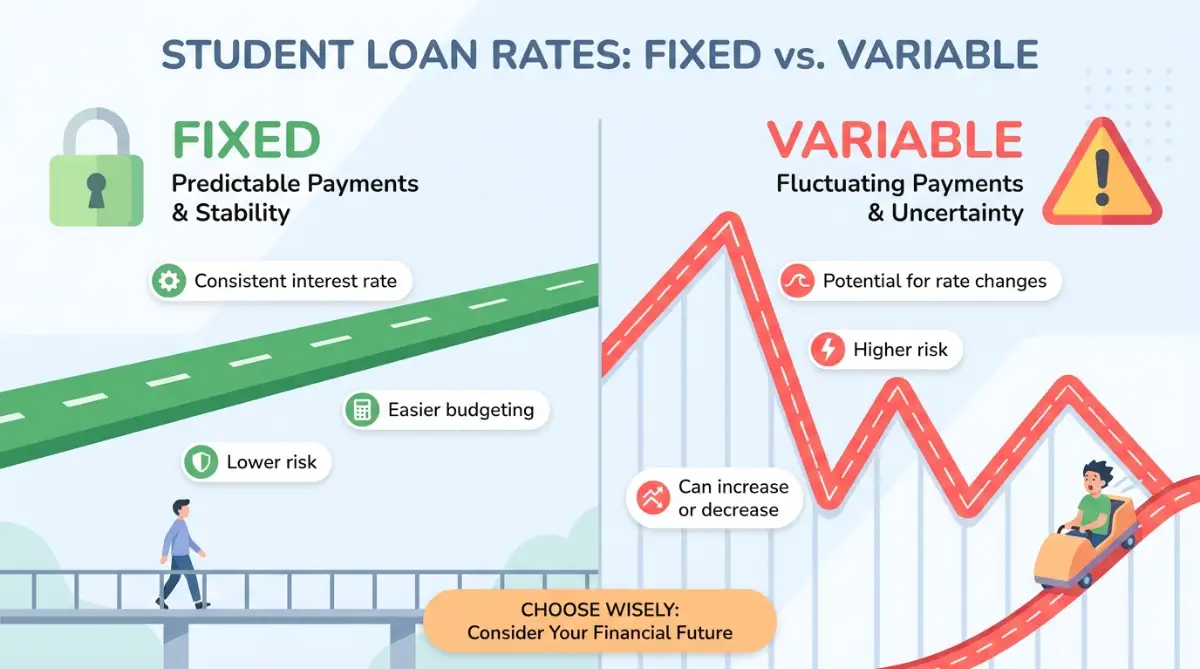
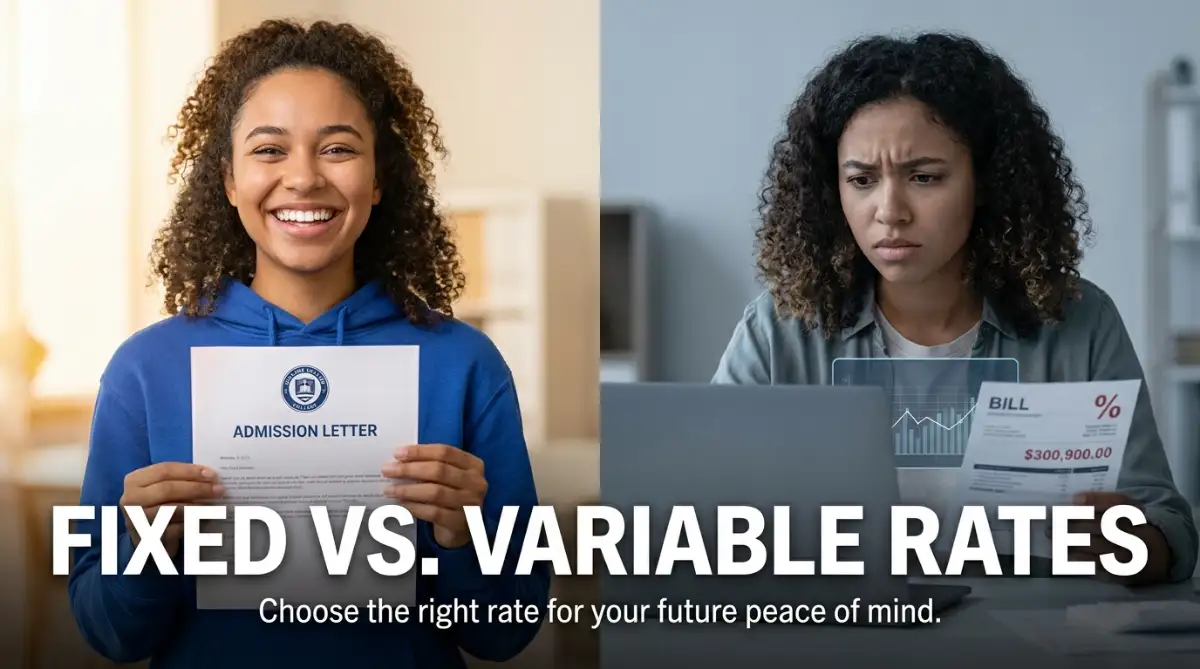
One of the biggest errors you can make is not understanding how your interest grows. Many students simply look at the starting interest rate without checking its type. This small oversight can cost you thousands of extra dollars over the life of your loan. You must learn the difference between fixed and variable rates before signing anything.
Understanding Fixed Interest Rates
A fixed interest rate stays exactly the same throughout the entire life of your loan. This means your monthly payment will never change, no matter what happens to the economy. It gives you a clear and predictable path for your future budget. You will always know exactly how much money you need to pay back each month.
The Risk of Variable Interest Rates
Variable interest rates might start much lower than fixed rates, which makes them look highly attractive. However, these rates can go up or down based on the financial market. If the economy faces inflation, your monthly payments can suddenly spike to a level you cannot afford. Relying on variable rates is like playing a risky game with your financial future.
To keep things clear, here is a simple comparison of how these two interest options work out over time:
- Fixed Rate Loan:
- Starting Balance: $10,000
- Estimated Interest: 7% (Locked)
- Total Estimated Payback: $14,200
- Benefit: Predictable payments that never change.
- Variable Rate Loan:
- Starting Balance: $10,000
- Estimated Interest: Starts at 5% but rises with the market
- Total Estimated Payback: Could easily go over $16,500
- Risk: Unpredictable monthly bills that can stress your budget.
Failing to Calculate the True Cost of Your Borrowed Money
Many students borrow a specific amount without realizing that they will pay back much more than they received. The principal amount is only one part of the equation. You also need to look at the interest that builds up while you are still studying.
The Simple Math of Student Loans
Let us say you borrow ten thousand dollars at a seven percent interest rate. If that interest builds up while you are in school for four years, your starting balance will be much higher when you graduate. You are not just paying back the original ten thousand dollars anymore. You are now paying interest on top of the interest that already accumulated.
The Danger of Capitalized Interest
When interest is not paid during college, it gets added to your main loan balance. This process is called capitalization, and it is a major trap for first-time borrowers. It means you will end up paying interest on a much larger sum of money. Always ask your bank if you can pay off the interest while you are still in school.
Borrowing Much More Than You Actually Need
It is very tempting to accept the maximum loan amount that a bank offers you. Many students use this extra money to buy expensive gadgets, go on trips, or live in luxury apartments. However, you must remember that every single dollar you borrow today must be paid back with interest tomorrow.
My personal realization is that during my sophomore year, I took an extra two thousand dollars just to feel comfortable. I spent it on weekend trips and eating out at fancy restaurants with my classmates. Today, I am still paying back that small mistake with heavy interest, and I deeply regret not living more simply.
To keep your debt as low as possible, create a strict monthly budget for your actual needs. Focus only on tuition fees, cheap housing, and basic groceries. If you need a laptop, look for a budget-friendly option rather than the most expensive model on the market. Treat your student loan as a survival fund, not a lifestyle upgrade.
Myth vs. Reality: The Truth About Grace Periods
There is a common belief that you do not have to worry about your loan until after you graduate. While most banks offer a grace period, this does not mean your loan is sitting quietly.
- The Myth: My student loan is completely free of charge until I graduate and find a job.
- The Reality: For most private loans, interest starts growing the very day the bank sends the money to your school.
During your six-month grace period after graduation, that interest is still building up. If you ignore this reality, you will face a shocking surprise when your first official bill arrives. Understanding this difference will help you plan early payments whenever possible.
| Action During Grace Period | Loan Balance Upon Graduation | Real Financial Impact |
| :--- | :--- | :--- |
| Paying $0/month (Letting interest capitalize) | $22,800 | The extra 2,800isaddedtoyourmainloan,costingyoumoreinterestovertime.∣∣∗∗Payinginterest−only∗∗(
2,800isaddedtoyourmainloan,costingyoumoreinterestovertime.∣∣∗∗Payinginterest−only∗∗(
50/month) | $20,000 | You save $2,800 from ever being capitalized, keeping your future payments lower. |
Not Shopping Around for Multiple Lenders
Many students simply accept the first loan offer they get from their school's partner bank. This is a huge mistake because different banks offer wildly different terms and rates. You should always compare at least three to four different options before making your choice.
Watch this helpful video to understand how different bank terms can affect your long-term savings:
[Insert YouTube Video Link Here]
When comparing lenders, do not just look at the monthly payment amount. Compare the customer service reviews, the repayment options, and whether they offer any rate discounts. Some banks give you a small discount if you set up automatic monthly payments. These small savings can add up to a massive amount of money over ten or fifteen years.
Forgetting to Check the Co-signer Requirements
As a young student, you likely do not have a long credit history or a high-paying job. This means most private lenders will require you to have a co-signer to approve your application. A co-signer is usually a parent, relative, or close family friend who promises to pay back the loan if you cannot.
This is a massive responsibility to place on someone else's shoulders. If you miss a payment, it will directly damage your co-signer's credit score and financial safety. Before you ask anyone to sign with you, have an honest conversation about the risks. Make a clear, written agreement showing how you plan to handle the payments on time.
Skipping the Reading of the Fine Print
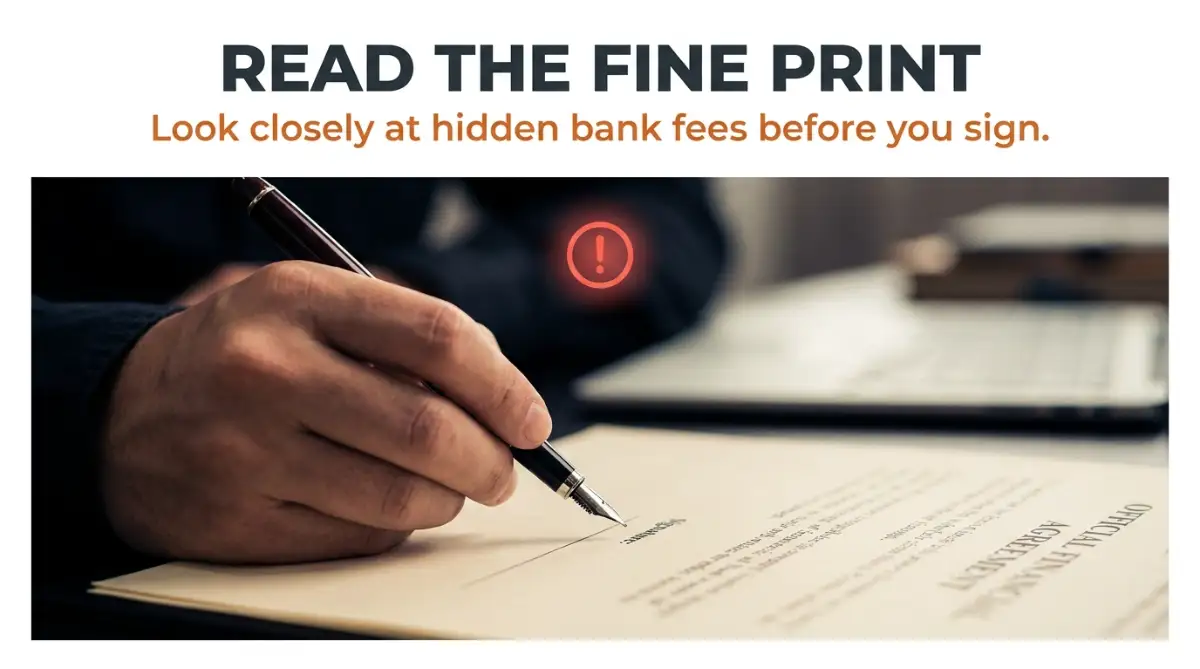
Loan contracts are long, boring, and filled with complex financial terms. Because of this, many students simply scroll to the bottom and click "agree" without reading. This is where banks hide terms like early repayment penalties or late payment fees.
Some loans actually charge you a fee if you try to pay off your debt ahead of schedule. Banks do this because they want to keep collecting interest from you for as long as possible. Make sure your loan contract does not contain any early repayment penalties. You should always have the freedom to pay off your debt as fast as you can.
Failing to Research Government Assistance First
Before you even look at private bank loans, you should check all available government student aid. Government loans often come with much better protection plans and lower interest rates. They also offer income-driven repayment plans that adjust your monthly bill based on what you actually earn.
Private loans do not care if you lose your job or face a medical emergency. They will still demand their money on time every single month. Government loans, on the other hand, offer options to temporarily pause your payments during hard times. Always exhaust every single federal or state aid option before turning to private banks.
My Rule of Thumb: If you must borrow, try to keep at least 90% of your debt in Federal student loans. Private loans do not offer safety nets like income-based repayment or loan forgiveness. Only look at private options if you have a tiny financial gap left to cover.
Overestimating Your Future Graduation Salary
It is easy to assume that you will get a high-paying dream job immediately after college. Many students borrow eighty thousand dollars thinking they will easily pay it back with a six-figure salary. Unfortunately, the entry-level job market can be highly competitive and unpredictable.
Look up the average starting salary for your specific major in your local area. A good rule of thumb is to never borrow more than your expected first-year salary. If you expect to earn forty thousand dollars in your first year, try to keep your total student debt below that number. This simple limit will keep your monthly payments manageable and protect your mental health.
Smart Strategies to Outsmart Your Student Debt Early
Managing a student loan does not have to be a source of endless anxiety. If you use the right methods early on, you can keep your debt under control. Many smart borrowers use advanced payment systems that save them thousands of dollars in the long run.
The Power of Making Small Micropayments
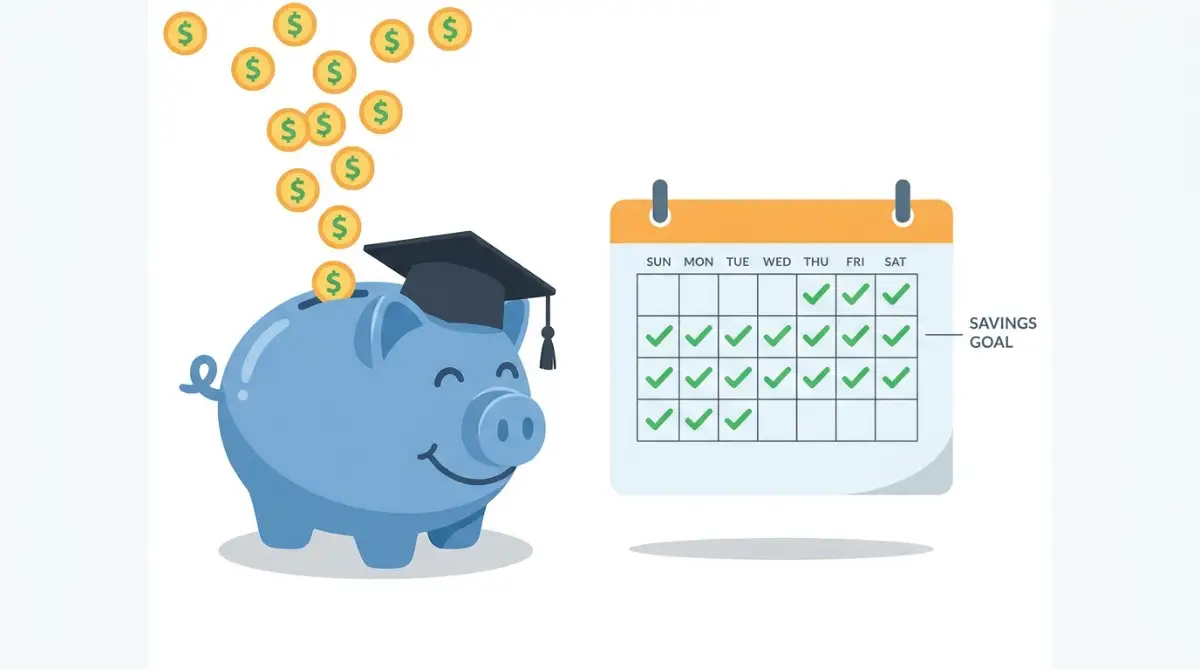
You do not have to wait for your official monthly bill to make a payment. Making small, frequent payments can dramatically reduce the amount of interest you owe over time. This approach works because it keeps your daily interest accumulation lower.
For example, try sending twenty dollars to your lender every single week instead of eighty dollars once a month. This simple shift means you are making fifty-two small payments a year. Because interest is calculated daily, reducing your principal balance faster helps you save a lot of cash.
Before starting this plan, check with your loan servicer to ensure they apply extra payments directly to your principal balance. Some banks automatically apply extra money to your next scheduled payment instead of the principal. You want your money to actively shrink the core debt, not just cover future bills.
Building an Active Cash Reserve for Loan Emergencies
Life after college is unpredictable, and finding a stable job can take several months. If you do not have a cash cushion, you might miss a loan payment and damage your credit. Building a small emergency fund specifically for your student loan is a wise move.
Try to save at least three months of minimum loan payments in a separate bank account. This money should remain untouched unless you face a real financial emergency, such as a sudden job loss. Having this safety net gives you incredible peace of mind during your job search.
Utilizing Automated Payment Options to Your Advantage
Almost every major student loan provider offers a small interest rate discount if you sign up for auto-pay. This discount is usually around a quarter of a percent, which might sound small. Over a ten-year repayment period, however, this reduction can save you hundreds of dollars.
Setting up auto-pay also ensures that you never miss a payment due date. Late payments can lead to expensive fees and negatively impact your credit history. Just make sure you always keep enough money in your checking account to avoid overdraft fees.
How to Leverage Income-Driven Repayment Plans
If you borrow through a government program, you have access to helpful income-driven repayment plans. These programs calculate your monthly loan payment based on your actual income and family size. If your income is very low, your monthly payment could be set to zero dollars.
These plans are highly protective because they prevent you from falling into default when times are tough. According to guidelines on the Federal Student Aid website, these options are designed to make repayment manageable for everyone. Always check if you qualify for these protective options before looking at private bank plans.
Furthermore, remaining on an income-driven plan for twenty or twenty-five years can lead to the forgiveness of your remaining balance. It is a long road, but it provides a reliable safety net for those in low-paying fields. Always keep your tax records updated to make sure you stay qualified for these benefits.
Silent Traps That Can Ruin Your Financial Freedom
Many first-time borrowers fall into hidden traps because they do not know how the system works. These traps do not look dangerous at first, but they can slowly destroy your financial independence.
The Illusion of Too Many Deferment Options
When you cannot make your payments, your lender might offer you a period of deferment or forbearance. This option temporarily pauses your monthly payments, which feels like a massive relief. However, this relief is often a financial illusion that costs you dearly.
For most loans, interest continues to grow even when your payments are paused. This means your loan balance is quietly ballooning in the background. When the pause ends, you will face a much larger total debt than when you started.
Only use a payment pause as a last resort when you have absolutely no other options. If you must pause your payments, try to pay at least the monthly interest amount. This small action keeps your loan from growing out of control while you get back on your feet.
Relying on Refinancing Too Quickly
Refinancing your student loans sounds like a great way to get a lower interest rate. It involves taking out a new loan with a private lender to pay off your old ones. While this can save you money, doing it too early can be a massive mistake.
If you refinance federal student loans into a private loan, you lose all government protections. This means you lose access to income-driven repayment plans, loan forgiveness, and emergency deferment. If you lose your job later, your private lender will still demand full payments.
Before you refinance, make sure your income is highly stable and you do not need government safety nets. Compare rates from multiple private lenders using the resources on the Consumer Financial Protection Bureau to ensure you are getting a genuine deal. Never rush into refinancing just because of a shiny advertisement.
Ignoring Your Loan Servicer Communications
When you are struggling with money, it is tempting to ignore the letters and emails from your bank. You might feel too stressed to open the envelopes or answer the phone calls. This is one of the worst mistakes you can make as a borrower.
Your loan servicer is the company that manages your billing and payments. If you miss payments without talking to them, they will report your default to credit bureaus. This action can ruin your credit score, making it hard to rent an apartment or buy a car.
Most loan servicers actually want to help you find a payment plan that works for your situation. If you call them and explain your financial struggles, they can offer solutions you did not know existed. Keep the communication lines open, even when your bank account is empty.
The Danger of Ignoring Future Major Milestones
Focusing entirely on your student debt can make you forget about other important parts of your life. You might put off saving for a home, starting a family, or planning for retirement. This narrow focus can delay your long-term life goals.
When you graduate, you will want to start building a stable life. Eventually, you might look into buying a home, which brings new financial challenges. When that time comes, navigating your first home appraisal and handling a low valuation will be another major step you need to master. Balancing your current debt with your future dreams is the key to true success.
To avoid feeling overwhelmed, allocate a small percentage of your income to other goals. Even saving ten dollars a week for a future home down payment can build a positive habit. You do not have to put your entire life on hold just because of your student loans.
Failing to Keep Track of Your Multiple Loans
Many students graduate with five or six different small loans instead of just one. It is incredibly easy to lose track of these individual accounts, leading to missed payments. You must stay organized from the very beginning of your college journey.
Create a simple folder on your computer to save all your loan documents and statements. Use a basic spreadsheet to track the lender name, balance, interest rate, and monthly payment for each loan. Staying organized will keep you in complete control of your financial destiny.
The way banks calculate these massive data networks is complex. Advanced systems must read and analyze these financial files carefully. This processing system is quite similar to how technology works when trying to answer how do machines understand us language models explained to interpret complex human instructions. By staying organized on your end, you make their job and your life much simpler.
Taking Control of Your Financial Journey Today
Managing your education loans is a long journey, but you have the power to navigate it successfully. By learning the rules of the game early, you can protect your credit and your mental peace. Remember that every small payment you make brings you one step closer to complete financial freedom.
Do not let the fear of student debt keep you from pursuing your educational and career goals. With a clear plan, a realistic budget, and open communication with your lender, you can conquer this challenge. Your education is an investment in yourself, and you can make that investment pay off.
I want you to know that I was once in your exact shoes, feeling completely lost and overwhelmed by my student debt. Once I started tracking my payments and talking to my lender, the dark cloud over my head finally cleared. You can take that same control of your life starting today, and I promise you will feel the relief immediately.
Answers to Common Student Loan Doubts
Can I pay off my student loan early without paying any penalties?
Yes, almost all student loans allow you to make early payments or pay off the entire balance ahead of schedule without any fees. Always double-check your specific contract terms, but standard guidelines protect your right to pay early. This is a highly effective way to save money on long-term interest.
What happens to my student loan if I cannot find a job after college?
If you have a federal loan, you can apply for an income-driven repayment plan, which can lower your monthly bill to zero dollars. For private loans, you must contact your lender immediately to ask for temporary hardship assistance or a short-term payment pause. Ignoring the bank will only lead to expensive fees and damage your credit.
Is a fixed interest rate always better than a variable interest rate?
For most first-time borrowers, a fixed interest rate is a much safer and better choice. It keeps your monthly payments predictable and protects you from sudden economic changes that can cause interest rates to spike. Variable rates are highly unpredictable and can lead to severe financial stress during periods of high inflation.
How do I find out who is managing my student loans?
You can track down your federal student loans by logging into your account on the official federal student aid portal. For private student loans, you can check your credit report for free to see which financial institutions are listing active accounts under your name. Once you identify the servicer, contact them directly to set up your online access.
Disclaimer
The information provided in this article is for educational and informational purposes only. It does not constitute professional financial, legal, or investment advice. Always consult with a certified financial advisor or loan specialist before making any major financial decisions regarding your student loans or personal debt.
![7 Hidden Ways Mandatory Forbearance Destroys Your Credit [Avoid These Mistakes]](https://vimex24.com/storage/uploads/blogs/1788962201_7-hidden-ways-mandatory-forbearance-destroys-your-credit-avoid-these-mistakes.webp)