
The Heartbreak of a Low Home Valuation: When Your Dream Home Feels Out of Reach
Getting an offer accepted on a house feels amazing—until the lender calls and tells you the appraisal came in short. When this happened to me on my first home purchase, I thought the entire deal was dead on the spot. But here is the truth: a low appraisal is not the end of the road. In fact, it often gives you secret leverage to get a discount if you know how to play your cards right.
Then, the appraisal report arrived, and your heart sank instantly. The official value is thousands of dollars below your agreed contract price. A dark cloud of anxiety suddenly replaces your excitement.
Will you lose the house? Will you lose your earnest money deposit? The stress is deeply overwhelming because your future plans are suddenly hanging in the balance.
It feels like the system is working against you when you are so close to the finish line. Your lender will not fund a loan for more than the home is actually worth. You are left standing in a stressful financial gap with very few clear answers.
This is a painful reality that many first-time buyers face in today's shifting market. But you do not have to let this setback ruin your homeownership dreams. Let us walk through exactly how to handle this hurdle and keep your purchase on track.
Key Takeaways You Need Right Now:
- The bank does not lend on emotion: Lenders base your mortgage on recent local sales, not the price you offered.
- A low appraisal gives you bargaining power: Sellers often prefer cutting their price over restarting the entire sales process from scratch.
- Always check the paperwork for simple math errors: Missing square footage or wrong bedroom counts are the fastest way to win an appraisal appeal.
- Never waive your appraisal contingency: This single contract clause keeps your earnest deposit protected if negotiations stall.
Decoding the Home Appraisal: What First-Time Buyers Must Know
A home appraisal is an unbiased, professional opinion of a property's market value. Lenders require this step to make sure they are not lending more money than the property is worth. If you default on your loan, the lender needs to know they can sell the home to recover their losses.
You will pay for the appraisal as part of your closing costs, but the appraiser actually works for the lender[1]. This independence keeps the process fair and protects everyone involved in the transaction[1].
Understanding this process is important because it determines how much money the bank will ultimately let you borrow. The Consumer Financial Protection Bureau provides great resources on how these mortgage steps protect consumers
The appraiser will look at the size of the home, the condition of the structure, and recent sales of similar homes nearby[4]. These similar properties are known in the real estate world as "comparables" or "comps."
TheQuick Reality Check: What Appraisers Actually Care About
| Common Myth | The Real Appraisal Fact |
| :--- | :--- |
| "A messy room or unfolded laundry lowers my home value." | Appraisers only look at square footage, room count, and permanent fixtures. |
| "Upgrades always return 100% of what I spent on them." | High-end luxury finishes often add only a fraction of their installation cost. |
| "The listing price determines what the bank will lend." | Banks strictly lend based on closed neighborhood sales from the last 3–6 months. | Difference Between Price and Appraised Value
It is highly common for buyers to confuse the purchase price with the appraised value. Price is what you and the seller agree the home is worth to you.
On the other hand, the appraised value is a calculated estimate based on hard historical sales data Sometimes, emotion drives the price up, but an appraiser must remain completely objective.
If a home has multiple offers, the price can skyrocket far beyond what local sales data can actually justify. This is when the dreaded appraisal gap occurs, leaving you to find a way to bridge the difference.
How Appraisers Choose Their Comparable Properties
An appraiser typically looks for homes that sold within the last six months. They also try to keep their search within a one-mile radius of the house you want to buy.
These homes should have a similar square footage, age, and number of bedrooms and bathrooms[6]. If your target home has a finished basement, the comps should ideally have one too[6].
When comps are not perfect matches, the appraiser makes financial adjustments. They might add value if your target home has a new roof, or subtract value if a comp has a nicer yard.
Step-by-Step Educational Guide to the Appraisal Process
Navigating your first appraisal is much easier when you know what to expect. Let us break down the standard path of an appraisal so you can watch the process with confidence.
Gathering the Initial Property Details
The appraisal process begins long before anyone physically walks through the front door. The appraiser will pull public tax records, property deeds, and previous MLS listings to study the history of the home.
They look at when the home was built and any zoning laws that might affect the property[4]. This preliminary research gives them a solid baseline before they see the physical home.
It also helps them identify potential red flags, like historical preservation rules or flood zone requirements This step ensures that they have a complete picture of the property's legal standing.
The Physical On-Site Walkthrough
Next, the appraiser visits the property to perform a visual inspection of the interior and exterior[7]. They will measure the rooms to verify the square footage is accurate.

During this visit, they take photographs of every room, the yard, and the surrounding street They are looking closely at the overall condition of the home, checking for major structural issues or safety hazards
If you are using a government-backed loan like an FHA or VA loan, this inspection is even stricter. The appraiser must verify that the utilities work and that there is no peeling lead-based paint.
Analysing the Neighborhood Data
Once the on-site visit is finished, the appraiser returns to their office to run the numbers They compare your home to the local comps they selected earlier.
They look at broader market trends to see if home prices in your area are rising or falling If the neighborhood is highly desirable, they might adjust the values slightly higher.
This phase is where the true math of real estate happens. Every detail, from a fireplace to a garage, is assigned a specific dollar value based on market data.
Writing and Submitting the Final Appraisal Report
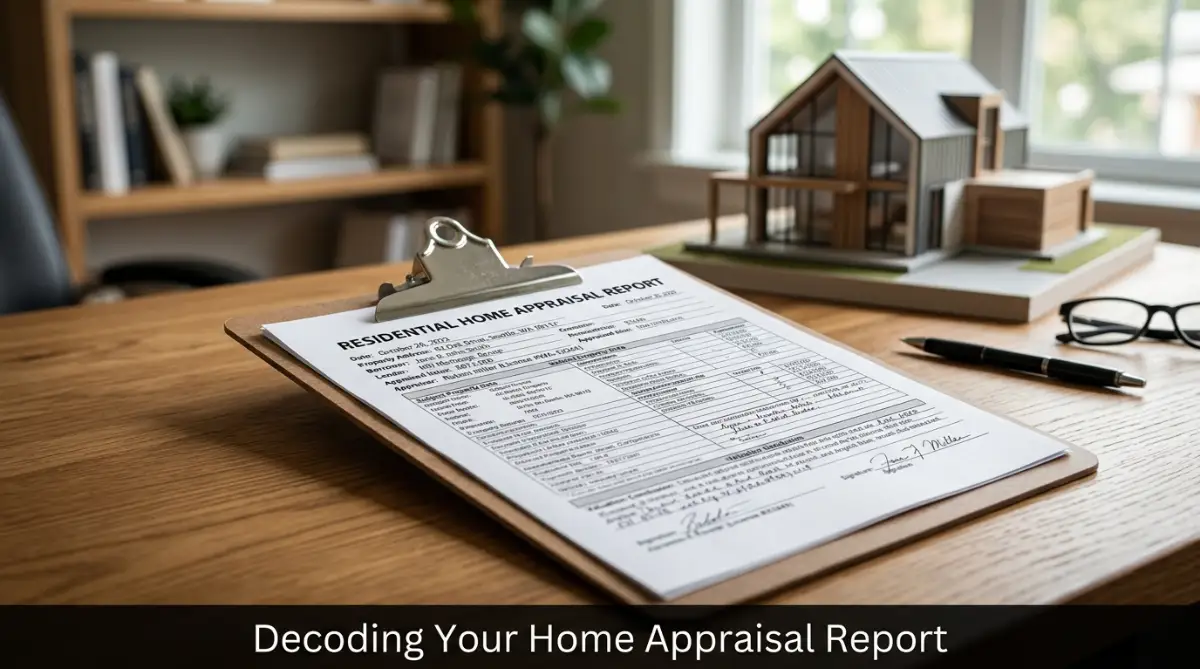
All of this research is compiled into a highly detailed document called the Uniform Residential Appraisal Report This report is then sent directly to your mortgage lender for underwriting review.
Underwriters will check the report to ensure it meets all lending guidelines Organizations like Fannie Mae set strict standards for how these reports must be written and reviewed
Once the lender approves the report, you will receive a copy to read[11]. This is your chance to look closely at the numbers and see if they match your expectations.
Why Your Home Appraisal Might Come Back Low
A low valuation is highly frustrating, but it usually happens for a few very specific reasons. Understanding these causes can help you plan your next moves.
Shifting and Unpredictable Real Estate Markets
Real estate markets do not stand still, and they can change much faster than public records can keep up. If the market is cooling down quickly, recent sales might not reflect the lower prices.
Conversely, in a booming seller's market, prices rise faster than historical comps can prove. This lag time in data frequently causes low valuations for eager buyers.
Appraisers cannot use active listings or pending sales as primary comps. They must rely on closed sales, which might be several months old.
Major Deferred Maintenance and Property Neglect
A home might look beautiful on the surface, but hidden maintenance issues can drag the value down. If the roof is nearing the end of its life, the appraiser will note this.
Outdated electrical systems, ancient plumbing, or foundation issues will also cause negative adjustments. These items are expensive to fix, and the appraiser must account for those costs.
Even minor issues like peeling paint, broken windows, or stained carpets can add up A home that needs love will always appraise for less than a turnkey property.
Lack of Quality Comparable Sales Nearby
If you are buying a unique home or a property in a rural area, finding good comps is incredibly difficult. The appraiser might have to look further away or use older sales.
If the neighborhood has very few home sales, the data pool is simply too small. This can easily lead to a conservative valuation that does not match the true demand for the home.
Inexperienced or Out-of-Area Appraisers
Sometimes, the appraiser assigned to your loan is not fully familiar with your specific neighborhood. They might live an hour away and miss the subtle factors that make your street highly desirable.
For example, they might not know that your street is zoned for a top-performing school district. They could use comps from a nearby neighborhood that has lower demand and lower home values.
This lack of hyper-local knowledge is a common reason for inaccurate reports. If you suspect this happened, you have the right to point it out.
What an Appraisal Gap Means for Your Loan
When the appraisal is lower than your purchase price, it creates an appraisal gap. This gap is the difference between the agreed contract price and the appraised value of the home.
Your mortgage lender will only base your loan-to-value ratio on the lower of the two numbers. If you planned to borrow 90% of a $300,000 purchase price, you expected a $270,000 loan.
But if the appraisal comes back at $280,000, the bank will only lend you 90% of that lower amount, which is $252,000. This leaves you with an unexpected $18,000 funding gap.
Real-World Scenario: Three Ways to Fix an $18,000 Appraisal Shortfall
- Option A (Seller drops price): You ask the seller to cut the price by the full $18,000. If they want to close quickly, they often agree.
- Option B (Split 50/50): You bring $9,000 extra cash to closing, and the seller lowers the sales price by $9,000.
- Option C (Contingency Exit): If the seller refuses to cooperate and you cannot cover the gap, you walk away with 100% of your earnest deposit safe.
Finding that extra money on short notice can be incredibly stressful for first-time buyers. If you are struggling with a sudden cash shortage, looking into instant approval loans as a simple guide for beginners might help you understand your immediate funding options.
However, you should always weigh these choices carefully to ensure you do not take on too much debt. Bridging the gap requires a calm head and a clear understanding of your financial limits.
Blog Post Content - Part 2
Strategic Moves: How to Successfully Challenge a Low Home Appraisal
Discovering a low valuation on your dream home does not mean your purchase is dead. You have several highly effective strategies to challenge the report or save the deal.
Your first step is to obtain a complete copy of the appraisal report from your lender You have a legal right to this document under federal law, and your lender must provide it promptly
Read through every single line of the report with your real estate agent. Look for simple errors like incorrect square footage, wrong bedroom counts, or missed home features.
Spotting Errors in the Appraisal Report
Appraisers are human, and they sometimes make clerical errors that can cost you thousands of dollars. They might list your home as having two bathrooms when it actually has three.
They might also miss recent upgrades like a brand-new heating system or high-end kitchen countertops. Pointing out these factual errors is the easiest way to get a report revised.
If you find clear mistakes, compile a list with your agent and submit them to your lender. The lender can ask the appraiser to review the data and make necessary corrections.
Finding Better Comparable Sales
Another powerful move is to find recent home sales that the appraiser might have overlooked. Your real estate agent has access to hyper-local MLS data that can help you find these comps.
Look for homes of similar size and condition that sold within the last few months. Make sure these homes are located within the same neighborhood boundaries as your target property.
Present these alternative sales to your lender as part of a formal Reconsideration of Value (ROV). This process forces the appraiser to look at the new data and explain why those homes were not used.
Requesting a Second Appraisal Through a Different Lender
Sometimes, a report is so poorly done that a simple revision will not fix the issue. If the appraiser was completely biased or unprofessional, you can talk to your lender about a second opinion[1].
If your current lender refuses to order a new appraisal, you might consider switching lenders entirely. A completely fresh lender will hire a new appraiser to start the process over.
This route will require you to pay for a second appraisal out of pocket. However, a fresh set of eyes can often result in a much fairer valuation of the property.
Negotiating with the Seller
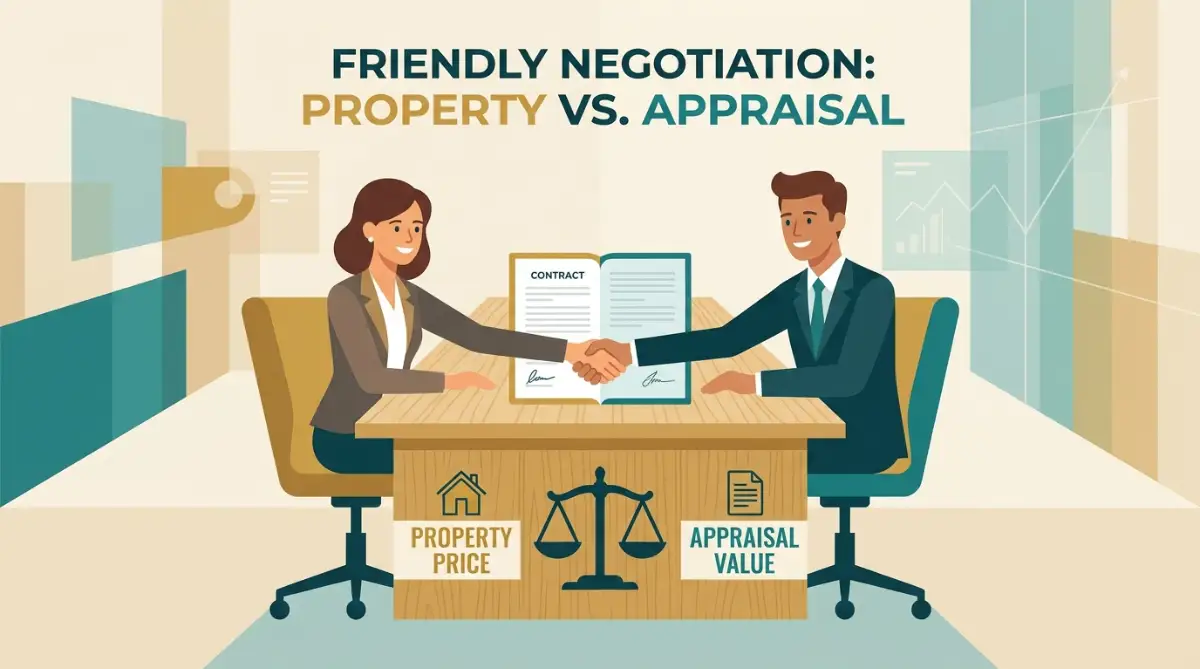
If the appraisal cannot be changed, you must turn your attention to the seller. A low appraisal is a major problem for the seller too, not just for you.
If you walk away, the next buyer will likely face the exact same appraisal issue with their lender. This reality gives you a lot of negotiation leverage to get the price lowered.
Ask the seller to drop the purchase price to match the appraised value of the home. Many sellers would rather lower the price than put their home back on the market and start over.
Bridging the Appraisal Gap Safely
If the seller refuses to drop the price, you might decide to split the difference. You can bring extra cash to the closing table to cover the gap between the loan and the price.
If you decide to cover the gap with cash but are short on funds for other closing costs, you might consider how to get unsecured personal loans with bad credit safely to cover immediate gaps. This can help you preserve your savings for the actual purchase.
Alternatively, understanding how to secure a bank loan without collateral can help you keep your financial footing during this transition. Always talk to a financial advisor before taking on new debt during a home purchase.
You can also ask the seller to meet you in the middle. For example, if the gap is $10,000, you could pay $5,000 more in cash, and the seller could drop the price by $5,000.

Dangerous Missteps That Can Ruin Your Home Purchase
When faced with a low appraisal, it is incredibly easy to make emotional decisions that hurt your finances. Avoiding these common traps will keep you safe and protect your hard-earned money.
One of the biggest mistakes is panicking and immediately walking away from the deal. Many buyers assume a low appraisal is an absolute dealbreaker and give up without exploring their options.
Take a deep breath and remember that this is simply a standard hurdle in the home buying process. Most appraisal issues can be resolved with a bit of patience and smart negotiation.
Another dangerous path is letting your emotions drive you to overpay without thinking about the future. Bringing a massive amount of cash to cover a gap can drain your emergency fund completely.
Never take on new credit lines or loans without consulting your mortgage officer first. Any changes to your debt-to-income ratio can disqualify you from your home loan entirely.
Lastly, do not get angry or argumentative with the appraiser or your loan officer. Keeping a professional and polite tone will make everyone more willing to help you find a solution.
Failing to Prepare the Property for Appraisal
If you are on the selling side, leaving the home messy can lead to a lower score. While appraisers try to look past clutter, a dirty house can suggest poor overall maintenance.
Buyers should also ensure their real estate agent is present during the appraisal to provide a list of upgrades. This list helps the appraiser understand the true value of the improvements.
Ignoring the Appraisal Contingency
Skipping the appraisal contingency in your initial offer is highly risky. It leaves you legally bound to buy the home even if it appraises low.
Always keep this safety net in place to protect your earnest money deposit. This clause lets you walk away with your deposit if you cannot reach an agreement on a low valuation.
Your Roadmap to Homeownership: Taking Control of Your Appraisal Journey
A low appraisal is a test of patience, but it is also an opportunity to make a smarter investment. By staying calm and following a clear action plan, you can protect your financial future.
Start by reviewing your contract's appraisal contingency to see what legal protections you have. If your contract has this clause, you can walk away with your earnest money if negotiations fail.
Work closely with your real estate agent and lender to explore every possible path. Whether you renegotiate the price, challenge the report, or find alternative funding, you have the power to decide.
Your Immediate 24-Hour Action Plan
First, call your real estate agent immediately to discuss the gap. Request the full PDF of the appraisal report from your lender as soon as possible
Review the comparable sales used in the report with your agent. Draft a polite email to the seller suggesting a price review if the comps look incorrect.
Final Encouragement for First-Time Buyers
Do not let a low number steal your joy. The Appraisal Foundation provides excellent resources showing how appraisals protect you from overpaying
This is a normal part of the process that helps protect your long-term wealth. Trust the process, use it as a tool, and you will eventually open the door to your new home.
Disclaimer
This article is for informational purposes only and does not constitute professional financial, legal, or real estate advice. Real estate laws and mortgage guidelines vary by location. Always consult with a licensed real estate agent, mortgage broker, or financial advisor before making any major financial decisions.