
The Hidden Stress of Financial Emergencies
Let me guess: your car just broke down, a surprise medical bill showed up out of nowhere, or your roof started leaking. Now, your bank account is looking uncomfortably low. I have been there, staring at my phone screen and wondering how to make the math work before the end of the month. Instead of giving you generic money advice, I want to show you exactly how you can handle this mess without falling into bad debt or ruining your credit score. Let's fix this together.
Why Many People Struggle to Find Real Help
The search for quick money often leads people into a maze of confusing information. Many individuals end up choosing options that do more harm than good. Here is why the search for a solution often fails:
- Information Overload: The internet is filled with conflicting advice that makes it hard to distinguish between safe options and predatory traps.
- Lack of Clarity: Many websites use complex financial terms designed to hide the true cost of borrowing money.
- Aggressive Marketing: People in desperate situations are often targeted by companies promising "easy" money without explaining the long-term consequences.
- Ignoring the Fine Print: In the rush to solve a problem, most people skip reading the contract details that outline high interest rates or hidden fees.
Quick Reality Check: Money Myths vs. Facts
| What You Might Think (Myth) | What Actually Happens (Fact) |
| :--- | :--- |
| "A quick payday loan will solve my problem fast." | They often charge up to 400% in interest, trapping you in a cycle of debt. |
| "My credit score is too low to get safe help." | Credit unions often offer small, safe loans based on your income, not just your credit score. |
- | "Borrowing a bit extra just in case is smart." | You end up paying interest on money you did not actually need to spend. |
The Impact on Your Well-Being
When you are constantly worried about money, your mental health often pays the price. You might notice that your focus at work drops or that you become irritable with your loved ones. This is not a personal failure; it is a natural reaction to persistent financial insecurity.

- Loss of Sleep: Stress about bills keeps your mind racing when it should be resting.
- Reduced Confidence: Constantly searching for help without finding a reliable path can make you feel helpless.
- Strained Relationships: Financial stress often creates tension in households, leading to arguments that could be avoided.
- Paralysis in Decision-Making: Fear of making the wrong choice often prevents people from taking any action at all, even when a safe path exists.
Taking control begins with understanding how the system actually works. You deserve to make choices that protect your future rather than compromise it. By learning the basics, you reclaim your power and move toward stability. It is about shifting from a state of reactive panic to a position of informed action.
The Bottom Line: What You Need to Know Right Now
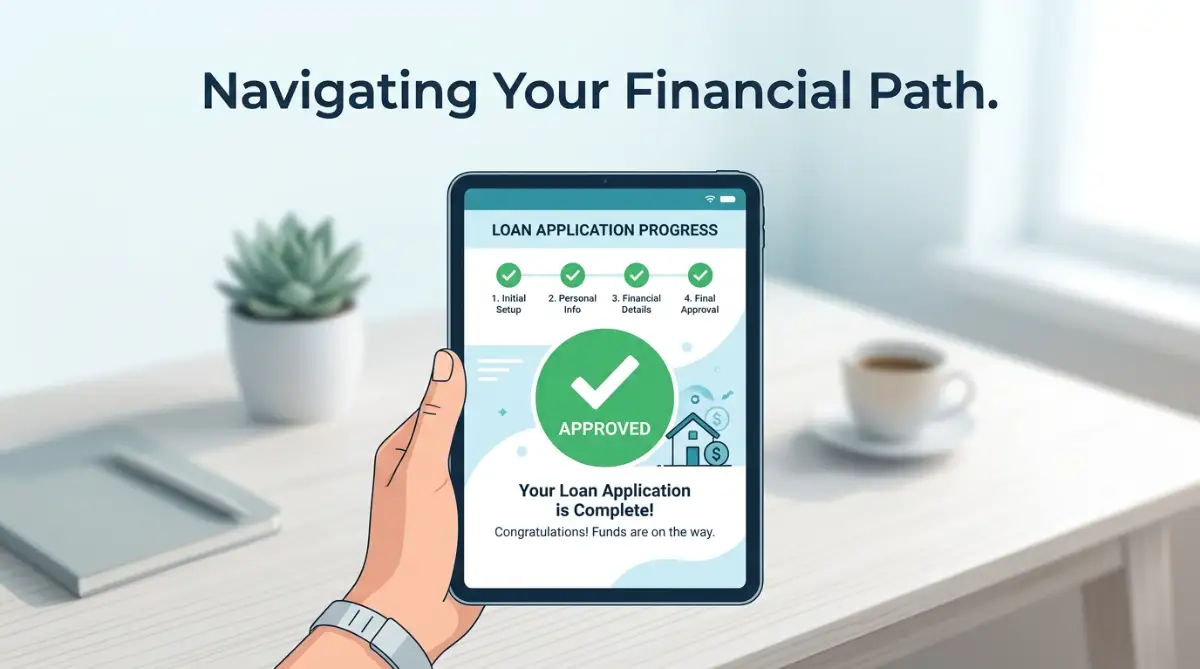
- Stop and breathe: Do not rush into the first loan offer you see; panic leads to bad money choices.
- Look at the APR, not just the monthly bill: A tiny monthly payment might hide massive hidden interest fees.
- Borrow exactly what you need: Never take extra money "just to be safe"—it will cost you more in the long run.
- Automate to protect your score: Set up auto-pay the moment you get a loan so you never miss a deadline.
Getting Started: A Clear Path to Responsible Borrowing
Understanding how loans work is the first step toward financial safety. You do not need to be a math expert to grasp the basics. Let’s break down the process into simple, actionable steps that put you in the driver’s seat.
Step 1: Assess Your Actual Financial Need
Before you look at any loan offer, sit down and look at your budget. Determine exactly how much money you need to solve the current problem. Many people make the mistake of borrowing more than necessary because they think they might need it later.
This "extra" borrowing is a common trap that increases your debt and your interest payments. Only borrow what you absolutely need to cover the immediate emergency. If the cost is five hundred dollars, do not apply for a thousand just to have a cushion. Discipline at this stage saves you hundreds of dollars in the long run.
Step 2: Compare Real Costs, Not Just Monthly Payments
When you view loan offers, do not just look at the monthly payment amount. A low monthly payment can sometimes hide a very high interest rate spread over a long time. Always check the Annual Percentage Rate (APR) to understand the true cost of the loan.
Think of the APR as the "price tag" of the money you are borrowing. If two lenders offer you the same amount, pick the one with the lower APR. You can use free online calculators to see how different rates change the total amount you will pay back. This simple act of comparison gives you the power to choose the most affordable path.
Ask Yourself These 3 Questions Before Signing Anything:
- Q: Can I actually afford the monthly payment? Be completely honest with your budget. If it looks too tight, walk away.
- Q: Are there hidden penalties if I pay it off early? Some lenders charge you a fee if you try to clear your debt ahead of time. Always check this!
- Q: Is this a want or an absolute need? If you are borrowing to buy a new TV, stop. If you are borrowing to keep your electricity on, proceed carefully.
Step 3: Check Lender Reputation and Transparency
Not all lenders operate with the same standards of honesty. You need to ensure that the company you choose is transparent about their fees and processes. A good lender will clearly list their terms without making you jump through hoops to find them.
Look for reviews from other customers, but stay objective. If a company has a history of hidden fees or poor customer service, move on to the next option. A trustworthy lender will never pressure you to sign a contract before you are ready. Take your time, read every sentence, and ask questions if something feels unclear.
Building Long-Term Financial Habits
Once you have managed your immediate emergency, the goal should be to avoid needing these loans in the future. Small changes to your daily habits can build a safety net that protects you. Start by setting aside even a tiny amount of money each month, no matter how small.
Think of this as your "peace of mind" fund. Even if it is only five or ten dollars, building the habit is more important than the amount. Over time, this fund grows and reduces your reliance on external help. By managing your money with intention, you shift your reality from chasing cash to building wealth.Strategies for Sustainable Financial Control
Building on the foundation of responsible borrowing, you can now take deeper control of your financial journey. It is not just about getting a loan; it is about mastering the flow of your money. Many people struggle with debt consolidation because they lack a systematic plan to manage multiple obligations at once.
Step 4: Automate Your Payment Schedule
One of the most effective ways to maintain a good credit standing is to never miss a due date. Set up automatic payments through your bank so that your loan installment is paid on time, every time. This simple habit protects your credit score and helps you avoid the stress of missing an EMI payment.
Think of your loan payment like your rent or utility bill. If it happens automatically, you do not have to rely on your memory or willpower. This reduces the risk of late fees and keeps your financial reputation strong.
Step 5: Prioritize Aggressive Repayment
If you have extra cash at the end of the month, apply it directly to your loan principal. By paying off the balance sooner, you reduce the total amount of interest you will pay over the life of the loan. This strategy is much more effective than saving that money in a low-interest bank account.
Look at your personal budget and see where you can trim small, unnecessary expenses. Redirecting those savings toward your debt acts like a snowball effect. The faster you pay down the balance, the less money the lender makes, and the more money stays in your pocket.
Step 6: Build Your Own Safety Net
While loans can solve immediate problems, they are not a long-term solution for emergencies. To truly protect yourself, you need to build a bulletproof emergency fund as quickly as possible. This fund acts as your personal "bank," allowing you to cover unexpected costs without needing to apply for new credit.
Start by saving small amounts consistently. Even fifty dollars a month adds up over time to create a significant cushion. Once this fund reaches three to six months of expenses, you will rarely feel the need for external borrowing again.
Consistent Habits for Long-Term Success
Maintaining financial health is a marathon, not a sprint. You must treat your finances with the same care you give to your health or your career. Track your spending using a simple app or even a paper notebook to keep yourself accountable.
When you know where every dollar goes, you stop wondering where your money disappeared at the end of the month. Transparency with yourself is the greatest asset you possess. If you ever feel overwhelmed, avoid common personal loan mistakes by reviewing your terms and seeking professional financial coaching.
Small, daily adjustments in how you handle money will yield massive results over time. You do not need a high income to be financially secure; you just need to be intentional with the resources you have. Stick to the plan, stay focused, and keep moving forward.

Traps and Common Pitfalls to Avoid
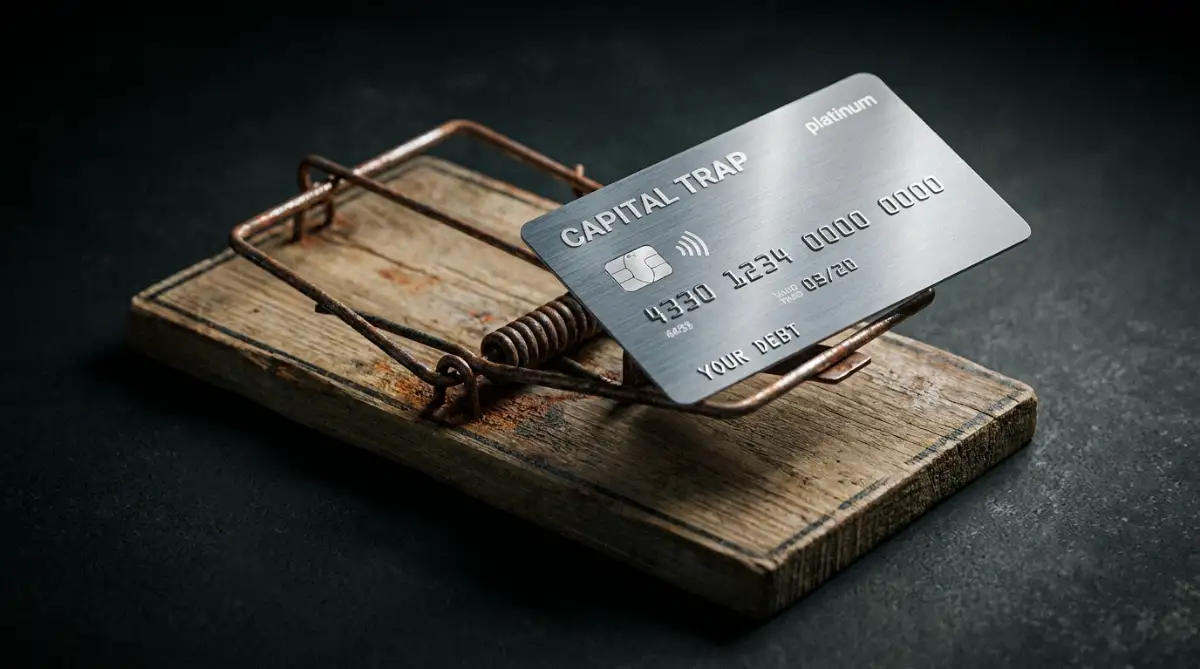
When navigating the world of personal credit, it is easy to trip over common mistakes. Avoiding these five errors will save you from unnecessary hardship and financial strain.
1. Falling for "No Credit Check" Promises
Many lenders market their products as having "no credit check" to attract people in a rush. These loans almost always come with predatory interest rates that can trap you in a cycle of debt. Always research a reputable financial institution before sharing your sensitive personal data.
2. Failing to Read the Fine Print
Never sign an agreement without understanding the total cost of borrowing. Look specifically for hidden processing fees, late payment penalties, and pre-payment charges. If a lender is not upfront about these costs, they are likely not a company you want to do business with.
3. Borrowing for Non-Essential Purchases
Loans are tools to solve problems, not ways to buy things you cannot afford. Using a loan for a vacation or luxury items often leads to regret because you are paying interest on something that loses value. Only use credit for emergencies or investments that help you move forward.
4. Overlooking the Impact of APR
Many borrowers only look at the monthly payment amount. This is a dangerous habit because a long loan term with low payments can end up costing you double the original amount. Always look at the APR to understand the real cost of the loan.
5. Ignoring Your Existing Debt
Taking out a new loan while struggling with high-interest credit card debt can make your situation worse. Before applying for a new loan, see if you can manage your current balances through better planning. Taking on more debt is rarely the answer to solving existing debt issues.
Your Path to Financial Clarity
You have the power to turn your financial situation around by making smart, informed choices today. Loans are simply tools, and when used with caution and strategy, they can help you bridge difficult gaps. Do not let the fear of debt stop you from taking control of your life.
Remember that you are in charge of your financial story. By paying attention to the details, avoiding common traps, and consistently working on your savings, you are building a wall of security. Every small payment you make on time is a win for your future self.
Start today by organizing your current obligations and creating a clear plan for your next month. You have all the information you need to move forward with confidence and strength. Believe in your ability to succeed, and keep striving for better financial habits. Your journey toward freedom starts with the very next decision you make.
Disclaimer: This article is for educational purposes only and does not constitute professional financial advice. Everyone's financial situation is unique. Please consult with a certified financial advisor before making major decisions regarding loans or personal investments. We do not provide loans, nor are we affiliated with any specific lending institution.
![The Ultimate Guide to Surviving Estate Settlements [Step-by-Step]](https://vimex24.com/storage/uploads/blogs/1789115850_the-ultimate-guide-to-surviving-estate-settlements-step-by-step.webp)
![7 Hidden Secrets to Navigating Complex Estate Payouts [Avoid Family Drama]](https://vimex24.com/storage/uploads/blogs/1789114950_7-hidden-secrets-to-navigating-complex-estate-payouts-avoid-family-drama.webp)