
The Crushing Weight of the First Hospital Bill
Opening the mailbox shouldn't feel like stepping into a boxing ring. But when that first massive hospital bill arrives, it hits you right in the gut. You just survived a major health scare, and now you are forced to figure out how to pay a bill that looks like a down payment on a house. Take a deep breath—I am going to show you exactly how to fight back, spot the errors they hope you miss, and shrink that terrifying number down to something you can actually handle.
When you survive a major health crisis, you expect the hardest part to be over. You think the surgery, the treatments, and the physical therapy are the biggest mountains you have to climb.
But nobody warns you about the financial avalanche that follows. The endless stream of letters from different departments, the confusing insurance statements, and the sudden fear of answering your own phone.
This silent burden drains the joy out of your second chance at life. Instead of celebrating your recovery, you are kept awake at night by swirling thoughts of bankruptcy and ruined credit scores.
It impacts how you show up for your kids, how you talk to your spouse, and how you view your future. The constant stress makes it nearly impossible to focus on getting your physical health back on track.

Key Takeaways to Protect Your Wallet:
- Never pay the first bill: Always demand a fully itemized statement to check for hidden errors.
- Ask for Charity Care: Almost all non-profit hospitals have secret financial hardship programs—you just have to ask for the application.
- Avoid the credit card trap: Do not swap interest-free hospital debt for high-interest credit card debt.
- Your credit score is safer than you think: Recent rule changes mean paid medical debt no longer drags down your credit report.
Escaping the Medical Debt Trap: A Practical Approach
The good news is that you do not have to live in this state of constant fear. The healthcare billing system is incredibly complex, but it also has plenty of loopholes and built-in protections for patients.
Hospitals and billing departments expect people to panic and pay whatever number is printed on the first page. They rely on your fear and confusion.
Once you learn how to pause, analyze, and communicate effectively, you take all your power back. You will realize that everything is negotiable, and you have way more options than they want you to know.
Let us break down exactly how you can protect your peace of mind and rebuild your bank account.
Never Accept the First Number: The Itemized Bill Method
The biggest mistake you can make is blindly paying the summary bill you receive in the mail. A summary bill just gives you a massive total, like "Lab Services: $4,000."
You have absolutely no idea what is actually inside that charge. Studies show that a massive percentage of hospital bills contain significant errors, duplicate charges, or charges for services you never even received.
Always call the billing department and request an itemized bill. This document breaks down every single band-aid, aspirin, and minute of care you received.
When you ask for this, you force the hospital to prove their charges. Many times, just asking for an itemized bill magically lowers the total amount because the billing department quietly removes accidental overcharges.
Quick Look: Summary Bill vs. Itemized Bill
| Feature | Summary Bill (What they send you) | Itemized Bill (What you need to ask for) |
| :--- | :--- | :--- |
| Detail Level | Groups everything into massive categories (e.g., "Pharmacy: $2,500"). | Lists every single pill, bandage, and needle with its exact cost. |
| Error Spotting | Impossible. You have no idea what you are paying for. | Easy. You can easily catch things they charged you for but never gave you. |
| Negotiation Power | Very low. | High. It forces the hospital to prove you actually owe that money. |
Once you have it in your hands, sit down with a highlighter. Look for duplicate charges, like being billed twice for the same blood test.

Look for canceled medications that you refused but were still charged for.
Negotiating Like a Professional (Even if You Are Scared)
Many people think medical bills are fixed prices, like buying a gallon of milk at the grocery store. This is completely false.
Medical debt is one of the most negotiable forms of debt in the world. Hospitals would much rather get 40% of the bill directly from you than sell your debt to a collection agency for pennies.
You need to call the billing department, explain your situation calmly, and offer a settlement. Tell them exactly what you can afford to pay today if they agree to wipe out the rest.
You might be surprised to find out that a simple 10-minute phone call can erase thousands of dollars in debt. If they refuse a lump-sum settlement, immediately pivot and ask for a zero-interest payment plan.
I learned this the hard way during my own recovery journey.
My Pro Tip: I made the terrible mistake of putting my first big medical bill on my high-interest credit card just to make the hospital stop calling me. I quickly realized I traded a zero-interest hospital debt for a credit card debt that was growing by 24% every month. Never move your medical debt to a credit card unless you have a guaranteed promotional 0% APR period and a strict plan to pay it off.
Watch this incredibly helpful breakdown before you make your first phone call to the hospital billing department:
Before you pick up the phone, you need to know exactly what to say to the billing agent to get the best possible discount. This short video walks you through the exact script and keywords you need to use to take control of the conversation and slash your medical bills in half.
The Power of Financial Hardship Programs
Almost every non-profit hospital is legally required to offer financial assistance programs, often called "Charity Care." Even for-profit hospitals have secret hardship funds available.
They will not advertise this on the front page of your bill. You have to be proactive and ask for the financial assistance application directly.
These programs are based on your household income and family size. Depending on your situation, you could qualify to have your entire bill forgiven, or at least heavily discounted.
Do not assume you make too much money to qualify. Many of these programs help families making middle-class incomes, especially if the medical bill is massive compared to their monthly earnings.
Gather your tax returns, recent pay stubs, and bank statements. Fill out the application completely and send it in with a polite, honest letter explaining your financial struggle.
While your application is pending, the hospital usually puts a freeze on your account. This means they cannot send your bill to collections while they are reviewing your case, giving you a much-needed breathing period.
My Go-To Phone Script for Financial Assistance:
If you get nervous on the phone, just read this word-for-word when you call the billing department:
"Hi, I recently received a bill for my treatment, and frankly, I cannot afford this amount due to financial hardship. Before this goes any further, I want to apply for your hospital's Charity Care or financial assistance program. Can you please mail me the application form today and put a 30-day hold on my account while I fill it out?"
Myth vs. Reality in Medical Debt
Let us clear up some of the most common misunderstandings that keep people trapped in financial anxiety.
Myth: Medical debt will instantly ruin your credit score forever.
Reality: Credit bureaus now treat medical debt much differently than credit card debt. Paid medical debt is no longer included on your credit report, and unpaid medical bills under a certain amount often do not appear at all. You also have a long grace period before new medical debt impacts your score.
Myth: If you send the hospital $5 a month, they cannot send you to collections.
Reality: This is an old rumor. If you do not have an official, agreed-upon payment plan in writing, the hospital can still send your account to a collection agency, even if you are making small random payments. Always get your payment plan terms in writing.
Myth: You must pay a collection agency the full amount they ask for.
Reality: Collection agencies buy your debt for a tiny fraction of the original cost. They have massive room to negotiate. You can often settle collection accounts for 30% to 50% of the total balance.
Restructuring Your Monthly Budget for Survival
When you are hit with a massive medical expense, your old budget goes out the window. You have to transition into a temporary "survival budget."
This means stripping your expenses down to the absolute bare necessities. We call this protecting your four walls: food, basic utilities, shelter, and basic transportation.
Everything else must be paused temporarily. Cancel the streaming subscriptions, stop eating at restaurants, and pause any extra investments or aggressive savings goals.
The goal here is not to live like this forever. The goal is to free up as much cash flow as possible to build a small cash buffer and negotiate your medical debts.
Look around your house for things you no longer need. Selling old electronics, furniture, or clothes online can quickly generate a few hundred dollars. This extra cash can be the exact lump sum you need to negotiate a settlement with the hospital.
When you have cash in hand, your negotiating power goes through the roof. You can confidently call the billing manager and say, "I have $500 in my bank account right now. If you accept this as payment in full, I can pay it today."
Protecting Your Mental Health During Financial Crisis
It is incredibly easy to let money problems destroy your mental health. You have to actively protect your mind just as much as you protect your wallet.
Set a specific time each week to deal with medical bills, maybe Tuesday mornings for one hour. When that hour is up, put the bills in a drawer and refuse to think about them for the rest of the week.
Do not let these pieces of paper steal your entire life. You survived a medical emergency, which means you are strong, resilient, and capable of overcoming hard things.
Talk to your partner openly about the numbers. Keeping financial secrets because of shame or guilt will only create massive relationship problems down the road.
Face the numbers together, make a realistic plan, and celebrate small wins. When you finally get one bill reduced or paid off, take a moment to acknowledge your hard work.
Understanding Health Insurance Appeals
Sometimes, the massive bill is not the hospital's fault at all. It is your health insurance company refusing to pay for a procedure they should have covered.
Insurance companies deny claims all the time for silly administrative reasons. They might deny a claim because a doctor used the wrong billing code or missed a deadline.
Do not accept a denial letter as the final answer. You have the legal right to appeal any decision your insurance company makes.
Call your insurance representative and ask exactly why the claim was denied. Write down the specific reason and the name of the person you spoke with.
Then, call your doctor's office. Ask them to resubmit the paperwork with the correct medical codes or provide a "Letter of Medical Necessity."
A Letter of Medical Necessity is a document from your doctor explaining exactly why the treatment was required to save your life or improve your health. This simple letter forces the insurance company to take a second look.
Many people win their insurance appeals just by being persistent. The insurance companies bank on the fact that you will be too tired or sick to fight back.
Prove them wrong. Keep pushing, keep calling, and keep documenting every single interaction.
Finding the Right Professional Help
If you have tried everything and you are still drowning, you might need to bring in a professional. Medical billing advocates are experts who specialize in fighting hospitals and insurance companies for you.
These advocates know the complex medical coding system inside and out. They can spot hidden errors that you and I would never notice on an itemized bill.
They usually charge an hourly rate or take a percentage of the money they save you. If you are facing tens of thousands of dollars in medical debt, hiring an advocate can be an incredibly smart investment.
Alternatively, non-profit credit counseling agencies can help you review your overall financial picture. They can help you set up a realistic budget and give you unbiased advice on managing all your debts.
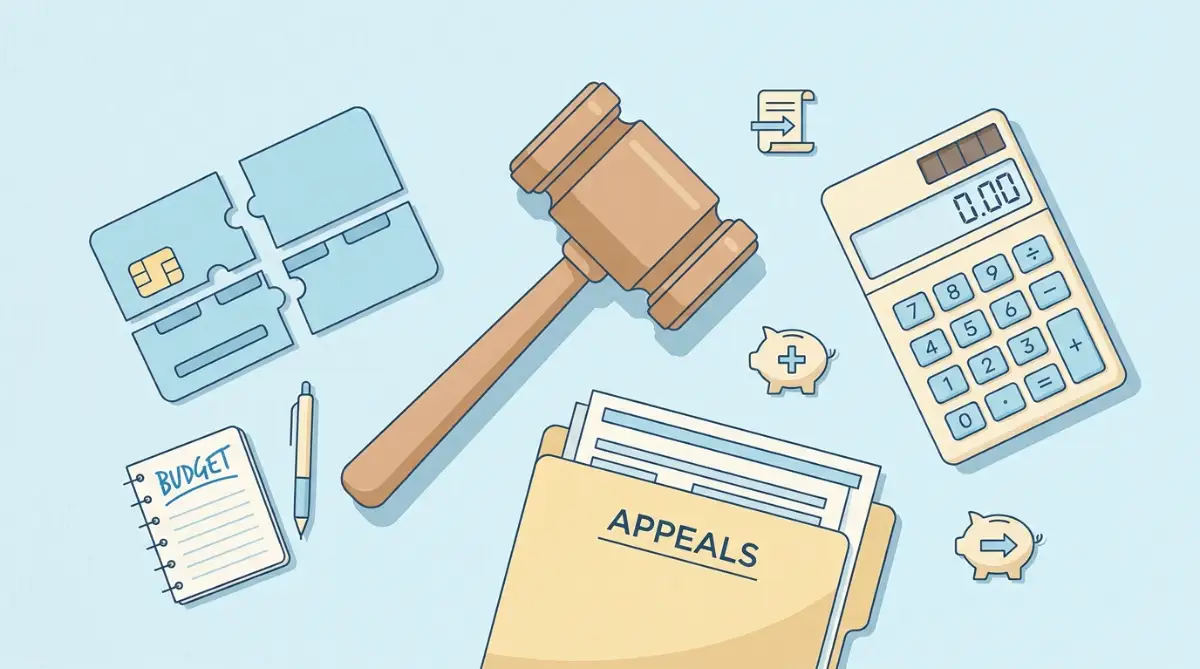
Just be very careful to avoid sketchy, for-profit debt settlement companies. These companies often charge massive upfront fees and tell you to stop paying all your bills, which will instantly destroy your credit score.
Always look for a certified, non-profit credit counselor who has your best interests at heart. You want a partner who will educate you, not just someone trying to make a quick buck off your medical tragedy.
Moving Forward with Confidence
Recovering financially after a medical emergency takes time, patience, and a lot of deep breaths. You did not get into this situation overnight, and you will not get out of it overnight.
Give yourself grace as you navigate this confusing process. Every phone call you make, every bill you review, and every dollar you negotiate is a massive step in the right direction.
You are taking back control of your life. Keep pushing forward, use the tools and strategies available to you, and remember that your health is always your most valuable asset.
Next-Level Defense: Shielding Your Wealth from Future Healthcare Shocks
Once you survive the initial shock of a massive hospital bill, your brain naturally wants to forget the whole experience. You want to file those papers away and pretend it never happened.
But true financial healing requires a more proactive approach. If you want to keep your bank account safe from future healthcare surprises, you need to master a few advanced strategies.
These are the exact methods professional billing advocates use to protect their clients. Implementing these habits will turn you from a passive patient into a highly informed financial defender.
First, you must master the art of reading your Explanation of Benefits (EOB). This is the confusing statement your insurance company sends you before the actual hospital bill arrives.
Most people throw the EOB in the trash because it usually has "This is not a bill" printed in big letters at the top. This is a massive mistake that costs families thousands of dollars.
Your EOB is actually a cheat sheet. It shows exactly what the hospital charged, what the insurance agreed to cover, and what your specific "patient responsibility" should be.
You must wait for the EOB to arrive and place it directly next to the hospital bill. If the hospital bill asks for a single dollar more than the EOB says you owe, you have found a billing error.
Never pay a bill until the hospital's numbers match your insurance company's numbers perfectly.
Another highly guarded secret is the concept of retroactive charity care. Many people assume they can only apply for financial assistance before or immediately after their treatment.
In reality, many non-profit hospitals have policies that allow you to apply for hardship programs months after your procedure. Sometimes, if you can prove you were medically incapable of managing your finances during recovery, they will wipe out the debt retroactively.
You should always research your specific hospital's policies through trusted consumer protection resources, like the Consumer Financial Protection Bureau's guidelines on medical debt. Knowing your exact legal rights gives you massive leverage during phone calls.
We also need to talk about the tax implications of major medical events. When you spend a massive chunk of your income on healthcare, the government sometimes offers a little bit of relief.
If your out-of-pocket medical expenses exceed a certain percentage of your adjusted gross income, you might be able to deduct them from your taxes. This includes money spent on travel for treatments, specific medical equipment, and prescribed therapies.
I highly recommend reviewing the official IRS guidelines on medical expense deductions before you file your next tax return. That single deduction could result in a much larger tax refund, which you can use to rebuild your savings.
You also have to look closely at how a medical crisis disrupts your entire household budget. When your attention is entirely focused on hospital bills, other financial leaks start happening right under your nose.
To maintain long-term stability, you must create a dedicated healthcare sinking fund. This is a separate savings account specifically designed to cover your annual insurance deductibles and out-of-pocket maximums.
By treating your health deductible like a predictable monthly bill, you completely remove the panic from future doctor visits. You will walk into the clinic knowing the money is already sitting there waiting to be used.

The Danger Zones: What Happens When Panic Drives Your Financial Decisions
When a massive hospital bill threatens your family's security, panic sets in quickly. Your brain goes into survival mode, and you just want the problem to disappear as fast as possible.
This intense emotional pressure causes incredibly smart people to make devastating financial choices. Debt collectors understand human psychology perfectly, and they know exactly how to use your fear against you.
Sometimes, the tactics used by automated collection systems are so advanced it feels like how AI actually reads your true emotions, adjusting their aggressive language based on your responses. You must keep your emotions completely out of these negotiations.
Let us walk through the most dangerous pitfalls you must avoid at all costs during your financial recovery.
Draining Your Future to Pay for the Past
The single biggest mistake I see people make is raiding their retirement accounts to pay off a hospital bill. When you see a huge balance due, that 401(k) or IRA sitting there looks like an easy escape hatch.
Do not touch your retirement money to pay medical debt.
First of all, pulling money out of a retirement account early triggers massive penalties and heavy taxes. You might withdraw $10,000 to pay the hospital, but only end up with $7,000 after the government takes their cut.
More importantly, retirement accounts are heavily protected from creditors and bankruptcy courts by federal law. If your medical debt ever forces you into bankruptcy, the court usually cannot touch your 401(k).
By voluntarily pulling that money out to pay a flexible medical bill, you are throwing away your legal protections. You are trading your future security for temporary relief.
Before making any massive financial moves, it is always wise to consult resources like the National Patient Advocate Foundation, which offers unbiased guidance on handling overwhelming healthcare costs.
The Medical Credit Card Trap
When you are sitting at the front desk of a clinic, the billing coordinator might hand you a glossy brochure for a medical credit card. They will enthusiastically tell you it offers "no interest for 12 months."
It sounds like a perfect solution, but these cards often contain a massive, hidden trap called deferred interest.
If you do not pay off every single penny of that balance before the promotional period ends, they will charge you interest on the entire original amount. This means if you leave just a $10 balance on a $5,000 surgery, you will suddenly be hit with backdated interest on the full $5,000.
Suddenly, your manageable monthly payment doubles overnight. This is one of the worst hidden costs of revolving credit lines that keeps families trapped in a cycle of endless payments.
Instead of opening a predatory credit card, demand a direct payment plan with the hospital itself. Hospitals rarely charge interest, and they are much more flexible if you miss a payment due to hardship.
Ignoring the Mailbox Out of Fear
Avoidance is a very natural human response to trauma. When every envelope brings bad news, you simply stop opening the mail.
You might think that if you ignore the bills, the hospital will eventually just write them off and forget about you. This strategy almost always ends in a disaster.
Ignoring medical bills allows them to age, gather late fees, and eventually get sold to aggressive third-party collection agencies. Once the debt leaves the hospital, your chances of negotiating a friendly hardship discount drop significantly.
Worse, ignoring collection notices can lead to default judgments. This happens when a debt collector sues you, and because you did not show up to court or respond to the letters, the judge automatically rules against you.
Once a collector has a judgment, they can forcefully garnish your wages or freeze your bank accounts. Never ignore the mail. Open everything, organize it in a folder, and face the numbers honestly.
When you share your sensitive financial documents with remote billing advocates or counselors, ensure you are using secure networks. Simple steps, like following basic cybersecurity protocols for remote workers, will keep your personal data safe from identity theft during a vulnerable time.
Cutting the Wrong Expenses
When families try to survive a medical debt crisis, they often start slashing their budget aggressively. While cutting unnecessary subscriptions is smart, cutting essential protections is incredibly dangerous.
For example, some parents might try to save money by dropping auto insurance coverage or delaying important family policy updates. They might delay adding a teen driver to your policy just to save a few bucks a month.
Or, they might remove specific safeguards, completely forgetting how uninsured motorist coverage saves you from total financial ruin if another accident happens.
Never sacrifice your family's basic safety nets to pay a hospital bill. Medical debt is unsecured, meaning they cannot repossess your health or your home directly without a long legal process. Keep your essential insurances active so one crisis does not quickly turn into two.
Your Action Plan for Tomorrow Morning
Overcoming a massive financial hurdle after a health crisis is not a sprint. It is a marathon that requires patience, organization, and a refusal to give up.
You now have a deep understanding of how the billing system actually works behind closed doors. You know that the first number on the paper is just a starting point, not the final answer.
Your job tomorrow morning is very simple. Grab a notebook, sit down with a cup of coffee, and write down every single medical debt you currently owe.
Do not judge the numbers, just get them out of your head and onto the paper. Then, pick exactly one bill to focus on for the week.
Call that specific billing department, ask for an itemized statement, and politely ask about their financial hardship programs. You will be absolutely amazed at how much progress you can make with just one focused phone call a week.
Take back your power. The hospital billing department does not control your future, your happiness, or your family's peace of mind.
I know exactly how suffocating this kind of unexpected debt feels because I lived through the sleepless nights myself. But my biggest breakthrough came the moment I stopped running from the envelopes and started fighting back with a calm, focused plan.
Real Answers to Your Biggest Medical Billing Questions
Do unpaid medical bills ever just disappear or expire?
Yes, every state has a "statute of limitations" on written contracts, which includes medical debt. Once this legal time limit passes, debt collectors can no longer sue you for the balance, though they might still try to call you. You should check your specific state laws to know exactly when your old debt legally expires.
Can a hospital or debt collector garnish my paycheck?
They cannot garnish your wages just by asking your employer. A debt collector must first file a lawsuit against you, take you to court, and win a formal judgment from a judge. If you communicate proactively and set up a basic payment plan, it is extremely rare for a hospital to take legal action against you.
Will negotiating a lower settlement ruin my credit score?
No, settling a medical debt usually helps your credit score in the long run. Recent changes in credit reporting laws mean that once a medical debt is paid or settled in full, it is completely removed from your credit report. It will not leave a negative "settled for less" mark like a traditional credit card settlement would.
Is my spouse legally responsible for my medical debts?
This depends entirely on where you live. If you live in a "community property" state, debts acquired during the marriage are usually considered joint debts, meaning your spouse could be held responsible. In most other states, you are only responsible for your own medical debt unless you co-signed the admission papers specifically taking financial responsibility.
What should I do if the hospital refuses to give me an itemized bill?
Hospitals are legally required to provide a detailed breakdown of your charges if you request one. If a billing agent refuses, ask to speak to the billing manager or the hospital compliance officer. If they still refuse, you can file a formal complaint with your state's Attorney General office or the Department of Health.
Disclaimer: The information provided in this article is for educational and informational purposes only and does not constitute financial, legal, or medical advice. Healthcare billing laws and credit reporting regulations change frequently and vary by location. Always consult with a certified financial planner, a non-profit credit counselor, or a legal professional before making any major decisions regarding debt settlement, bankruptcy, or your retirement accounts.

![7 Hidden Ways Mandatory Forbearance Destroys Your Credit [Avoid These Mistakes]](https://vimex24.com/storage/uploads/blogs/1788962201_7-hidden-ways-mandatory-forbearance-destroys-your-credit-avoid-these-mistakes.webp)