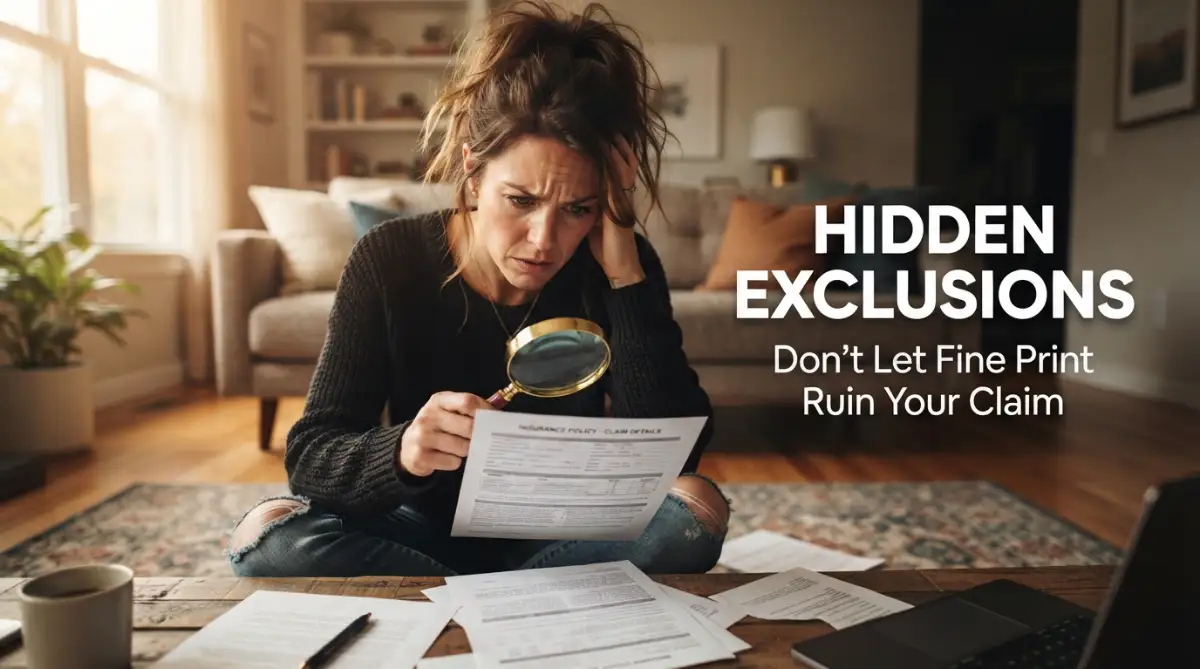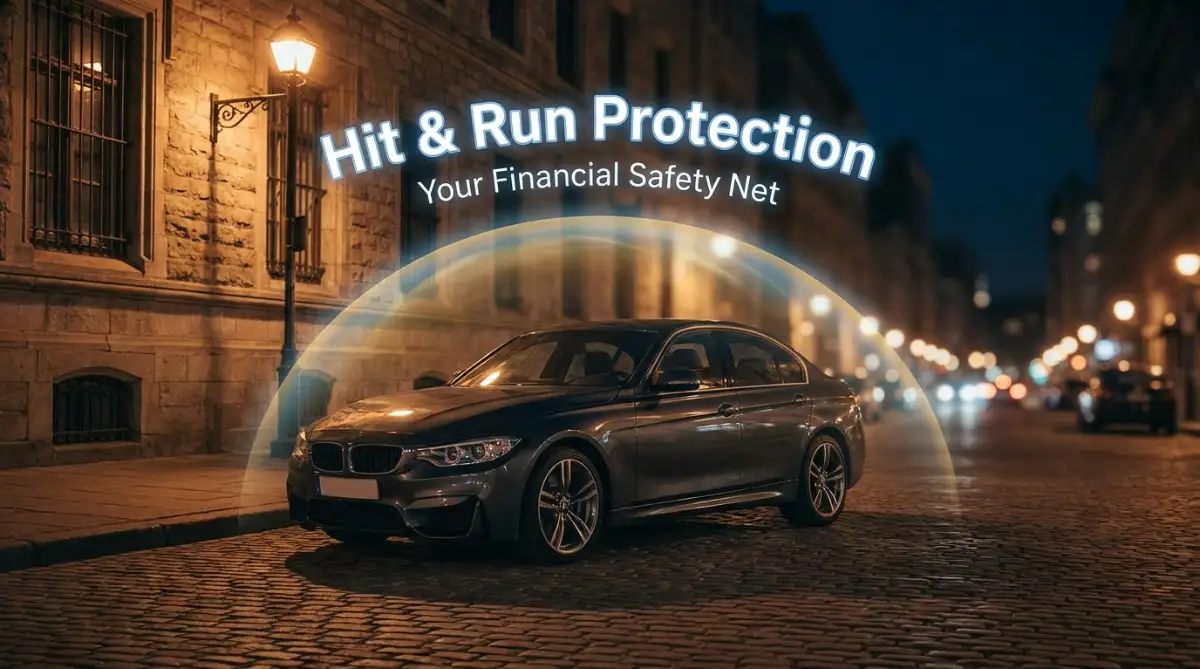
The Hidden Nightmare of the Unseen Driver
Let's be real—getting smashed by a car that just speeds away into the dark is completely terrifying. You are left sitting there with a wrecked bumper, a sore neck, and a massive panic attack about who is going to pay the bills. You did everything right, paid your insurance on time, and now you are stuck with the mess. Let me show you exactly how a hidden feature in your auto policy can completely save you from going broke after a hit-and-run.
Before I could even process what happened or catch my breath, the other driver reversed rapidly and sped off into the dark streets. My neck throbbed with sudden pain, my rear bumper was hanging by a single thread, and I was left entirely alone on a dark road.
I felt a heavy, sinking feeling in my stomach as the harsh reality of the situation washed over me. Who was going to pay for this extensive damage? How would I ever afford the sudden, unexpected medical bills for my injured neck?
Ordinary, hardworking people face this exact nightmare on our roads every single day. It steals your hard-earned mental peace, silently drains your savings account, and leaves you feeling completely powerless against an unfair system.
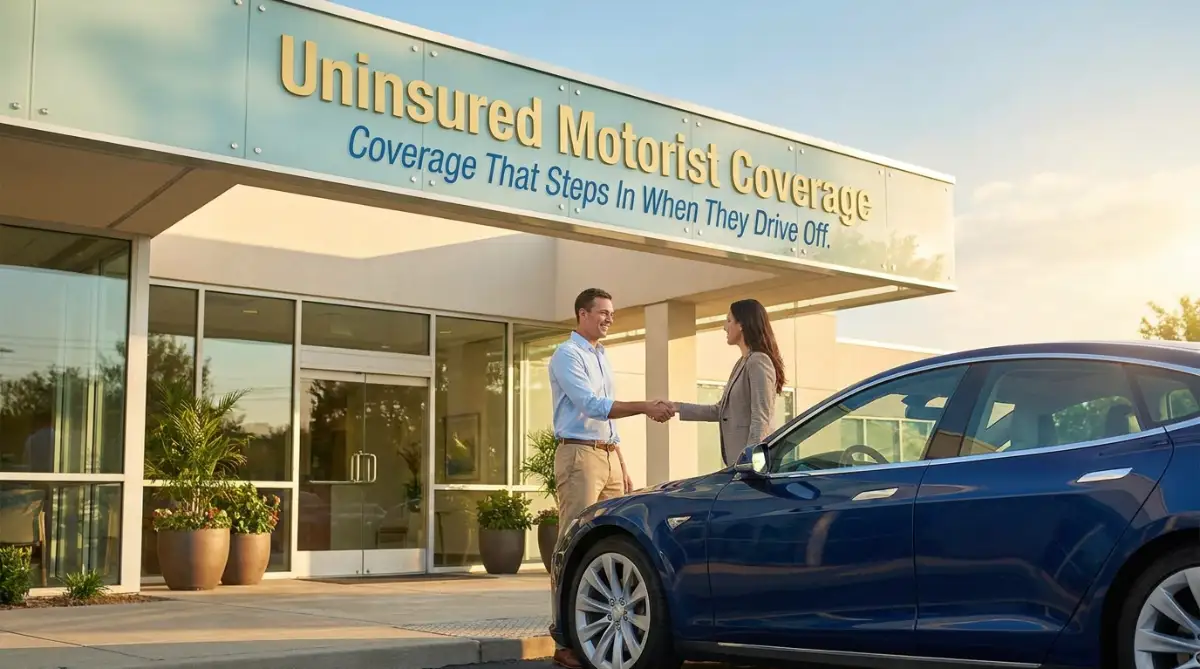
Your 60-Second Hit-and-Run Action Plan
- Never Leave the Scene: Call the police right where the accident happened to get a formal physical report.
- Check Your Paperwork: Call your agent today and make sure "Uninsured Motorist (UM)" coverage is actively checked on your policy.
- Get a Dashcam: A $50 camera is the absolute best witness you will ever have against a phantom driver.
- Don't Fear the Rate Hike: In most states, using your UM coverage will not spike your monthly bill because the crash was not your fault.
Transforming Panic into Total Protection
When the police tell you they cannot find the driver who hit you, panic is the most natural human reaction. But this is exactly where a smart insurance strategy steps in to save your financial life. You do not have to rely on finding the guilty party to get your life back on track.
Instead of waiting for a miracle, you can rely on a specific safety net built right into your own auto policy. Let us explore exactly how this invisible shield works in real life. I will walk you through the practical mechanics of using your own policy to cover the damages caused by a stranger.
Decoding the Financial Safety Net
To truly understand how you are protected, we need to look closely at something called Uninsured Motorist (UM) coverage. Think of this coverage as a backup insurance company that works specifically for you. When the driver who causes the crash runs away, your insurance provider temporarily steps into their shoes.
Your own company effectively becomes the "at-fault" driver's insurance provider. They take on the exact financial responsibility that the fleeing driver should have legally carried. This means you do not have to drain your own bank account to fix their terrible mistakes.
This specific protection is usually split into two very distinct categories to protect different parts of your life. The first part handles your physical health, and the second part handles your property. Understanding this difference is exactly what separates a frustrated driver from a protected one.
Protecting Your Physical Health First
The most urgent concern after a hit-and-run is always your physical well-being. This is where Uninsured Motorist Bodily Injury (UMBI) coverage becomes your absolute best friend. If you or your passengers are hurt by a fleeing driver, this coverage immediately kicks in to handle the medical expenses.
Ambulance rides and emergency room visits can easily cost thousands of dollars within the first few hours. UMBI steps up to pay these massive hospital bills so you do not fall into instant medical debt. It can even cover the cost of continuous physical therapy if your injuries require long-term healing.
But the protection goes far beyond just paying the doctors and hospitals. If your injuries force you to miss several weeks of work, this coverage can actually reimburse you for those lost wages. It ensures you can still pay your rent and feed your family while your body heals from the trauma.
Fixing Your Broken Vehicle
While your health is paramount, staring at a smashed car is incredibly stressful. Uninsured Motorist Property Damage (UMPD) is the specific tool designed to fix your vehicle when the guilty driver vanishes. It acts as a direct substitute for the missing driver's property liability insurance.
When you file a UMPD claim, your insurance company sends an adjuster to evaluate the damage to your car. They will then cover the repair costs at the auto shop of your choice, getting you back on the road safely.
If your car is completely totaled, they will pay out the actual cash value of your vehicle.
There is a very smart financial advantage to using UMPD over your standard collision coverage. In many areas, the deductible for a UMPD claim is significantly lower than a standard collision deductible. Sometimes, the deductible is waived entirely, saving you hundreds of dollars right out of the gate.
Real-Life Scenario: The Parking Lot Nightmare
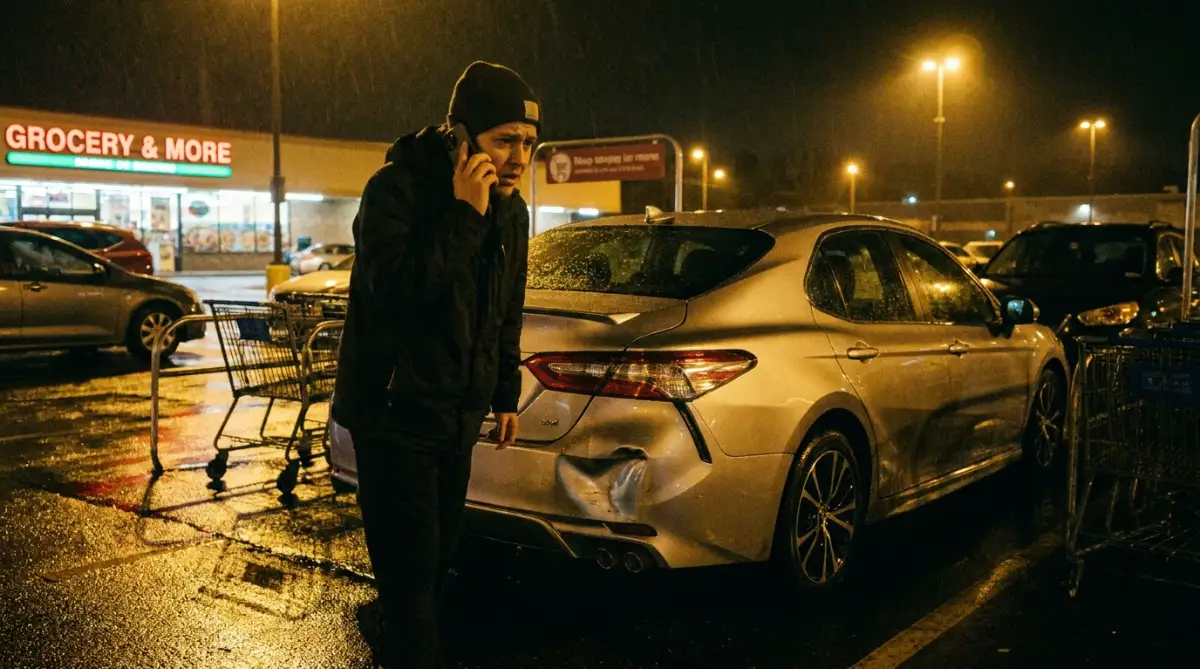
- The Situation: You walk out of the grocery store and find your bumper completely crushed. No note, no cameras.
- Your Action: Do NOT drive home! Call the non-emergency police line immediately while still standing in the parking lot.
- Why? Insurance companies deny almost 90% of hit-and-run claims if you leave the scene before filing an official police report.
Pro Tip: I learned the hard way that insurance companies are deeply suspicious of hit-and-run claims without official proof. My biggest advice is to call the police to the scene immediately, even if the damage seems minor, because a formal police report is the golden ticket to getting your UM claim approved without a fight. If you do not have that piece of paper, your own insurance company might actually deny your claim entirely.
The Truth About Phantom Vehicles
Sometimes a hit-and-run does not involve a direct physical collision at all. Imagine a reckless driver swerving wildly into your lane, forcing you to crash into a guardrail to avoid hitting them. The reckless driver never touches your car, but they cause the accident and speed away.
Insurance professionals call this highly frustrating situation a "phantom vehicle" scenario. It is one of the most misunderstood aspects of the auto insurance world. Many drivers mistakenly believe they have no options because the other car never made physical contact.
However, a well-structured uninsured motorist policy often protects you even in these miss-and-run situations. You will need strong independent evidence, like a friendly witness or clear dashcam footage, to prove the phantom vehicle actually existed. Once proven, your coverage steps in just as if they had rear-ended you directly.
Watch This Expert Breakdown on Filing Your Claim Successfully
If you want to guarantee your insurance company takes your hit-and-run claim seriously from day one, you must gather the right evidence immediately. Check out this highly detailed visual guide below that explains the exact steps you must take before moving your car from the accident scene!
Defeating Common Insurance Myths
There are so many dangerous rumors floating around about how auto claims actually work. One of the biggest myths is that your monthly premium will automatically skyrocket if you file a hit-and-run claim. People are so terrified of rate increases that they pay for repairs out of their own pockets.
The honest truth is much more comforting and logical. Because a hit-and-run is legally considered a "not-at-fault" accident, many insurance providers are restricted from raising your rates just for using your UM coverage. You are simply utilizing the specific protection you have been paying for all along.
Another major misconception is that standard full coverage automatically includes complete uninsured motorist protection. People assume "full coverage" is a magic blanket that handles every possible disaster. In reality, UM is often an optional add-on that you must actively request and verify on your declaration page.
The True Cost of Being Underinsured
Let us look at a very practical, real-life comparison to understand the value of this coverage. Imagine you decline UM protection to save a tiny five dollars on your monthly insurance bill. A month later, a careless driver sideswipes your parked car overnight and destroys the entire driver-side door.
Without UMPD, you are entirely responsible for paying the body shop two thousand dollars to replace the door. If you use your standard collision coverage instead, you still have to pay your heavy five-hundred-dollar deductible first. You end up losing a massive amount of money just because you tried to save the cost of a cup of coffee.
Now imagine the exact same scenario, but you clearly have your uninsured motorist protection active. You file the police report, hand the paperwork to your agent, and the insurance company handles the rest. You might pay a tiny deductible, or nothing at all, keeping your savings completely intact.
The Psychological Relief Factor
We talk a lot about money, bills, and vehicle repairs, but we rarely talk about the human mind. The psychological trauma of an auto accident is heavy, and dealing with a hit-and-run makes it ten times worse. You feel betrayed by your fellow citizens and completely overwhelmed by the sudden chaos.
Having the right coverage acts like a deeply comforting safety blanket for your mental health. Knowing that your finances are protected allows you to focus entirely on your physical and emotional recovery. You do not have to spend your nights crying over spreadsheets and credit card limits.
When my accident happened, the only thing that stopped my panic attacks was a short phone call with my agent. Hearing the words "We have you fully covered for this" felt like a heavy boulder was lifted off my chest. That peace of mind is genuinely priceless when your world gets turned upside down.
Navigating the Claims Process Like a Pro
Filing a claim for an unseen driver requires a slightly different approach than a normal fender bender. You are essentially trying to prove a negative—that someone hit you and then vanished into thin air. Your insurance adjuster will naturally look for evidence to ensure you did not just back into a pole yourself.
This is why immediate documentation is your absolute best defense against a skeptical adjuster. Take dozens of photos of your car from multiple angles before you even drive it home. Photograph any paint transfer left by the fleeing vehicle, as this clearly proves another car was involved.
You should also look around the immediate area for local businesses or homes with security cameras. If a nearby camera caught the accident on video, it completely eliminates any doubt your insurance company might have. Collecting this evidence quickly shows your provider that you are organized, serious, and telling the absolute truth.
Why Basic Liability Will Never Be Enough
State minimum insurance laws are designed to protect other people from you, not the other way around. If you only carry basic liability insurance, you are practically driving around completely exposed to financial ruin. Liability coverage will not pay a single dime toward your own broken bones or your own smashed bumper.
It is absolutely terrifying to realize how many drivers on the road have zero insurance right now. When one of those uninsured drivers hits you and runs away, basic liability leaves you entirely helpless. You are forced to hire lawyers, sue a ghost, or drain your retirement accounts to survive.
By adding uninsured motorist coverage to your policy, you take your financial destiny into your own hands. You stop relying on the honesty and responsibility of complete strangers on the highway. You build a strong, independent financial fortress that stands tall no matter who crosses your path.
Building a Bulletproof Shield for Your Daily Commute
Understanding the basic mechanics of your auto policy is a great starting point, but true financial security requires a slightly deeper look. Most drivers simply accept whatever default numbers their local insurance agent types into the computer. They never realize they have the power to customize their own safety net to match their specific lifestyle.
To completely protect your family from irresponsible drivers, you need to think like an insider. There are several highly effective strategies that insurance professionals use to maximize their own coverage behind the scenes. Let us explore how you can upgrade your policy from a basic safety net into a totally impenetrable fortress.
The Secret Power of Stacking Your Limits
One of the most powerful and least understood features of the auto insurance world is something called "coverage stacking." If you live in a state that legally allows this practice, it is an absolute game-changer for your financial health. Stacking essentially allows you to combine the uninsured motorist limits for multiple vehicles on a single policy.
Imagine you own two cars, and you have fifty thousand dollars in bodily injury protection for each vehicle. If you choose to stack your policy, those limits are magically added together when an unseen driver hits you. This instantly gives you one hundred thousand dollars in total medical protection for a very tiny increase in your monthly bill.
Not every state permits this incredible financial tool, so you must specifically ask your agent if it is available in your area. Managing your auto insurance limits effectively requires a clear understanding of your overall financial health. This is remarkably similar to learning exactly how debt consolidation affects your credit score before making a major financial move.
Matching Your Liability Dollar for Dollar
A very common practice among budget-conscious drivers is to carry high liability limits but extremely low uninsured motorist limits. They want to protect their own assets if they cause a bad crash, but they completely forget to protect themselves. This creates a highly dangerous imbalance in your overall financial portfolio.
You should always aim to match your UM limits exactly with your standard liability limits. If you carry one hundred thousand dollars to protect a stranger you might accidentally hit, your own body deserves that exact same level of respect. Never value a stranger's medical recovery higher than your own family's well-being.
The "Skip UM Coverage" Quick Math:
Let's say a hit-and-run driver breaks your arm and totals your $15,000 car.
- Without UM Coverage: You pay $15,000 for a new car + $8,000 in hospital bills out of your own pocket. Total Loss = $23,000.
- With UM Coverage (Costing ~$5/month): You only pay a small $500 deductible. Total Loss = $500.
- Is skipping a $5 monthly fee really worth risking $23,000?
You want to carefully evaluate your policy's worth over the next five to ten years. In the business world, experts use specific metrics to measure CAC and LTV to predict long-term success. As a smart driver, you must measure your premium costs against the potential risk of encountering a reckless driver on the highway.
The Silent Witness Strategy
Even with the absolute best insurance policy in the world, proving a hit-and-run happened can sometimes feel like an uphill battle. Insurance companies are highly focused on fighting fraud, which means they heavily scrutinize claims involving ghost drivers. You need a way to instantly shut down their doubts and fast-track your repair checks.
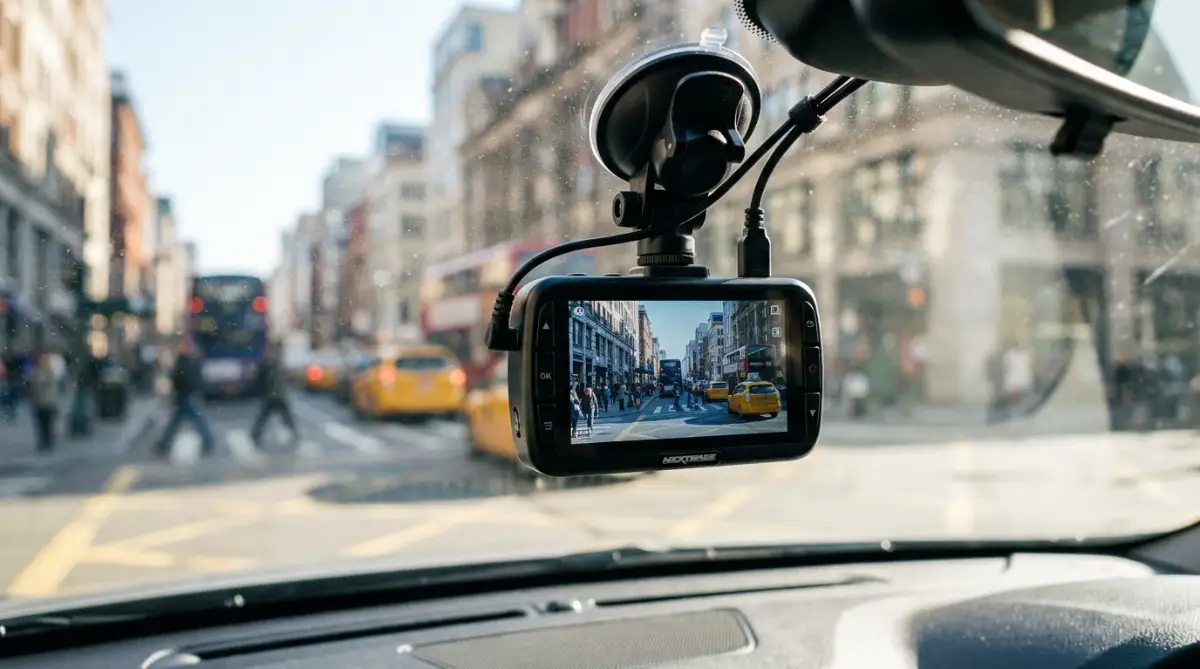
Investing in a high-quality, dual-facing dash camera is the smartest fifty dollars you will ever spend on your vehicle. A dashcam acts as a silent, completely unbiased witness that records exactly what happened in high definition. When you hand a crystal-clear video file to your claims adjuster, the investigation phase ends almost immediately.
Organizations like the National Highway Traffic Safety Administration (NHTSA) constantly highlight how video evidence drastically improves traffic safety investigations. When the adjuster sees the fleeing driver's license plate on your camera, they might even be able to track down the guilty party. If they find the other driver, your insurance company will successfully get their money back, and your driving record remains completely spotless.
Dangerous Blunders That Will Cost You Thousands
Knowing what to do after a scary collision is incredibly helpful, but knowing exactly what to avoid is equally important. When adrenaline is pumping through your veins on the side of a busy highway, it is so easy to make a small error in judgment. Unfortunately, in the strict world of auto insurance, one tiny mistake can result in a completely denied claim.
I have seen countless honest, hardworking people accidentally destroy their own chances of getting a fair payout. They usually make these critical errors because they are trying to be polite, or because they simply panic under immense pressure. Let us break down the most toxic mistakes you must actively avoid if someone suddenly damages your car and speeds away.
The Silent Adrenaline Trap
The human body is an amazing machine that immediately masks physical pain during highly traumatic events. Right after a violent crash, your brain floods your system with massive amounts of adrenaline to help you survive the shock. Because of this natural chemical reaction, you might step out of your smashed vehicle feeling completely fine and healthy.
This leads to the single biggest mistake victims make: refusing immediate medical attention at the scene of the crash. You might tell the police officer you feel perfectly fine, only to wake up three days later with severe, agonizing neck pain. If you delay going to a doctor, the insurance adjuster will strongly argue that your injuries are totally fake or unrelated to the collision.
Modern technology is amazing, and just like artificial intelligence is transforming healthcare diagnostics to find invisible ailments, a quick trip to an emergency room doctor will uncover hidden accident injuries. Always let the paramedics check your vitals, and follow up with your primary doctor the very next morning to properly document your physical state.
The Delayed Police Report Disaster
Sometimes a hit-and-run does not happen on a busy freeway; it happens silently in a dark grocery store parking lot. You walk out with your shopping bags and find a massive, ugly dent completely caving in your rear passenger door. Because there are no immediate injuries, many people simply drive home in a horrible mood and plan to call their agent later.
Driving away from that parking lot without calling the local authorities is a massive, incredibly expensive mistake. Almost every single insurance provider requires a formal, stamped police report filed within twenty-four hours of discovering the damage. If you wait three days to report the parking lot incident, your provider has every legal right to deny your property damage claim entirely.
According to data heavily researched by the Insurance Information Institute (III), the frequency of parking lot hit-and-runs is shockingly high across the country. You must protect yourself by treating a parked car collision exactly like a highway crash. Call the non-emergency police line, wait patiently for an officer to arrive, and get a physical copy of that incident number before you turn your key.
The Full Coverage Illusion
There is a highly dangerous myth floating around the internet regarding the term "full coverage" auto insurance. Millions of drivers genuinely believe that checking the full coverage box automatically shields them against absolutely every disaster on the planet. This false sense of security leads to absolute heartbreak when a careless driver totals their sedan.
In reality, full coverage simply means you carry state-mandated liability, plus standard collision and comprehensive protection. Uninsured motorist coverage is completely separate, and in many regions, you must manually select it from a drop-down menu. Assuming you are automatically protected without actively reading your declaration page is a massive gamble with your life savings.
Fixing a smashed car out of your own pocket is stressful and financially devastating. However, recovering financially is entirely possible if you prepare early, much like following the right steps to build a brand on a tight budget when your initial resources are low. You must take the time to review your specific line items and verify the UM protection is visibly active on your current contract.
The Quick Settlement Trap
When you finally get your claim approved, the insurance company will likely try to wrap things up as quickly as possible. They might offer you a fast check for two thousand dollars to cover your immediate hospital visit and minor car repairs. When you are feeling highly stressed and overwhelmed by bills, accepting fast cash feels like a massive relief.
Signing a rapid settlement release means you completely forfeit your right to ask for a single penny more in the future. If you need sudden physical therapy for a lingering shoulder injury two months later, the insurance company will simply ignore your calls. Never sign a final medical settlement release until your trusted doctor officially clears you and confirms you have reached maximum physical recovery.
Organizations that advocate for consumer rights, like the experts at Consumer Reports, consistently warn drivers to never rush the medical side of an auto claim. Filing your claim correctly requires strict organization and immense patience. Staying organized is much easier when you follow structured systems, similar to using proven project management frameworks for software teams to keep a chaotic situation running smoothly.
Taking Charge of Your Financial Safety
Surviving a hit-and-run is undeniably one of the most frustrating and anger-inducing experiences a driver can ever face. You are left dealing with police officers, auto body shops, and medical bills simply because someone else lacked basic human decency. However, you do not have to remain a helpless victim in this stressful scenario.
By understanding the exact mechanics of your auto policy, you actively take your power back from the reckless drivers on the road. You stop relying on luck, and you start relying on a solid, unbreakable financial contract that prioritizes your family's health. Your insurance policy is an invisible armor that rides in the passenger seat with you every single day.
The auto insurance environment changes incredibly fast, and you must proactively adapt your coverage to match your growing life. This required adaptability is the exact same mindset you need when applying agile methodologies to skyrocket remote startup growth in an unpredictable business world. Always be prepared, stay deeply organized, and never hesitate to demand the protection you faithfully pay for every single month.
I know firsthand how overwhelming a wrecked car can feel when you are standing completely alone on the side of a dark road. My absolute best advice for you is to pull out your current policy paperwork tonight, grab a cup of coffee, and make completely sure this invisible shield is actively turned on. You have the total power to protect your hard-earned peace of mind, so take that proactive step today and drive with total confidence tomorrow.
Common Questions About Phantom Driver Claims
Will filing this type of claim make my monthly insurance bill go up?
In most situations, filing a claim for an unseen driver will not cause your monthly premium to drastically increase. Because a hit-and-run is legally classified as a "not-at-fault" incident, state regulations often strictly prevent your insurance provider from punishing you. However, you should always double-check your provider's specific rules, as claim frequency can sometimes impact your good driver discounts.
Do I still have to pay my deductible if the other driver ran away?
This heavily depends on the specific rules of your local region and how your personal policy is structured. Some states offer a specialized Uninsured Motorist Property Damage (UMPD) waiver that completely erases your deductible if you can solidly prove it was a hit-and-run. If that waiver is not available in your area, you will generally pay a significantly lower deductible than you would for a standard collision claim.
How long do I actually have to report a phantom driver incident?
Time is your absolute biggest enemy when dealing with an unseen or phantom driver collision. Most major insurance providers mandate that you officially file a police report and notify your agent within twenty-four to forty-eight hours of the crash. If you intentionally wait a week to report the damage, your claims adjuster will likely deny your request due to a massive lack of immediate evidence.
What happens to my claim if the police eventually catch the fleeing driver?
If the local authorities miraculously track down the guilty driver using camera footage or witness statements, it is actually great news for you. Your insurance company will use a legal process called subrogation to aggressively demand their money back from the guilty driver's insurance provider. If they successfully recover the funds, they will also refund the specific deductible money you paid out of your own pocket.
Disclaimer: The information provided in this blog post is strictly for educational and informational purposes only and should not be considered professional financial or legal advice. Auto insurance laws, coverage limits, and state regulations vary significantly depending on your specific location and provider. We strongly recommend speaking directly with a licensed insurance agent or legal professional to discuss the exact details and requirements of your personal auto insurance policy before making any coverage decisions.
![The Ultimate Guide to Surviving Estate Settlements [Step-by-Step]](https://vimex24.com/storage/uploads/blogs/1789115850_the-ultimate-guide-to-surviving-estate-settlements-step-by-step.webp)
![7 Hidden Secrets to Navigating Complex Estate Payouts [Avoid Family Drama]](https://vimex24.com/storage/uploads/blogs/1789114950_7-hidden-secrets-to-navigating-complex-estate-payouts-avoid-family-drama.webp)