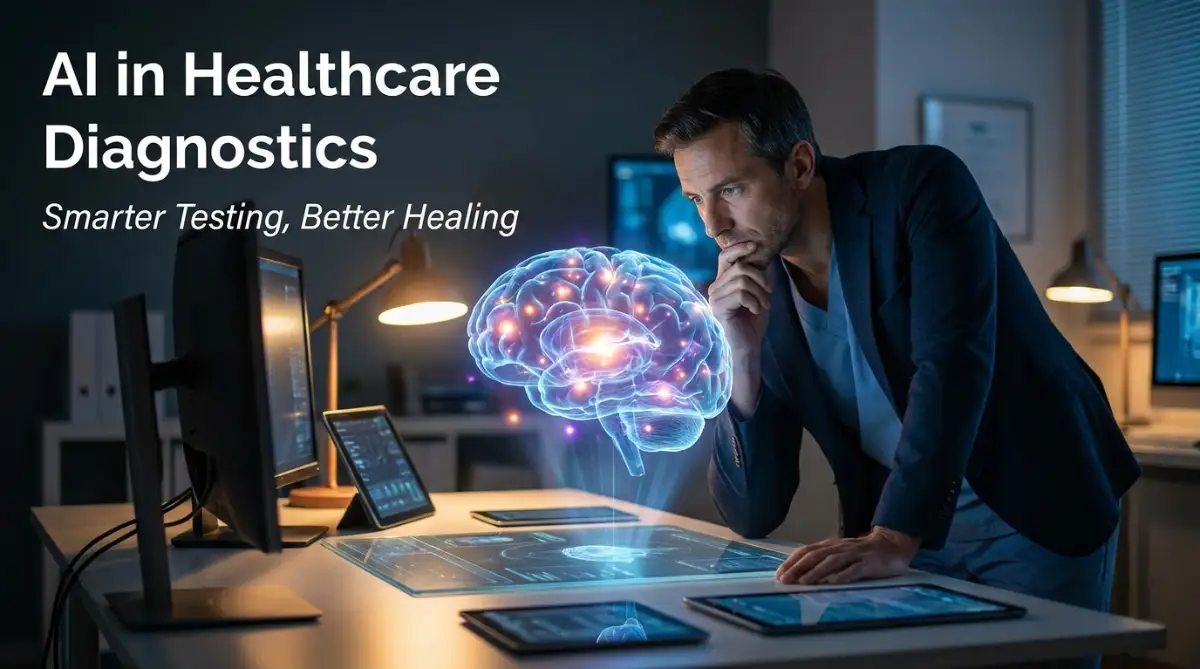
The Terrifying Anxiety of Waiting for Medical Results
Sitting in a paper gown on a crinkly hospital bed while waiting for test results is pure torture. Every time the door handle clicks, your stomach does flips. I have spent days pacing around my house, jumping at every phone ring, just wondering if I was actually okay. But what if you did not have to wait a whole week to find out what is going on inside your body?
I had just completed a routine scan, but the doctor told me it would take a few days to get the final report. Those next few days were some of the longest and most stressful moments of my entire life.
Every single time my phone rang, my heart would jump into my throat. I completely lost my appetite, and my sleep was broken by constant worry.
I kept thinking about what might happen if they found something serious, or worse, if they missed something entirely. This intense fear of the unknown is something I never want to experience again.
Sadly, this exact same struggle happens to thousands of normal people every single day. You go into a clinic hoping for a quick answer, only to be told that you must wait weeks for a specialist to review your files.
This waiting game completely destroys your daily peace of mind. You cannot focus on your job, you snap at your family members, and your overall happiness just drops to zero.
Delayed medical answers mean delayed treatments, which often causes a simple health issue to turn into a massive emergency.
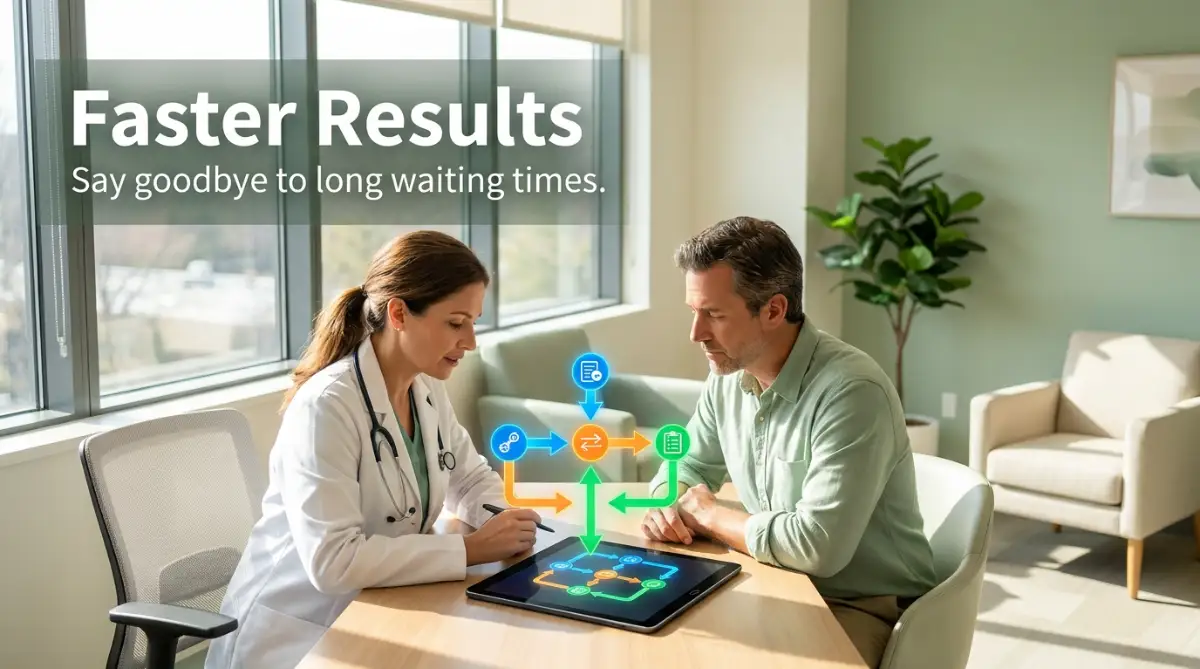
Your Quick Guide to Smarter Health Screenings:
- Faster Answers: Modern software scans your tests in minutes, cutting out days of stressful waiting.
- Catch It Early: Smart tools spot tiny changes in your blood or x-rays long before you actually feel sick.
- You Are Still the Boss: A computer highlights the problem, but your real human doctor makes the final call.
- Speak Up: Always ask your local clinic if they use digital assistance to double-check their lab work.
How Smart Algorithms Are Rewriting the Rules of Patient Testing
We all know that getting sick is scary enough without having to fight a slow medical system. The good news is that smart computers are completely changing how doctors look at our health.
Instead of relying entirely on tired human eyes, hospitals are now using advanced software to scan your medical files in seconds. This means you get your answers much faster than before.
Think of it like having a super-powered magnifying glass that never gets sleepy. These smart tools can spot tiny changes in your blood or bones that a regular person might easily miss.
This is incredibly important for catching diseases before they actually make you feel sick. When doctors find a problem early, your chances of getting better jump up significantly.
Speeding Up the Review of X-Rays and Scans
One of the biggest delays in hospitals comes from checking imaging tests. Radiologists have to stare at hundreds of black-and-white pictures every single day.
Because they are humans, their eyes get tired, and their focus can drop after a long shift. Now, smart computers act like a helpful assistant that highlights suspicious areas on the screen.
When you get a scan, the software instantly compares your picture to millions of other medical images. It draws a bright red box around anything that looks unusual.
The doctor still makes the final call, but the computer points them in the exact right direction immediately. This teamwork reduces human error and makes the whole process so much safer for you.
My Personal Checklist for Scan Day:
- Ask the tech if they use smart software to pre-screen the images.
- Request a digital copy of the scan for my own home records.
- Double-check when my actual doctor will review the flagged areas.
- I always bring this short list with me. It keeps me from forgetting things when I am nervous
Spotting Silent Diseases Before Symptoms Appear
Many dangerous health conditions stay completely hidden until they become serious. High blood pressure or early heart issues often do not show any clear signs.
Advanced software can now track small patterns in your regular check-ups over a long period. It notices tiny shifts in your numbers that suggest a problem is slowly growing.
For example, the system might notice that your blood sugar is rising just a tiny bit each month. A doctor might not worry about a small jump, but the computer knows the historical pattern.
It flags your file and warns your doctor to take action right away. This early warning system is literally saving people from heart attacks and strokes.
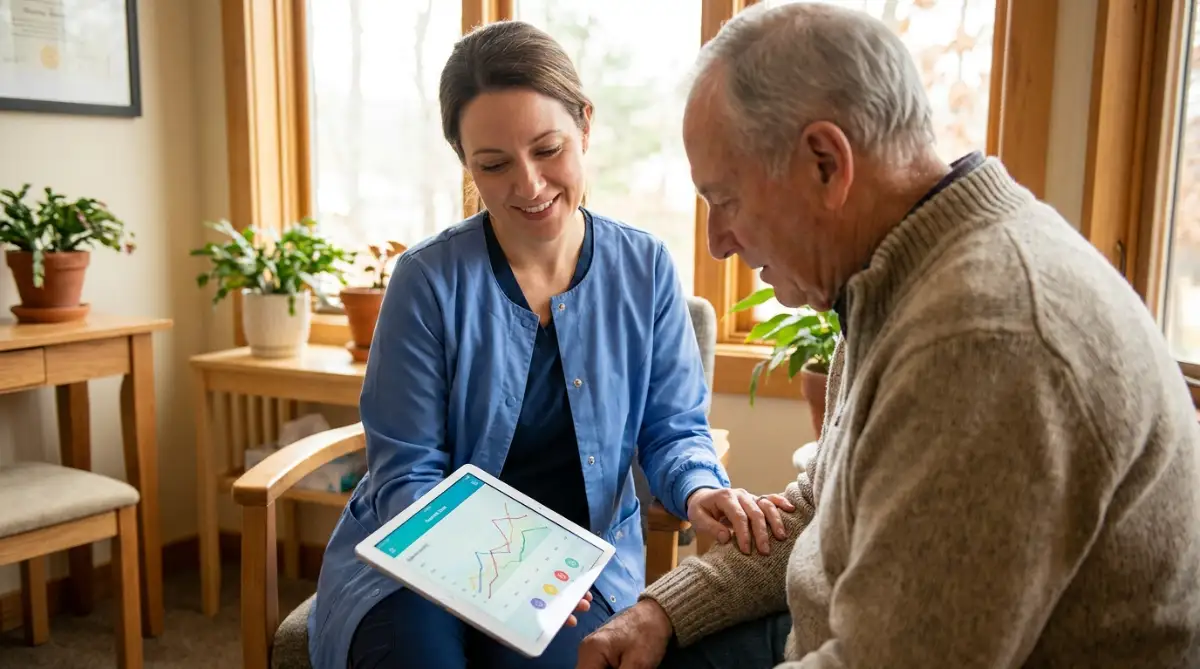
Did You Know?
A recent health study showed that combining a human doctor's experience with smart screening software catches tiny hidden anomalies significantly faster than a doctor working completely alone. It is basically like giving your local physician a pair of magic x-ray glasses.
Check out this amazing breakdown of how modern technology is changing patient care:
A Quick Look at the Changing Medical System
If you are wondering exactly how these new tools compare to the old way of doing things, you are not alone. Sometimes it helps to see the direct differences side by side.
Here is a simple breakdown of how testing is getting better for you:
This shift does not just save time; it saves the emotional energy of the patient. Knowing your tests are being double-checked by a powerful machine brings a huge sense of relief.
Real-Life Proof That Smarter Care Actually Works
It is easy to talk about amazing new tools, but you probably want to know how this helps normal people in real life. Let us look at how this technology steps in during everyday medical situations.
Imagine a worried mother bringing her child to the emergency room with a strange cough. In the past, they would sit there for hours waiting for someone to read the chest X-ray.
Today, the moment the X-ray is taken, the computer analyzes it and pushes the most urgent cases to the top of the doctor's list.
If the software spots signs of severe pneumonia, a loud alert is triggered on the doctor's tablet. The mother gets an answer right away, and the child gets medicine immediately.
Why Your Regular Blood Tests Are Getting Smarter
We all hate getting our blood drawn. But what if one single blood test could tell you ten times more about your body than it used to?
Smart diagnostic tools are now deeply connected to laboratory machines. When your blood goes into the machine, the software does not just count your cells.
It looks for complex protein patterns that indicate hidden infections. This means you do not have to keep going back for more needle pokes to figure out what is wrong.
I learned a very powerful lesson about trusting this new system recently.
My Personal Pro Tip: I used to get annoyed when my doctor spent more time looking at his tablet than looking at me during my visit. Then I realized the tablet was actively running my symptoms through a smart database to ensure he did not miss a rare condition. Now, I always ask my doctor to explain what the computer is showing him, which makes me feel incredibly involved in my own health journey!
Breaking Down Common Fears About Automated Care
Whenever people hear about computers taking over medical tasks, they naturally get a bit nervous. You might be thinking that a robot is going to replace your trusted family doctor.
Let me be perfectly clear: this is a completely false idea. The technology is not designed to replace human beings at all.
Instead, it is designed to take away the boring, repetitive tasks so your doctor can spend more time actually talking to you.
Think of the computer as an incredibly smart medical assistant that works in the background. It organizes the files, checks the math, and highlights the important details.
Myth vs. Reality in Modern Health Screenings
There is a lot of confusing information out there, so let us clear up a few common misunderstandings right now.
Myth: The computer makes the final decision on whether you need surgery or strong medicine.
Reality: The software only provides strong suggestions based on data. A licensed, experienced human doctor always makes the final treatment decision.
Myth: This new technology is only available in super expensive, private hospitals for rich people.
Reality: These tools are rapidly becoming standard practice in regular clinics and local hospitals because they actually save money by reducing mistakes.
Myth: Your personal health data is being shared with everyone on the internet.
Reality: Medical algorithms operate under incredibly strict privacy laws. Your name is usually removed from the data before the computer even looks at your scan.
When you understand the reality behind these tools, the fear quickly disappears. You start to see them as a powerful shield protecting your health.
Taking Control of Your Health Journey Today
So, how does all this information actually help you right now? It means you can start expecting a higher standard of care from your local clinic.
You do not have to sit quietly and accept a two-week wait for a basic test result anymore. You have the right to ask your healthcare provider if they are using smart tools to double-check their work.
Start having open conversations with your medical team during your next check-up. Ask them how they manage test results and if they use any digital assistance for complex scans.
Just by asking these simple questions, you show that you are an educated patient who demands the best possible care.
What to Ask Your Doctor at Your Next Visit
Here are a few extremely easy questions you can ask your doctor next time you need a medical test.
First, ask them, "Does your lab use any automated software to speed up the reading of these results?" This lets them know you care about efficiency.
Second, if you get an imaging scan, ask, "Do you use any digital tools to double-check the final images?"
Finally, if they suggest a treatment plan, you can gently ask, "Are there any smart diagnostic tests available that might give us a clearer picture before we start?"
Taking these small steps makes you an active player in your own healing process. You become someone who uses modern advancements to secure a healthier, happier future.
Looking Forward to Stress-Free Doctor Visits
The days of biting your nails in a terrifying waiting room are slowly coming to an end. We are moving toward a future where going to the doctor feels just like a quick, routine check-in.
Because computers are handling the heavy lifting of data analysis, your doctor will soon have much more time to just listen to your concerns.
They can look you in the eye, hold your hand, and offer true comfort, knowing the technical details are already sorted out.
This combination of brilliant software and warm human empathy is exactly what patient care should be. You deserve fast answers, you deserve accurate results, and most importantly, you deserve total peace of mind.
Getting the Most Out of Smart Medical Care (Advanced Strategies)
When you walk into a modern clinic, you want to make sure you are getting the absolute best care possible. You do not have to just sit there and hope the doctor is using the latest technology on your file. You can actually take smart, proactive steps to ensure your personal health data is perfectly ready for these advanced systems. Let me share some highly effective expert secrets on how you can use this shift in medicine to your advantage.
First, you must understand that smart screening software relies heavily on good, continuous data to make accurate predictions. If your doctor only sees you once every twelve months, they only have a tiny, incomplete snapshot of your life. You can fix this missing gap by tracking your own health metrics at home using modern wearable devices.
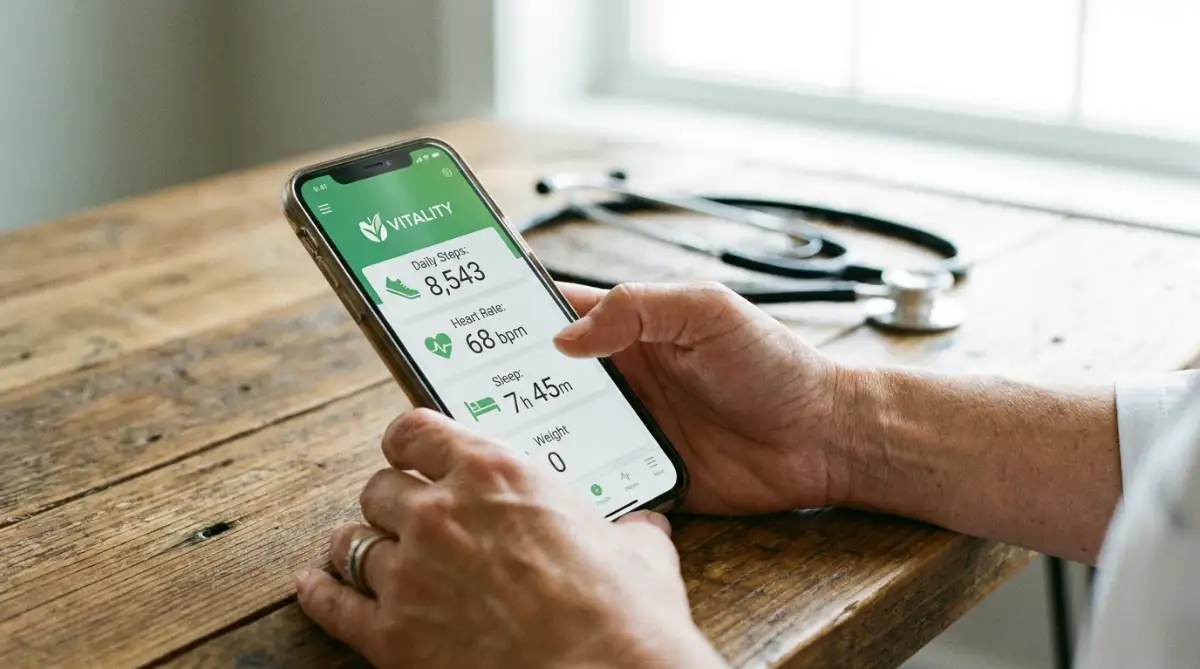
Many people wear smartwatches that easily track heart rates, daily sleep patterns, and daily steps. This might seem like just a fun everyday gadget, but it is actually a massive collection of personal health data. You should actively ask your doctor if you can securely share your daily wearable data with their official patient portal.
Think about how carefully you monitor your smartphone to ensure it does not die during a busy day. Understanding the science of phone batteries and how to make yours last for years is actually very similar to understanding your own body's daily energy levels. Tracking your sleep and resting heart rate helps the medical software see your long-term physical energy patterns clearly.
Another pro-level secret is organizing your entire medical history into a clean, easy-to-read digital format. Doctors using advanced screening tools often need your past records to establish a healthy baseline for comparison. If you walk into an appointment with a messy pile of old paper records, the system cannot read them quickly.
Take a weekend to scan your old blood test results and save them as digital files on a secure drive. It is almost like learning 7 simple steps to create your first digital product and sell it fast; you are neatly packaging your health history into a digital format that a computer can instantly analyze. When the software has your past five years of data, it can spot tiny, hidden trends that suddenly appear.
You should also make a strong habit of keeping a detailed symptom journal on your smartphone. When you feel a sudden sharp pain or intense dizziness, write down the exact time, what you just ate, and how long the pain lasted. Just like someone following 7 proven steps to start a writing business without prior experience, you must be highly disciplined and write things down clearly.
When you feed this exact timeline into the hospital’s secure patient portal, the diagnostic algorithm can spot hidden triggers easily. A human doctor might completely overlook that you only get headaches after eating certain foods, but the computer will catch it instantly.
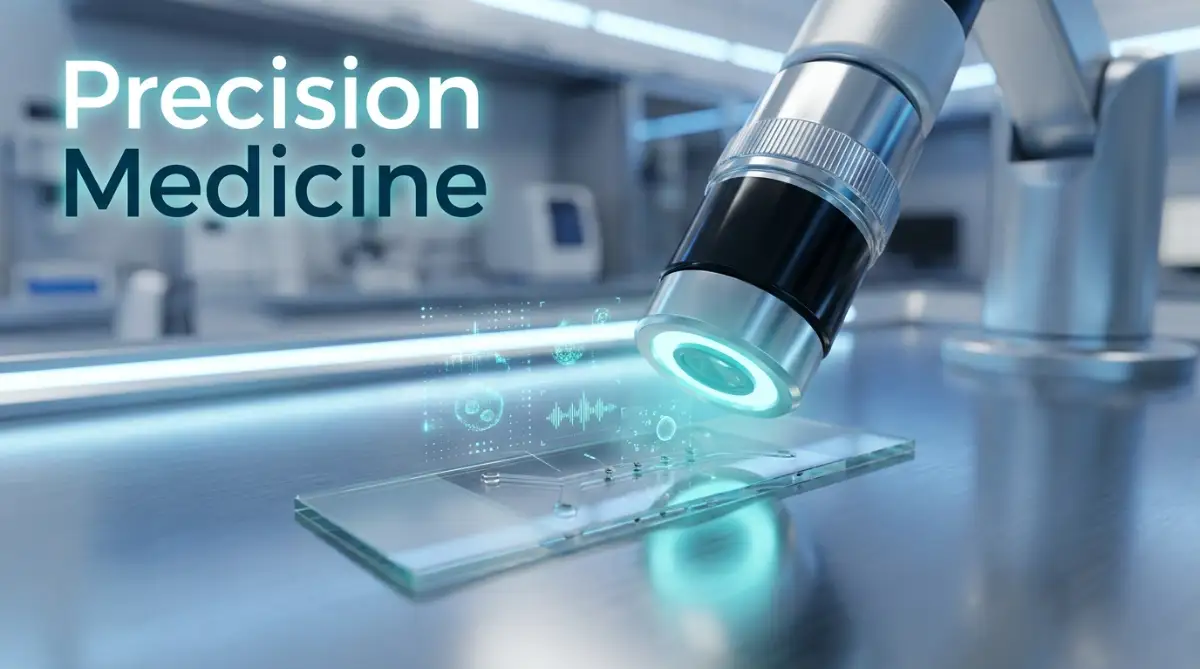
We also need to talk about requesting secondary digital screenings for highly serious conditions like cancer or bone diseases. If you ever need to get a biopsy or a complex MRI scan, you absolutely have the right to ask questions. You should politely ask your specialist, "Will this tissue sample be reviewed by digital pathology software?"
This very simple question ensures that your test gets a thorough second look by an automated, highly precise system. According to health policy experts at the World Health Organization (WHO), integrating digital health tools significantly reduces the chances of misdiagnosis by highlighting tiny cellular changes. You should always advocate for yourself and request these digital safety nets.
Always remember that maintaining a strong, continuous digital connection to your doctor's health portal is incredibly important for home monitoring. You do not want your wearable data to stop syncing with your doctor's office just because your home network is acting up. Learning how to stop persistent wi-fi drops in multi-story smart homes ensures your daily health data flows perfectly to your medical team without any sudden, scary interruptions.
Let us look at a real-life scenario of how a truly prepared patient handles a specialist visit today. Imagine a woman named Sarah who has been feeling unusually tired and weak for three full months. Instead of just walking into the busy clinic and saying "I feel sleepy," she comes highly prepared with clean data.
She has a verified sleep tracking app that shows exactly how many times she wakes up every single night. She exports this information and uploads it to her secure clinic app before she even leaves her house. When she sits down with the doctor, the smart software has already analyzed her sleep graphs and highlighted the main problem.
The computer immediately flags that her heart rate drops unusually low at 3:00 AM every single night. Because Sarah provided clean, continuous data, the doctor instantly orders a specific breathing test for sleep apnea. This is the ultimate secret to getting the absolute best possible care in our modern medical system.
You must become an active partner with the technology rather than just sitting back as a passive patient. By providing clear, accurate digital information, you give the algorithms the exact fuel they need to find the root cause of your illness.
If you are worried about the privacy of sharing all this deeply personal information, you are completely justified in your concern. However, trusted medical institutions use extremely high-level encryption to protect your identity from hackers. You can always check the strict guidelines provided by the U.S. Food and Drug Administration (FDA) to understand exactly how medical software is legally required to protect your data.
Dangerous Traps When Using Digital Health Tools
Even though modern technology is incredibly helpful, many normal people fall into dangerous traps when trying to manage their own health. The biggest and most terrifying mistake is relying on basic internet search bots instead of actual medical-grade software. We have all done it; you feel a weird pain in your stomach, and you immediately search for your symptoms online.
Within five minutes, a random website convinces you that you have a rare and entirely incurable disease. This causes massive unnecessary panic, ruins your mental health, and completely destroys your peaceful weekend. Basic internet bots are absolutely not the same as the smart, regulated diagnostic tools used in professional hospitals.
Professional clinical tools are strictly tested by experts and heavily regulated by organizations like the American Medical Association (AMA), ensuring they actually work safely on real patients. Trusting a random website over a verified medical system is a massive error that you must avoid.
Another huge mistake is blindly trusting a smart wearable device while completely ignoring your own body's warning signs. Let us say your expensive smartwatch tells you that your daily heart rate is perfectly normal today. However, you are sitting on your living room couch feeling incredibly dizzy, short of breath, and heavily sweating.
Some people will look at their watch and think, "Well, the device says I am fine, so I will just ignore this feeling." This is a terrible, life-threatening decision that happens way too often these days. Technology is amazing, but it can sometimes glitch, lose battery power, or simply fail to measure a specific internal problem.
You know your own body better than any piece of plastic or screen ever will. If you feel terribly sick, you must go to an emergency room or a doctor immediately, regardless of what a screen tells you.
I have personally seen people completely stop visiting their doctors because they truly think their health apps will alert them if something goes wrong. They casually skip their annual check-ups and avoid routine blood tests just to save a little bit of time and money. This completely defeats the entire primary purpose of smart medical screening.
The software desperately needs fresh, professional lab results to track your long-term health properly. Without new blood tests and professional physical exams, the computer has absolutely no new information to analyze. You could easily have a silent condition developing inside your body, and your phone app will never know about it.
You must use these helpful digital tools alongside regular, in-person visits with a trusted human medical professional. They are meant to work together as a team, not to replace one another completely.
Additionally, many people quickly download random, unverified health apps from the app store just because they are completely free. These free apps almost always have terrible privacy policies and legally sell your personal medical data to unknown third-party advertisers. They also use very cheap, highly inaccurate algorithms that give you completely wrong and sometimes dangerous health advice.
Always ask your actual licensed doctor to recommend highly secure, verified applications that connect directly to their official patient portal. By doing this, you actively keep your personal data safe and ensure the medical advice you receive is actually accurate. Avoid the tempting trap of cheap digital shortcuts when it comes to your precious physical well-being.
Your Health Journey Starts Today (Action Plan)
Taking total control of your personal medical care does not have to be a scary, complicated, or overwhelming process. You now deeply understand exactly how advanced software is making tests much faster, significantly safer, and highly accurate. You no longer have to live in deep fear of endless waiting times or terrifying missed diagnoses.
Your next step toward better health is incredibly simple and highly effective. Call your local medical clinic this week and politely ask them how you can access your digital patient portal. Take just one hour of your weekend to set up your account, upload your past medical history, and sync any wearable devices you might own.
Small, focused actions today build a powerful, unbreakable shield of protection around your health for tomorrow. When you walk into your very next medical appointment, you will not feel like a helpless victim of a slow, broken system. You will walk in with your head held high as a confident, highly prepared individual who knows exactly how to get the best care.
Embrace these wonderful new tools, constantly ask smart questions, and build a strong, communicative partnership with your doctor. I truly believe that deeply understanding these medical advancements gives us the amazing power to live much longer, healthier, and happier lives.
My Personal Pro Tip: My own health journey changed completely when I stopped fearing the complex technology and started actively using it to ask my doctor better questions. You hold the exact same amazing power in your hands right now, so please take that first positive step today and secure your ultimate peace of mind!
Common Questions About Smart Medical Care
Will smart software completely replace my human doctor?
No, this technology is definitely not built to replace your trusted human doctor. It simply acts like a super-smart assistant that handles all the heavy data reading and highlights potential issues. A licensed, experienced human doctor will always make the final decisions about your actual treatments.
Are these advanced automated tests more expensive than regular ones?
In most common cases, they do not cost you any extra money out of pocket. Many local clinics and modern hospitals include this software in their standard testing process because it actually saves them time and prevents costly mistakes. You should always check with your personal insurance provider just to be totally safe.
How safe is my private medical information with these systems?
Your private medical data is heavily protected by extremely strict federal privacy laws and high-level digital encryption. When hospitals run large data analysis, they usually strip away your name and personal details completely. However, you should strictly avoid downloading unverified, free medical apps from the internet.
Can these digital systems detect serious diseases like cancer earlier?
Yes, early detection is actually one of the biggest and most exciting benefits of this modern software. The algorithms can easily spot tiny cellular changes in your scans or blood tests long before a human eye ever could. Catching these hidden issues early drastically increases your overall chances of a fast and full recovery.
Do I need to buy expensive smartwatches to get good care?
You absolutely do not need to buy any expensive gadgets to receive highly excellent medical care. The most powerful diagnostic software is used directly by the hospital on their own lab machines and imaging scanners. Wearables just offer a nice little bonus of extra daily data if you choose to use them.
What should I do if my local doctor does not use modern digital tools?
You can start by simply having a friendly, open conversation with them about their testing methods during your next visit. If they are completely unwilling to upgrade their basic safety systems, you always have the right to seek a second opinion. Finding a modern clinic that values highly efficient technology is a great step for your long-term health.
Disclaimer: The information provided in this blog post is for educational and informational purposes only and is not intended as medical advice. Always consult with a qualified healthcare professional or your licensed doctor regarding any medical conditions, diagnoses, or treatment plans. Do not ignore professional medical advice because of something you have read on this website.