Why Making Money Online Feels So Hard for Beginners
Let’s face it. Trying to make money online feels like a massive headache when you are just starting out. You get bombarded with advice about coding, paid ads, or running complex stores, which only leaves you feeling stuck. But you don't need a giant budget or crazy tech skills to get your first win—you just need a simple digital product that helps someone solve a basic problem.
Millions of people wake up every day wishing they had a little more financial freedom. They feel stuck in a cycle of endless bills and growing stress. This constant worry about money takes a heavy toll on your mental health. It robs you of your sleep and makes you feel like you are failing your family.
Many try to find answers online, but they get hit with an endless wave of complex advice. They hear about coding, shipping physical items, or running expensive ads. This confusion leads to what experts call analysis paralysis. You spend weeks planning but never actually launch anything.
But there is a much simpler path that does not require a large budget or deep technical knowledge. Creating simple digital products allows you to packages what you already know into a small file. This file can be sold over and over again without any shipping costs. It is the cleanest way to break free from the cycle of struggle and make your first real progress online.
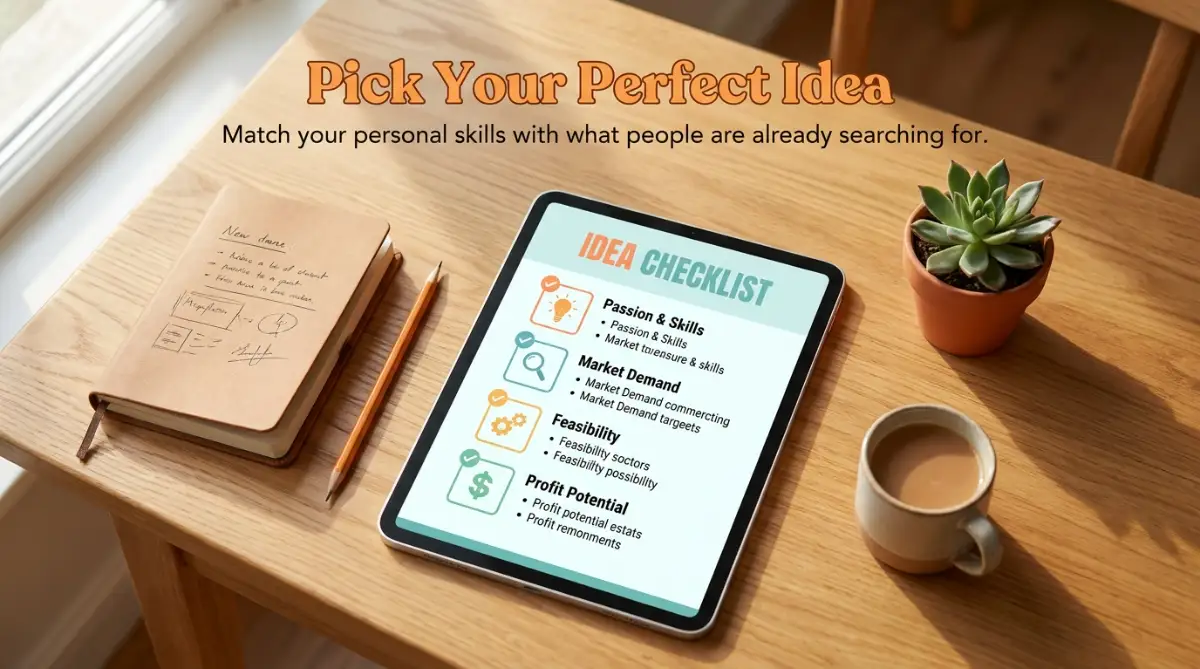
ThQuick Takeaways: Your Fast Path to Selling Online
If you are short on time, here are the core ideas you need to know from this guide:
- Start Small: Don't stress over writing a massive book. Build a 2-page checklist or a simple sheet tracker instead.
- Keep Costs at Zero: Use free tools like Google Docs and Canva for design, and platforms like Gumroad to sell without paying for hosting.
- Price for Quick Wins: Set your first product price between $1 and $9. Your goal right now is to build confidence, not to get rich overnight.
- Focus on Real Problems: People buy digital products to save time. Find one specific daily headache your audience has and write down the steps to fix it.
The Practical Roadmap to Creating Your First Digital Product
Uncovering Your Hidden Value without Feeling Unqualified
Many people believe they have nothing valuable to share with the world. This is a common mental block that keeps brilliant creators from ever getting started. The truth is, you do not need to be a university professor to help someone else. You only need to know slightly more than the person who is looking for a solution.
Think about a small problem you solved recently in your daily life or work. It could be a simple way you organize your family budget using a basic sheet. Or maybe you figured out a fast way to plan weekly meals for busy parents. These small solutions are exactly what other people are willing to pay for.
To make this easier to understand, let us look at how simple skills compare to actual products:
My first digital product was a total failure because I tried to make a huge ebook on a topic I barely knew. I wasted weeks trying to look like a massive corporate expert. Now, I always tell people to start with a simple checklist that solves just one tiny problem.
By starting small, you reduce your stress and get your work out into the world much faster. You do not need to spend months writing a massive book. Focus on one single problem and write down the steps to solve it.
The Simplest Formats That You Can Build Tonight
You do not need complicated software to design your very first digital product. The simpler your format is, the easier it will be for your customers to use. Beginners should focus on formats that can be opened on any device.
A basic PDF document is still the king of digital products. It is highly reliable, easy to download, and works on every smartphone and computer. You can create a PDF using free tools that you likely already use.
Another fantastic option is a simple spreadsheet template. If you know how to use basic formulas, you can create helpful trackers. People love trackers because they save time and keep life organized.
You can also think about creating printable wall art or flashcards for children. These are highly popular on visual platforms and require very little text. The key is to choose a format that you feel comfortable creating within a few hours.
Quick Myth vs. Reality Check
- Myth: You need to write a 100-page ebook to make sales.
- Reality: Most people actually prefer a 2-page checklist because it solves their specific problem in five minutes.
- Myth: You need a graphic design degree to make digital products look good.
- Reality: Free design templates on Canva do 90% of the work for you. You just need to keep your layout clean and readable.
Step-by-Step Design Using Free and Simple Tools
Now that you have an idea, it is time to build it without spending a single penny. You can use Google Docs to write out your helpful guide or checklist. Keep your sentences short and use bold headings to make the document easy to read.
Once your text is ready, you can import it into a free design tool like Canva. Canva offers hundreds of free templates designed specifically for PDFs and worksheets. You can easily drag and drop your text and choose a clean color scheme.
Make sure your fonts are easy to read and there is plenty of empty space on each page. A cluttered design will make your product feel cheap and hard to use. Keep your design professional by using only two or three matching colors.
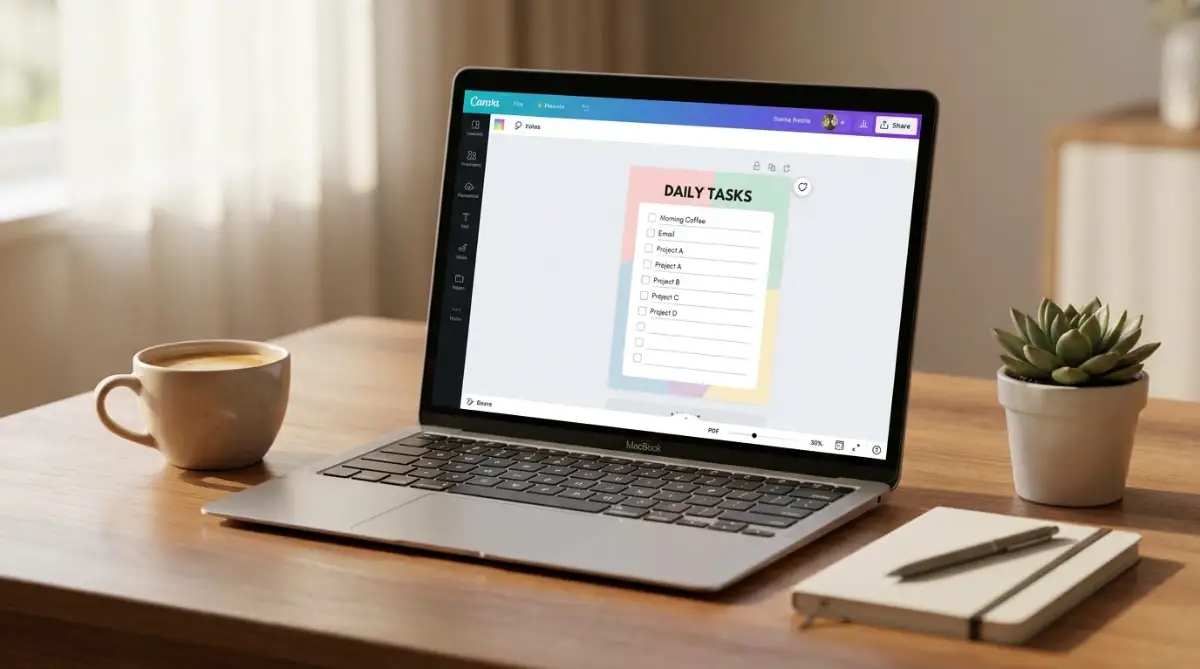
If you want to see exactly how to design a simple digital product in less than thirty minutes, watch this helpful video tutorial. This quick visual guide will show you how to use free tools to make your product look highly professional.
After you finish designing, always save your final file as a "PDF Print" document. This ensures that the quality remains high whether your customer reads it on a screen or prints it out. Always test the download on your own phone to make sure it looks perfect.
How to Set Up Your Store for Free in Ten Minutes
You do not need to build a complex website or buy expensive hosting to sell your products. There are free platforms designed specifically to help beginners upload and sell digital files. These platforms handle all the payments and deliver the files automatically.
One of the easiest platforms for beginners is Gumroad. It is free to set up, and they only take a small percentage when you actually make a sale. This means you have zero financial risk when starting out.
Another great option is Ko-fi, which allows you to set up a gorgeous shop in minutes. It connects directly to your PayPal or Stripe account so you get paid instantly. These platforms give you a simple link that you can share anywhere.
Choosing Your First Free Platform
To help you make the right choice, here is a quick breakdown of the two best free platforms for beginners:
Creating Your Product Listing
When you upload your product, you need to write a simple description. Do not try to sound like a professional salesperson or use complex jargon. Instead, explain exactly what problem your product solves and who it is for.
Use simple bullet points to show what is inside the file. For example, write "Includes a 3-page daily planner" or "Contains 5 pre-made email templates." This sets clear expectations and builds trust with your potential buyers.
Setting the Right Price for Your First Sale
Setting the price can be scary when you are a complete beginner. Many people make the mistake of pricing their products too high because they want to make big money fast. This often drives away early buyers who do not know you yet.
For your very first product, keep the price low, between one dollar and nine dollars. A low price makes it incredibly easy for someone to say yes to your offer. Your main goal right now is not to get rich, but to prove to yourself that someone will pay for your work.
Once you get your first few sales, your confidence will soar. You can always create bigger products and charge more money later. Start small, build momentum, and learn from your first group of buyers.
Finding Your First Customers without Spending a Dime on Ads
You do not need a massive marketing budget to find people who want your product. In fact, spending money on ads as a beginner is a quick way to lose your savings. Instead, go where people are already talking about the problem you solve.
Search for online groups, forums, or social media pages related to your topic. Read the questions that people are asking every day. Instead of posting links to your store, focus on writing helpful, detailed answers.
At the end of your helpful advice, mention that you have a free or low-cost guide that explains the solution in detail. This approach does not feel spammy because you are adding real value first. People will naturally click your link because you proved you know what you are talking about.
You can also share your creation journey on your personal social media accounts. Tell your friends and family why you created this product and how it helped you. Often, your first supporter will be someone who already knows and trusts you.
Understanding the Science of Why People Buy Digital Products
To make consistent sales, you must understand the psychology of your buyers. People do not buy digital products just to have more files on their computer. They buy them because they want to save time or avoid a headache.
The Time-Saving Value
Time is the most valuable resource we have in our busy lives. If your product saves someone three hours of research, it is easily worth five dollars to them. Always highlight how much time your buyer will save by using your pre-made solution.
The Specific Problem-Solving Aspect
General information is easy to find for free on search engines. But finding specific, ordered steps to solve a unique problem is highly difficult. Your product succeeds because it cuts out the noise and gives the reader a direct path to their goal.
Mindset Shifts Needed to Overcome Imposter Syndrome
The biggest hurdle to earning your first dollar is almost always your own mind. You might feel like an imposter or worry that people will laugh at your work. This is a completely normal feeling that almost every successful creator has faced.
Remember that you are not claiming to be the ultimate global expert on your topic. You are simply a helpful friend sharing a system that worked for you. If your checklist helps just one person save time, you have done a wonderful thing.
Do not wait for your product to be absolutely perfect before you launch it. A simple product that is launched will always help more people than a perfect product that sits on your hard drive forever. Put your work out there, remain open to feedback, and watch your skills grow.
Mastering the Digital Product Game: Advanced Secrets for Consistent Growth
Once you make your first sale, your entire mindset shifts. You realize that your ideas actually have real value in the online marketplace. To turn this initial success into a reliable stream of income, you need to think like a professional creator.
To grow your digital business step by step, you should follow a simple three-part customer journey:
- First step: Offering a free download or helpful checklist to get early attention.
- Second step: Sending a friendly email sequence containing real, actionable value.
- Third step: Offering your premium digital product to help them solve their main problem.
Transitioning to Value-Based Pricing Structures
The biggest secret to scaling your earnings is moving away from cheap products over time. While a three-dollar checklist is perfect for getting started, it is hard to live on those sales alone. You should eventually package several small files together to create a high-value bundle.
For example, if you sell a budget spreadsheet, you can add a video guide and a goal-setting workbook. Suddenly, your three-dollar product becomes a premium package that you can easily sell for twenty-nine dollars. This allows you to make more money with the exact same number of visitors.
You can also offer multiple packages on your checkout page to let the customer choose. Giving people a choice between a basic version and a deluxe version naturally increases your average order size. This simple trick is used by major companies because it works incredibly well.
Building an Email List from Day One
You do not own your social media followers, but you do own your email list. If a social platform changes its rules tomorrow, you could lose touch with your audience overnight. Building an email list is the single most important step for long-term survival online.
You can build this list by giving away a tiny sample of your work for free in exchange for an email address. Once someone downloads your free sample, you can send them helpful tips every week. This builds deep trust and makes them much more likely to buy your premium products later.
There are many free email tools that let you send automated messages to your readers. This means you only have to write your emails once, and they will send automatically to every new subscriber.
Navigating the Legal and Tax Space of Digital Sales
As your small business grows, you need to understand how digital transactions are treated by different governments. Selling online means your customers can be located anywhere in the world. Many regions require sellers to collect sales tax based on where the buyer lives [1].
For example, look at how the state of Washington manages digital goods tax guidelines for creators worldwide [1]. Knowing these rules early keeps your business safe and helps you avoid unexpected bills. Most modern checkout platforms will calculate and collect these taxes automatically for you.
To study how global markets are shifting toward digital economies, you can review the latest reports on global digital marketplace growth. Staying informed about these trends helps you position your brand ahead of the competition. It also gives you ideas about which international markets are growing the fastest.
Utilizing Free Professional Mentoring Services
You do not have to figure out this business journey entirely on your own. There are outstanding free resources designed to connect you with experienced business minds [2]. Using these resources can save you months of trial and error.
For instance, you can sign up for expert business counseling to get direct feedback on your product ideas [2]. Having a mentor look over your strategy can help you find areas where you might be losing sales [2]. It is a completely free way to get professional guidance from people who have built successful businesses.
Many new creators think they need physical office space to look professional. However, renting an office is an expensive mistake that often involves signing contracts with hidden traps in commercial leases. By staying virtual, you keep your costs close to zero and build a safer business.
If you ever feel the urge to borrow money to launch your digital store, make sure you look for smart ways to borrow money without assets safely. Most digital creators do not need loans at all because the startup costs are virtually non-existent. Keeping your overhead low is the best way to protect your peace of mind.
The Silent Killers: Dangerous Mistakes That Stop New Creators in Their Tracks
Falling Into the Trap of Endless Research
The most common mistake beginners make is spending months researching without ever creating a product. They read dozens of guides, watch hundreds of videos, and buy complex tools. They convince themselves that they are working, but they are actually just hiding from the fear of launching.
This behavior is a form of procrastination that will quickly drain your energy and excitement. Your product does not have to be perfect to start helping people. The fastest way to learn is to put a basic product online and see how real people react to it.
If you spend all your time studying, you will eventually feel overwhelmed and quit. Break this cycle by committing to creating a simple product in a single weekend. You can always update and improve your file after you receive real buyer feedback.
Building Products Without Talking to Real Buyers
Another massive mistake is spending weeks building a product without asking anyone if they actually want it. You might think you have a brilliant idea, but the market might disagree. Creating a product in a dark room is a recipe for silent launches and zero sales.
We can compare two different paths when starting out to see which one works:
- The Bad Strategy: Spending three months building a complex product in complete isolation, launching to a silent audience, and getting zero initial feedback or sales.
- The Good Strategy: Talking to real people first, identifying their actual daily struggles, and building a simple three-page solution.
Before you design a single page, talk to people in your target audience online. Ask them what their biggest daily struggles are and what solutions they have tried in the past. If nobody is complaining about the problem you want to solve, it will be very hard to sell your product.
Always build your product around existing pain points. Do not try to create a brand new need in the minds of your customers. Find a door that is already open and walk through it with a simple, helpful solution.
Making the Checkout Process Too Complicated
Your customers have very short attention spans and will leave if buying your product feels like hard work. If your checkout page requires ten different steps, you will lose most of your sales. Never force your buyers to create a complex account just to download a five-dollar file.
Keep your purchase form as short and simple as possible. Only ask for their name, email address, and payment details. The fewer fields they have to fill out, the higher your sales conversions will be.
Also, make sure your checkout page looks beautiful and works flawlessly on mobile phones. More than half of your traffic will come from people using their smartphones. If your buy button is too small or hard to click, your potential earnings will disappear.
Designing Files that Are Hard to Read on Mobile Screens
Many creators design their PDFs on a large computer screen and forget about mobile users. They use tiny fonts, complex double-column layouts, and heavy graphic files. When a customer opens the PDF on their phone, they have to constantly zoom in and out just to read a single sentence.
This creates a terrible user experience and guarantees that the customer will never buy from you again. Always design your digital products with a mobile-first mindset. Use single-column layouts and large, clear fonts that can be read easily on any screen.
Keep your file sizes small so they download instantly, even on slow mobile internet connections. If your document has high-resolution images, compress them before saving your final file. A fast, clean, and highly readable file builds immediate trust with your audience.
Worrying Too Much About Funding and Startup Capital
You do not need fancy equipment, paid advertising, or a team of developers to start. Using free tools and organic social media reach allows you to bootstrap your business safely. This keeps your risks incredibly low while you learn the ropes of online sales.
Once your store starts generating consistent profit, you can reinvest that money to scale. Avoid taking on debt to build a product that has not been proven in the market yet. Starting with zero budget forces you to be creative and build a truly resilient business.
Your Simple Plan for Launching Your First Digital Venture Today
Emphasizing Your Low-Risk Path to Success
To wrap up, creating digital products is one of the safest and most rewarding ways to make money online. You do not need to manage inventory, handle shipping, or deal with expensive overhead costs. Your only real investment is a few hours of your time and your willingness to help others.
By keeping your formats simple and focusing on real problems, you can bypass the confusion that stops most beginners. You do not need to be a famous expert to make your first dollar online. You only need to package your unique experience into a clear, usable guide.
Your Immediate Next Steps Checklist
To help you get started right now, follow this simple action plan this week:
- Brainstorm: Write down three tiny problems you have solved in your own life or work.
- Talk: Search online groups to see if other people are actively asking questions about those topics.
- Design: Create a simple 3-page checklist or guide in Google Docs using clear, easy-to-read language.
- Format: Convert your document into a clean, mobile-friendly PDF using a free Canva template.
- Publish: Upload your PDF to a free platform like Gumroad or Ko-fi and set a low price between three and five dollars.
- Share: Post helpful, detailed answers in online forums and share your store link with those who need help.
Remember that every giant business started with a single small action. The only difference between successful creators and everyone else is that they decided to take the leap.
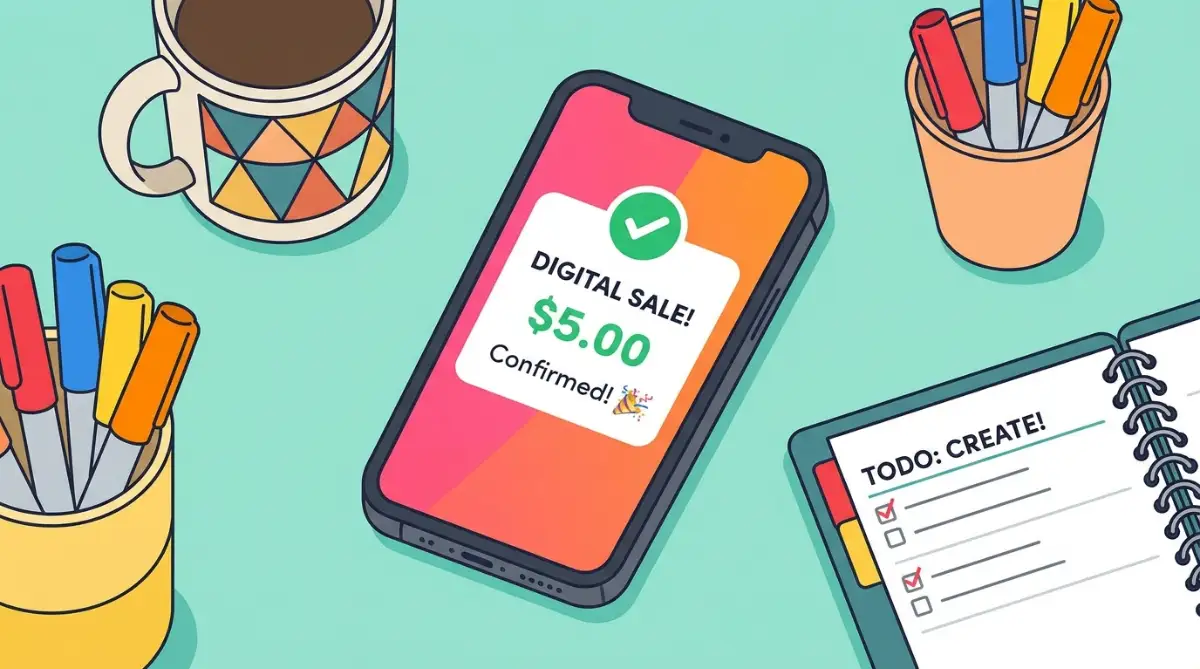
I still remember the incredible feeling of seeing my very first digital sale notification pop up on my phone screen. It was only a few dollars, but it completely changed how I viewed my career and my future. I want you to feel that same excitement, and I know you can achieve it if you simply start today.
Standard Information Disclaimer
The information provided in this guide is for educational and informational purposes only. Earning money online requires consistent effort, patience, and learning. There are no guarantees of income, and individual results will always vary based on your skills, effort, and market demand. Please consult with local legal and tax professionals regarding your specific business operations.
FAQ: Common Questions About Creating Your First Digital Product
Do I need to pay taxes on my digital product sales?
Yes, most countries and states require you to report your online income and pay taxes on your sales [1]. Fortunately, popular checkout platforms can automatically collect and file sales tax for you based on your buyer's location.
What if someone copies my digital product and shares it for free?
While digital piracy can happen, it is not something you should worry about when you are just starting out. Focus your energy on providing outstanding value, as honest customers will always prefer to buy directly from the official creator.
Can I create a digital product if I am not a great writer?
Absolutely. Many highly successful digital products are simple checklists, trackers, spreadsheet templates, or design files that contain very little text. You only need to write clearly enough to help your buyer solve their specific problem.
Do I need a professional website to sell my digital products?
No, you do not need your own website to get started. You can use free hosted platforms like Gumroad or Ko-fi, which provide a beautiful checkout page and handle your payments securely.
![7 Proven Steps to Sell Educational Content Online [Without Fear]](https://vimex24.com/storage/uploads/blogs/1786164952_7-proven-steps-to-sell-educational-content-online-without-fear.webp)
![7 Proven Steps to Start a Writing Business [Without Prior Experience]](https://vimex24.com/storage/uploads/blogs/1785991996_7-proven-steps-to-start-a-writing-business-without-prior-experience.webp)
![High-Paying Writing Skills You Need to Master Today [Step-by-Step Blueprint]](https://vimex24.com/storage/uploads/blogs/1785389010_high-paying-writing-skills-you-need-to-master-today-step-by-step-blueprint.webp)