The Silent Dream Killer: How a Bad Paper Signature Can Ruin Your Business
Most new business owners treat a commercial lease just like renting an apartment. That single mistake can cost you tens of thousands of dollars before your first year ends. In commercial real estate, there is no consumer protection law to save you—the moment your pen hits the paper, you own every hidden fee, broken pipe, and surprise tax. Here is my exact playbook to spot the dangerous traps before you sign your next lease.
You feel excited, proud, and ready to sign the paperwork quickly. You think this is the start of your success story.
But a few months later, the building's heating system completely breaks down. The landlord hands you a bill for twelve thousand dollars. You check the contract and realize you agreed to pay for all major repairs.
Suddenly, your dream turns into a daily nightmare. You lie awake at night wondering how to pay your staff. The stress affects your health, your family, and your passion for your business.
This is the sad reality for many business owners. They sign papers without understanding the hidden traps. You do not have to go through this pain.
Why does this happen so often? Many people treat a business lease like a simple apartment rental. But business agreements do not protect you the same way.
In commercial real estate, the law assumes both parties are experts. This means the court will not help you if you sign a bad deal. You must protect yourself before you pick up the pen.
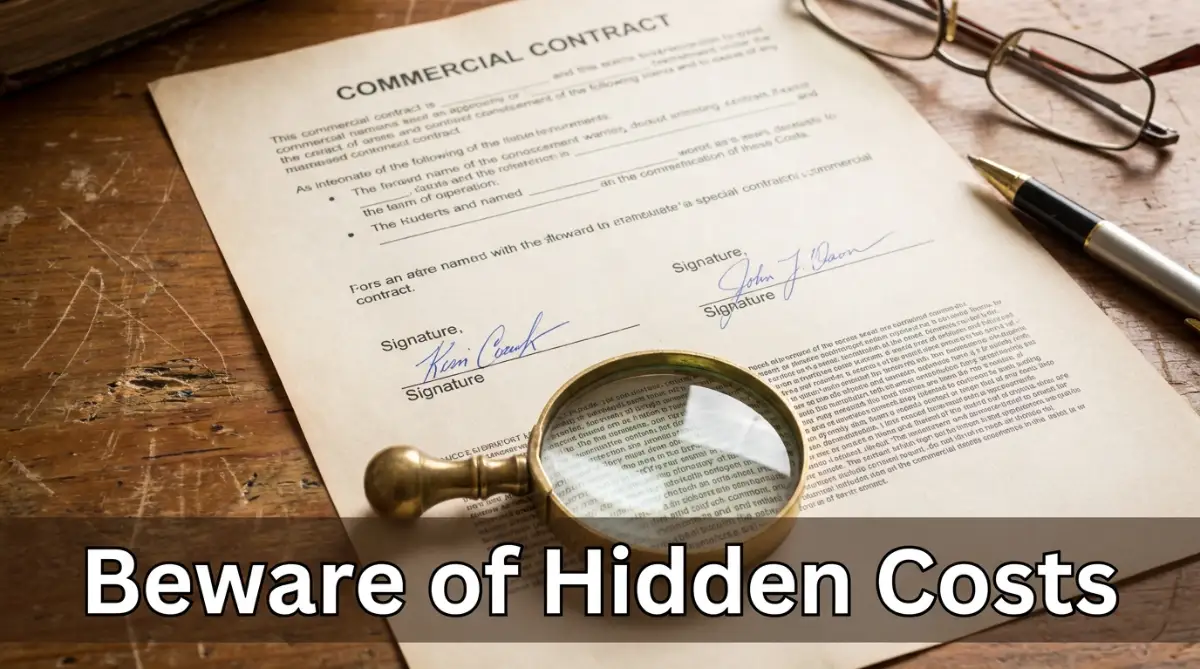
📌 Fast Action Summary: 4 Rules to Protect Your Money
- No Contract is "Standard": Every single line in a commercial lease is open for negotiation. Never sign the first draft as-is.
- Cap Your Extra Fees: Put an annual cap (3% to 5%) on Common Area Maintenance (CAM) fee increases so your monthly overhead remains stable.
- Protect Your Home: Replace unlimited personal guarantees with a "rolling guarantee" or a time-based expiration after 24 months of on-time rent.
- Demand an Exclusivity Clause: Prevent your landlord from renting the unit next door to your direct business rival.
Your Guide to Avoiding Expensive Commercial Lease Pitfalls
Let us look at the most common mistakes people make when signing these agreements. By learning these steps, you can keep your business safe and profitable.
The Myth of the "Standard" Agreement
Many landlords will hand you a contract and call it a standard agreement. They might tell you that everyone signs it without making changes. Do not believe this common trick.
There is no such thing as a standard contract in business real estate. Every single clause is open for discussion. If you do not ask for changes, you will lose your power.
Landlords write these papers to protect their own money, not yours. They want you to take all the risks. You have the right to ask for terms that protect your shop too.
The Trap of Hidden Operating Expenses
Most new business owners only look at the base rent price. This is a major mistake that can drain your bank account. You must understand how the landlord calculates extra fees.
Many agreements use a system called Triple Net, or NNN. This means you pay for taxes, building insurance, and daily maintenance. These extra costs can double your monthly payment.
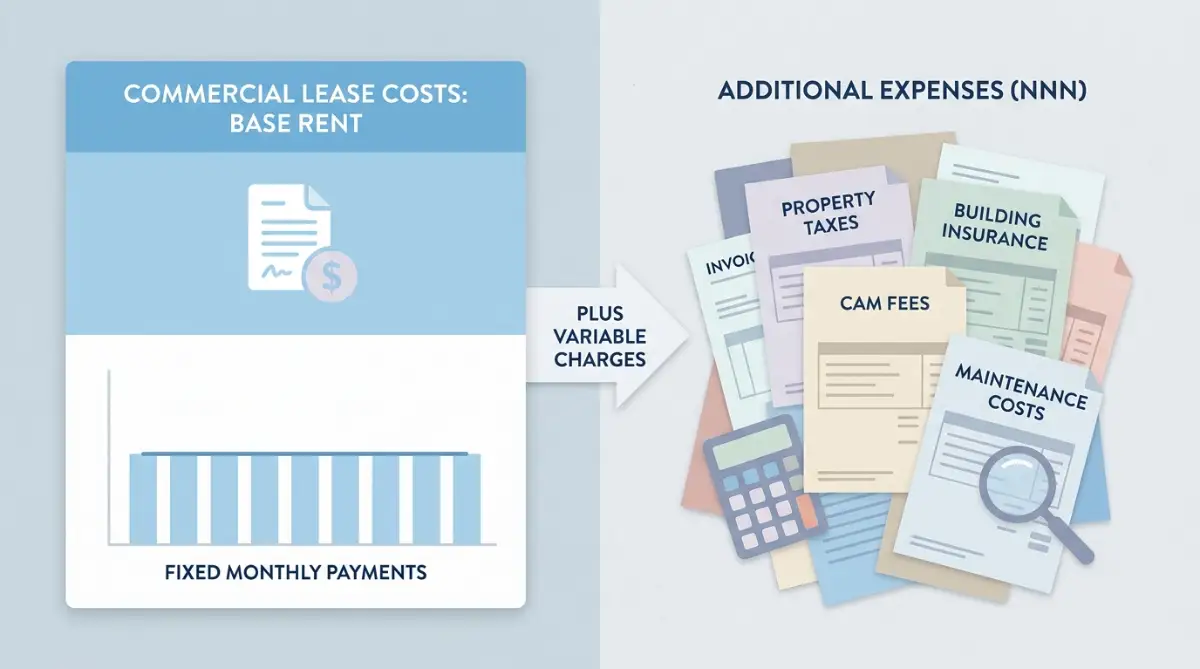
Ask the landlord for a detailed history of these costs. You need to see what the previous tenant paid over the last few years. This prevents scary surprises when the bills arrive.
The Danger of the Personal Guarantee
Landlords often ask you to sign a personal guarantee. This means you agree to pay the rent even if your business fails. It is a major risk for your family.
If your shop closes, the landlord can take your personal assets. They can go after your home, your car, and your personal savings. You must limit this power before you sign.
Try to negotiate a limit on this guarantee. For example, you can ask for a rolling guarantee that ends after two years of on-time payments. This protects your family if things go wrong.
Neglecting Common Area Maintenance (CAM) Audits
Landlords charge tenants for cleaning lobbies, fixing parking lots, and hiring security. This is known as Common Area Maintenance, or CAM. However, some landlords hide unrelated bills in this fee.
They might try to make you pay for marketing their other properties. You need the right to inspect their financial books. This process is called a CAM audit.
Always ask to add an audit clause to your agreement. It gives you the power to hire an accountant to check the bills. If the landlord overcharged you, they must return your money.
Expert Insight: Never agree to a lease without a "cap" on CAM increases. Ask for a limit of three to five percent per year. This keeps your monthly costs predictable and safe.
Forgetting to Check the Use Clause
A use clause describes exactly what you can do in the rented space. Landlords like to make this clause as narrow as possible. For example, they might write "only for selling artisan donuts."
What happens if you want to start selling coffee or sandwiches later? Under a narrow clause, you could face legal action or eviction. You need room to grow your business.
Ask for a broad use clause instead. Try to use terms like "general retail" or "food service and related activities." This gives you the freedom to adapt to what your customers want.
Missing the Exclusivity Clause
Imagine opening a successful juice bar in a shopping center. Three months later, the landlord rents the space next door to a massive juice chain. Your sales will drop immediately.
You can prevent this by asking for an exclusivity clause. This rule stops the landlord from renting space to your direct competitors. It protects your share of the local market.
Make sure the agreement defines your competitors clearly. Use specific terms so there are no loopholes. This keeps your business safe from unfair local competition.
The Trap of the Restoration Clause
When you move into a shell space, you will build walls, add lighting, and install plumbing. You spend thousands of dollars to make it fit your business. But what happens when you leave?
Many agreements contain a restoration clause. This requires you to tear down all your upgrades when the lease ends. You must return the space to its original, empty state.
This work can cost you thousands of dollars at a time when you are moving. Ask the landlord to remove this rule. Agree that any improvements will remain in the building when you depart.
Ignoring the Sublease Clause
Life is full of changes, and your business might need to move or close. If you have a five-year agreement, you cannot simply walk away. You will still owe rent for the remaining years.
A sublease clause allows you to rent the space to another business owner. They will take over your payments. This is your exit plan if things do not go as expected.
Landlords often try to ban subleasing completely. Always ask for the right to sublease with the landlord's consent. Make sure the contract says they cannot withhold consent unreasonably.
Not Verifying Zoning Laws Yourself
Never take the landlord's word about what is allowed in the building. They want to fill the space and might not know local city rules. You must do your own research.
Go to the local city hall or check their online map. Verify that your specific business type is allowed in that zone. Getting a permit can take months or might be impossible.
If you sign before checking, you might pay rent on a space you cannot use. Always make the contract contingent on getting your business permits. This protects your cash.
Understanding HVAC Maintenance Costs
Heating and cooling systems are extremely expensive to replace. Many leases make the tenant responsible for the HVAC system. If the unit dies, you could face a huge bill on day one.
You should negotiate a limit on your HVAC responsibility. Ask for a maintenance contract where you only pay for regular service. If the whole system needs replacement, the landlord should pay for it.
Another option is to ask for a cap on annual repair costs. For example, you pay up to five hundred dollars per year. Any cost above that amount becomes the landlord's duty.
Real-World Example: The $9,000 AC Unit Trap
When my friend opened his bakery in 2022, he didn't check the rooftop AC unit. In July, the compressor died. Because his lease said "tenant maintains all mechanical units," the landlord forced him to buy a brand new $9,000 system. If you cannot get the landlord to cover total replacement, always ask for a 30-day "grace period" upon move-in so the landlord pays for anything that breaks during your first month.
Failing to Negotiate Renewal Options
Imagine spending years building a loyal customer base at your location. Your lease ends, and the landlord suddenly doubles your rent. Or worse, they refuse to let you stay.
You can avoid this by securing renewal options in your contract. This gives you the right to extend your stay for more years. It also sets how the future rent will be calculated.
Make sure to write down the notice period for renewal. Usually, you must tell the landlord six months before the lease ends. If you miss this date, you lose your right to stay.
The Hidden Dangers of Relocation Clauses
Some contracts contain a sneaky relocation clause. This gives the landlord the right to move your business to another spot in the building. They might do this to make room for a larger tenant.
A move can hurt your business if you end up in a corner with less foot traffic. It also disrupts your daily sales and confuses your customers. You should try to remove this clause.
If you cannot remove it, make sure the landlord pays for all moving costs. They should also pay to build out the new space to match your current setup. Plus, your rent should decrease if the new spot is smaller.
How to Work with a Professional
Reading a legal contract is hard and takes a lot of time. The terms are complex, and the risks are high. You should not do this alone.
Hire a local business lawyer who knows commercial real estate. They can find hidden traps that you might miss. The fee you pay them now can save you thousands of dollars later.
You can also work with a tenant representative broker. They help you find spaces and negotiate terms for free. The landlord pays their fees, so you get expert help at no cost.
Advanced Negotiation Tactics: Getting the Best Commercial Real Estate Deal
Negotiating the Tenant Improvement Allowance (TIA)
Landlords often offer a special fund to help you customize your physical space. This cash is known as a tenant improvement allowance, and it can save you thousands of dollars. You must negotiate this amount before discussing your monthly rent price.
If you need to make major changes like adding heavy sinks or building separate rooms, ask for a higher allowance. A generous landlord might cover the entire cost of construction to keep a strong tenant. This extra support keeps your valuable cash in your business accounts where it belongs.
To fund these setups, some owners look for alternative financing options to build business capital. For example, you might look into how to secure a bank loan without collateral to cover other start-up expenses. Having a solid plan for your cash flow keeps you from making stressed decisions during lease talks.
Negotiating the Demising Walls and Shared Space Responsibilities
Demising walls are the boundary walls that separate your rented space from other businesses in the complex. If these walls get damaged or need insulation improvements, the responsibility must be clearly defined. You should not have to pay for repairing a wall that separates your shop from a neighboring unit.
Make sure the contract places all structural demising wall repairs onto the property owner. This stops you from paying for issues caused by neighboring business activities or general building wear. Clearly separating these roles keeps your maintenance budgets highly predictable.
The Security Deposit Release Strategy
Landlords often require massive security deposits from new businesses to cover potential defaults. This money sits in their bank account for years earning interest that you will never see. You should try to negotiate a "burn-down" option for this deposit.
A burn-down clause returns a portion of your deposit after each year of on-time rent payments. For example, if you pay on time for twelve months, you get twenty percent of your cash back. This keeps your business liquidity healthy and rewards your positive payment history.
Rentable vs Usable Square Feet Explained
When you look at a building, you will hear terms like usable space and rentable space. Usable space is the actual physical area where your employees work and customers walk. Rentable space includes shared building zones like public hallways, restrooms, and main lobbies.
Landlords calculate your monthly payment based on the larger rentable space number. You are essentially paying for a small share of the entire building’s shared areas. Always ask for a detailed drawing to see exactly how much real work space you are getting.
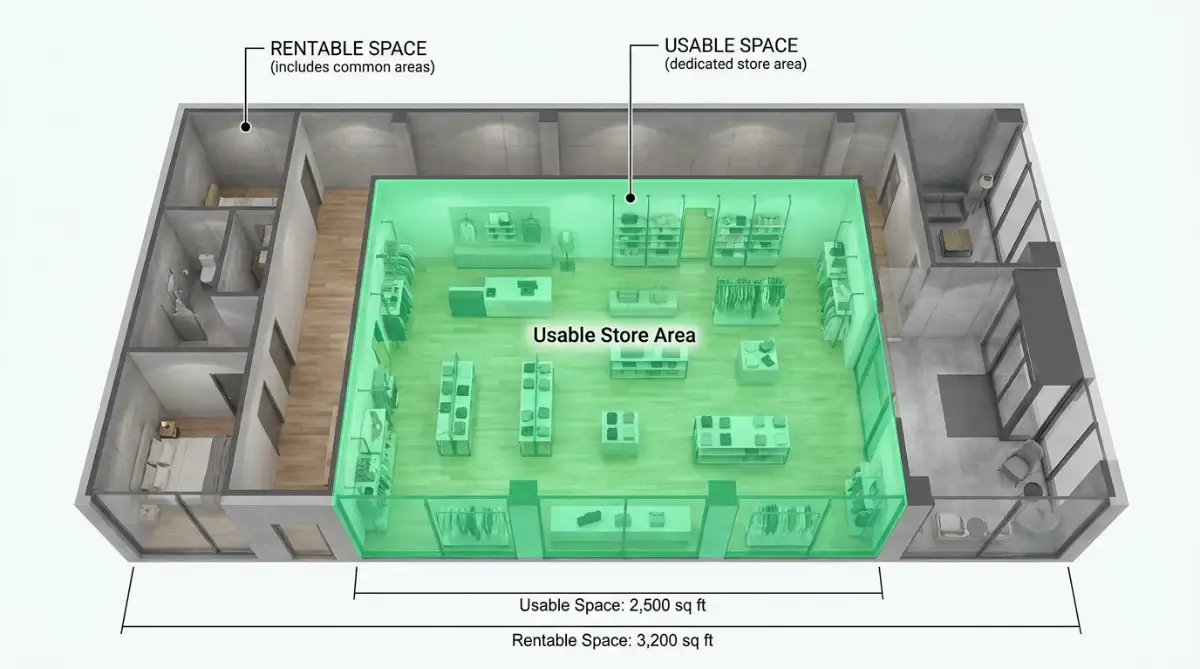
Understanding these numbers can help you decide between a gross lease and a net layout[1]. A gross setup means you pay one flat rate, while a net setup charges you for building overhead separately[1]. Make sure you know which calculation your landlord is using before agreeing to any rate.
The Real Cost of "Phantom Space" (Loss Factor Breakdown):
Securing the Right of First Refusal
If your business grows quickly, you might need to expand your office or retail shop. If the unit next door becomes empty, you want the first chance to rent it. This legal priority is called the right of first refusal.
Without this clause, your landlord can rent that adjacent space to another business. You might be forced to move your entire operation to a new building just to grow. Having this option gives your company a stable way to expand without moving.
The Power of the "Go-Dark" Clause
Retail business owners should always ask about a special rule called the go-dark clause. This option lets you close your physical doors if your sales drop below a certain target. However, you will still pay your monthly rent while your shop is closed.
This strategy stops you from losing extra money on employee wages and daily utility bills during bad times. It is a smart safety net that lets you pause operations without breaking your agreement. If you face a severe cash emergency, you might search for options like instant approval loans to manage your bills until you recover.
Smart Rules for Your Lease Negotiation
Review this quick reference list before you sit down at the bargaining table with your commercial landlord.
Negotiation Do's and Don'ts
- Do: Hire an independent surveyor to measure the actual usable square feet of the property.
- Do: Ask for a free rent period of two to three months while you build out your interior.
- Don't: Sign any contract that lets the landlord change your lease terms without your written consent.
- Don't: Rely on verbal promises from property managers because only the written document holds legal weight in court.

Costly Missteps: Hidden Hazards That Can Drain Your Business Reserves
The Danger of Rushing Under Pressure
Many enthusiastic business founders make the mistake of signing contracts under heavy pressure. Landlords or real estate agents might tell you that another buyer is waiting with cash. This common sales trick makes you feel anxious and rushed.
When you rush, you fail to notice the small details that can ruin your business. You might miss a clause that allows your landlord to enter your shop without notice. Always take at least a week to study every single page of the agreement with your legal expert.
Overlooking the Landlord’s Financial Health
Another silent trap is ignoring the financial health of the landlord. If the property owner goes bankrupt, the bank can evict you even if you paid your rent on time. You can protect your business by asking for a non-disturbance agreement from the landlord's bank.
Skipping Pre-Lease Property Inspections
Many tenants also fail to inspect the building before accepting the keys. They assume everything works well and find out later that the plumbing is completely clogged. If you do not document these issues early, you will pay for them when you leave.
The True Cost of Double-Paying Fees
You must understand that a triple net lease carries distinct risks that require careful financial planning[2]. It is not just about the monthly base rent you pay to the owner. It is about the hidden operational costs that can easily spiral out of control.
Please review the official business advice from the U.S. Small Business Administration before starting your brick-and-mortar journey[3]. They offer excellent resources for local entrepreneurs who are preparing to rent physical spaces[3]. Taking these extra steps can save your startup from closing during its first critical years.
Why You Must Never Skip Landlord Insurance Verification
Many tenants assume that the landlord has a policy that will cover everything if a major disaster occurs. This is a dangerous mistake that can ruin your business overnight. The owner's policy usually only covers the physical building shell, not your equipment, stock, or custom decorations.
You must purchase your own commercial property and liability insurance to protect your investment. Always ask for proof of the landlord's active insurance to ensure the building itself is properly covered. If the building is underinsured, a fire could destroy your business with zero hope of recovery.
The Trap of Accepting "As-Is" Delivery Clauses
Landlords often try to write "as-is" clauses into their leases to save their own money on repairs. This means you accept the property exactly as it looks when you tour it, faults and all. This can be a huge trap if the electrical wiring or plumbing system has hidden damage.
You must hire a licensed building inspector to check the utilities before you accept the keys. Never agree to an "as-is" clause unless the landlord lowers your rent to cover the repair costs. Taking this step protects you from inheriting a broken space that requires thousands of dollars in repairs.
Your Strategic Action Plan for a Safe Lease Signing
Entering a business lease is one of the biggest financial decisions you will make. It can provide a wonderful home for your growing brand, or it can become a heavy financial burden. The difference lies in your preparation and patience during the negotiation process.
Do not let excitement cloud your judgment when looking at a beautiful physical location. Take your time, ask hard questions, and get every single agreement down in writing. Protecting your business interests is your primary duty as a founder.
The Ultimate Tenant Signing Checklist
- Review the measurement: Verify the difference between usable and rentable square feet with an independent expert.
- Limit the guarantee: Make sure your personal guarantee has a clear expiration date or a financial cap.
- Check the zoning rules: Get written proof from the local city office that your business category is allowed.
- Secure exclusivity: Ensure no direct competitors can move into the same retail center or office complex.
- Audit the operating costs: Review the actual maintenance and tax receipts from the past three years.
You now possess the knowledge to approach landlords with confidence and strength. You can spot the hidden traps, ask for necessary changes, and protect your hard-earned money. Go forward with patience, trust your research, and build the business you have always dreamed of running.
Disclaimer
This article is for informational purposes only and does not constitute formal legal or financial advice. Commercial real estate laws vary by state and city, and contracts can have deep legal consequences. Always consult with a licensed real estate attorney and a professional accountant before signing any commercial lease agreement.