When The Safety Net Breaks: My Shocking Wake-Up Call
I never thought a simple puddle in my living room would cost me thousands. Like most renters, I assumed my insurance policy had my back, but a sneaky little clause proved me dead wrong. Let me show you exactly what to check in your paperwork right now, so you do not end up paying out of pocket when things go south.
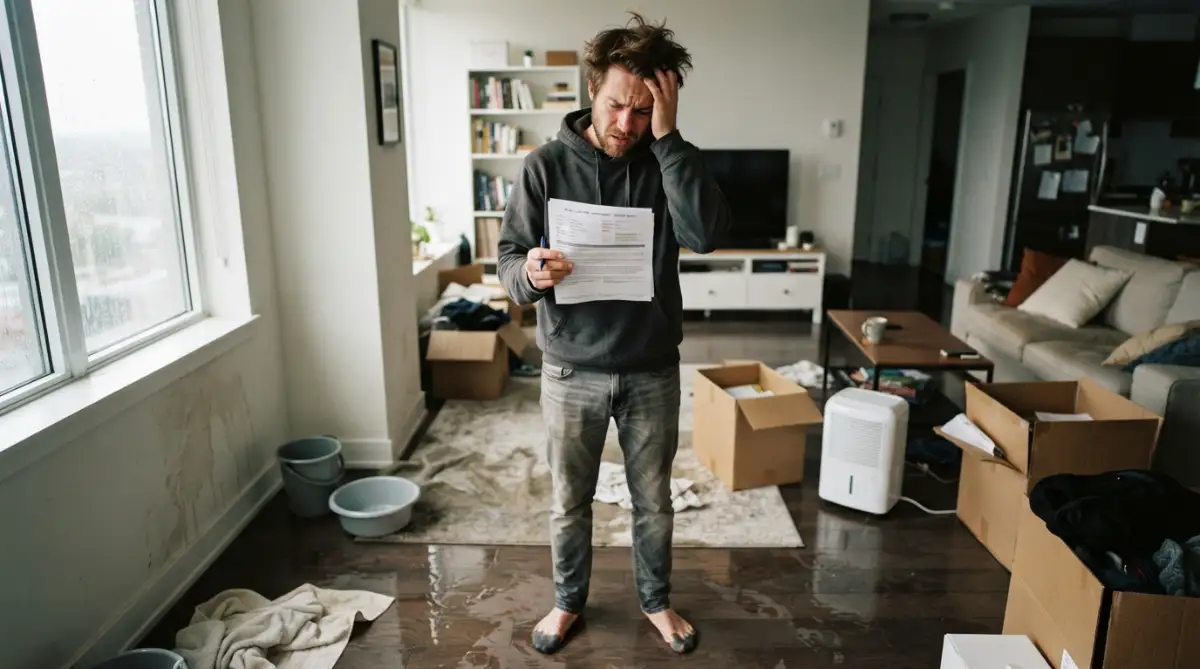
The financial shock was entirely devastating for my family. I had to drain my hard-earned emergency savings just to replace my bed and my daily work tools. It felt like someone had punched me right in the stomach.
So many hardworking people face this exact same nightmare every single day. You pay your monthly premiums on time, completely trusting that you are protected from life's random disasters. But when a real emergency strikes, you suddenly discover that your policy has secret loopholes designed to protect the big insurance companies, not you.
It feels like a massive betrayal of trust. Families are forced into massive debt simply because they did not understand the complicated legal jargon quietly hidden on page 42 of their contract.
Quick Summary: Protect Your Stuff Today
- Water damage has strict rules: Burst pipes are fine, but weather floods require a totally separate policy.
- Expensive items need extra cover: Your $5,000 laptop might only have a $1,500 payout limit unless you specifically add it to your plan.
- Roommates are not automatically covered: Every adult living in the apartment needs to be named on the paperwork.
- Video evidence wins claims: A 5-minute smartphone walkthrough of your apartment is the absolute best proof of what you own.
Decoding The Fine Print: Exposing The Traps You Never Noticed
Finding out your claim is denied is a terrible experience, but you do not have to be a victim of these sneaky rules. To actually protect your money and your mental health, you need to understand exactly what these companies are hiding from you.
Let us break down the biggest traps using clear, everyday language so you can secure your belongings properly.
The Water Damage Deception
Most people assume that if water ruins their apartment, they are fully covered. This is a very dangerous assumption that catches thousands of renters off guard.
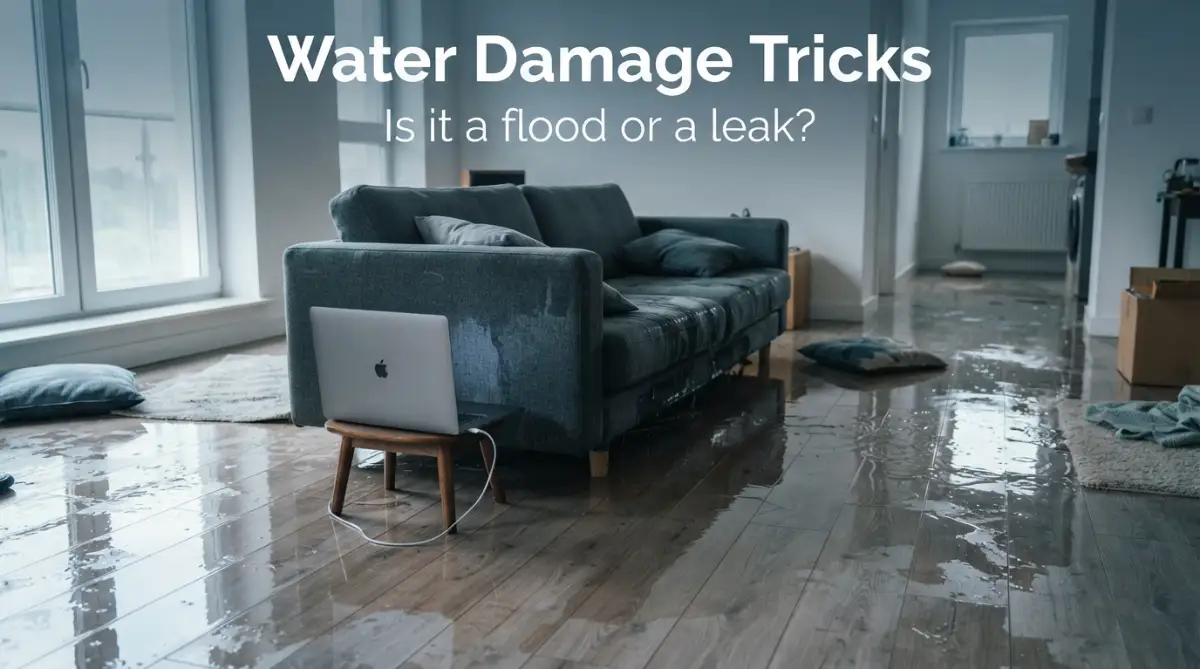
Insurance companies draw a massive line between a "burst pipe" and "flooding." If your upstairs neighbor's sink overflows and ruins your ceiling, your standard policy usually covers the damage.
However, if heavy rain causes a nearby river to overflow into your ground-floor apartment, your claim will instantly be denied. Flood damage is almost never included in a basic renters package.
You need a completely separate flood insurance policy to handle natural weather disasters.
Water Damage Cheat Sheet:
- A pipe bursts under your kitchen sink: Covered! 🚰
- Your upstairs neighbor's bathtub overflows: Covered! 🛁
- Heavy rain floods your street and ruins your floor: Denied! 🌧️ (You must buy a separate flood policy for this).
If you are completely confused about what your policy actually covers, this short visual guide will clear up the biggest misunderstandings instantly.
The High-Value Item Cap
Think about the most expensive things you own right now. Maybe it is a diamond engagement ring, a high-end gaming laptop, or professional photography equipment.
Most renters policies put very strict limits on these specific categories. For example, your total coverage might be $30,000, but they might only pay a maximum of $1,500 for stolen jewelry.
If a thief breaks in and steals a $5,000 watch, you will lose a huge amount of money. The company will only write you a check for that $1,500 limit.
I learned this the hard way when my expensive camera got stolen from my car while I was on vacation. I assumed my basic renters policy would pay the full replacement amount, but the payout was capped at a tiny fraction of the cost. You must explicitly ask to add a "scheduled personal property" rider to protect your high-ticket items fully.
The Roommate Misunderstanding
Moving in with a friend seems like a great way to save money on rent. Many roommates think they can just split a single renters insurance policy to save a few extra dollars.
This is a massive mistake that creates horrible legal headaches. Standard policies usually only cover the specific person listed on the document and their immediate blood relatives.
My friend Sarah split rent with a coworker. A kitchen fire ruined their shared apartment. Because only Sarah's name was on the renter's policy, she got a check for her ruined laptop and bed. Her roommate got absolutely nothing. Always add both names to the policy or buy separate ones!
If a fire destroys the entire apartment, only your things will be replaced. Your roommate will be left with absolutely nothing unless their name is officially added to the policy.
Even then, splitting a policy means you both share the total coverage limit. If you have $20,000 in coverage, and both of you lose your things, that money will disappear very quickly.
Myth vs Reality: Renters Insurance Truths
The Myth: My landlord's insurance covers my belongings if the building catches fire.
The Reality: Your landlord’s policy only covers the physical building structure. It will not pay a single penny for your burned furniture, clothes, or electronics.
The Myth: Renters insurance is too expensive for a normal budget.
The Reality: The average policy costs roughly the same as one large pizza per month. Skipping it to save a few dollars is a huge financial risk.
The Myth: My dog is super friendly, so my insurance will definitely cover dog bite lawsuits.
The Reality: Many companies keep secret lists of "aggressive" dog breeds. If your dog is on that list, they will completely deny your liability claim.
The Silent Pest Invasion
Imagine waking up in the middle of the night to find bedbugs crawling all over your expensive mattress. You naturally assume your insurance will pay for the pest control service and a brand new bed.
Unfortunately, standard policies almost universally exclude damage caused by pests, rodents, and insects. Insurance companies consider pest control to be a standard maintenance issue.
They expect you and your landlord to keep the property clean and pest-free at all times. If mice chew through your laptop charger or ruin your favorite clothes, you will have to replace those items yourself.
Understanding Business Equipment Exclusions
Since the global shift to remote work, millions of people now operate small businesses directly from their living rooms. You might have expensive monitors, specialized tools, or inventory boxes sitting in your closet.
Standard renters insurance is designed purely for personal property. If a power surge destroys your expensive business computers, your claim will likely be rejected immediately.
Insurance providers expect you to buy a separate commercial policy if you run a business from home.
A Quick Comparison: What Is Actually Covered?
The Negligence Clause
Insurance is meant to protect you from sudden, accidental disasters. It is not designed to cover slow damage caused by ignoring obvious problems.
If you notice a slow leak under your kitchen sink but ignore it for six months, the resulting black mold will not be covered. The claims adjuster will investigate and easily determine that you acted negligently.
You must report maintenance issues to your landlord immediately in writing. Having a paper trail proves that you tried to fix the problem before it turned into a massive disaster.
Earthquakes and Earth Movements
Much like flooding, damage from earthquakes is specifically excluded from almost every standard policy. If an earthquake shakes your apartment and shatters your expensive television, your provider will simply say no.
This also applies to sinkholes and landslides. If you live in an area prone to these natural events, you have to buy a completely separate earth movement endorsement.
Do not wait until the ground starts shaking to read the fine print of your document.
Intentional Damage and Illegal Acts
This might sound like common sense, but it is worth mentioning clearly. No insurance company will pay for damage that you cause on purpose.
If you get angry and smash your own television, you cannot file a claim to get a new one. Similarly, if your property is damaged while you are conducting illegal activities, your policy is instantly voided.
Providers will thoroughly investigate suspicious claims. Trying to trick them can result in insurance fraud charges, which is a very serious legal offense.
The Motor Vehicle Gap
Many renters mistakenly believe that their policy covers their car if it is parked in their apartment garage. Renters insurance does cover items stolen from inside your car, like a gym bag or a laptop.
However, it will absolutely not cover damage to the vehicle itself. If a tree falls on your car while it is in the apartment driveway, you must file a claim with your auto insurance company.
Understanding this invisible line between auto and renters coverage can save you hours of stressful phone calls.
Making Real Changes Today
You do not have to live in fear of these hidden rules anymore. Grab your current policy document and a yellow highlighter right now.
Look for sections titled "Exclusions" or "Limits of Liability." Read those paragraphs very carefully.
If you see something that worries you, pick up the phone and ask your local agent to explain it in simple terms. A quick ten-minute phone call today can easily save you thousands of dollars tomorrow.
Smart Strategies to Bulletproof Your Renters Coverage
Let us talk about the exact steps you can take to make sure your provider never hands you a denial letter. Getting ahead of the game is much better than fighting a losing battle later on. The insurance industry is heavily weighted against regular people who do not read the fine print. We have to be incredibly smart and proactive to protect our hard-earned money.
The Video Walkthrough Method
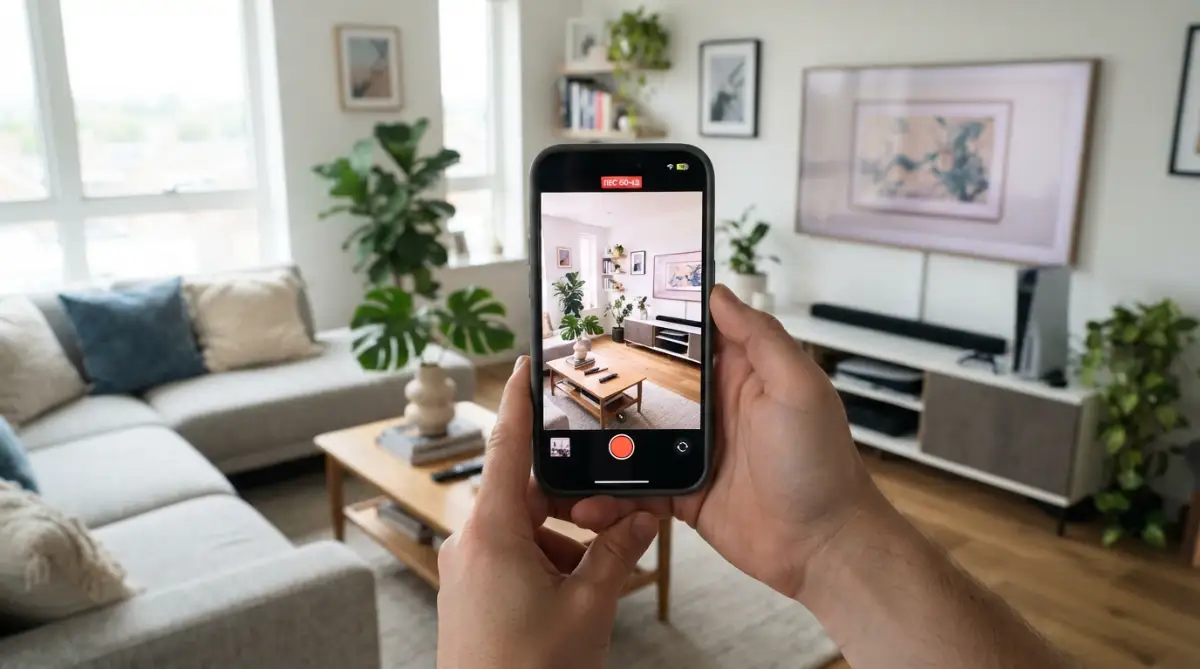
Do not just write down a list of your items on a piece of blank paper. Instead, pull out your smartphone right now and walk slowly through your entire apartment. Open every single drawer, closet, and storage bin while recording a continuous video of your belongings. Speak clearly into the camera and describe the brand, purchase price, and age of your most expensive items.
Upload this video to a secure cloud drive like Google Drive or Dropbox immediately. If a terrible fire ever destroys your home, this simple five-minute video becomes undeniable proof of what you actually owned. Claims adjusters cannot argue with high-definition video evidence showing exactly what was lost in the disaster. According to a helpful guide by the National Association of Insurance Commissioners, having visual proof is the absolute best way to speed up your payout process.
Always Choose Replacement Cost Coverage
This is a massive secret that most insurance agents will quietly skip over during your initial sign-up process. Standard policies usually default to something called "Actual Cash Value" or ACV. This means they only pay you what your item is currently worth today, not what it costs to buy a brand-new one.
Imagine you bought a beautiful leather sofa for $2,000 five years ago. If a pipe bursts and ruins it, an ACV policy might only give you $400 because of natural depreciation. You simply cannot buy a decent new couch for $400, leaving you to pay the huge difference out of your own pocket. You need to call your agent and explicitly ask to switch to "Replacement Cost" coverage right now.
To fully protect your financial future and avoid financial shock, spending an extra two dollars a month for replacement cost is absolutely necessary. The Insurance Information Institute clearly explains that replacement cost is the only way to genuinely recover from a total loss.
The Power of the Umbrella Policy
Renters insurance is not just about your personal belongings; it also covers your personal liability. If a guest trips over a rug in your living room and breaks their leg, they can easily sue you for their medical bills. Most standard policies cap this liability protection at around $100,000, which disappears incredibly fast in a hospital.
If you have significant savings or a high-paying job, lawyers will come after your personal assets to get more money. Adding a personal umbrella policy gives you an extra million dollars in liability protection for a very low monthly cost. It acts as an invisible shield around your bank accounts and your future earnings.
Scheduling Your Priceless Belongings
We talked earlier about how standard policies put strict limits on expensive items like jewelry and modern electronics. To bypass this frustrating rule, you must add these specific items to your policy individually. This process is called "scheduling" your personal property, and it requires a little bit of extra paperwork.
You will usually need to provide a recent store receipt or an official professional appraisal to prove the item's true value. Once the item is officially scheduled, it is fully protected against almost everything, including mysteriously losing it while traveling. Just like learning to find gaps in your health insurance plan, finding gaps in your property limits is a huge money saver. Do not wait for a thief to steal your engagement ring before realizing your base policy only covers a tiny fraction of its true worth.

The Dangerous Traps That Trigger Instant Denials
Many incredibly smart people accidentally destroy their own safety net simply because they do not understand how claims adjusters think. Making a tiny mistake during the application process or right after a disaster can ruin everything. Let us look at the most dangerous traps you must avoid at all costs to keep your coverage active.
Waiting Too Long to Report a Problem
Insurance companies love to use the passing of time against you. If your apartment ceiling starts leaking slowly, they expect you to notify them and your landlord immediately. If you just put a plastic bucket under the leak and wait three weeks to report it, your provider will likely deny your entire claim.
They will argue that your delay allowed the water damage to get significantly worse, which is considered personal negligence. You must treat every single leak, odd spark, or wall crack like an absolute emergency. Send a written email to your landlord so you have a clear time stamp of when you first noticed the issue. This creates a solid paper trail that strongly proves you acted responsibly.
Lying About Roommates to Save Money
Moving in with friends or a partner is great, but hiding them from your insurance company is a terrible idea. Some people try to keep only one person on the policy to keep the monthly payment artificially low. Just like making careless mistakes when co-signing a family loan, mixing shared living spaces with single-person insurance is a massive legal trap.
If a fire starts in your roommate's bedroom, the insurance company will investigate and quickly realize someone else was living there. They can easily use this as an excuse to void the entire policy for providing false information. Every single adult living in the apartment needs to be officially listed on the paperwork, or they absolutely need their own separate policy.
Throwing Away Damaged Items Too Fast
When a disaster strikes, your very first instinct is usually to clean up the horrible mess as fast as possible. You might want to drag that soggy, ruined mattress out to the street dumpster immediately. This is one of the biggest mistakes you can possibly make before filing a formal claim.
The claims adjuster needs to see the physical damage with their own eyes to approve your financial payout. If you throw the evidence in the trash, they have absolutely no proof that the item was actually ruined. Leave everything exactly where it is, take dozens of clear photos, and wait for the adjuster to give you official permission to throw things away.
Navigating an apartment disaster is very similar to knowing what steps to take immediately after a minor vehicular accident; preserving the entire scene is your top priority.
Underestimating Your Total Net Worth
When signing up online, the form will ask how much total coverage you actually need for your belongings. Most people wildly guess a random low number, like $10,000, thinking they do not own anything fancy. This is a massive mistake because everyday household items add up incredibly fast.
Open your closet right now and quickly calculate what it would cost to buy every single shirt, pair of shoes, and winter coat brand new. Now add your kitchen appliances, your mattress, your television, and your comfortable living room furniture. You will quickly realize that replacing everything you own will cost way more than ten thousand dollars.
If you experience a total fire loss and max out your policy, you will be left struggling to survive. Dealing with a low payout when you can no longer afford to replace your daily essentials is truly terrifying. Always overestimate your coverage needs; the extra premium is usually just a few extra pennies a day.
Failing to Update the Policy After Big Purchases
Life changes quickly, and your insurance coverage needs to grow alongside your personal success. Maybe you just bought a high-end electric bicycle, a customized gaming computer, or an expensive new camera. If you do not call your agent to add these items to your profile, they might not be fully protected.
Make it a strict habit to review your policy documents every single time you renew your apartment lease. Think about any major purchases you made over the last twelve months and update your limits accordingly. A highly recommended resource from the Consumer Federation of America suggests doing a quick financial checkup on your insurance limits every single birthday. It is an incredibly easy way to ensure your safety net never gets too weak.
Your Action Plan for Total Financial Safety
You have just learned the quiet secrets that big insurance providers hope you never discover. We have uncovered the sneaky water damage rules, the strict limits on your expensive jewelry, and the hidden dangers of sharing policies with roommates. More importantly, you now have a real strategy to fight back and win.
You know exactly why taking a smartphone video of your apartment is the smartest move you can make today. You also understand why switching to replacement cost coverage is absolutely non-negotiable for your personal peace of mind. These are not just simple tips; they are the exact tools you need to secure your family's financial future. You do not have to feel powerless against confusing contracts ever again.
By actively fixing these dangerous loopholes, you are building an invisible fortress around your daily life. It is about taking total control of your environment and refusing to be a victim of fine-print trickery. Much like understanding how uninsured motorist coverage saves you, truly understanding your renters policy puts you safely in the driver's seat.
I know how incredibly stressful it is to feel unprotected in your own home. My own denied claim taught me a very harsh lesson, but I promised myself I would never let an insurance company take advantage of me again. I want you to grab your policy document right now, call your agent, and demand the protection you truly deserve today!
Real Questions Renters Actually Ask
Does my renters policy cover my cell phone if I drop and break it?
Standard policies almost never cover accidental damage like dropping a phone or spilling coffee on a laptop. Insurance is specifically designed for sudden disasters like fires, theft, or severe windstorms. For simple drops and cracks, you definitely need a separate electronic warranty or a device protection plan.
Will my insurance pay for a hotel if my apartment becomes unlivable?
Yes, most good policies include something called "Loss of Use" or additional living expense coverage. If a terrible fire or major covered disaster forces you out, they will pay for your hotel and extra food costs. You must keep all your daily receipts to get your money back smoothly.
Are my belongings covered if they are stolen from a storage unit?
Most policies will cover your personal items inside a storage unit, but usually only up to a very strict limit, like 10% of your total coverage. If you have $30,000 in total property protection, they might only cover $3,000 for items in storage. Always call your agent to verify this specific limit before moving your things.
Can my landlord force me to buy a renters policy?
Yes, property owners have the absolute legal right to require proof of insurance before handing you the apartment keys. They do this to heavily protect themselves from being sued if your dog bites someone or if you accidentally start a kitchen fire. It is a very normal and highly recommended standard industry practice.
Does my policy cover damage caused by mold?
Mold is highly tricky because it is almost always excluded from standard plans as a simple maintenance issue. However, if the mold is a direct result of a sudden, covered accident like a burst pipe, they might pay to clean it up. If the mold grew slowly over time from high humidity, your claim will definitely be denied.
Disclaimer: This article is for informational and educational purposes only and does not constitute professional financial or legal advice. Insurance policies vary widely by provider and location. Always review your specific policy documents and consult with a licensed insurance agent to understand your exact coverage limits and exclusions.