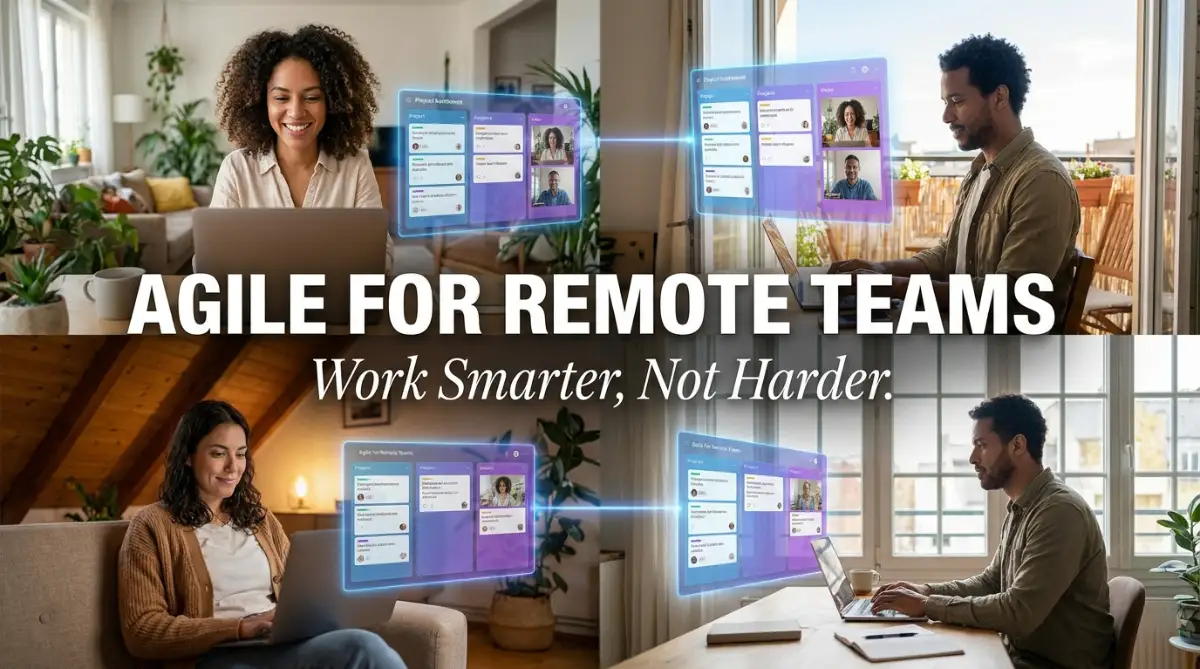
The Hidden Burnout Destroying Remote Workplaces
Working from home was supposed to give us more freedom, right? Instead, many of us ended up working much longer hours, trapped in a never-ending loop of stressful messages and chaotic video calls. If you feel like you are just putting out fires all day while your actual work piles up, you are not alone. I want to share a few practical changes that helped my own team drop the stress, stop micromanaging, and finally get our free time back.
Every single day felt like a never-ending cycle of putting out fires. I would wake up to a mountain of chaotic Slack messages, confused emails, and missed deadlines. My team was working incredibly hard, yet we were barely moving the needle on our actual goals.
We had zero alignment, and the stress was slowly eating away at my mental health. I felt completely isolated, wondering if I was simply a terrible leader. The reality was much simpler, yet far more destructive: we lacked a proper system.
When your team operates across different time zones without a clear structure, everyday tasks turn into massive roadblocks. People feel disconnected, confused, and deeply underappreciated. You start losing great talent not because of the product, but because the daily workflow is completely broken.
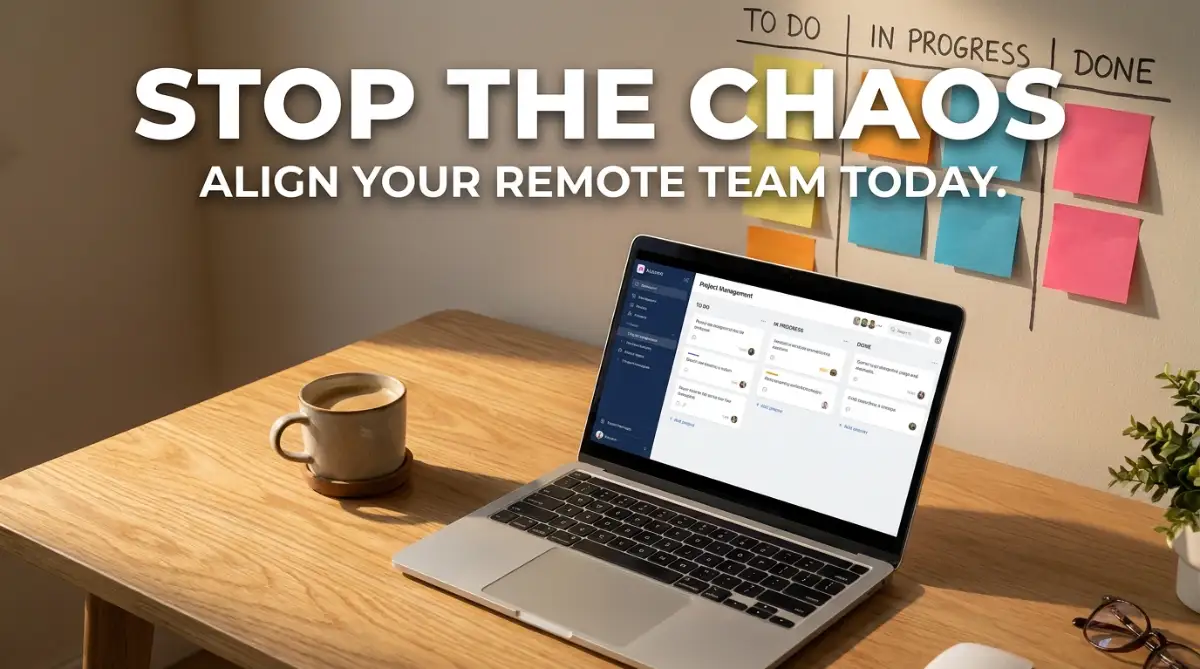
Quick Summary: What You Will Learn Today
- Make work visible: Stop guessing who is doing what by using a simple visual task board.
- Cut meeting times: Swap hour-long meetings for 15-minute daily check-ins to keep energy high.
- Work in short cycles: Plan work in two-week blocks to protect your team from sudden, stressful changes.
- Respect time zones: Learn to write better messages so people can work on their own schedule without waking up in the middle of the night.
Bringing Science and Order to the Chaos
To fix this massive problem, we need to completely change how we think about daily tasks. It is not about simply working harder or forcing people to stay online longer. It is about working with human psychology rather than against it.
When we lack clear direction, our brains naturally feel overwhelmed and freeze up. Agile frameworks solve this by breaking massive, scary projects into tiny, manageable pieces. This simple shift gives our brains a healthy dose of dopamine every time we finish a small task.
Let me walk you through exactly how to build this highly productive system for your remote team starting today.
Visualizing the Invisible Workload
When everyone works in the same office, you can physically see people working and talking. In a remote setup, work becomes completely invisible. If a task is not written down in a shared space, it simply does not exist.
This invisibility creates massive anxiety because nobody knows who is doing what. The easiest way to fix this is by creating a central visual board. Think of it as a digital map that shows exactly where your team is standing right now.
You can use simple digital columns labeled "To Do," "Doing," and "Done." Every single morning, your team can look at this board and instantly understand the overall progress. This takes away the need to constantly message people asking for updates.
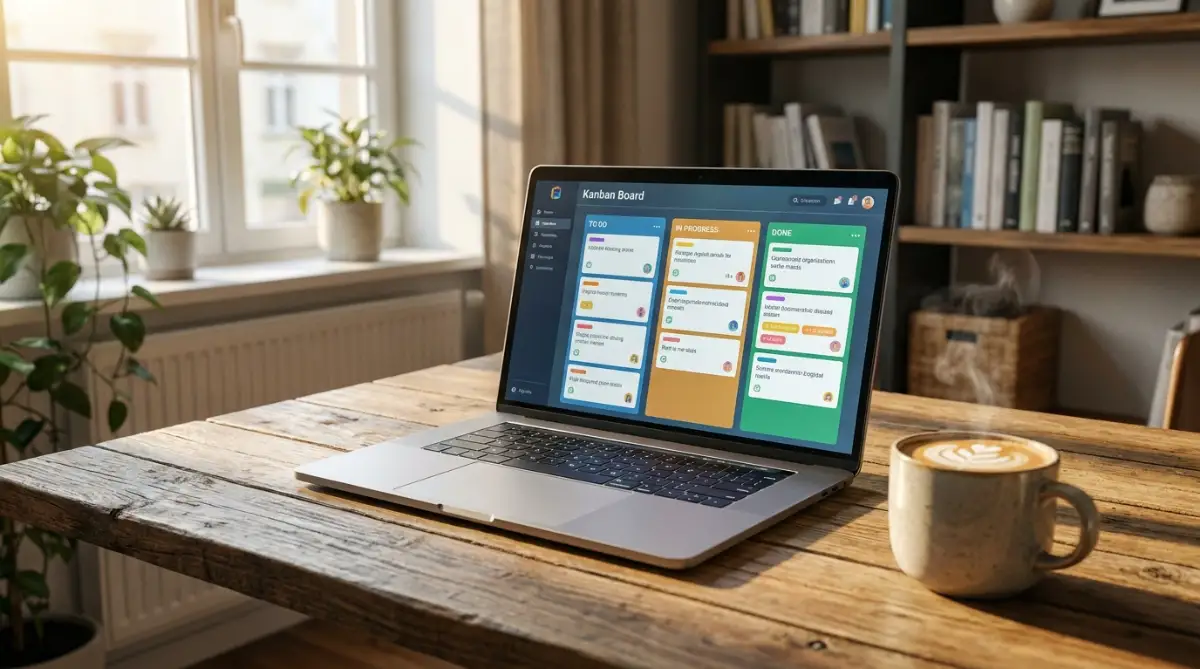
Real-Life Scenario: Imagine your marketing designer is waiting on copy from the writer. Without a visual board, the designer just waits in silence and wastes hours. With a shared board, the designer sees exactly when the text moves into the "Ready" column.
My Top 3 Beginner-Friendly Visual Board Tools:
- Trello: Best for absolute beginners. It feels like moving sticky notes on a digital fridge.
- Asana: Great if you want to connect your visual board to specific calendar due dates.
- Notion: Perfect if your team already writes all their documents and notes in one place.
This simple shift builds automatic trust. It completely removes the toxic habit of micromanagement from your daily routine. People feel a strong sense of ownership when they can physically drag a digital card to the finish line.
Pro Tip from My Experience: I used to make our visual boards incredibly complicated with ten different columns and custom tags. I quickly realized my team hated using it because it felt like a chore. Keep your board as simple as possible in the beginning, adding new rules only when a specific problem forces you to.
The Power of the 15-Minute Alignment
One of the biggest mistakes remote startups make is hosting endless, pointless meetings. People sit on hour-long video calls while secretly answering emails in another window. This completely destroys team energy and wastes incredibly expensive hours.
The alternative is an extremely short, highly focused daily check-in. The goal is simply to align the team for the day, not to solve deep technical problems. Every person gets a maximum of two minutes to speak.
They only need to answer three basic questions. What did I finish yesterday? What am I doing today? Is anything blocking my progress right now?
Here is a highly effective introductory video that breaks down exactly how to run these short meetings without boring your team to sleep. Watch how the pros handle this workflow!
[Insert YouTube Video Link Here]
If someone mentions a complex problem during this quick update, you do not try to fix it right then. You simply acknowledge it and schedule a separate, smaller call with only the people involved. This respects the time of everyone else on the team.
Let us quickly clear up some common confusion about these short daily updates.
Myth vs Reality of Daily Updates
- Myth: It is a status report to prove to the boss you are working.
- Reality: It is a quick huddle to help teammates unblock each other and ask for help.
- Myth: Everyone must be on a live video call at the exact same time.
- Reality: Remote teams in different time zones can easily do this asynchronously using a dedicated chat thread.
Working in Focused, Predictable Cycles
Human beings are simply not built to sprint at top speed forever. When a startup operates with endless, rolling deadlines, the team eventually burns out. We need a clear starting line and a clear finish line to maintain momentum.
This is where working in short, dedicated time blocks changes everything. Instead of planning out the entire next six months, you only plan the next two weeks. You agree on a realistic amount of work to finish within that exact timeframe.
Once that two-week cycle begins, you lock the doors. Nobody is allowed to suddenly drop random new ideas or panic requests onto the team's plate. If the CEO has a brilliant new idea on a Tuesday, it goes into a waiting list for the next cycle.
This creates a massive protective bubble for your remote workers. They can actually log off at the end of the day knowing their plan will not suddenly change at midnight. This predictability drastically lowers stress hormones and creates a highly stable work environment.
Think of it like this: You are not asking your team to run an endless marathon in the dark. You are asking them to run a clear, well-lit sprint, followed by a guaranteed moment to catch their breath.
Building a Safe Space for Honest Feedback
The absolute biggest superpower of any successful remote team is their ability to admit when things are broken. If a workflow is terrible, but nobody feels safe enough to say it out loud, your startup will slowly sink. You need a dedicated time to talk about the system itself, not just the product.
At the end of every work cycle, bring the team together for an open conversation. This is not a time to point fingers or blame people for missed targets. It is a psychological safe zone to discuss what went right and what felt completely awful.
Ask simple, guiding questions to get the conversation flowing naturally. What should we start doing? What should we stop doing immediately? What should we keep doing because it works well?
If the new chat tool is annoying everyone, this is the time to vote it out. If a specific approval process is slowing everyone down, this is where you agree to change it.
Here is a quick look at how this agile approach completely changes the dynamic compared to old-school management:
Managing Work Across Different Time Zones
When your lead developer is waking up in Asia while your marketing head is going to sleep in America, standard rules completely break down. You cannot force everyone into a single daily rhythm without causing severe exhaustion. The system must adapt to the people, not the other way around.

You must build a culture that heavily relies on written documentation. If a decision is made on a quick phone call, it means absolutely nothing until it is typed into the shared team space. This ensures the person waking up six hours later has the exact same context.
Record your video meetings and store them in an easy-to-find digital library. A team member in a different timezone can watch the recording while drinking their morning coffee. They can play it at double speed, getting all the value without ruining their sleep schedule.
This requires a massive shift in how you write messages to your team. Instead of typing "Hey, are you there?" and waiting for a reply, you must provide the full context immediately.
Example of Bad Remote Communication: "Hey, I need help with the website." (Now the other person has to wake up and ask what exactly is wrong, wasting another 12 hours).
Example of Great Agile Communication: "Hey, the payment button on the checkout page is broken on mobile devices. Here is a screenshot. Can you look at this when you log on tomorrow? No rush tonight."
Steal My Asynchronous Message Template:
Whenever you need to send a message to a teammate in a different time zone, just fill in these blanks:
- What I need: [Ask your question directly]
- Why I need it: [Give a little background info]
- When I need it: [Tell them the exact deadline so they do not panic]
Shifting Focus From Busywork to Actual Value
There is a highly toxic mindset in remote work where people feel the need to constantly prove they are working. They reply to emails instantly just to show they are sitting at their desk. This "performative working" completely destroys deep, meaningful focus.
You must judge your team strictly on the value they deliver, not the hours they sit in front of a webcam. If an engineer writes a brilliant piece of logic in three hours and logs off to walk their dog, you should celebrate them. Punishing efficiency by assigning more random busywork will only teach your best people to work slower.
When you implement these clear agile steps, you give your team their freedom back. They understand exactly what the goal is, and they trust that you will let them figure out the best way to get there. This high-trust environment is exactly what turns a struggling group of freelancers into an unstoppable startup machine.
By removing the friction of poor communication, you allow brilliant minds to actually do what you hired them to do. The chaos slowly fades away, replaced by a calm, predictable, and highly rewarding daily rhythm.
Mastering the Deep Secrets of Remote Team Alignment
Getting the basic systems in place is only the beginning of your journey. Once your team starts using simple visual boards and quick daily updates, you will notice an immediate drop in stress. However, to keep this momentum going for months and years, you need to dig much deeper.
The biggest challenge is not simply starting a new workflow. The real test is making sure these habits stick when things get incredibly busy. Let us look at some highly effective expert strategies to keep your team running smoothly over the long term.
Building a Bulletproof "Definition of Done"
One of the biggest reasons remote teams argue is because people have different ideas of what finished work actually means. A developer might think a feature is done because the code is written. Meanwhile, the testing team thinks it is broken because they cannot access it yet.
You must create a completely clear, shared agreement on what "done" actually looks like. Write down a simple checklist that applies to every single task. Before anyone moves a digital card to the final column, they must check off every single item on that list.
This simple habit stops endless back-and-forth arguments. It completely removes the messy gray area where projects tend to get stuck. When you have a solid system in place, managing projects becomes as straightforward as learning the 7 simple steps to create your first digital product and sell it fast.
Embracing Asynchronous Sprint Reviews
Most traditional teams end their work cycles with a massive, two-hour video meeting to review their progress. In a remote setup across multiple time zones, this is a terrible idea. People are either too tired to pay attention or entirely distracted by their own incoming messages.
Instead, you can record a short video showing off the work you finished. You can use simple screen recording software to walk your teammates through the new design or updated document. Share this video in your main team channel so people can watch it whenever they have free time.
This approach respects everyone's energy levels. According to detailed guidelines from the Agile Alliance on distributed teams, allowing people to consume information on their own schedule drastically improves focus. They can pause the video, write down helpful notes, and leave detailed feedback without interrupting the speaker.
Protecting Your Team's Deep Focus Time
Human energy is not unlimited. Just like understanding the science of phone batteries and how to make yours last for years, you must protect your team's mental battery. Constant context switching is the fastest way to drain that energy.
You need to establish strictly enforced "no-meeting" days. Pick one or two days a week where nobody is allowed to schedule a video call under any circumstances. This gives your creative workers massive blocks of uninterrupted time to actually get their heavy lifting done.
When you protect their time, they feel deeply respected. They stop worrying about random interruptions and start producing their absolute best work. This single rule can completely transform the mood of a tired, stressed-out startup team.

The Dangerous Traps That Break Virtual Teams
Even with the best intentions, many managers completely ruin these amazing systems by falling into toxic habits. Implementing new workflows is tricky, and human nature often pushes us back toward comfortable, negative behaviors. We need to actively watch out for these massive roadblocks.
Let us walk through some deeply emotional and highly destructive mistakes that leaders accidentally make. If you ignore these warnings, you risk losing your most talented people.
Turning Quick Updates into Interrogations
I have seen so many well-meaning leaders take a simple 15-minute check-in and turn it into a nightmare. Instead of letting people share their progress naturally, the manager starts demanding deep technical answers. They aggressively question why a specific task took three hours instead of two.
When you do this, you completely destroy the psychological safety of your team. The daily update immediately turns into a stressful performance review. People will start lying about their progress simply to avoid getting yelled at in front of their friends.
If you want to read more about how fear destroys productivity, experts at the MIT Sloan Management Review heavily emphasize trust over tracking. Your job as a leader is to clear the road for your team, not to stand in their way holding a stopwatch.
Creating Software Fatigue and Chaos
There is a huge temptation to buy a shiny new software tool for every single problem you face. You buy one app for chatting, one for video calls, another for task tracking, and a fourth for sharing files. Suddenly, your team spends half their day simply trying to find where a specific conversation happened.
This communication breakdown is incredibly frustrating. It feels exactly like dealing with persistent Wi-Fi drops in multi-story smart homes—you keep losing connection right when things get important. The endless notifications from ten different apps will absolutely destroy any chance of deep, focused work.
You must drastically limit the number of tools your startup uses. Pick one solid platform for visual task management and one for written communication. Keeping things simple is just like mastering the 7 proven steps to start a writing business without prior experience; success comes from consistency, not complicated tools.
Ignoring the Human Element Behind the Screen
When we only see our coworkers as tiny squares on a computer monitor, we forget they are actual human beings. We stop asking about their weekends, their families, or their personal struggles. The entire relationship becomes completely transactional and cold.
This isolation is the number one reason people quit remote jobs. If a team member feels like they are just a disposable robot producing code or writing articles, their motivation hits zero. They will slowly disconnect from the company vision and eventually stop caring altogether.
You need to actively create space for completely random, non-work conversations. Set up a dedicated chat channel specifically for sharing pictures of pets, terrible jokes, or cooking disasters. These small moments of shared laughter build the deep trust needed to survive stressful work weeks.
Forcing Rigid Rules Over Common Sense
Some managers read a book about these frameworks and try to copy every single rule perfectly. They force the team to follow strict guidelines even when it obviously slows everyone down. They care more about the official process than the actual results.
This is a massive failure in leadership. The entire point of this mindset is to be flexible and highly adaptable to reality. If a specific meeting format is annoying your team and wasting time, you should throw it away immediately.
Great teams constantly change their own rules based on what works today. According to the Scrum.org guide on team agility, the strongest groups inspect their habits regularly and adjust without fear. Never let a set of rules become more important than the mental health of your human workers.
Your Roadmap to a Highly Productive Future
Managing people from a distance does not have to feel like a daily battle against chaos. By breaking huge projects into tiny steps and making the invisible work highly visible, you immediately remove the heavy fog of confusion. Your team can finally breathe.
The goal is to create a calm, predictable, and highly rewarding environment. You stop managing hours and start celebrating actual results. When you give your team the freedom to do their best work without micromanagement, the growth of your startup will truly shock you.
It takes real patience to change old habits, but the reward is a wildly successful and deeply happy team. You will finally get your evenings back, and your people will actually enjoy opening their laptops in the morning.
I remember how totally exhausted I felt before setting up these exact boundaries for my own work life. Putting these simple, highly visual systems in place completely saved my energy, and I promise they will do the exact same for you. Start with just one small change tomorrow, and watch your team naturally regain their spark.
Common Questions About Remote Team Alignment
How long does it take for a team to get used to visual task boards?
Most teams experience a bit of awkwardness for the first two weeks as they learn the new habit. After about a month, it becomes completely natural, and they usually refuse to go back to the old way of working. Just keep the board incredibly simple at the beginning to avoid overwhelming them.
What should I do if a team member refuses to give quick daily updates?
Sit down with them one-on-one and gently explain how their silence blocks the rest of the team. Often, people hate updates because they fear being judged for not working fast enough. Assure them that the update is purely for alignment and asking for help, not a performance test.
Can we use these methods if our team works in completely opposite time zones?
Yes, absolutely! You simply move all the daily updates and project reviews into a written, asynchronous format instead of live video calls. This allows your team in Asia to leave notes for your team in America without anyone having to stay awake until midnight.
Do we need to hire a certified expert to teach us these frameworks?
Not at all. While experts are great for massive corporate companies, small startups can easily learn the basics through free online videos and trial and error. Start by simply visualizing your tasks and limiting how much work happens at one time.
How do we handle sudden emergency tasks during a locked work cycle?
True emergencies, like a completely broken website, must be fixed instantly. However, if it is just a random new idea from the boss, it absolutely must wait in a holding list until the next cycle begins. Protecting the team from fake emergencies is your most important job.
Disclaimer: The information provided in this article is for educational and informational purposes only and does not constitute professional business or legal advice. Every startup environment is unique, and you should adjust these strategies based on your specific team dynamics. We are not responsible for any outcomes resulting from the implementation of these practices. Always respect local labor laws regarding remote work and employee communication.

![7 Proven Steps to Secure Your First Seed Funding [Step-by-Step]](https://vimex24.com/storage/uploads/blogs/1786243058_7-proven-steps-to-secure-your-first-seed-funding-step-by-step.webp)
![5 Proven Metrics to Measure CAC & LTV [Step-by-Step]](https://vimex24.com/storage/uploads/blogs/1786201731_5-proven-metrics-to-measure-cac-ltv-step-by-step.webp)