
The Unexpected Reality of Teen Driver Premiums
Handing the car keys to your teenager is scary enough, but opening that new auto insurance bill? That is straight-up terrifying. When my kid passed the driving test, my premium basically doubled overnight, and I almost fell out of my chair. If you are currently staring at a massive bill and wondering how you will afford groceries this month, do not panic. I found a few hidden tricks that forced my insurance company to slash those crazy rates, and I am going to show you exactly how to do it.
But that joyful excitement quickly turned into pure financial panic. The bill was almost double what I usually pay for our family vehicles. Adding my newly licensed teen driver to my policy felt like trying to solve a massive puzzle where someone had hidden half the pieces.
I spent hours pacing around the living room and talking on the phone, trying to understand why a sweet, responsible teenager with a spotless record was being treated like a high-speed stunt driver. It was an incredibly stressful situation for our entire household. We had to sit down at the dinner table and seriously discuss how we were going to afford this sudden, massive expense.
However, you do not have to just accept this heavy financial burden without a fight. Over time, I learned that the insurance industry has specific rules, and once you understand their game, you can completely change the outcome. Let me share exactly how you can navigate this messy situation, protect your budget, and keep your sanity intact.

Your 60-Second Survival Guide (TL;DR)
- Never split policies: Keep your teen on your family plan to use your established good credit history.
- Use the tracking app: Letting the company track their speed and braking can instantly slash your bill.
- Assign the right car: Call your agent and officially link your teen only to the cheapest, oldest car in your driveway.
- Good grades equal cash: A steady "B" average can easily knock up to 15% off your total premium.
Breaking Down the Mystery Behind Young Driver Rates
To fix this expensive problem, we first need to understand how the companies calculate these massive numbers. When you call your agent to add a new driver, their computer systems look at one specific thing: risk.
Think of a brand-new driver like someone trying to fly an airplane for the very first time. No matter how much they studied the manual, they simply lack the physical experience of handling sudden turbulence. Insurance companies rely on hard statistics, and the numbers show that newly licensed drivers are significantly more likely to get into minor scrapes and major accidents.
Because they do not have muscle memory for slamming on the brakes or dodging road hazards, companies charge a premium to cover that highly expected risk. They are essentially building a financial safety net for the inevitable mistakes that come with learning to navigate traffic.
Why Putting Them on Your Plan is Still the Best Move
A common thought pops into almost every parent's head when they see that huge bill: "What if I just put my kid on their own separate policy?" It sounds like a smart workaround, but it is almost always a terrible idea.
Young drivers have absolutely zero credit history and zero insurance history. If they try to buy a standalone policy, the rates they get quoted will be laughably high. By keeping them on your family plan, they get to piggyback off your established good credit and your long history of safe driving.
Myth vs. Reality:
- The Myth: Having a teenager on your policy will ruin your personal insurance score forever.
- The Reality: While your rates will jump temporarily, the multi-car and multi-driver discounts on a family plan make it mathematically cheaper than splitting policies.
You act as a financial shield for your young driver. Your established relationship with the provider acts as a massive discount in disguise, even if the new total bill still feels uncomfortably high.
Smart Strategies to Soften the Financial Blow
Now that we know why the prices are so high, let's look at actionable ways to bring those numbers down. You do not have to just blindly pay whatever amount is printed on your renewal notice.
There are plenty of hidden levers you can pull to force the system to give you a better rate. Most agents will not voluntarily offer these discounts unless you specifically ask for them by name.
The Good Student Discount Reality
One of the absolute easiest ways to slash your premium is by taking advantage of your teenager's report card. Most major providers offer a Good Student Discount for young drivers who maintain a "B" average or higher in school.
The logic here is actually pretty simple and backed by statistics. Companies believe that teenagers who are responsible enough to do their homework and study for tests are also responsible enough to obey the speed limit. This single discount can sometimes knock off a huge chunk of the added cost.
I highly recommend having a sit-down conversation with your teen about this specific requirement. Make it clear that their grades are directly tied to their driving privileges. If their GPA drops, the insurance cost goes up, and they might have to hand over the car keys.
I learned a very hard lesson about this during our first six months of coverage. I completely forgot to email my daughter's straight-A report card to our agent before the renewal date. Because of my simple mistake, we missed out on hundreds of dollars in savings for that entire billing cycle! Always set a calendar reminder on your phone to submit those grades the very day report cards come out.
Parent's Cheat Code: The "B-Average" Hack
Did you know a solid report card can drop your bill by 10% to 15%? Have your teen email their report card directly to your insurance agent every semester. No "B" average? Make them pay the 15% difference out of their own pocket. Watch how fast their grades improve!
Empowering Your Teen Through Defensive Driving
Another highly effective way to lower your monthly bill is by enrolling your young driver in an approved defensive driving course. This goes far beyond the basic driver's education classes they take at their high school.
A specialized defensive driving course teaches them advanced skills, like how to handle a skidding car in the rain or how to anticipate the movements of aggressive drivers. When you hand the certificate of completion over to your agent, it proves that you are actively working to reduce risk.
These courses usually cost a little bit of money upfront, but the long-term savings on your premium will easily pay for the class many times over. Plus, the peace of mind you get knowing your child is better prepared for dangerous road conditions is completely priceless.

Embracing Technology for Immediate Rate Drops
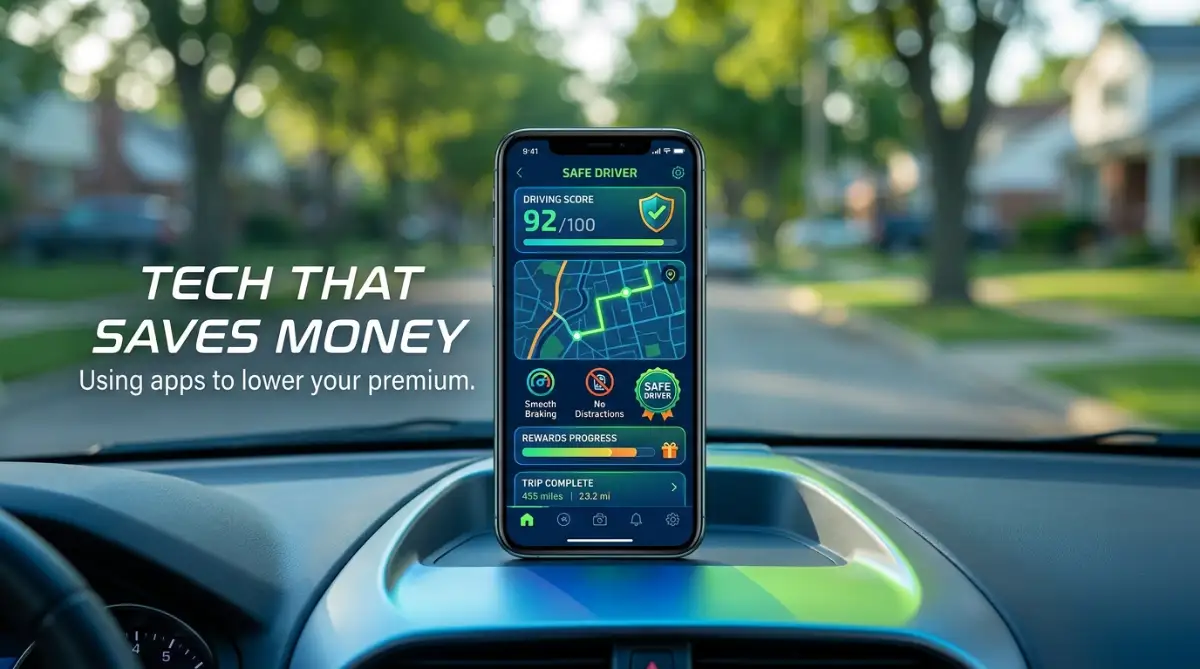
We are living in an era where your smartphone can actually save you money on your monthly bills. Almost every major provider now offers a telematics program or a safe-driving app that you can download directly to your teenager's phone.
These apps use the phone's GPS and motion sensors to track exactly how the car is being driven. It measures things like hard braking, rapid acceleration, late-night driving, and even whether the driver is touching their phone while the car is moving.
By simply agreeing to let the company monitor the driving habits, you usually get an automatic sign-up discount. If your teen consistently drives safely, that discount can grow substantially over the next few months.
Are you unsure how these tracking apps actually work in the real world? Check out this excellent breakdown below that explains exactly how you can maximize your telematics savings.
[Insert YouTube Video Link Here]
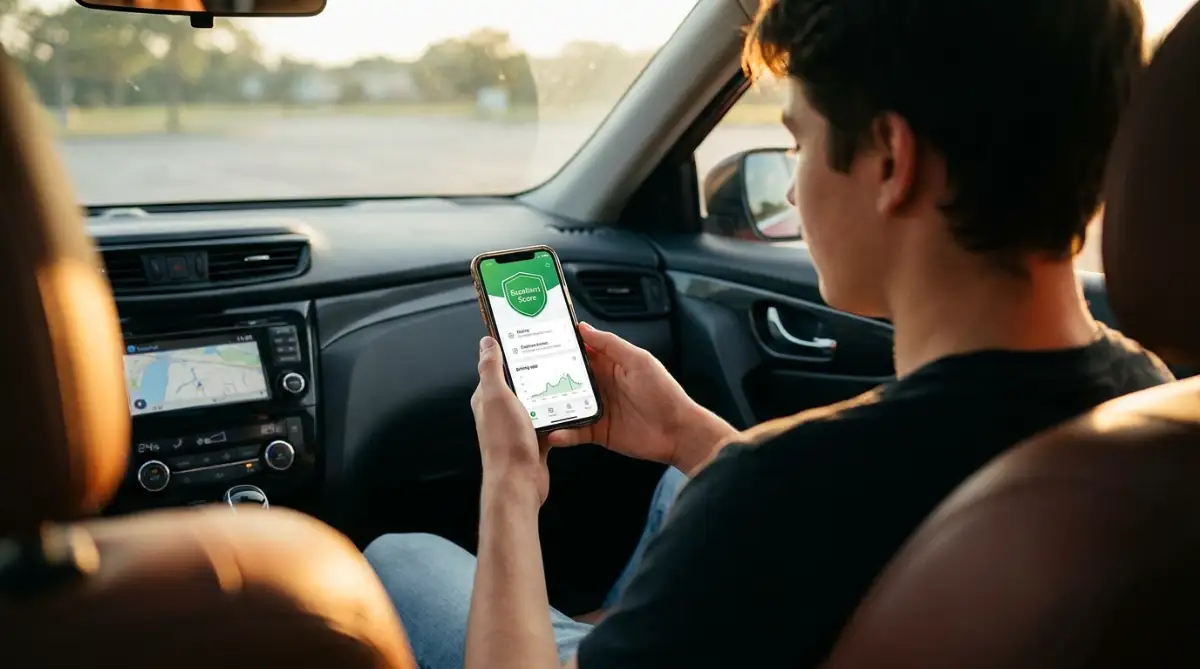
Many parents actually love these apps for reasons completely unrelated to money. It gives you a detailed daily report on how your child is behaving behind the wheel when you are not in the passenger seat. You can use this data to have constructive, honest conversations about their driving habits before a bad habit turns into an actual accident.
The Massive Impact of Choosing the Right Vehicle
If you are planning to buy a car specifically for your new driver, you need to be incredibly careful about your choice. The type of vehicle your teen drives has a massive impact on the final insurance quote.
Many teenagers dream of driving a sporty, fast car or a massive lifted truck. However, putting a young, inexperienced driver behind the wheel of a high-performance vehicle is an insurance nightmare. The rates will absolutely skyrocket because the vehicle is statistically more dangerous.
You want to look for a boring, heavy, and highly rated safety vehicle. Think about sensible sedans or compact SUVs with excellent crash test ratings, multiple airbags, and modern safety features like lane-assist and automatic braking.
Vehicle Comparison: Safety vs. Premium Costs
Here is a quick breakdown of how vehicle choices change the way companies view your risk profile:
Before you ever hand over cash to a car dealership, call your agent and ask them to run a quote on the specific VIN number of the car you want to buy. You might be shocked to find out that a slightly older, boxy sedan is dramatically cheaper to insure than a newer, flashy hatchback.
Quick Math: The Boring Car Bonus
Let's look at how the car you buy changes your bill:
- Sporty 2-Door Coupe (Used): Adds ~$1,200 a year to your premium.
- Boring 4-Door Sedan (Used): Adds only ~$500 a year to your premium.
- The Takeaway: Buy the heavy, slow, boring car. Your wallet (and your peace of mind) will thank you.
Adjusting Your Policy Details Wisely
Sometimes, getting the best rate requires taking a hard look at the actual structure of your policy. When you add a new driver, you might need to adjust your deductibles and coverage limits to balance the monthly budget.
Your deductible is the amount of money you have to pay out of your own pocket before the company steps in to cover the rest of a repair bill. If you currently have a very low deductible, like $250, your monthly payments are naturally going to be much higher.
By raising your deductible to $500 or even $1,000, you are taking on a bit more financial risk yourself. In exchange, the company will lower your monthly premium.
The Out-of-Pocket Risk Strategy
You need to be very honest with yourself about your savings account before making this move. If raising the deductible saves you $50 a month, that is fantastic. But you must ensure you actually have that $1,000 sitting in a bank account, ready to be used if your teen accidentally backs into a pole at the grocery store.
I suggest taking the money you save on the monthly premium and putting it directly into a separate emergency fund. This way, you are basically self-insuring for the small bumps and scrapes, while still maintaining heavy coverage for catastrophic accidents.
Rethinking Comprehensive and Collision Coverage
If your teenager is driving a much older, used car, you need to evaluate whether you even need full coverage. Comprehensive and collision coverage are designed to pay for the repairs or replacement of your own vehicle if it gets damaged.
However, if the car is only worth a couple of thousand dollars, you might be paying more in insurance premiums over a few years than the actual car is even worth.
Knowing When to Drop Full Coverage
A good rule of thumb is to look at the actual cash value of the vehicle. If the annual cost of comprehensive and collision coverage equals 10% or more of the car's total value, it might be time to drop those coverages entirely.
If you drop full coverage, you will only carry liability insurance. This means if your teen causes a crash, the company will pay to fix the other person's car, but you will get absolutely nothing to fix your teen's car. It is a gamble, but for a 15-year-old rusty sedan, it is often the smartest financial move you can make.
Always keep your liability limits high, though. Teenagers are prone to making mistakes, and if they cause a serious accident with medical bills, you do not want your personal assets, like your house, to be at risk because you carried the bare minimum liability limits.
The Power of Continuous Communication
The absolute best way to manage this whole process is by maintaining a totally open line of communication with your agent. Do not just wait for the renewal bill to arrive in the mail every six months.
Call them proactively. Ask them to review your account and search for any new discounts that might have appeared in their system. Life situations change constantly, and companies frequently update their promotional offerings.
Maybe your teen just joined a university organization that has an affiliation discount. Maybe they took a part-time job and are driving fewer miles than originally estimated. Every single detail about their daily routine can potentially be leveraged into a lower rate.
Setting Ground Rules at Home
While we can talk about paperwork and discounts all day, the most effective way to keep your rates low is by preventing accidents from happening in the first place. You have to establish incredibly strict ground rules at home.
Create a physical driving contract and have your teenager sign it. Lay out exactly what is expected of them when they hold those car keys. Zero phone usage while the car is in drive should be the absolute most important rule on that paper.
Limit the number of friends they are allowed to have in the car. Statistics show that the risk of a fatal crash multiplies with every additional teenage passenger sitting in the back seat. Distractions are the ultimate enemy of an inexperienced driver.
Make sure they understand that driving is a highly earned privilege, not a basic human right. If they get a speeding ticket, the insurance company will find out, and the rates will explode all over again. In our house, we made an agreement: if a traffic ticket causes our premium to jump, the teenager is personally responsible for paying the exact difference in the monthly bill out of their own pocket.
This simple rule suddenly makes them deeply invested in the financial side of driving. When their own hard-earned money from a part-time job is on the line, they suddenly become much more aware of the speed limit signs.
By combining these strategic policy adjustments with strong parental guidance, you can absolutely survive these difficult teenage driving years without completely emptying your bank account. It takes effort, patience, and a lot of deep breaths, but watching them gain independence safely makes the entire journey entirely worthwhile.
Next-Level Strategies to Keep Your Family Budget Intact
If you have already applied the basic discounts and installed a tracking app, you are off to a fantastic start. However, the truly massive savings happen when you start treating your auto policy like a game of strategy.
Insurance companies rely heavily on the fact that most customers simply pay their renewal bills without asking any hard questions. They expect you to be too busy with work and family life to dig into the fine print.
But if you are willing to spend just one afternoon reorganizing your family's driving profile, you can unlock secret savings that most agents will never openly advertise. Let me share some of the most powerful, insider tactics you can use to force your premium down to a manageable level.
The Brilliant "Assigned Vehicle" Trick
This is perhaps the best-kept secret in the entire auto coverage industry. When you add a new teenager to your family plan, the computer system automatically assumes they might drive the most expensive car in your driveway.
If you own a beautiful, brand-new SUV and an older, heavily used sedan, the system often spreads the high risk of your teen driver across both of these vehicles. This causes your total bill to explode for no logical reason.
You need to call your agent directly and demand that your teenager be officially "assigned" exclusively to the cheapest, oldest vehicle on your policy. You are basically making a promise to the company that your kid will never get behind the wheel of the expensive family car.
By tying their high-risk profile strictly to a low-value vehicle, the math completely changes in your favor. The premium jump becomes much smaller because the company knows they will not have to replace a $40,000 SUV if your teenager makes a rookie mistake.
Leveraging the "Resident Student" Loophole
Fast forward a little bit. What happens when your teenager finally graduates high school and heads off to a university? Most parents simply leave them on the policy as a daily driver, continuing to pay top dollar for a kid who isn't even sleeping in their house anymore.
If your child goes to a college that is more than 100 miles away from your home, and they do not take a car with them, you need to notify your agent immediately. Almost every major provider offers a massive "student away at school" discount.
The logic here makes perfect sense. If they are living on a college campus 200 miles away, they are mostly walking to class or riding the bus. They are only driving your family cars during Thanksgiving, winter break, or random weekends.
Because they are spending significantly less time on the open road, their statistical risk drops completely to the floor. The company will drastically reduce their portion of the bill while still keeping them legally covered for those occasional holiday visits home.
Why Buying More Protection Actually Saves Your Wallet
This next strategy sounds totally backward, but I promise you it works beautifully. When you have a high-risk driver in your house, you should seriously consider buying a personal umbrella policy.
An umbrella policy is a completely separate layer of extra protection that sits on top of your regular auto limits. If your teenager accidentally causes a massive, multi-car pileup, your standard liability limits might run out very quickly.
If the medical bills from the other drivers exceed your coverage, those injured people can legally come after your personal savings, your investments, and even your family home. For just a few hundred dollars a year, an umbrella policy gives you an extra million dollars in financial protection, which you can read about in this detailed guide on understanding personal umbrella liability policies.
The secret bonus here is that many providers offer a hefty "multi-line discount" when you bundle an umbrella policy with your auto and home coverage. Sometimes, this special bundling discount is actually larger than the cost of the umbrella policy itself! You end up getting a million dollars in extra protection while completely lowering your overall monthly payment.
Guarding Your Financial Health to Protect Your Rates
Did you know that your personal financial habits directly dictate how much you pay for your teenager's driving privileges? In almost every state, insurance companies actively monitor your credit score to determine your overall reliability.
They use complex algorithms to figure out how consumer credit data influences pricing across the board. If you miss a few credit card payments, your auto premium is going to jump, even if you have a completely flawless driving record.
Maintaining your family budget is tough, especially in today's economy. If you are currently paying off heavy loans, learning how debt consolidation affects your credit score the hidden truth is extremely important. Fixing a poor credit rating directly and immediately lowers your auto rates.
Managing your household expenses often feels like running a small business. Just like smart founders figure out how to 7 proven steps to build a brand on a tight budget without fear, you can absolutely manage these massive new auto premiums if you stay highly disciplined with your personal finances.
The Most Dangerous Pitfalls Parents Fall Into
While trying to save money is a great goal, you have to be extremely careful not to cross the line into dangerous territory. Many well-meaning parents try to outsmart the system and end up making massive mistakes that cost them everything.
These errors usually happen when families panic over a high renewal quote. Instead of having an honest conversation with their agent, they try to hide information or cut corners in ways that completely backfire.
Let me walk you through the most terrifying traps I have seen other parents fall into, so you can avoid this exact same heartbreak.
The "Ghost Driver" Disaster
By far, the absolute biggest mistake parents make is simply not telling their insurance company that their teenager has a license. They think they can just keep their kid a secret to avoid the premium spike.
They tell themselves, "My daughter is a great driver. She only takes the car to the grocery store and back. The company doesn't need to know yet." This is known in the industry as "unlisted driver fraud," and it is incredibly dangerous.
Imagine your teenager gets into a severe accident on a rainy Tuesday afternoon. When you file the claim, the very first thing the claims adjuster will do is check who was driving.
When they discover an unlicensed, unlisted teenager was behind the wheel, they have every legal right to completely deny your claim on the spot. You will be held 100% personally responsible for repairing your car, replacing the other person's car, and paying all the medical bills out of your own pocket. On top of that, your provider will likely drop you as a customer permanently.
Slashing Your Liability Limits
Another massive pitfall happens when parents decide to just lower their liability coverage to the state minimums. They look at their new, high bill and start stripping away coverage to make the numbers look pretty again.
State minimum limits are dangerously low. In some places, the minimum required coverage for property damage is only $10,000.
Think about the cars driving around your town right now. If your teenager accidentally rear-ends a new electric vehicle or a luxury truck, that $10,000 will barely cover a single headlight and a bumper replacement.
Once your policy pays out that tiny maximum limit, the other driver's lawyers will immediately come directly after you for the remaining balance. Saving fifty bucks a month by lowering your limits is never worth risking your entire life savings.
Ignoring the Power of Organized Tracking
Teaching a teenager to drive requires extreme patience, heavy structure, and constant monitoring. You cannot just hand them the keys and hope for the best.
Honestly, managing a new driver is so complex that you might want to borrow some 7 proven agile methodologies to skyrocket remote startup growth step by step or even 7 proven project management frameworks for software teams avoid these mistakes just to keep their practice schedules and driving logs perfectly organized!
Jokes aside, you must use data to your advantage. Modern driving apps are incredibly smart. In the same way that 7 proven ways artificial intelligence is transforming healthcare diagnostics save time, this exact same predictive technology is now being used by insurers to analyze your child's braking habits.
If you refuse to use these telematics apps because of silly privacy fears, you are literally leaving hundreds of dollars on the table every single year. You should lean completely into this modern technology to prove your kid is safe and secure.
A Clear Action Plan for Stressed Families
Adding a young driver to your auto policy is always going to sting financially at first. There is no magic wand that will make a 16-year-old driver as cheap to insure as a 40-year-old accountant.
However, you now have a massive toolkit of completely legal, highly effective strategies to fight back against those high rates. You are no longer flying blind in this confusing process.
Start by choosing the safest, oldest, and most boring car possible for your teenager. Push them hard to maintain excellent grades, and enroll them in a verified defensive driving class before they ever take their road test.
Make sure you officially assign them to the cheapest vehicle on your policy, and do not be afraid to download the company's tracking app to prove they are a responsible citizen behind the wheel. Always remember to check the latest safety guidelines for young drivers and actively discuss the dangers of distracted driving at the dinner table.
You also need to become a proactive shopper. Do not show blind loyalty to an insurance company that does not reward you. Every single time your policy comes up for renewal, jump online and get at least three different quotes from competing providers.
Sometimes, one specific company decides they want to attract more family policies in your zip code, and their algorithms will spit out a remarkably lower rate than your current provider. If you never take the time to look around, you will never find those hidden discounts.
I know how incredibly heavy and stressful this transition feels right now, because I walked this exact same frustrating path with my own kids. But please believe me when I tell you that the financial shock is temporary, and watching your teenager safely drive themselves to their first real job is an amazingly proud moment. Take a deep breath, apply these exact strategies today, and you will absolutely protect both your family and your hard-earned budget.
Common Questions About Young Driver Coverage
Can I temporarily remove my teenager from the policy if they get a ticket?
No, you really should not do this. If they live in your household and have an active license, almost every insurance provider legally requires them to be listed on your policy. Removing them secretly is considered fraud and can result in your entire policy being canceled immediately.
Do I need to add my child while they only have a learner's permit?
Usually, no. Most companies extend your current coverage to a driver with a learner's permit for completely free, as long as a licensed adult is sitting in the passenger seat. You typically only need to officially add them and start paying extra the very day they pass their road test and get their permanent license.
When will my teenager's rates finally start to go down?
You will start seeing small, gradual price drops every year they drive without getting into an accident or receiving a traffic ticket. However, the most massive and noticeable price drop usually happens right when they hit their 25th birthday, as long as their driving record stays totally clean.
Does the color of my teenager's car affect the premium?
No, this is a very popular, old myth! Insurance algorithms absolutely do not care if the car is bright red, neon green, or boring silver. They only care about the vehicle's engine size, the historical crash safety ratings, and the overall cost of replacement parts.
Disclaimer: This article is for informational and educational purposes only and does not constitute formal financial, legal, or professional insurance advice. Insurance regulations, discounts, and pricing models vary significantly by location and provider. Always consult directly with a licensed insurance agent or financial advisor to discuss the exact details, limits, and requirements of your specific policy before making any binding financial decisions.
![The Ultimate Guide to Surviving Estate Settlements [Step-by-Step]](https://vimex24.com/storage/uploads/blogs/1789115850_the-ultimate-guide-to-surviving-estate-settlements-step-by-step.webp)
![7 Hidden Secrets to Navigating Complex Estate Payouts [Avoid Family Drama]](https://vimex24.com/storage/uploads/blogs/1789114950_7-hidden-secrets-to-navigating-complex-estate-payouts-avoid-family-drama.webp)