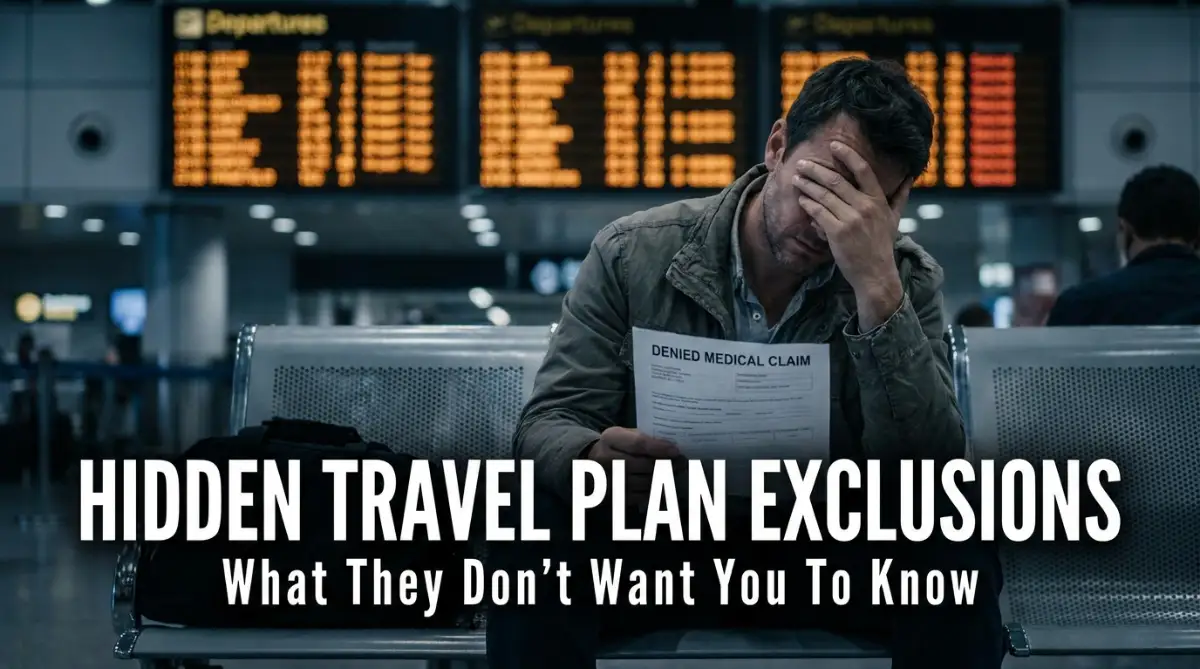
Why That "Comprehensive" Travel Policy Might Leave You Stranded
Have you ever handed your travel protection card to an overseas doctor, only for them to shake their head? It is an awful feeling. You paid good money for peace of mind, but a sneaky little rule about "unpaved roads" or "unlicensed scooters" just left you stuck with a massive medical bill. Let's cut through the confusing fine print so you never get tricked by standard travel plans again.
So many of us buy standard travel protection just to check a box before a big trip. We assume that if we get sick, lose our bags, or face a flight cancellation, the insurance company will step in to save the day. But the harsh reality is often very different.
Every single day, ordinary travelers are left completely stranded in foreign countries.
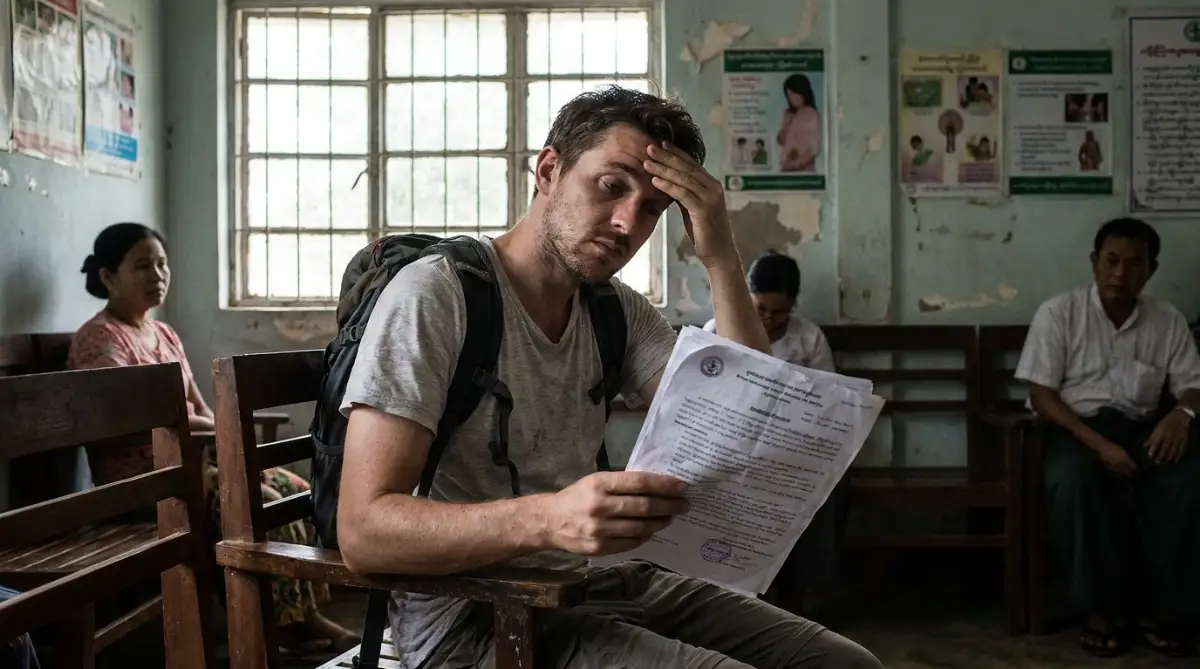
They max out their credit cards to pay for emergency surgeries or sleep on airport floors because their hotel coverage was denied. This happens because standard policies are packed with hidden rules that regular people simply do not know about..
You might be thinking you are safe because you always buy from big, reputable brands. But the truth is, the brand name does not matter if the contract itself is full of tricky language. Insurance companies are businesses, and their main goal is to protect their profits, not your vacation.
If you have ever felt nervous about what is actually covered in your policy, you are definitely not alone. We are going to look closely at exactly how these companies operate behind the scenes.
Myth vs. Fact: What You Think You Bought vs. What Actually Happens
- Myth: "I am covered if I get sick!"
- Fact: Not if the doctor ties it to a pre-existing condition you visited a clinic for three months ago.
- Myth: "My stolen laptop is fully covered."
- Fact: They will only pay its depreciated (used) value, and only if you hand them a stamped police report filed within 24 hours.
You will learn exactly what to look for so you never have to experience that sinking feeling of a denied claim.
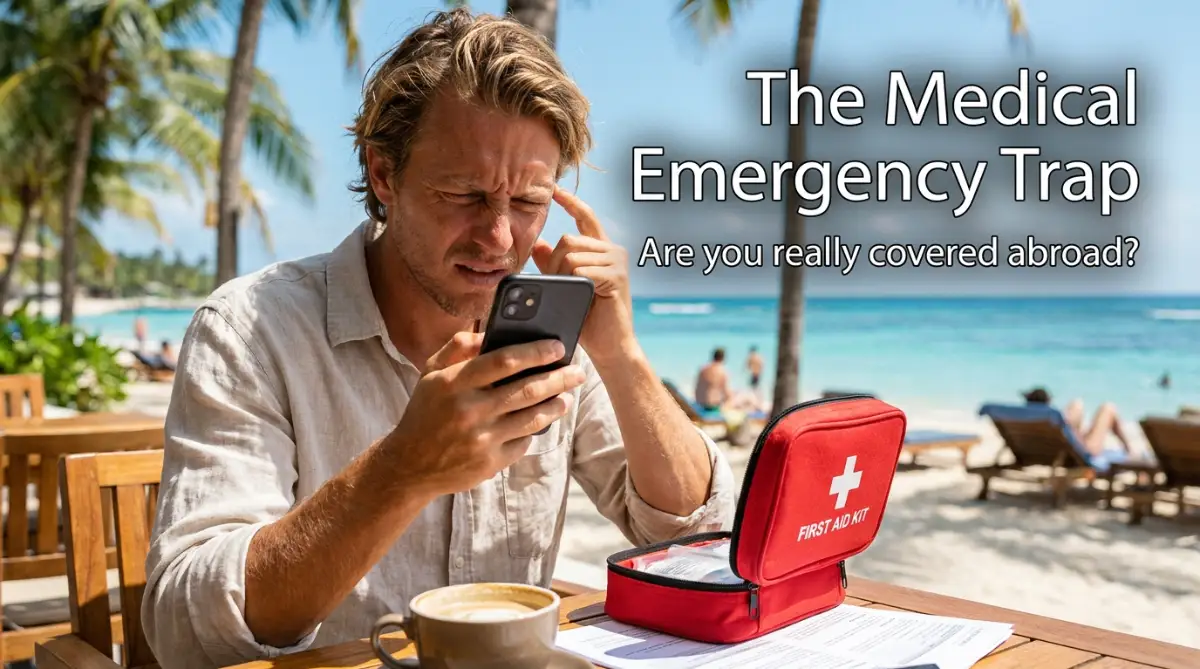
Quick Summary: Don't Let Fine Print Ruin Your Trip
- The 24-Hour Rule: Report any stolen items to local police immediately. Wait two days, and your claim is dead.
- Add-ons Are Mandatory: Standard plans rarely cover mental health issues, extreme sports, or existing health problems.
- Primary is King: Always buy "Primary" medical coverage so you do not have to fight your local home health network first.
How to Spot the Traps Before You Pay
Let's break down exactly how these companies hide their most common exclusions. You do not need a law degree to understand your policy. You just need to know where they hide the traps.
The "Pre-Existing Condition" Illusion
One of the biggest reasons claims get denied is the pre-existing condition rule. Most standard plans will absolutely not cover any medical issue you had before buying the policy. But the way they define "pre-existing" can be incredibly sneaky.
Think of it like buying a house with a leaky roof. If the roof was leaking before you bought the home insurance, the company will not pay to fix it. The same logic applies to your health.
If you visited a doctor for slight chest pain three months before your trip, the company might use that against you. Even if you were just prescribed a new medication for high blood pressure, they can claim your condition was not "stable." They will dig into your medical records to find any excuse to deny a health-related claim.
To protect yourself, you need to look for a "Pre-Existing Condition Waiver." This is a specific add-on that forces the company to cover your past medical issues. You usually have to buy this within 14 days of making your first trip deposit.
While booking my last trip to the Swiss Alps, I made the mistake of assuming standard winter sports were covered by default. I ended up calling the provider just to double-check, and they informed me that skiing off-piste required an extra add-on fee. Since then, I always call the hotline and ask specific questions about my planned activities.
The Alcohol and Intoxication Loophole
This is a trap that catches thousands of tourists completely off guard every single year. Almost every standard travel protection plan has an intoxication exclusion. If you have alcohol in your system when an accident happens, your claim will likely be denied.
Imagine you are having a wonderful dinner in Rome. You drink two glasses of wine with your pasta. On the walk back to your hotel, you slip on a wet cobblestone street and break your wrist.
When you get to the hospital, the doctor notes in your file that you had alcohol on your breath. The insurance company will see that medical report and instantly deny your claim. They will argue that the alcohol contributed to your clumsy fall.
It does not matter if you were completely legally sober to drive. If the company can link the incident to alcohol or drugs, they will wash their hands of the situation. Always be incredibly careful about your activities if you plan on drinking during your vacation.
What Counts as an "Extreme Sport"?
You probably know that skydiving or bungee jumping is not covered by a basic policy. But insurance companies have a very weird definition of what counts as an "extreme sport." You might be shocked to learn what is actually on their banned list.
Many standard plans exclude basic activities like scuba diving, ziplining, or even riding a scooter. Some policies will even deny claims if you go trekking above a certain altitude. If you plan to hike in places like Peru or Nepal, a standard plan will almost certainly fail you.
Before you book any tours, read the specific list of excluded activities in your contract.
My Quick Checking Habit: Don't ever trust the hotel guide when they say "insurance covers this." I always download my policy PDF on my phone and do a quick search for keywords like "scooter," "altitude," or "intoxicated" right before I agree to any local tours. It takes five seconds but saves thousands of dollars.
If your planned activity is on that list, you must buy an adventure sports add-on. Do not just assume you are safe because the activity is offered by your hotel.
The Out-of-Network Clinic Trap
Getting sick in a foreign country is scary enough. But finding out you went to the "wrong" hospital is a nightmare. Many protection plans require you to visit specific medical facilities within their approved network.
If you have a medical emergency, your first instinct is to rush to the nearest clinic. However, if that clinic is private and not on your insurance provider's list, you will have to pay completely out of pocket. The company might refuse to reimburse you later.
Always call your provider's 24-hour emergency hotline before seeking treatment, unless it is a life-or-death situation. They will direct you to an approved hospital where your coverage actually works. Keep their emergency number saved in your phone and written down in your wallet.
Valuables and Electronics Depreciation
We all travel with expensive gear these days. Laptops, smartphones, and professional cameras are standard items in most backpacks. Naturally, you expect your policy to replace them if your bag is stolen.
Here is the frustrating truth. Standard plans place strict limits on electronics, often capping payouts at a very low amount. Even worse, they pay you based on the depreciated value of the item, not what it costs to buy a new one.
If your three-year-old laptop gets stolen, they will not give you enough money to buy a brand-new model. They will calculate how much a used, three-year-old laptop is worth and hand you that small amount. On top of that, you must provide original receipts to prove you actually owned the item.
If you are traveling with expensive gear, you are much better off scheduling those items under your home or renter's insurance. Relying on a basic travel plan to protect a high-end camera is a massive mistake.
The "Cancel for Any Reason" Misunderstanding
Trip cancellation is the main reason most people buy these plans. You assume that if you get sick, lose your job, or simply decide not to go, you will get your money back. That is absolutely not how it works.
Standard cancellation coverage is extremely strict. It is known as "named peril" coverage. This means you can only cancel for a specific list of reasons written in the contract.
If you cancel because your pet gets sick, or because you are afraid of a storm that hasn't hit yet, you get nothing. The only way to get true flexibility is to buy a "Cancel For Any Reason" (CFAR) upgrade. This upgrade is expensive, but it is the only way to guarantee a refund if you simply change your mind about the trip.
Even with a CFAR upgrade, you usually only get 50% to 75% of your money back, not the full amount. Always read exactly what triggers a valid cancellation before you hand over your credit card details.
Epidemics, Pandemics, and Government Borders
Recent global events have completely changed how travel protection works. In the past, companies rarely worried about global border closures. Now, almost every standard policy has strict rules regarding government actions and widespread sickness.
If a country suddenly closes its borders while you are on a plane, your standard policy likely will not cover your immediate flight back home. They classify government border closures as an uninsurable event. You are left entirely on your own to figure out a new flight.
Similarly, if you get quarantined in a hotel upon arrival, standard plans often will not pay for those extra hotel nights. You need a policy that specifically states it covers quarantine accommodation. Never assume that global health emergencies are covered by default.
Unapproved Transportation Methods
How you choose to get around on your vacation matters a lot to your insurance provider. If you take a licensed taxi and get into an accident, you are usually perfectly fine. But what if you decide to hitchhike or use an unlicensed local boat taxi?
Many standard plans strictly state that you must be traveling in a licensed, commercially regulated vehicle. If you take a cheap, unregulated ferry between islands and it sinks, your claim could be denied. They will state that you took an unnecessary risk by avoiding official transportation.
Always stick to registered, official transport options when moving between cities or countries. Keeping your ticket receipts is also a great way to prove you were using a legitimate service.
The Delayed Baggage Minimum Hour Rule
Arriving at your destination without your suitcase is incredibly frustrating. You want to march straight to a store and buy fresh clothes using your insurance money. However, you must wait before you start shopping.
Almost all policies have a strict time delay requirement before baggage benefits activate. Usually, your bag must be delayed for at least 12 to 24 hours before you can claim any expenses. If your bag arrives 11 hours later, all those clothes and toiletries you bought will not be reimbursed.
Always check the specific hourly requirement in your document. When you do buy essential items, stick to the basics like underwear, a toothbrush, and a simple shirt. If you buy designer sunglasses and expensive shoes, the claims department will reject those items as non-essential.
Mental Health and Nervous Disorders
This is a deeply unfair exclusion that many travelers discover the hard way. The vast majority of basic travel plans completely exclude any issues related to mental health. If you experience a severe panic attack and need hospitalization abroad, you are likely on your own.
If you have to cancel your trip due to a sudden bout of severe depression, a standard policy will not accept that as a valid medical cancellation. They usually require a physical illness or injury to trigger the cancellation benefits.
If you have a history of mental health struggles, you must seek out a premium policy that explicitly includes mental health coverage. Do not let a standard provider dismiss your valid health concerns just because they are not physical.
Failing to Provide a Police Report Fast Enough
Let's say your phone is pickpocketed while you are walking through a crowded market. You are upset, so you go back to your hotel to calm down and cancel your credit cards. Two days later, you finally go to the local police station to report the crime.
By waiting two days, you probably just ruined your chance of a successful insurance claim. Standard plans usually mandate that theft must be reported to the local authorities within 24 hours of the incident. If the police report is dated later than that, the company will automatically reject you.
Whenever something is stolen, drop everything and go to the police station immediately. Get a physical, stamped copy of the police report. It does not matter if the police say they cannot find your item; you just need that official paper to satisfy the insurance company.
Understanding "Primary" vs "Secondary" Medical Coverage
This is a sneaky little detail that causes massive headaches for ordinary travelers. When you read that you have $100,000 in medical coverage, you assume the travel company will pay the hospital directly. But you need to check if your coverage is primary or secondary.
If your travel plan is secondary, it means they will force you to file a claim with your regular home health provider first. You have to go through all the trouble of getting denied by your home provider before the travel company will step in. This delays your payout by months.
Primary coverage is exactly what you want. It means the travel provider takes full responsibility immediately, without making you fight with your home health network. Always look for the word "Primary" when comparing different medical protection options.
The Dental Emergency Limits
Tooth pain can ruin a trip faster than almost anything else. If you bite down on a hard piece of food and crack a tooth, you need immediate help. But standard policies treat dental emergencies very differently than medical ones.
Usually, dental coverage is capped at a shockingly low amount, sometimes as little as $500. Worse, they only cover acute injury to sound, natural teeth. If you lose a filling or a crown falls out, they might refuse to pay, claiming it is a maintenance issue rather than an unexpected injury.
If you are traveling for a long time, standard dental coverage simply will not be enough to handle a major root canal or extraction. Keep extra emergency funds available just in case you need serious dental work overseas.
Why Ignorance Is Never an Excuse
At the end of the day, the claims adjuster does not care if the rules were hard to read. They do not care if the font was small or if the language was complicated. By purchasing the plan, you legally agreed to all those hidden conditions.
You have the power to take control of your travel safety. It just takes a little bit of extra time to read through the document. Knowing exactly what is excluded gives you the ultimate freedom to travel without constant anxiety.
You can confidently book your tours, eat the local food, and enjoy your adventure knowing you have navigated the traps successfully. Protecting yourself is about being proactive, asking the right questions, and never assuming a company has your best interests at heart.
Smart Strategies to Outsmart Tricky Travel Contracts
You already know that buying a basic policy without reading the rules is a recipe for disaster. Now, it is time to flip the script and take complete control over your travel safety. There are specific, expert-level steps you can take to ensure your claims get approved almost every single time.
First, never buy the default coverage offered at the airline checkout page. When you book a flight, the airline usually prompts you to add trip protection for a flat fee. This option is almost always heavily restricted and designed to protect the airline's bottom line, not your vacation.
Instead, you should use third-party comparison websites to shop for independent policies. By comparing different providers, you can clearly see which companies offer true medical evacuation benefits and which ones only offer basic flight delay perks. Taking just ten extra minutes to shop around can save you from a massive financial headache later.
Another major secret is mastering the art of documentation before you even leave your house. Most people only start taking photos after an accident happens. I highly recommend taking a clear video of the contents of your suitcase while you are packing.
If the airline loses your luggage, the insurance provider will demand proof of everything you claim was inside. A simple time-stamped video on your phone serves as undeniable evidence of your belongings. This small habit makes the reimbursement process incredibly smooth and fast.
Navigating Medical Paperwork Like a Pro
If you actually have to visit a clinic abroad, how you communicate with the local doctor changes everything. The claims department back home will scrutinize every single word written in your medical report. You must ensure the local doctor writes down the exact cause of your injury very clearly.
For example, if you get food poisoning, do not let the doctor just write "stomach pain" on your official discharge papers. Ask them to specifically write "acute food poisoning" or "gastrointestinal infection." Vague symptoms give the insurance adjusters a perfect excuse to deny your payout, claiming it was a pre-existing stomach issue.
You should also request that all medical documents be printed in English if possible. If the hospital can only provide documents in the local language, you might be forced to pay for a certified translation out of your own pocket later. Speaking up at the clinic saves you a tremendous amount of administrative work.
While you are managing these stressful situations, remember to secure your personal data. Filing claims from a foreign hotel lobby means you are likely uploading your passport and health records over an open Wi-Fi network. You must prioritize protecting your sensitive data on public networks by using a reliable VPN before submitting any private documents to your provider.
The "Call Them First" Golden Rule
We touched on this earlier, but I cannot emphasize it enough. The moment you realize something is going wrong with your trip, you must call the provider's emergency hotline immediately. Do not wait until you are completely settled in your new hotel or halfway through your medical treatment.
These companies have massive networks of approved partners all over the globe. If your flight is canceled due to a storm, calling the hotline might get you rebooked faster than waiting in line at the airport counter. The representatives have direct access to resources that regular travelers simply cannot see.
If you are traveling with a large group or bringing your children along, managing everyone's coverage becomes much more complicated. You must ensure that every single person is explicitly listed on the official document. Just like adjusting standard coverage for younger family members requires specific paperwork at home, adding kids to a travel plan requires absolute precision.
Always keep a printed copy of your full policy document in your carry-on bag. Having the physical paper means you can easily check the rules even if your phone battery dies or you lose internet access. It is an old-school trick, but it is incredibly effective during an unexpected crisis.
For the most accurate and updated advice on staying healthy abroad, you should always review the CDC's official travel health guidelines before deciding which health coverage add-ons you need. Aligning your protection plan with professional health recommendations is a incredibly smart move.
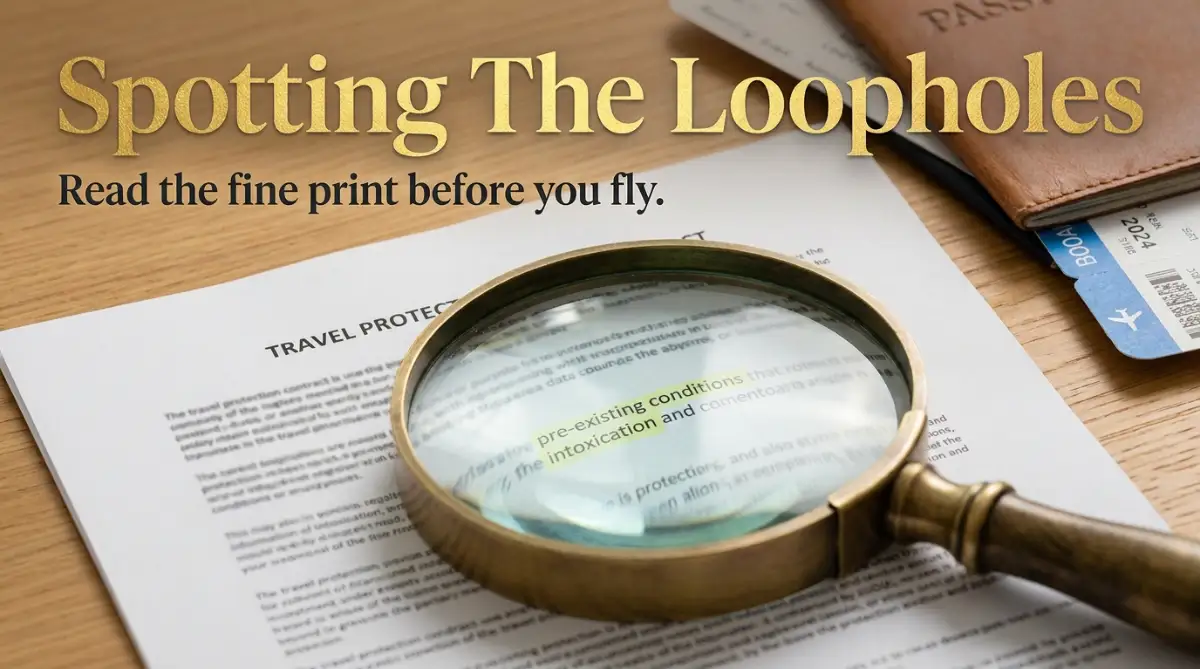
The Most Dangerous Traps Travelers Fall Into
Even with the best intentions, smart travelers make devastating mistakes simply because they trust the system too much. One of the most heartbreaking situations is watching a family go completely bankrupt over an honest misunderstanding of their policy limits. We need to look at exactly where things go horribly wrong.
A massive pitfall is blindly relying on the travel protection attached to your premium credit card. Many travel bloggers praise these credit cards, making it seem like you are fully covered just by paying your annual fee. However, the fine print on these cards is often shocking.
Credit card travel plans generally focus on minor inconveniences like delayed bags or canceled domestic flights. They almost never provide enough medical evacuation coverage if you need a specialized air ambulance. An air ambulance across the ocean can cost well over $100,000, and your shiny metal credit card might only cover a tiny fraction of that amount.
Relying solely on credit cards is a perfect example of ignoring the hidden costs of credit card limits when your actual health is on the line. You should treat credit card perks as a nice bonus, not as your primary safety net. Always buy a dedicated medical plan for international adventures.
The Danger of Ignoring Local Laws
Another huge mistake is assuming your coverage applies if you break a local law, even accidentally. Tourists love renting mopeds or scooters in places like Thailand, Greece, or Mexico. It feels like a fun, breezy way to explore the coastline.
What the rental shop will not tell you is that driving without a valid, local motorcycle license is technically illegal in many of these countries.
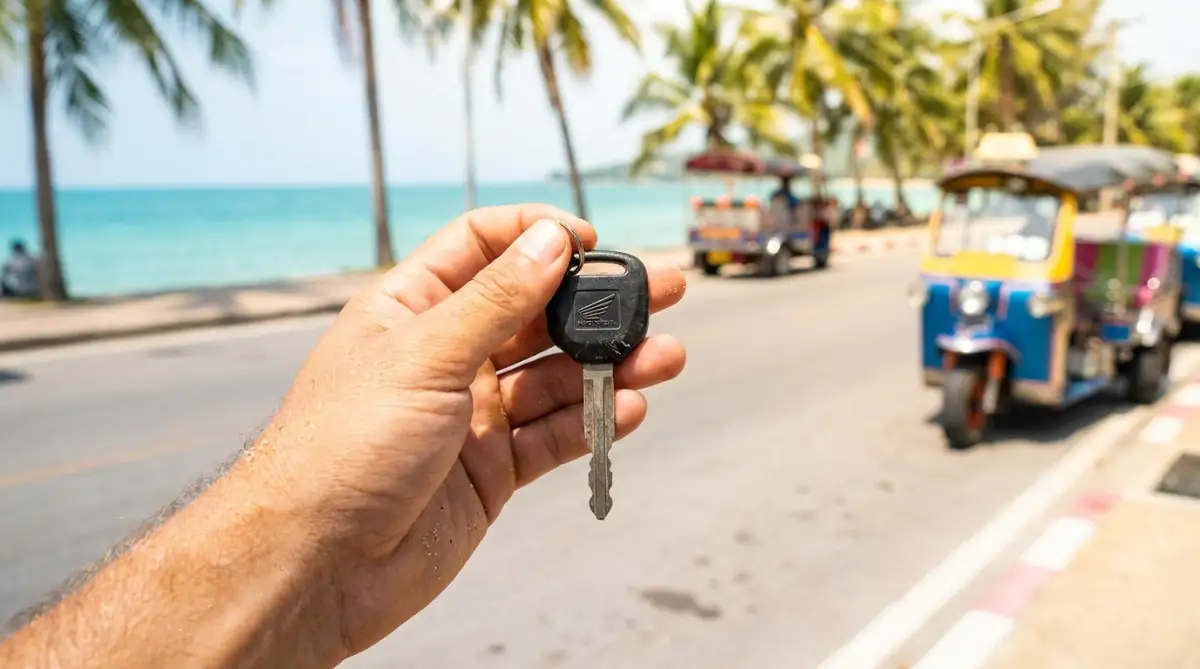
If you crash that scooter and break your leg, the hospital will treat you, but the insurance company will investigate the police report. When they see you did not have the proper license, your entire claim will be instantly thrown out.
The provider will state that you were participating in an illegal activity. You will be stuck paying thousands of dollars for surgery out of your own pocket. If you plan on driving any vehicle abroad, make sure you understand the local licensing laws and how they affect your policy.
If you are renting a normal car, you also have to think about collisions with other drivers. Just like at home, you need to be prepared for accidents caused by people who have no money to pay for your damages. Knowing the rules about understanding uninsured coverage benefits can save you from paying for someone else's reckless driving abroad.
Lying on the Medical Questionnaire
When applying for premium plans, companies often require you to fill out a health questionnaire. Some travelers think they can just casually check "No" on every box to get a cheaper rate. They assume the company will never actually check their medical history.
This is a terrible assumption. Insurance companies employ entire teams of investigators whose only job is to find inconsistencies in your medical past. If you claim a heart issue on your trip but failed to disclose your high blood pressure medication on the application, they will find out.
Lying or omitting information on these forms is considered insurance fraud. Not only will your current claim be denied, but you could be blacklisted from purchasing protection in the future. Always be completely honest about your health history, even if it makes the upfront cost a little bit higher.
If you feel overwhelmed by the legal jargon in these questionnaires, you are not alone. Many consumers struggle with navigating tricky policy requirements across all types of financial agreements. Take your time, read every single question slowly, and call the company if you are confused about a specific medical term.
To understand your legal rights as a consumer regarding complex contracts, you can always refer to resources provided by the National Association of Insurance Commissioners. Being educated on your basic consumer rights is the best defense against unfair claim denials.
Your Blueprint for Stress-Free Adventures
Understanding these hidden rules does not mean you should stop traveling. In fact, it means you can explore the globe with more confidence than ever before. You now have the knowledge to see right through the tricky marketing tactics that fool ordinary tourists.
The secret to a great trip is simply being proactive. By taking a few extra minutes to read the detailed exclusions, you are protecting your hard-earned money and your family's future. You know exactly when to buy an add-on, how to document your belongings, and who to call during an emergency.
When you treat your travel plan like a serious legal contract rather than a simple checklist item, everything changes. You stop hoping for the best and start preparing for reality. If an airline messes up your luggage, you will calmly check the Department of Transportation baggage regulations and file your claim with absolute certainty.
Traveling is supposed to be about creating wonderful memories, tasting amazing food, and experiencing new cultures. You deserve to enjoy those moments without a dark cloud of financial anxiety hanging over your head.
I really hope this guide helps you feel more empowered before your next big journey. My own frustrating experiences with denied claims taught me the hard way, but you can use these tips to stay completely protected and stress-free. Go out there, read the fine print, and enjoy every single moment of your vacation!
Smart Questions Every Traveler Asks About Protection Plans
Does standard travel protection cover lost passports?
Yes, most plans will offer a specific benefit to help you replace a stolen or lost passport. However, they usually only cover the administrative fees for the new document, not the extra hotel nights you might need while waiting for the embassy to process it. Always check the exact dollar limit for document replacement in your specific contract.
Can I buy a protection plan after my trip has already started?
In most standard situations, you cannot buy coverage once you have already left your home country. Companies do this to prevent people from buying a policy from a hospital bed after they get injured. You must purchase your plan before your official departure date to guarantee your benefits are active.
Are natural disasters or severe weather events always covered?
Weather coverage is incredibly tricky and depends heavily on timing. If you buy the policy after a specific hurricane has already been named on the news, any damage or cancellation caused by that storm will definitely not be covered. You must buy the plan before the natural disaster becomes a known, foreseeable event.
What happens if my chosen airline goes bankrupt before I fly?
This is known as "financial default" coverage, and it is entirely excluded from many basic, budget-friendly policies. If you want protection against an airline or tour operator going completely out of business, you must buy a premium plan that explicitly lists financial default as a covered reason for cancellation.
Do I really need extra coverage if I have excellent health insurance at home?
Yes, you absolutely do. The vast majority of domestic health networks provide exactly zero coverage once you step outside your home country. Even if they offer some emergency international perks, they will almost never cover the massive cost of an emergency medical flight back home.
Disclaimer: The information provided in this article is for educational and informational purposes only and does not constitute professional financial, legal, or insurance advice. Policy terms, exclusions, and coverage limits vary significantly between different providers and locations. Always carefully read your specific policy documents and consult with a licensed insurance representative before making any purchasing decisions. We are not responsible for any denied claims or financial losses resulting from the use of this information.
![The Ultimate Guide to Surviving Estate Settlements [Step-by-Step]](https://vimex24.com/storage/uploads/blogs/1789115850_the-ultimate-guide-to-surviving-estate-settlements-step-by-step.webp)
![7 Hidden Secrets to Navigating Complex Estate Payouts [Avoid Family Drama]](https://vimex24.com/storage/uploads/blogs/1789114950_7-hidden-secrets-to-navigating-complex-estate-payouts-avoid-family-drama.webp)