
The Crushing Weight of Unplanned Spending (How I Finally Escaped the Trap)
Have you ever looked at your bank account three days before payday and wondered where all your hard-earned money went? I used to feel that exact same panic every single month. It is not because you are bad with numbers, and it is definitely not because you lack willpower. The simple truth is, if you do not tell your money what to do, it will just quietly slip away. Let me show you the straightforward system that finally fixed my empty wallet problem.
I was working so incredibly hard, yet I had absolutely nothing to show for it. It was incredibly frustrating to feel like my money was controlling me, instead of me controlling my money. That constant anxiety is something so many hardworking people face every single day. You wake up worrying about how you will afford groceries for the upcoming week. The simple thought of an unexpected car repair makes your heart race with panic.
Living paycheck to paycheck destroys your mental peace completely. You feel terribly guilty whenever you buy something nice for yourself, even just a simple cup of coffee. The financial stress constantly leaks into your relationships, causing bitter arguments over things that should not even matter. You try so hard to build a comfortable life, but the numbers never seem to add up correctly.
Many people think they are just bad at math or simply lack the willpower to save. We blame ourselves heavily for not being disciplined enough to keep our bank accounts in the green. But the real problem is almost always just the lack of a proper, structured system. We are trying to win a complex game without actually knowing the rules.

🚀 Quick Action Guide: Take Back Your Wallet
- Give money a job: Assign every single dollar a clear purpose before the new month even starts.
- Track the real numbers: Base your spending plan on your actual take-home pay, not your gross salary.
- Plan for the "surprise" bills: Save up for yearly costs (like holiday gifts) little by little every month.
- Use physical cash: Stop overspending on food or fun by putting exact cash limits into paper envelopes.
The Complete Blueprint to Assigning Every Dollar a Specific Job
Most people approach money completely backward without even realizing it. They spend whatever they want throughout the month and simply hope there is something left to save at the end. But hope is not a dependable strategy for securing your personal finances. If you do not tell your money exactly where to go, you will always wonder where it went.
A zero-based budget flips this broken, reactive system completely upside down. It simply means your total expected income minus your total planned expenses must equal exactly zero. You intentionally assign a specific job to every single dollar before the new month even starts. This gives you absolute authority over your financial future.
Think of your money as a team of employees working directly for your household. If you do not give your employees a specific task, they will just wander off and achieve nothing. By giving every single dollar a clear name, you take back complete control. Let us break down exactly how you can build this powerful system for yourself right now.
Tracking Down Your True Monthly Income Like a Pro
You cannot possibly plan your spending if you do not know exactly how much money you actually have. This sounds incredibly simple, but many people get this part completely wrong. You must look strictly at your actual take-home pay, not your theoretical gross salary. Taxes and hidden deductions make a massive difference in your real spending power.
Check your recent bank statements to see exactly what hits your checking account. If you have a regular salaried job, finding this exact number is very easy. You just add up your predictable paychecks for the upcoming month. But you must also include any side hustle money or regular child support payments you receive.
But what if your income changes drastically all the time? Maybe you work as a freelancer, a delivery driver, or you rely heavily on customer tips. In that specific case, you should look at your absolute lowest earning month from the past half year.
Use that lowest number as your safe baseline income for your new spending plan. If you happen to make more money than that baseline, you can always adjust your plan later. It is much better to plan safely than to expect money that might never arrive. Planning for the worst guarantees you are completely safe.
Quick Cheat Sheet: Finding Your Real Spending Power
Let's make this super simple. Here is a quick example of how you should calculate your actual usable income before you plan anything:
| Income Source | Gross Amount | Hidden Deductions (Taxes, Insurance) | Real Take-Home Pay |
| :--- | :--- | :--- | :--- |
| Main Job | 3,500∣−
3,500∣−
750 | $2,750 |
| Weekend Gig | 400∣−
400∣−
50 | 350∗∗∣∣∗∗TotaltoBudget∗∗∣∗∗
350∗∗∣∣∗∗TotaltoBudget∗∗∣∗∗
3,900 | -800∗∗∣∗∗
800∗∗∣∗∗
3,100 |
Note: Only budget the $3,100. Pretend the rest does not even exist!
Exposing Your Real Spending Habits with Brutal Honesty
Now that you know exactly how much money is coming in, you must figure out where it is going out. You cannot change your financial habits if you refuse to look at the reality of your current spending. Take a deep breath and pull up your detailed bank statements from the last thirty days.
Grab a notebook or open a simple spreadsheet on your computer right now. Start writing down every single thing you bought over the last month, item by item. Do not skip the small things, because those tiny purchases add up incredibly fast. That three-dollar snack matters just as much as your monthly internet bill.
You might be completely shocked by how much you actually spent on eating out or random online shopping. This process is definitely not meant to make you feel guilty or deeply ashamed. It is simply a practical way to gather honest information about your own daily behavior. You cannot fix a leak if you do not know where the pipe is broken.
Once you see the raw numbers safely on paper, the truth becomes totally undeniable. You might realize that your daily convenience store run is costing you hundreds of dollars. This powerful realization is the very first step toward making a positive, lasting change.

Categorizing Your Expenses Without Losing Your Mind
With your income and past spending laid out clearly, it is time to build your new categories. A good spending plan covers everything you need to survive, plus the things you actually enjoy. The key is to be entirely realistic about what you truly need versus what you want.
First, you must take care of your Four Essential Walls: food, utilities, shelter, and transportation. These are your absolute survival categories that must be heavily funded before anything else. If you lose your job tomorrow, these are the only things that truly matter to keep your family safe.
Next, you need to list out your other important essential obligations. This includes things like health insurance payments, minimum debt payments, and basic personal care items. These are things you cannot easily cancel or ignore without facing immediate negative consequences.
Finally, you can freely create categories for your personal lifestyle and future goals. This includes weekend entertainment, dining out with friends, saving for emergencies, and investing for your future. This is exactly where you get to decide what brings you the most joy.
Here is a quick look at why this new method easily beats the old way of thinking:
If you want to see exactly how this math works in real time, check out this incredible breakdown. This visual walkthrough shows you exactly how to balance your income and expenses down to the very last penny.
Planning for the Things You Always Seem to Forget
The absolute biggest reason people give up on their money plans is unexpected expenses. But the honest truth is, most of these expenses are not actually unexpected at all. We just simply forget to plan for them because they do not happen every single month.
Think closely about things like routine car maintenance, holiday gifts, or annual subscription renewals. You know perfectly well that the holiday season happens at the exact same time every single year. Yet, we always act completely surprised when it arrives and angrily put the gifts on a credit card. This cycle of forced debt has to stop immediately.
To fix this common problem, you must create dedicated sinking funds. A sinking fund is simply a smart way to save a tiny bit of money each month for a known future expense. It turns a massive, scary yearly bill into a tiny, completely manageable monthly payment.
For example, if your car insurance costs six hundred dollars every six months, you do not panic when the bill eventually comes. Instead, you intentionally save one hundred dollars each month in a specific category. When the big bill finally arrives, the cash is already sitting there waiting perfectly for you.
The Secret Habit of Tracking Your Daily Spending
Writing down a beautiful plan on paper is easy, but actually sticking to it requires daily effort. A spending plan is totally useless if you do not track your progress throughout the entire month. You must instantly know how much money is left in your categories before you make any new purchase.
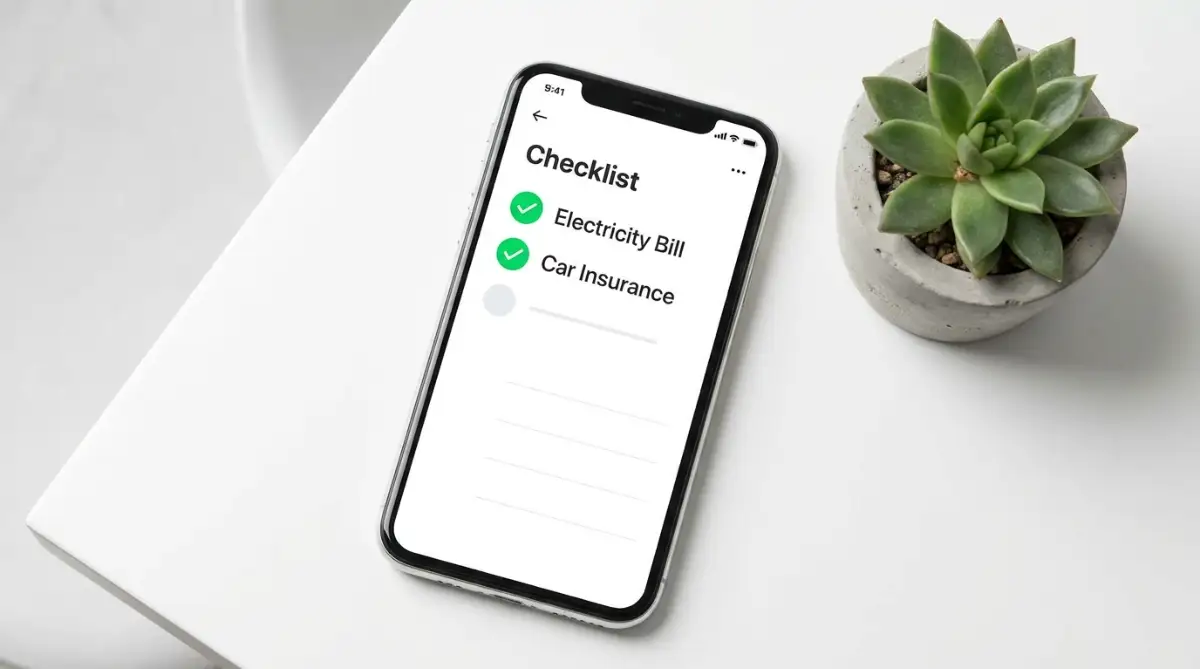
You do not need to carry around a heavy notebook everywhere you go these days. There are dozens of amazing, totally free smartphone apps that let you track your spending on the go. You can also use a simple digital spreadsheet if you prefer sitting comfortably at a computer screen.
The major secret is to log your purchases the exact moment they actually happen. If you buy groceries, quickly log the receipt before you even start the car in the parking lot. It takes less than thirty seconds, but it keeps your brain completely aware of your money limits.
If you wait until the end of the long week to log your scattered receipts, you will quickly become overwhelmed. You will totally forget what certain random charges were for, and the messy pile of receipts will make you want to quit. Daily tracking builds a strong, unbreakable financial habit that lasts a lifetime.
Adjusting the Plan When Life Throws You a Curveball
Life is incredibly messy, and your spending plan will rarely go exactly as you perfectly intended. You might get a sudden flat tire, or your electricity bill might be way higher than you expected. This is completely normal and happens to absolutely everyone who tries to manage their money.
When a category goes over its assigned limit, you absolutely do not throw the whole plan away. Instead, you simply move unspent money from one category to seamlessly cover the shortage in another. This smart strategy is simply called rolling with the punches.
If you spent twenty dollars too much on groceries, you just take twenty dollars right out of your entertainment fund. The overall math still strictly equals exactly zero at the end of the day. You are just legally changing the job description of those specific dollars to keep yourself out of debt.
Pro Tip: I completely stopped feeling guilty about going over budget when I realized that adjusting the numbers is actually part of the process. I always keep a small "buffer" category with about fifty dollars just to cover those tiny mathematical mistakes. This little safety net keeps my stress levels incredibly low when a random bill is slightly higher than expected.
Separating Your Deep Needs from Passing Wants
One of the absolute hardest parts of managing money is being truly honest with yourself. We often highly confuse our strong desires with actual, biological needs. A brand new pair of shiny shoes is just a want, even if your old shoes are a tiny bit scuffed.
When you are carefully building your spending categories, you must look very closely at your daily lifestyle choices. Are you still paying for digital streaming services you have not watched in three full months? Are you buying incredibly expensive lunches at work just because you are too tired to pack a sandwich?
You do not have to strictly cut out everything you love to be financially successful. You just have to wisely prioritize the things that actually bring you deep, lasting happiness. If buying premium coffee brings you genuine joy every single morning, keep it happily in the plan.
But if you are blindly spending money on things just out of lazy convenience or bad habit, cut them without any hesitation. Redirect that newly rescued money toward your bigger goals, like paying off debt or saving for a safe house. You will be absolutely amazed at how quickly your financial picture aggressively improves.
The Undeniable Magic of Paying Yourself First
Most average people pay all their bills, buy their groceries, and then try to save whatever is left over. As we heavily discussed earlier, there is almost never anything left sitting in the account. Human nature always cleverly finds a way to spend whatever is visibly sitting in the checking account.
To permanently fix this, you must treat your personal savings goals as a mandatory monthly bill. When you sit down to assign jobs to your dollars, fund your savings categories immediately before anything else. Move that money to a completely separate bank account before you even have a chance to look at it.
This simple psychological trick strongly forces you to live on a slightly smaller amount of money for the month. You will naturally and easily adjust your daily spending habits to fit the remaining cash balance. Meanwhile, your personal savings account will grow silently and steadily in the background without any extra effort.
Automating the Boring Parts of Money Management
Relying purely on sheer discipline to manage your daily finances is a clear recipe for eventual failure. Willpower is a heavily limited resource that slowly drains away throughout the busy day. By the time the evening comes, you are much more likely to make bad financial choices out of pure exhaustion.
You can strongly protect yourself from decision fatigue by automating as much as humanly possible. Set your fixed utility bills, insurance premiums, and minimum debt payments to strict auto-pay. This guarantees you will never unexpectedly miss a due date or get hit with a silly, expensive late fee again.
When the boring, recurring monthly bills handle themselves, you only have to focus heavily on your variable spending. You can direct all your mental energy strictly toward managing your daily grocery budget and your fun entertainment choices. It drastically reduces the overall time you spend constantly worrying about your personal finances.
Mastering the Art of Intentional Spending Every Single Day
Once you get the basic math working on paper, you will quickly notice a huge shift in how you feel about your paycheck. But writing down a plan is just the starting line of this journey. The real magic happens when you turn these basic concepts into permanent, automated habits that fit seamlessly into your daily routine.
To truly master this method, you have to start looking at your personal finances like a well-oiled machine. You would not run a serious business without measuring your exact return on investment. Interestingly, you can easily apply similar metrics to measure CAC and LTV to understand the long-term value of your own household purchases. It is all about shifting your mindset from a casual spender to an intentional manager.
Aligning Your Bill Dates with Your Actual Paydays
One of the biggest hidden secrets of smooth money management is completely mastering your cash flow timing. You could have a perfectly balanced spreadsheet, but if all your massive bills are due on the exact same day, your account will instantly drain. This leaves you feeling completely broke and vulnerable for the rest of the long month.
You actually have the power to fix this awkward timing mismatch right now. Most major utility companies and credit card providers are incredibly happy to let you change your monthly due date. You just need to pick up the phone, call their customer service line, and ask them nicely.
By splitting your heavy bills evenly between your first and second paycheck, you keep a healthy amount of cash in your account at all times. This prevents that terrifying middle-of-the-month dry spell where you are too scared to even buy groceries. A steady, predictable cash flow is the ultimate secret to a stress-free financial life.
The Undeniable Power of Physical Cash for Weak Spots
Even with the absolute best intentions, we all have that one specific spending category that completely destroys our plan. For me, it was always randomly eating out at local restaurants during my lunch break. Digital money simply does not feel real, so swiping a plastic card never actually triggered any guilt in my brain.
If you are constantly overspending in a certain area, you need to completely remove the plastic card from the situation. Go to the bank, pull out the exact amount of cash you assigned to that problem category, and put it directly into a plain white envelope. When you want to buy a coffee or order a pizza, you must physically hand over those paper bills.
There is an intense, proven psychological reaction that happens when you watch actual cash leave your hand. Studies from the American Psychological Association regarding financial behavior show that people spend significantly less when using physical currency. When that paper envelope is finally empty, you are entirely done spending in that category until the next month begins.
Myth vs. Fact: The Cash Envelope System
- The Myth: Switching to physical cash makes tracking your expenses way harder because you have to save all your paper receipts.
- The Fact: It actually makes your life easier! When the cash inside your envelope is gone, you are completely done spending in that category. No tracking apps or complicated math needed for those specific purchases.
Treating Your Household Like a Professional Team
If you are sharing your finances with a spouse or partner, you cannot succeed if you are both running in opposite directions. Managing family money requires excellent daily communication and totally shared goals. You must start having a completely judgment-free budget meeting at the kitchen table before the new month starts.
Think of this process just like running a highly successful small business from home. Companies rely on proven agile methodologies to skyrocket remote startup growth, and your family needs that same exact flexible teamwork. You both need to agree on exactly where every single dollar is going before it gets spent.
When both partners finally have an equal say in the spending plan, the bitter arguments over random Amazon packages will stop completely. You become a unified team fighting together against debt, rather than fighting against each other. This shared financial clarity will actually improve your relationship more than any expensive vacation ever could.

The Hidden Financial Traps That Destroy Your Hard Work
Building a beautiful money plan is incredibly exciting in the beginning, but keeping it alive takes serious focus. Many people enthusiastically start this exact journey, only to fall back into their old, stressful habits just a few weeks later. The road to financial peace is unfortunately filled with some very common, dangerous potholes.
If you do not know what these specific traps look like, you will almost certainly step right into them. I have personally made every single one of these embarrassing mistakes during my own journey to financial stability. Let us look closely at these massive roadblocks so you can safely walk right around them.
Refusing to Build a Real Emergency Safety Net
The absolute fastest way to destroy your shiny new spending plan is to completely ignore the reality of emergencies. Your car will eventually break down, and your home appliances will suddenly stop working. If you do not have a dedicated pile of cash waiting for these terrible moments, you will panic immediately.
Many people falsely believe that their shiny credit card is their emergency fund. But relying purely on high-interest plastic just creates a completely new, much worse emergency next month. If you are already struggling, deeply understanding how debt consolidation affects your credit score becomes a painful reality you have to face later.
Before you aggressively attack your old debts or start investing, you must save a basic starter emergency fund. Just one thousand dollars sitting quietly in a separate savings account will cover the vast majority of minor inconveniences. That small safety net gives you the emotional confidence to keep following your plan when life throws a sudden punch.
Forgetting to Budget for Personal Joy and Fun
When people finally realize how messy their finances are, they often panic and cut out absolutely everything they love. They aggressively slash their restaurant budget to zero and stop buying anything nice for themselves. They try to live like strict robots to fix their past money mistakes as quickly as possible.
This extreme deprivation strategy almost never works in the long run. It is exactly like going on a highly restrictive crash diet where you only eat plain lettuce every single day. Eventually, your willpower will completely snap, and you will end up heavily binge-spending on completely useless things.
You must intentionally write a little bit of guilt-free fun money into your plan from the very beginning. Even if you are aggressively paying off huge debts, give yourself twenty dollars a week to buy a nice treat or rent a movie. Learning the proven steps to build a brand on a tight budget is just like building a life; it requires balance, not total starvation.
Making the Categories Way Too Complicated
Another massive mistake is trying to track your money with fifty different, highly specific micro-categories. You do not need a completely separate category for shampoo, another one for toothpaste, and a third one for bath soap. This level of extreme tracking is completely exhausting and will make you want to throw your computer out the window.
Keep your structure incredibly simple and visually clean. Just create one broad category called "Personal Care" and throw all those basic bathroom items right in there. You can apply standard project management frameworks for software teams to your life by keeping tasks grouped and easily manageable.
If tracking your daily money takes you more than five total minutes a day, your system is broken. The goal here is ultimate freedom and mental clarity, not spending hours staring at a complicated spreadsheet. Simplify your main categories until logging a standard receipt feels completely effortless.
Letting Lifestyle Creep Steal Your Future Raises
When you finally get that well-deserved promotion at work, your immediate thought is usually to celebrate by upgrading your lifestyle. You might instantly trade in your perfectly good older car for a much more expensive, shiny new model. Suddenly, that amazing extra income is completely swallowed up by massive new monthly payments.
This dangerous phenomenon is called lifestyle creep, and it is the exact reason why many high-income earners are secretly completely broke. According to resources from the National Endowment for Financial Education on consumer behavior, increased income naturally leads to increased spending unless you intentionally stop it. You start buying premium brands simply because you feel like you finally deserve them.
When you get a raise, you must strictly assign that new money a specific job before you even see it. Take at least half of that shiny new income and immediately direct it toward your savings or investment accounts. You can absolutely enjoy a slightly nicer lifestyle, but never let your new expenses grow faster than your true wealth.
Your New Action Plan for Absolute Financial Confidence
Taking full control of your money is honestly one of the bravest things you can possibly do for your family. It requires you to face some highly uncomfortable truths about your past daily habits. But pushing through that initial discomfort leads directly to a life completely free from daily money anxiety.
You now possess the exact, proven mechanics to tell every single dollar exactly where it needs to go. You understand how to actively protect yourself from unexpected disasters while still enjoying your favorite daily coffee. This is not about painfully restricting your life; it is about powerfully funding the life you actually want to live.
Do not wait for a magical Monday or the absolute perfect moment to start this positive change. Open up your bank app tonight, write down your total income, and give those waiting dollars a clear job description. Your future self will look back at this exact moment with incredible, overwhelming gratitude.
I know exactly how scary it feels to finally look directly at all the messy numbers you have been hiding from. But my life completely changed the morning I finally stopped guessing and started planning every single dollar with intention. You possess the exact same power to rewrite your financial story starting right now.
Common Questions About Taking Control of Your Cash
What should I do if my expenses are higher than my income?
If your math shows you are completely in the red, you only have two realistic choices right now. You must immediately pause all non-essential spending, like subscriptions and dining out, until the numbers balance. Simultaneously, you should actively look for a temporary side hustle or weekend gig to quickly boost your cash flow.
Do I really need to track every single penny I spend?
In the very beginning, yes, you absolutely need to track everything to clearly expose your true spending habits. Once you build strong discipline and naturally stay within your limits, you can easily relax a little bit. However, logging your daily receipts remains the most effective way to prevent accidental overspending.
How do I handle expenses that only happen once a year?
You manage these sneaky annual bills by setting up small, dedicated sinking funds in your monthly plan. Just divide the total yearly cost by twelve, and set aside that tiny fraction every single month. When the big property tax or insurance bill finally arrives, your money is already sitting there waiting perfectly.
Is it completely normal to fail at budgeting in the first month?
Yes, it is incredibly normal to mess up your numbers during the first three months of trying this system. You are literally learning a completely new language, and you will definitely forget to plan for certain things. Just adjust your active categories, give yourself plenty of grace, and promise to try again tomorrow.
Can I still use my credit cards with this specific method?
You can technically use credit cards if you strictly pay the full balance entirely to zero every single month. However, if you have any history of sliding into heavy consumer debt, it is much safer to switch entirely to debit cards. The main goal here is total cash awareness, which plastic cards naturally hide from your brain.
Disclaimer: The content provided in this blog post is for informational and educational purposes only and should not be construed as professional financial, legal, or investment advice. Every individual's financial situation is unique. Please consult with a certified financial planner or qualified professional before making any major financial decisions, taking on new debt, or significantly altering your household spending plans. We do not guarantee any specific financial outcomes or wealth accumulation results from applying these methods.

![7 Hidden Ways Mandatory Forbearance Destroys Your Credit [Avoid These Mistakes]](https://vimex24.com/storage/uploads/blogs/1788962201_7-hidden-ways-mandatory-forbearance-destroys-your-credit-avoid-these-mistakes.webp)