
The Silent Weight of Rushing Your Financial Recovery
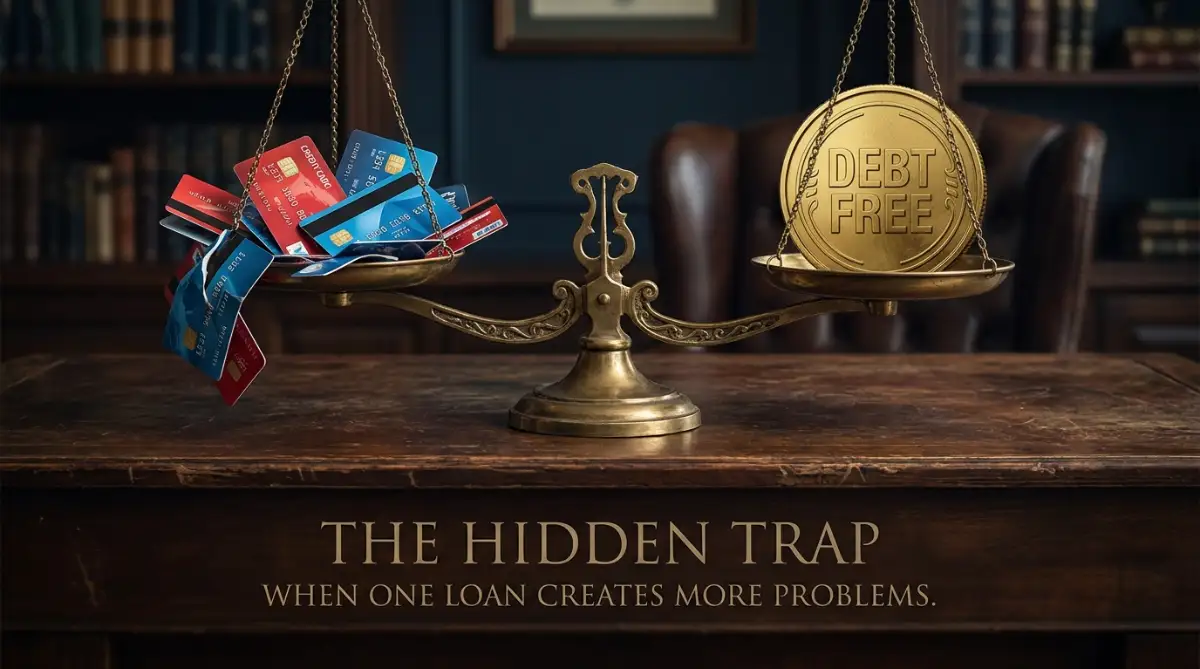
You finally get that approval email for a debt consolidation loan, and for a split second, you feel like you can breathe again. I know that feeling all too well. But before you celebrate those shiny zero balances on your credit cards, let me tell you about a hidden trap most of us fall right into. Rushing to combine your bills without fixing your daily spending habits is like putting a tiny band-aid on a broken arm.
This is a harsh reality for so many people who try to fix their money problems too quickly. When you are drowning in minimum payments, the promise of a clean slate feels like an absolute lifesaver. You wake up every morning feeling exhausted by the constant math running through your head.
The endless worry about hidden fees and rising interest rates slowly steals your mental peace. It affects how you show up at work, how you treat your family, and even how you sleep at night. Debt has a sneaky way of making you feel completely trapped in your own daily life.
Many hard-working individuals believe that moving their balances into one place will magically solve their stress. They dream of seeing those beautiful zero balances on their statements, thinking the hard part is finally over. But they do not realize the psychological trap waiting for them just around the corner.
You deserve to break free from this exhausting cycle once and for all. Understanding the hidden risks of rushing into a new loan is the first real step toward true financial freedom.
Your Quick Action Guide (Key Takeaways):
- Stop the Bleeding: Cut up your physical cards immediately after a balance transfer so you do not use them as an emergency fund.
- Build a Cash Wall: Save at least $1,000 in cash before combining your loans to protect yourself from sudden expenses.
- Do the Math: Always calculate the 3% to 5% transfer fee to see if the shiny new zero-percent rate is actually saving you money.
- Protect Your History: Leave your old, zero-balance accounts open to maintain a healthy credit utilization score.
How the Illusion of a Clean Slate Tricks Your Brain
When you move all your balances to a new loan, your old accounts suddenly show a zero balance. This completely tricks your brain into feeling a false sense of financial achievement. You feel rich, even though you just moved your money problems from the left pocket to the right pocket.
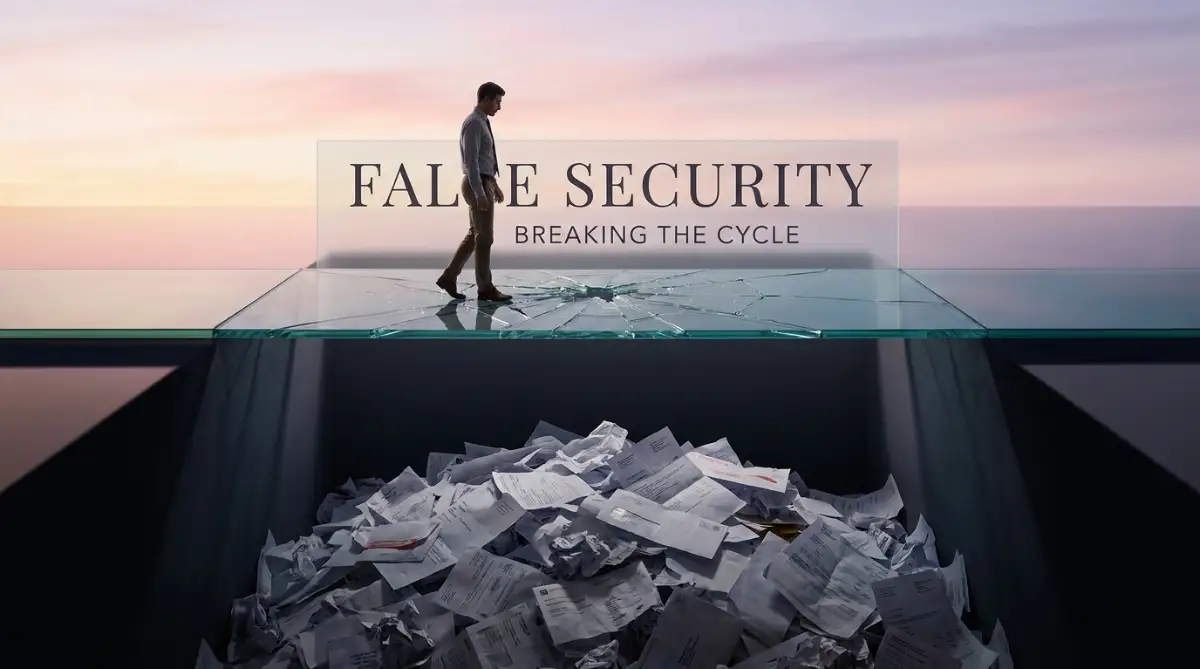
Your mind tells you that you have extra money to spend because those credit limits are fully available again. This psychological trap is the exact reason why so many people fail after getting a single loan. They start treating their freshly cleared credit cards as an emergency fund.

Before they even realize what is happening, they are swiping for groceries, dinners, and online shopping. The brain loves immediate rewards, and seeing zero balances removes the guilt of spending. This false security is the number one reason you should never rush this process.
If you do not fix the root cause of your spending, you are just putting a tiny band-aid on a broken arm. You have to address why you were relying on borrowed money in the first place. Otherwise, you will end up with both a massive new loan and newly maxed-out cards.
The Double Debt Nightmare Explained
Let us look at a very common real-life scenario that happens every single day. Imagine you take out a massive loan to clear out five different high-interest cards. For the first two months, you feel amazing because you only have one simple payment to make.
Then, life happens. Your car breaks down, or you face an unexpected medical bill. Because you did not build a cash buffer first, you reach for those empty cards again.
Suddenly, you are paying the monthly installment for the big loan, plus the minimum payments on your new card balances. This is known as the double debt nightmare. It is terrifying because your monthly obligations are now much higher than they were originally.
You find yourself working extra hours just to keep your head above water. The financial pressure becomes absolutely crushing, and bankruptcy starts to look like the only way out. This happens simply because the consolidation was done way too early in the financial journey.
Here is a hard lesson I learned from my own money journey. I kept my oldest credit card open after moving the balance, but I forgot to cut up the physical card. Within two months, I was swiping it for everyday coffee runs, instantly creating a brand new pile of stress.
If you want to see exactly how these financial traps work in real life, you absolutely need to watch this eye-opening breakdown below.
The Mathematics of Hidden Transfer Fees
Many banks advertise amazing zero percent interest rates to lure you in. They make it sound like you are getting free money to solve your problems. However, they almost never highlight the massive balance transfer fees hidden in the fine print.
Usually, you will be charged anywhere from three to five percent of the total amount you are moving. If you are moving a very large sum, this fee alone can cost you hundreds of dollars upfront. You are instantly adding to your total debt before you even make your first payment.
Real-Life Math: The True Cost of "Free" Transfers
Let us break down a quick example to show you how these hidden fees eat your money:
| Your Current Balance | Balance Transfer Fee (5%) | New Starting Debt |
| :--- | :--- | :--- |
| $5,000 | $250 | $5,250 |
| $10,000 | $500 | $10,500 |
| $15,000 | $750 | $15,750 |
Notice how you just added hundreds of dollars to your debt before making a single payment? Always do the math first.
You have to sit down and do the math carefully to see if you are actually saving money. Sometimes, the fee eats up all the interest you thought you were saving. Do not let shiny marketing campaigns blind you to the actual cost of borrowing money.
Always read the terms and conditions with a highly critical eye. The banks are in the business of making money, not running a charity for stressed consumers. If a deal looks way too good to be true, there is usually a trap hidden inside.
The Direct Hit to Your Credit Score
People often think that paying off their cards with a new loan will instantly boost their credit score. While your credit utilization might drop temporarily, there are other hidden factors at play. Applying for a new financial product requires a hard inquiry on your profile.
A hard inquiry will drop your score by a few points immediately. If you apply for multiple offers trying to find the best rate, the damage multiplies quickly. Your profile suddenly looks like you are desperately seeking cash, which scares off lenders.
Additionally, the average age of your accounts plays a huge role in your overall score. Opening a brand new account lowers your average credit age. If you get scared and close your old cards, your score will drop even further.
Closing old accounts reduces your total available credit, which instantly spikes your utilization ratio. You end up hurting the very number you were trying so hard to protect. This complex web of credit reporting is why rushing the process is incredibly dangerous.
Breaking Down the Myth vs Reality
Understanding the difference between what we believe and how money actually works is essential. Let us look at a quick breakdown of the lies we tell ourselves versus reality.
- The Myth: Consolidating means I have paid off my debt.
- The Reality: You have simply shifted the money to a different lender with different terms.
- The Myth: A single payment will automatically fix my tight budget.
- The Reality: If the new payment is still too high, your budget remains completely broken.
- The Myth: Low promotional rates last forever.
- The Reality: Promotional rates expire, and the new interest rate can be shockingly high.
This simple comparison shows exactly why you need a clear strategy before signing any papers. You cannot borrow your way out of a problem that was created by over-borrowing.
Why You Must Build a Cash Buffer First
One of the biggest mistakes you can make is consolidating without having any cash savings. If you have absolutely zero dollars in your bank account, you are living on the edge. Any minor inconvenience will force you right back into swiping plastic.
Before you even think about combining your loans, you need a small emergency fund. This does not have to be thousands of dollars right away. Even a small cash buffer can protect you from reaching for a card when a tire goes flat.
Think of this cash buffer as a protective wall around your new financial plan. It gives you the mental security to handle life's little surprises without panic. When you rely on cash instead of credit, you slowly break the psychological addiction to borrowing.
Building this fund takes time, patience, and serious discipline. But this waiting period is exactly what prepares you for long-term financial success. It proves that you have changed your daily habits and are truly ready for the next step.
Tracking the Hidden Leaks in Your Spending
You cannot fix a leaky boat if you do not know where the water is coming in. Before signing up for a new loan, you must know exactly where every dollar goes. Most people are completely shocked when they see how much they spend on food and subscriptions.
Take a notebook and write down every single purchase you make for an entire month. Do not judge yourself during this process; just collect the raw data honestly. You will quickly spot the emotional spending triggers that got you into trouble.
Maybe you buy expensive lunches when you are stressed at work. Perhaps you shop online late at night when you feel bored or lonely. Identifying these emotional triggers is far more important than finding a lower interest rate.
Once you know your weaknesses, you can build a realistic budget that actually works for you. A budget is not meant to punish you or strip away all your joy. It simply tells your money exactly where to go so you stay in total control.
The Danger of Ignoring the Fine Print
When we are stressed about money, we tend to rush through legal documents. We just want to click "agree" and get the relief we are desperately chasing. But the fine print of these agreements is filled with dangerous traps for the unaware.
Many of these loans come with strict penalties if you try to pay them off early. Some have variable interest rates that can skyrocket when the market changes. If you miss just one single payment, you might lose your promotional rate instantly.
You must treat this process like a major life decision. Take the paperwork home, sit quietly, and read every single line carefully. If you do not understand a specific term, pick up the phone and ask the lender to explain it.
Never let a pushy sales representative rush you into signing something you barely understand. Your financial security is entirely your responsibility, and nobody else will protect your money for you. Taking an extra week to review the details can save you years of future regret.
Changing Your Relationship with Money
You have to start seeing credit not as extra income, but as borrowed time from your future self. Every time you swipe a card for something you do not need, you are robbing your future paycheck. This mindset shift changes absolutely everything.
When you finally realize that true wealth is having peace of mind, the urge to spend fades away. You stop caring about having the newest gadgets or eating at the fanciest restaurants. You start valuing security, freedom, and waking up without a knot in your stomach.
This level of maturity takes time to develop, which is why waiting is so powerful. Rushing to consolidate robs you of the important lessons hidden within the struggle. Sometimes, feeling the pain of your past mistakes is exactly what prevents you from repeating them.
Mastering Your Money Habits Before Seeking New Loans
Before you even think about signing papers for a new financial product, you need to master your daily money habits. Most people skip this phase because tracking expenses feels incredibly boring and restrictive. However, gaining total control over your cash flow is the only real way to protect your future.
You must start by understanding the deep emotional triggers that cause you to overspend. Ask yourself what feelings usually push you to pull out your wallet when you are feeling down. Are you shopping to relieve work stress, or are you trying to keep up with the lifestyle of your friends?
When you identify these hidden triggers, you can completely change how you react to them. Instead of visiting an online store when you feel overwhelmed, you might go for a long walk or call a friend. Replacing a bad financial habit with a free, healthy activity is a massive step toward permanent financial peace.
This is exactly why understanding debt consolidation requires a deep look at your own behavior first. If you do not fix the root cause of your spending, any new loan will just become another heavy burden. You have to treat your personal finances with the same respect as a highly successful business.
Think about how a strict company manages every single penny it earns and spends. Managing your money requires a solid strategy, much like using project management frameworks for software teams to keep complicated tasks organized. You need to assign a specific job to every dollar in your bank account before the month even begins.
The Power of the Cash-Only Strategy
One of the most effective strategies I ever used was switching to a strict cash-only diet for three months. When you swipe a piece of plastic, your brain does not register any actual loss or pain. But when you physically hand over paper bills for groceries, you instantly feel the weight of that purchase.
This simple psychological trick forces you to think twice before buying things you do not really need. You will naturally start putting items back on the shelf when you realize your physical cash is running low. This temporary cash diet resets your brain and breaks your dangerous addiction to easy credit.
During this time, you will also learn how to survive on a much tighter budget. Building a stable financial life from scratch is very similar to building a brand on a tight budget. You have to maximize the value of what you already have instead of constantly looking for outside funding.
If you can successfully live on cash for a few months, you prove to yourself that you are disciplined. Only then should you even start looking at options to restructure your old balances. This waiting period builds the exact financial muscle you need to survive the tough times ahead.
Creating a Buffer Against Life's Surprises
Life is entirely unpredictable, and emergencies will absolutely happen when you least expect them. Your car engine might fail, your roof might leak, or you might face a sudden medical bill. If you have no cash saved up, you will be forced to use your high-interest cards to survive.
This is why building a starter emergency fund is significantly more important than paying off your debt early. I always recommend saving up at least one month of basic living expenses before tackling your big balances. Having this cash buffer gives you an incredible sense of mental peace and security.
Quick Fact Check: The $1,000 Rule
Many financial experts argue about how much you need before tackling your balances. I always suggest starting with a simple $1,000 in a local savings account. It might not cover a major hospital bill, but it is more than enough to fix a flat tire or replace a broken microwave without swiping your plastic again.
When an emergency finally hits, you just pay for it in cash and move on with your day. You do not panic, you do not lose sleep, and you certainly do not add more borrowed money to your pile. This small safety net is the ultimate secret to keeping your financial recovery plan fully on track.
If you are running a side hustle to build this buffer, you have to work smart. You can adapt clever strategies, like using agile methodologies to skyrocket remote startup growth, to manage your extra income streams effectively. The faster you can build that cash wall, the safer you will be from future financial disasters.
aiting for the Unprepared
The path to a debt-free life is unfortunately filled with hidden traps designed to keep you poor. Many lenders use highly aggressive marketing tactics to make their offers look like an absolute dream. But if you look closely at the reality behind these shiny promises, the picture gets very dark.
I want to share the specific pitfalls that usually destroy a person's chance at financial freedom. These are not just wild theories; these are the heartbreaking situations I see hard-working families fall into every single day.
Trap 1: The Balance Transfer Illusion
The most common trap is the famous zero-percent introductory rate on a new card. Banks will gladly let you move your massive balance over for a small upfront fee. They tell you that you will pay absolutely no interest for the next twelve to eighteen months.
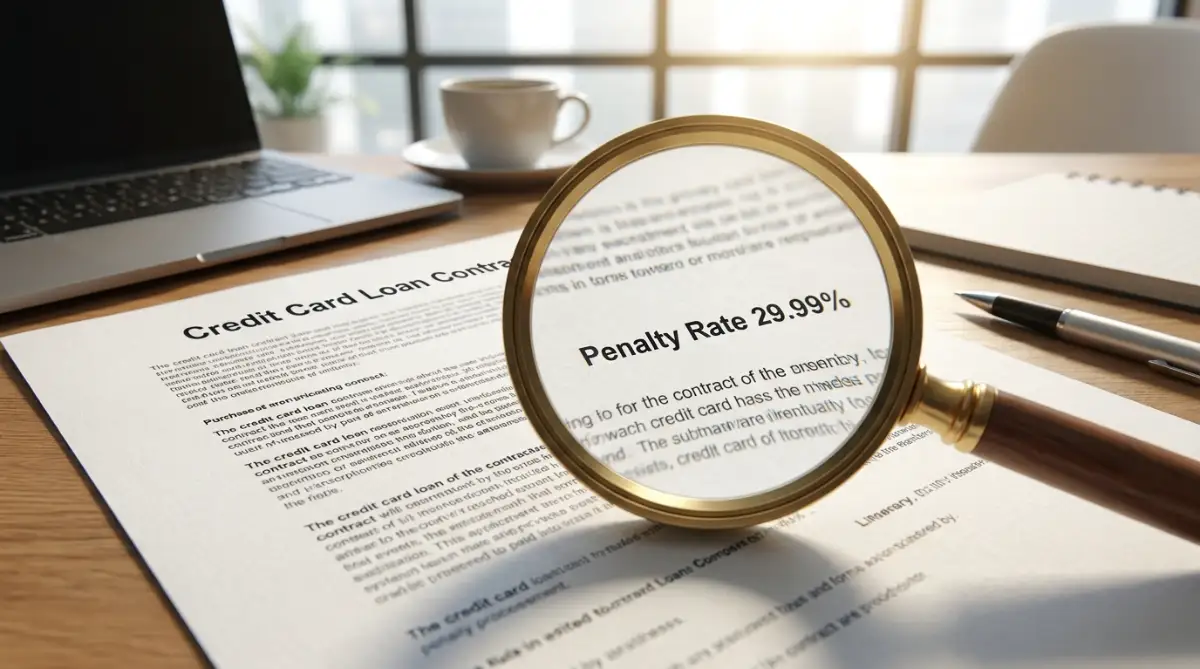
But here is the terrifying catch that they bury deep in the tiny text. If you are late on just one single payment, that promotional rate vanishes into thin air instantly. Suddenly, you are hit with a massive penalty rate that is often much higher than your original card.
Even worse, if you do not clear the entire balance before the promotional period ends, you get hit hard. Some contracts will retroactively charge you all the interest from day one. You must understand the exact terms of these offers before you put your signature on anything.
Protecting yourself means being highly skeptical of any deal that seems too generous. You should always research how to spot debt relief scams through official consumer protection agencies. They provide essential warnings about companies that prey on highly stressed individuals.
Trap 2: The Co-Signer Nightmare
When your credit score is too low to get a good rate, lenders will often ask for a co-signer. This usually means asking a loving parent, a sibling, or a close friend to guarantee your loan. In your desperate mind, this feels like a simple and harmless favor to ask.
However, mixing family relationships with heavy financial obligations is almost always a recipe for complete disaster. If you lose your job and miss a payment, your family member's credit score takes a massive hit immediately. The bank will aggressively hunt them down for the money, completely ruining your personal relationship.
I have seen families completely torn apart over a missed payment on a consolidated loan. Never put your loved ones at financial risk just to get a slightly lower interest rate for yourself. You made the mess with your own spending, and you need to take full responsibility for cleaning it up alone.
Trap 3: Closing Old Accounts in Panic
When people finally move their balances to a new loan, they often panic and cancel their old cards. They grab a pair of scissors, cut the plastic, and call the bank to close the account forever. They think they are being responsible by removing the temptation to spend.
Unfortunately, this innocent move can completely wreck your standing with the major reporting bureaus. Closing old accounts instantly wipes out your long history of managing those specific lines of credit. It also massively reduces your total available credit limit across the board.
When your available limit drops but your total owed money stays the same, your utilization ratio skyrockets. To understand exactly why this hurts you, you must read about how debt consolidation affects your credit score. You will quickly learn that leaving the old accounts open, with a zero balance, is the smartest move.
Trap 4: Ignoring the True Cost of Your Lifestyle
Many individuals try to fix their money problems without changing their expensive lifestyle. They think that simply lowering their interest rate will give them enough breathing room to keep eating out. They refuse to give up their premium subscriptions, expensive gym memberships, or weekend trips.
You cannot outsmart bad math, no matter how clever your new loan structure might be. Tracking your personal expenses requires the exact same ruthless logic as measuring customer acquisition costs in a successful business. If more money is going out than coming in, the system will eventually crash.
You have to be brutally honest with yourself about what you actually need to survive. Downsizing your life temporarily is not a punishment; it is a strategic retreat to win the bigger war. Sell things you do not need, cancel every subscription, and learn to cook simple meals at home.
When you drastically cut your living expenses, you free up a massive amount of cash flow. You can use this extra money to attack your principal balance with extreme aggression. This deep level of sacrifice is what separates those who stay broke from those who build true wealth.
Your Action Plan for a Stress-Free Tomorrow
Getting out of a deep financial hole is never a fast or completely painless process. It requires taking a hard look in the mirror and accepting responsibility for your past choices. But once you commit to a better path, the feeling of empowerment is absolutely incredible.
Start by freezing your credit cards today so you cannot accidentally add to the pile. Put them in a block of ice in your freezer if you have to, just to slow down your spending urges. Then, sit down with a blank piece of paper and write out exactly who you owe and how much.
Next, focus entirely on building that small starter emergency fund in a separate savings account. Do not apply for any new financial products until you have at least one month of expenses saved in cash. This simple waiting period will completely change how you view your money and your daily habits.
If you want to dive deeper into smart money habits, check out trusted university resources on the psychology of spending to understand your brain better. Education is your greatest weapon against the tricky marketing tactics of massive credit card companies. Take your time, do the math yourself, and never let anyone rush you into a major decision.
I know exactly how terrifying it feels when the math simply does not seem to add up at the end of the month. But I also know that if you stay disciplined and refuse to take dangerous shortcuts, you will absolutely win this battle. My biggest advice to you is to forgive yourself for the past mistakes and start fresh with a solid, patient plan today.
Common Questions About Managing Your Balances
Does moving my balances to a new lender hurt my score?
Yes, it usually causes a temporary drop because the lender will perform a hard inquiry on your profile. Additionally, opening a brand new account lowers the average age of your overall credit history. However, if you make all your new payments perfectly on time, your score will slowly recover over the next few months.
Should I cancel my old cards after clearing them?
No, you should generally leave your oldest accounts open even after you clear the balance. Closing them reduces your total available credit, which makes your credit utilization ratio spike dangerously high. Just cut up the physical plastic so you are not tempted to use them for everyday shopping.
What is the difference between a balance transfer and a personal loan?
A balance transfer usually involves moving your debt to a new credit card that offers a temporary zero-percent interest rate. A personal loan gives you a lump sum of cash to pay off your cards, and you repay it in fixed monthly installments. Both options have hidden fees, so you must read the fine print very carefully before choosing one.
How do I stop myself from spending on my cleared cards?
The easiest method is to remove your card details from all your favorite online shopping apps immediately. You can also call your bank and ask them to temporarily freeze the card for new purchases. Replacing the habit of spending with free hobbies, like reading or exercising, is the best long-term solution for your mind.
Is it ever too late to fix a massive financial mess?
It is absolutely never too late to take control of your financial future, no matter how big the numbers seem. Even if you have to negotiate directly with your lenders or seek professional counseling, there is always a valid way out. The only true mistake you can make is ignoring the problem and hoping it magically disappears on its own.
Disclaimer: The information provided in this article is for educational and informational purposes only and does not constitute professional financial or legal advice. Always consult with a certified financial planner or credit counselor before making major decisions regarding your debt, loans, or personal credit.

![7 Hidden Ways Mandatory Forbearance Destroys Your Credit [Avoid These Mistakes]](https://vimex24.com/storage/uploads/blogs/1788962201_7-hidden-ways-mandatory-forbearance-destroys-your-credit-avoid-these-mistakes.webp)