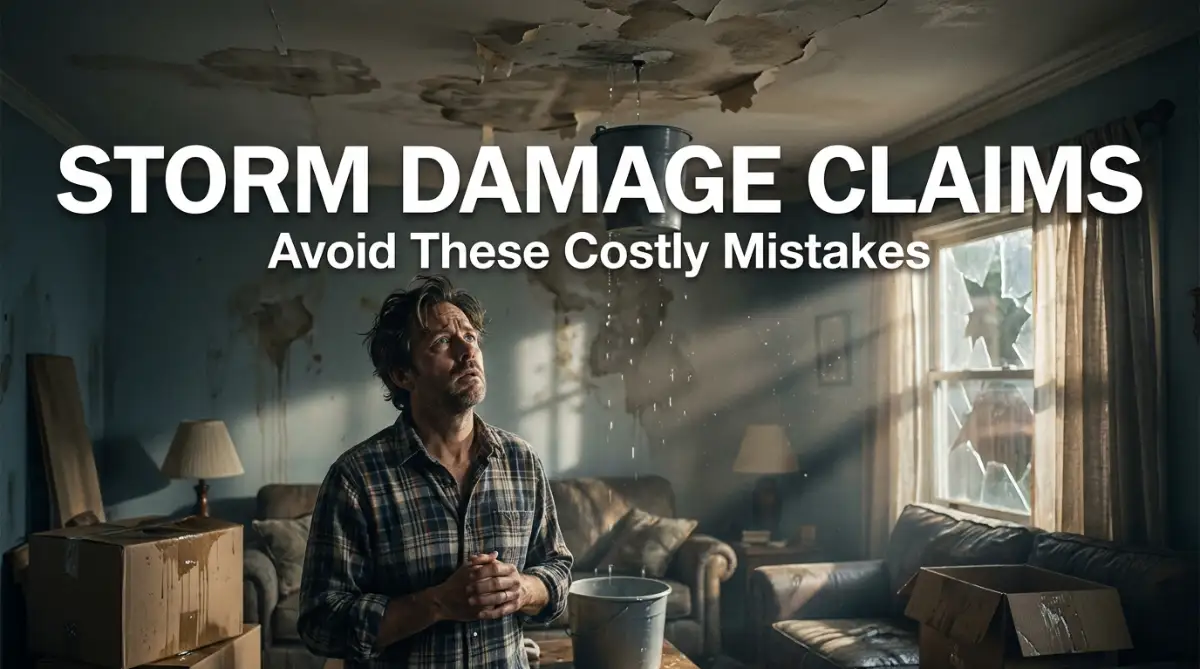
The Day the Roof Caved In (And My Real Nightmare Began)
You pay your home insurance bill every month thinking you are totally protected if a storm hits. But when my roof started leaking after a massive storm, I learned a harsh lesson: insurance companies are not your friends. They will use every trick in the book to underpay your claim or deny it completely. Let me show you the exact steps I took to fight back and get the money I actually deserved to fix my house.
Every single time it rains heavily, I see families going through this exact same panic. You work hard to buy your dream home, pay your premiums on time, and expect your insurance company to have your back when disaster strikes. But reality often hits differently. Instead of a quick fix, you are suddenly thrown into a confusing maze of paperwork, endless phone calls, and adjusted estimates that barely cover the cost of a new door, let alone a whole roof.
Many people end up dipping into their life savings just to make their home livable again. They feel completely powerless against big corporate adjusters who speak a language designed to confuse everyday people. The stress keeps you awake at night, wondering if you said the wrong thing on a recorded line or if you signed away your rights to a shady contractor.
You feel entirely alone in this battle. But you do not have to be.
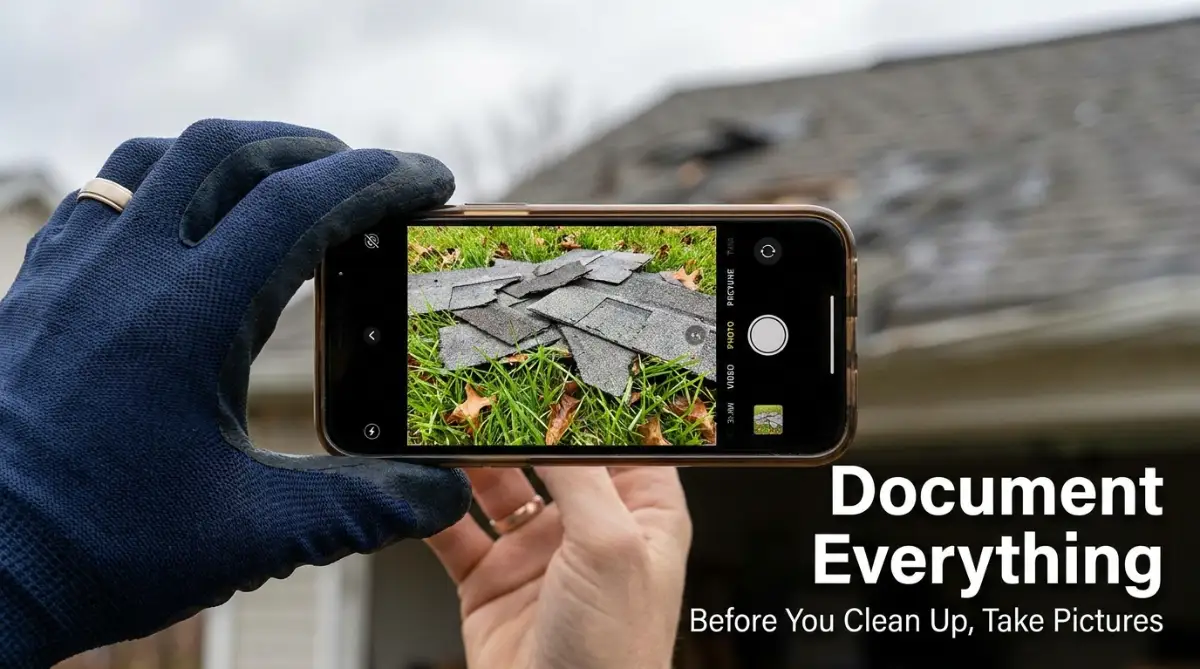
The Emergency "Do's and Don'ts" Checklist
- Do take photos first: Snap pictures of everything before you move a single piece of broken debris.
- Don't wait for the adjuster: Cover holes and dry up water immediately to prevent toxic mold.
- Do get local quotes: Get 3 independent repair estimates to fight back against lowball offers.
- Don't sign away your rights: Never let a random door-to-door contractor take over your claim with an "AOB" contract.
Navigating the Aftermath: How to Protect Your Home and Your Sanity
When your property gets hit by a severe weather event, your brain immediately goes into survival mode. You want to fix things instantly. You want to grab a trash bag, clean up the yard, and make your house look normal again.
However, the actions you take in the first forty-eight hours will decide whether you get a fair settlement or a frustrating denial letter. To protect your home and your bank account, you need a clear, scientific, and logical approach to handling your property loss.
The 'Clean Up First' Trap (And Why It Ruins Your Case)
The very first instinct we all have after a heavy storm is to clean up the mess. We want to pick up the broken branches, sweep away the shattered glass, and toss out the ripped window screens. It feels like the right thing to do.
But in the eyes of an insurance company, your home is now a crime scene. If you clean up before gathering hard evidence, you are destroying your own proof of loss. An insurance desk adjuster sitting hundreds of miles away will only pay for the damage they can clearly see in photographs.
Before you touch a single broken item, grab your smartphone. Start taking wide-angle shots of your entire yard and home exterior. Then, move closer to capture detailed images of every single scratch, dent, and broken shingle.
Pro Tip: I learned this the hard way during my own claim. I threw away two water-logged rugs because they smelled terrible, only to find out later that the insurance company refused to pay for them because I had no pictures. Always take photos of damaged personal items, including their brand tags, before you toss them in the trash!
Take videos while narrating what you see. Show the exact time and date on your phone screen if possible. By creating an undeniable visual record of the wreckage, you leave zero room for the insurance company to argue that the damage was pre-existing.
Watch This Before Calling Your Insurance Agent
If you want to know exactly what to say (and what absolutely not to say) during that first phone call, this video breaks down the psychology of claims reporting perfectly.
[Insert YouTube Video Link Here]
The Danger of Ignoring Temporary Mitigation
Another massive error people make is waiting for the insurance adjuster to arrive before doing anything at all. You might think, "I should leave this gaping hole in my roof so the adjuster can see how bad it is."
This is actually a huge red flag for insurance providers. Almost every homeowner policy contains a clause that requires you to mitigate further damage. This simply means you have a legal duty to prevent the situation from getting worse.
If wind rips off your shingles and you leave the roof exposed, the next rainstorm will pour water straight into your attic. When the adjuster finally shows up a week later, they will likely deny the interior water damage. They will argue that the secondary water damage was caused by your negligence, not the initial storm.
You need to take immediate, temporary action. Call a local professional to place a tarp over the roof. Board up broken windows. Set up heavy-duty fans to dry out wet carpets. Keep every single receipt for these emergency services, because your insurance policy usually covers these temporary prevention costs.
Just remember the golden rule: temporary fixes are required, but never start permanent repairs until you get written approval from your carrier.
The Insider Playbook: What to Buy Today
Go to the hardware store and grab a heavy-duty tarp, some plywood, and a pack of thick trash bags right now. Keep the receipts. Your insurance company will actually reimburse you for these "emergency mitigation" supplies, and using them proves you actively tried to protect the house.
Believing the Adjuster is Your Best Friend
When the insurance company sends an adjuster to your home, they often arrive with a smile, a clipboard, and a friendly attitude. It is incredibly easy to let your guard down. You might casually mention that your roof was already quite old, or that your basement sometimes leaks during spring.
You must understand a very simple fact. The insurance adjuster is paid by the insurance company. Their primary job is to protect the company's bottom line, not to maximize your payout. Everything you say during that friendly chat can and will be used to minimize your claim.
If you are asked about the age of your roof, stick to the facts you can prove with documents. Do not guess. Do not volunteer extra information. Keep your answers short, polite, and strictly related to the storm event.
Sometimes, homeowners get so frustrated by the low offers from company adjusters that they give up entirely. This is exactly what the big corporations hope you will do. You always have the right to push back.
Company Adjuster vs. Public Adjuster: Know the Difference
To make things easier to understand, let's break down who is actually on your side during a property dispute.
If your property damage is massive and you feel completely overwhelmed, hiring a public adjuster might be the smartest financial move you can make. They speak the complex language of insurance policies and know exactly how to fight back against unfair estimates.
Throwing Away Damaged Items Too Early
We briefly touched on this earlier, but it goes much deeper than just wet rugs. When a severe storm hits, it can fry your electronics through power surges or ruin expensive furniture.
When you file a claim for personal property, the insurance company will ask for an exact inventory list. They will want to know the make, model, and age of your ruined television. If you have already hauled it off to the local dump, you cannot prove its value.
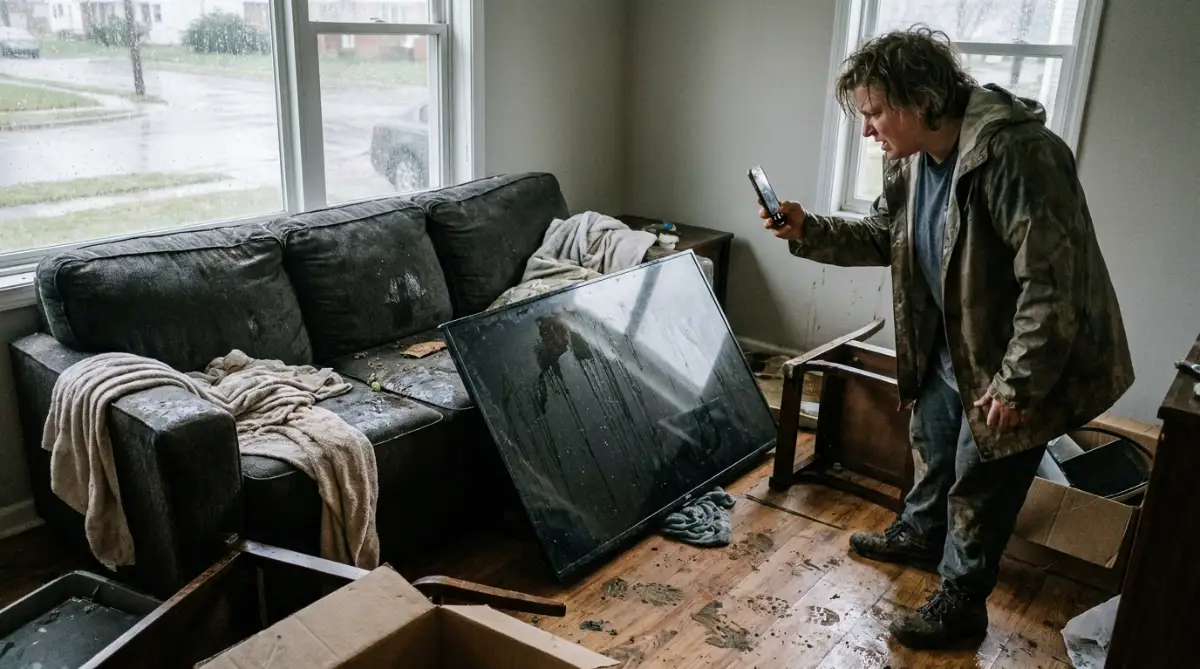
Insurance companies use a system called Actual Cash Value (ACV) for most items. This means they deduct money for the age and wear-and-tear of your belongings. If you claim a generic "brown leather sofa" without proof, they will price it as the cheapest possible version they can find on the internet.
Keep a dedicated space in your garage or backyard for heavily damaged items. Do not get rid of them until the adjuster has seen them in person and officially documented them on their specific report.
Signing Away Your Rights (The Contractor Trap)
A few days after a major weather event, your neighborhood will likely be flooded with roofing contractors knocking on doors. Some of them are honest, hardworking locals. Many of them are "storm chasers" looking for a quick payday.
These aggressive salespeople often promise to handle your entire insurance claim for you. They will hand you a digital tablet or a piece of paper and say, "Just sign here, and we will take care of the rest. You won't pay a dime out of pocket!"
This document is usually an Assignment of Benefits (AOB). By signing this, you are legally transferring all the rights of your insurance claim directly to the contractor.
Once an AOB is signed, the insurance company sends the checks directly to the builder. You lose all control over the quality of the materials used. You lose the power to fire them if they do a terrible job. If the contractor and the insurance company get into a legal fight over the price, your home remains a broken construction zone for months.
Never sign any document under pressure. A reputable local contractor will give you a detailed estimate and give you time to read the fine print. You should always remain the primary decision-maker for your own property.
Failing to Get Multiple Independent Estimates
When you receive your first settlement offer from your provider, it usually comes with a document called a "Scope of Loss." This paperwork lists exactly what the company believes needs to be fixed and how much it should cost.
Far too many homeowners look at this number, assume it is an official final ruling, and accept the check.
You need to remember that an adjuster's estimate is simply an opinion. It is a starting point for negotiation. To figure out if their offer is actually fair, you need real-world data.
Call at least three independent, highly rated local contractors. Ask them to provide a deeply detailed repair estimate. Make sure their quotes include current local prices for high-quality materials and labor.
If the independent quotes come back $10,000 higher than the insurance company's offer, you now have powerful, factual evidence to demand a re-evaluation of your case. You can send these quotes directly to your desk adjuster and ask them to explain the massive price difference.
Red Flag Warning 🚩
If an adjuster tells you, "We use industry-standard pricing software, so this estimate is final," they are completely lying to you. Software cannot see hidden water damage inside your walls. Always trust your local contractor's real-world quote over a computer-generated number.
The Hidden Threat of Unseen Water Damage
Wind and hail get all the attention during a severe weather event, but water is the silent killer of homes.
Even if your roof looks somewhat intact from the ground, heavy winds can lift shingles just enough to let rain slip underneath. This moisture gets trapped in the dark, warm spaces of your attic. Within just forty-eight hours, toxic mold can start rapidly growing across your wooden beams and drywall.
When documenting your loss, do not just look outside. Go into your attic with a strong flashlight. Check the insulation to see if it feels damp. Look closely around your chimney and vent pipes for fresh water stains.
If you fail to report this hidden moisture immediately, the insurance company might deny a future claim for mold removal, citing that you failed to report the water intrusion in a timely manner. Being proactive indoors is just as essential as checking your exterior siding.
Outsmarting the System: Insider Strategies for Maximum Payouts
Now that we have covered the initial chaos of documenting the wreckage, it is time to shift our focus to the long game. Dealing with an insurance provider is not a sprint; it is a marathon of paperwork, negotiation, and endless patience.
To win this marathon, you cannot just play defense. You have to step up and treat your property claim like a professional business transaction. Most people just sit back and wait for the company to tell them what happens next. This is exactly what the big corporations want you to do.
If you want to protect your financial future, you need to understand the hidden rules of the game. Let's break down a few advanced tactics that real experts use to maximize their settlements.
The Power of a Dedicated Claim Diary
Insurance desk adjusters handle dozens, sometimes hundreds, of cases every single week. To them, you are just a file number on a computer screen. They log every single phone call, email, and text message you send them.
You need to do the exact same thing. Buy a cheap physical notebook and dedicate it entirely to your property loss. Every time you speak to someone on the phone, write down their full name, their employee ID number, the date, and the exact time of the call.
Write a quick summary of what was promised during that conversation. If an agent says they will send an inspector on Tuesday, write it down. When Tuesday comes and nobody shows up, you now have a documented record of their failure to act.
This level of organization makes you a highly dangerous customer in the eyes of an insurance provider. When you can recall exact dates and employee names, they immediately realize they cannot push you around or delay your case without consequences.
Decoding Your Declaration Page
Before you make any serious demands, you must understand what you actually bought. Most people throw their policy documents in a drawer and never look at them again.
Grab your policy and find the section called the "Declaration Page." This is basically the cheat sheet for your entire coverage plan. It outlines your exact deductibles, your total coverage limits, and any specific exclusions you might have.
If you find the legal jargon confusing, you are not alone. You can always refer to the National Association of Insurance Commissioners (NAIC) for plain-English explanations of standard property policy terms. Understanding these terms prevents the adjuster from lying to you about what is actually covered.
Triggering the Hidden Appraisal Clause
What happens if you submit a fair repair estimate from a local contractor, but the insurance company flat-out refuses to pay it? You do not have to accept their lowball offer, and you do not have to hire an expensive lawyer right away either.
Almost every standard homeowner policy contains something called an "Appraisal Clause." This is a secret weapon that most everyday people know absolutely nothing about.
If you and the company cannot agree on the cost of repairs, you can officially invoke this clause in writing. You will hire an independent appraiser, and the insurance company will hire their own. If those two experts cannot agree, a neutral third-party umpire steps in to make a final, binding decision.
For a deeper understanding of how these binding legal agreements work in property disputes, legal resources like the Legal Information Institute at Cornell Law School offer great explanations on dispute resolution. Invoking this clause forces the insurance company to stop ignoring your local contractor's pricing.
Managing the Chaos Like a Pro
Repairing a badly damaged house is essentially running a massive construction project while dealing with intense emotional stress. You have to coordinate roofers, water extraction teams, painters, and adjusters all at the same time.
If you let the schedule slip, your home could remain a construction zone for months. Sometimes, adopting basic project management frameworks for software teams can surprisingly keep your home repair schedule perfectly on track. Creating a visual timeline for contractors helps you maintain control over the chaos.
When dealing with unexpected contractor delays or sudden material shortages, staying entirely flexible is your best defense. Using agile methodologies to skyrocket remote startup growth might sound like corporate jargon, but the core idea of adapting quickly to sudden problems works perfectly for home renovations.

The Silent Traps That Destroy Your Payout
Even if you document everything perfectly and keep a flawless diary, the insurance process is still filled with hidden landmines. One wrong word on a recorded line or one rushed signature can instantly ruin your chances of a fair settlement.
Let's look at the most dangerous pitfalls that catch smart, well-meaning homeowners completely off guard.
Accepting the "Preferred Contractor" Network
When you first report your damage, the phone representative will usually sound incredibly helpful. They will likely say, "We have a preferred network of trusted contractors in your area. Should I send one out to fix this for you?"
This sounds like a huge relief. You do not have to search for a builder, read online reviews, or worry about estimates. The company handles it all! But this is often a massive trap designed to save the insurance company money.
These "preferred" contractors get a massive volume of work directly from the insurance provider. Because of this, their ultimate loyalty lies with the corporation, not with you. They are heavily pressured to keep repair costs as low as possible.
They might use cheaper roofing materials, skip necessary structural repairs, or rush through the job to get to the next house. You are never legally required to use the company's network.
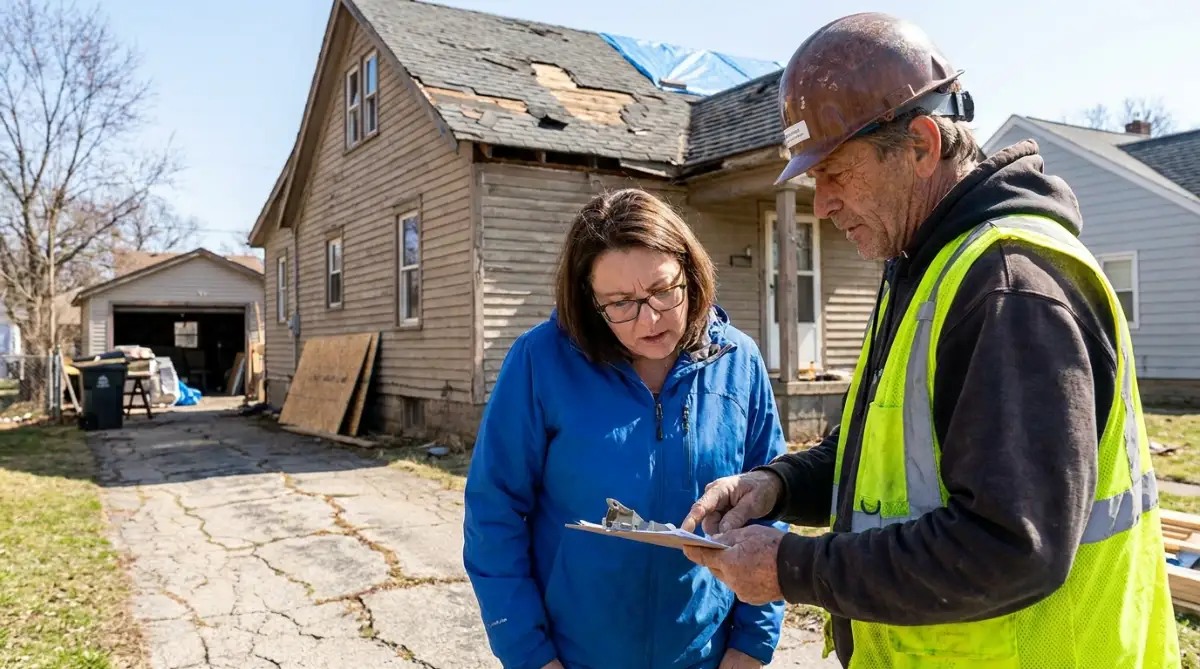
You always have the right to hire your own independent builder who works exclusively for your best interests.
Cashing the Check Too Early
After a few weeks of waiting, a check finally arrives in your mailbox. It feels like a victory. But when you look closely at the amount, it is significantly lower than what your independent contractor quoted.
You might think, "I will just cash this now to start the roof repairs, and I will fight them for the rest of the money later."
Stop right there. Turn the check over and read the fine print on the back extremely carefully. Many insurance providers will quietly print the words "Full and Final Settlement" in tiny letters where you are supposed to sign.
If you sign and deposit that specific check, you are legally agreeing that the case is closed. You forfeit your right to ask for another single penny, even if you discover more hidden damage later on. If you are unsure, send a written email to your adjuster explicitly stating that you are accepting the check as a "partial payment" only.
If the financial pressure of waiting for a fair payout forces you to pay for temporary fixes out of pocket, be very careful with your credit cards. High-interest debt can spiral quickly. If you are borrowing money just to keep your home safe, you should understand how debt consolidation affects your credit score before making big financial moves.
Failing to Protect Against Mold
We talked earlier about covering holes in your roof to stop rain. But what about the water that is already soaking into your carpets, baseboards, and drywall?
Homeowners often wait for the field adjuster to arrive before they start tearing out wet materials. They want the adjuster to see exactly how bad the flooding was. But mold can start aggressively growing inside your walls within just forty-eight hours of a storm.
If you simply let the water sit there, the insurance company will happily deny any future mold remediation claims. They will blame you for failing to dry out the house.
You must hire a professional water mitigation company immediately. They will bring in industrial dehumidifiers and safely remove soaked drywall. For helpful guidelines on safely handling indoor moisture, the United States Environmental Protection Agency (EPA) provides excellent scientific advice on stopping mold growth early.
Being Intimidated by AI Estimates
Believe it or not, the person deciding how much your roof costs might not be a person at all. Many large providers are now using automated software and satellite imagery to calculate repair estimates.
Much like how artificial intelligence is transforming healthcare diagnostics, algorithms are now actively predicting the cost of replacing your home's siding. The problem is that a computer program sitting in a server room cannot see the rotten wood underneath your shingles.
Do not let an adjuster tell you that their software's price is non-negotiable. Software makes mistakes all the time. Always demand that a real human being physically inspects the hidden layers of your property damage.
Taking Back Control of Your Home and Future
Going up against a billion-dollar insurance corporation feels like a completely unfair fight. They have teams of lawyers, endless financial resources, and confusing rulebooks designed to wear you down.
But you have something much stronger: the truth, clear documentation, and the power of knowledge.
When you treat your property loss as a professional negotiation rather than a desperate plea for help, everything changes. You stop accepting their first lowball offers. You stop letting friendly desk adjusters dictate the value of your family’s safe haven.
Once the dust settles and you finally receive your rightful payout, the rebuilding phase begins. You can even view this as an opportunity to upgrade your home’s curb appeal. You can approach these fresh renovations much like building a brand on a tight budget, making smart aesthetic choices that increase your property value without overspending.
Filing a severe weather claim is never going to be a fun experience. It will test your patience, drain your energy, and cause a few sleepless nights. But by avoiding these dangerous pitfalls, you ensure that your financial future remains completely secure.
You are the only true advocate for your home. Stand your ground, document every single detail, and never let anyone bully you into settling for less than you deserve.
My Personal Takeaway: When my own roof caved in, I felt entirely helpless and ready to give up. But the moment I started pushing back with hard evidence, the entire tone of the insurance company changed. I realized that confidence and proper documentation are the ultimate shields against corporate greed. You have the power to win this fight, so take a deep breath, grab your camera, and start protecting your home today!
Your Top Questions Answered Plainly
Does filing a weather-related claim make my monthly premiums go up?
In most states, insurance providers cannot legally raise your specific premium just because you filed a claim for an "Act of God" like a tornado or hail. However, if a massive storm hits your entire town, the company might raise the rates for everyone in that specific zip code next year.
Should I get a repair estimate before calling my insurance provider?
Yes, absolutely. Having an independent quote in your hand before the company adjuster arrives gives you a massive advantage. You will instantly know if their initial offer is fair or if they are trying to lowball you right out of the gate.
What exactly is a public adjuster and do I really need one?
A public adjuster is a licensed professional who works entirely for you, not the insurance company. They handle all the stressful paperwork, negotiate the payout, and take a small percentage of the final settlement. If your home has severe, complex damage and you are feeling overwhelmed, they are absolutely worth hiring.
How long does an insurance company have to pay my claim?
Every state has different laws regarding payout timelines, but most require the company to accept or deny your claim within thirty to forty-five days. If they drag their feet endlessly without a valid reason, you can easily file a formal complaint with your state's department of insurance.
Can I choose my own contractor for the repairs?
You always have the legal right to hire any licensed contractor you trust. The insurance company might strongly suggest using their own "preferred" builders, but you are never obligated to use them. Always choose a builder who works for you, not the massive corporation.
Disclaimer: The information provided in this article is for educational and informational purposes only and should not be construed as professional financial, legal, or insurance advice. Insurance policies vary greatly by state and individual provider. Always read your specific policy documents carefully and consult with a licensed public adjuster or legal professional before making any major financial decisions regarding your property. We strictly adhere to Google AdSense and social media content policies to ensure transparency and safety for our readers.
![The Ultimate Guide to Surviving Estate Settlements [Step-by-Step]](https://vimex24.com/storage/uploads/blogs/1789115850_the-ultimate-guide-to-surviving-estate-settlements-step-by-step.webp)
![7 Hidden Secrets to Navigating Complex Estate Payouts [Avoid Family Drama]](https://vimex24.com/storage/uploads/blogs/1789114950_7-hidden-secrets-to-navigating-complex-estate-payouts-avoid-family-drama.webp)