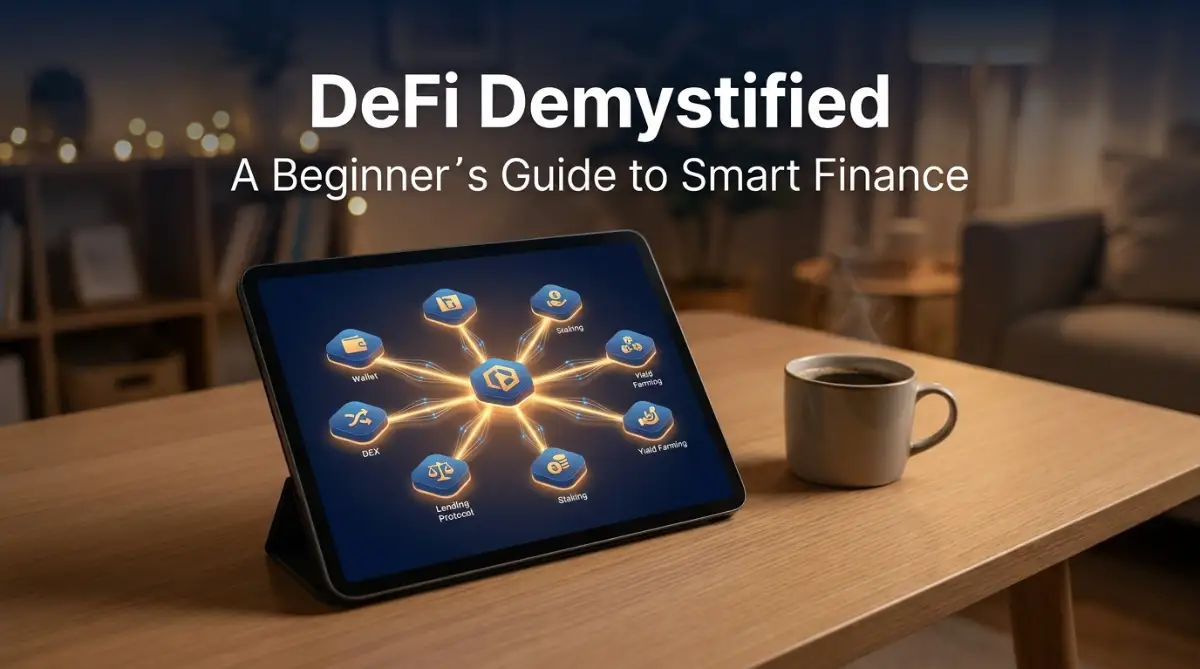
The Confusion of Traditional Banking and My Search for Something Better
Traditional banks love charging silly fees and making you wait days just to move your own money. When I first tried searching for a better option, everyone kept pointing me toward "DeFi." But the articles I read were so packed with tech terms that my head spun. Let's fix that right now with a simple, no-jargon guide to how this new money system actually works.
That night, I started searching online for a better way to manage and move money. I kept seeing the term "DeFi" everywhere, but the explanations were so full of technical jargon that my head began to spin. I almost gave up, thinking this was only for math geniuses and tech experts.
Many people face this exact same feeling every single day when dealing with their finances. You watch your hard-earned savings sit in a bank account earning almost zero interest. Meanwhile, the bank lends your money to others and pocket the profits for themselves.
It feels like we are completely locked out of the real wealth-building systems. When you try to learn about modern digital alternatives, you are met with complex terms that make you feel lost. This constant confusion can ruin your mental peace and make you feel stuck in an outdated system.
What if you could trade, borrow, and save your money directly with other people around the world? What if we did not need a massive middle bank to approve our transactions? That is the core idea we will look at today, in plain, simple English that anyone can follow.
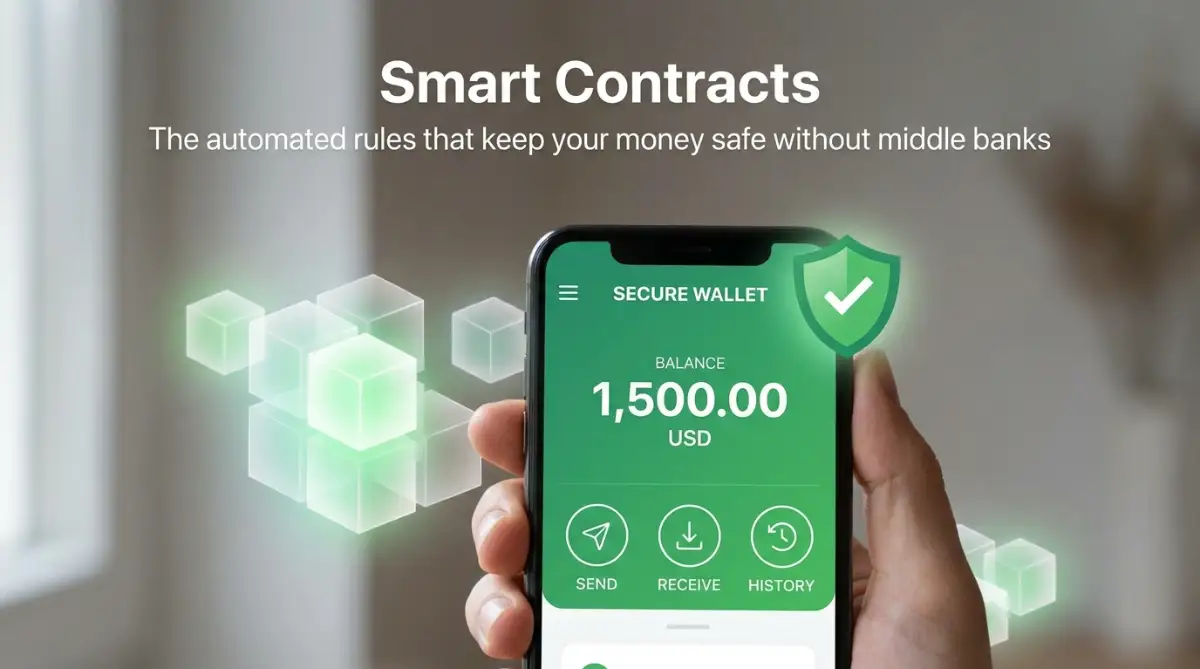
🔑 DeFi Survival Kit: What You Need to Know
- No Middlemen: DeFi replaces slow banks with automated, self-executing smart contracts. You are your own bank.
- Your Keys, Your Coins: Keep your 12-word recovery phrase strictly on physical paper. If you save it online or take a screenshot, you risk losing everything.
- Start Small: Don't chase crazy 100% interest rates. Stick to trusted, audited platforms and practice with $5 or $10 first.
- Watch the Fees: Every transaction on the blockchain costs a gas fee. Plan your trades during quiet hours to save money.
What Exactly Is Decentralized Finance and Why Does It Exist?
To understand this new system, we first need to look at how our normal money systems work. Right now, every time you buy something, swipe a card, or take a loan, a middleman sits in the middle. This middleman is usually a bank, a credit card company, or a payment processor.
Breaking Down the Main Differences
Decentralized finance, or DeFi, is a system built directly on a public digital network called a blockchain. Instead of relying on a bank to verify transactions, the network itself checks and records everything.
This means the system runs on thousands of computers globally, so no single company can shut it down. You keep full control of your private digital keys, which means nobody can freeze your funds without your permission.
Why People Are Moving Away from Traditional Setup
Traditional institutions require piles of paperwork, identity checks, and physical branch visits. If you do not have a good credit score or a valid home address, you might be denied basic banking services.
DeFi opens the door to anyone with an internet connection, no matter where they live in the world. It operates twenty-four hours a day, seven days a week, without any holidays or waiting periods.
The Core Engine: How Automated Agreements Run the Show
The magic behind this entire system relies on self-executing digital agreements called smart contracts. Think of a smart contract like a digital vending machine sitting on a sidewalk.
When you put money into a vending machine and press a button, you get your drink automatically. You do not need a cashier, a manager, or a store owner to complete the sale for you.
Here is exactly how this "vending machine code" works in real life:
- Your Action: You put 100 digital dollars into the smart contract.
- The Code Checks: Does this user have the $100? Yes. Is the asset they want in stock? Yes.
- The Direct Result: The contract instantly sends you the asset and tucks the $100 away safely. No bank required, no waiting, and no human errors.
The Logic of Self-Executing Digital Agreements
Smart contracts work on simple "if-then" logic that is programmed directly into the blockchain. If you send a certain amount of digital currency to the contract, then it will automatically send you back a specific asset.
Because these agreements are written in public code, they cannot be changed or edited after they go live. This creates a high level of trust because everyone can see exactly how the rules work before typing in any transactions.
Keeping the System Fair and Open
Since the code executes automatically, there is no room for human bias, favoritism, or delay. A smart contract does not care about your background, your credit history, or how much money you have.
It treats every single user exactly the same way based on the strict rules set in the program. This automation removes the high operational costs of running a bank, which helps lower the fees for everyday users.
Liquidity Pools: How Users Power the Market Together
In a traditional financial market, you need a buyer and a seller to agree on a price before a trade can happen. If you want to sell your stock, someone else must be willing to buy it at that exact moment.
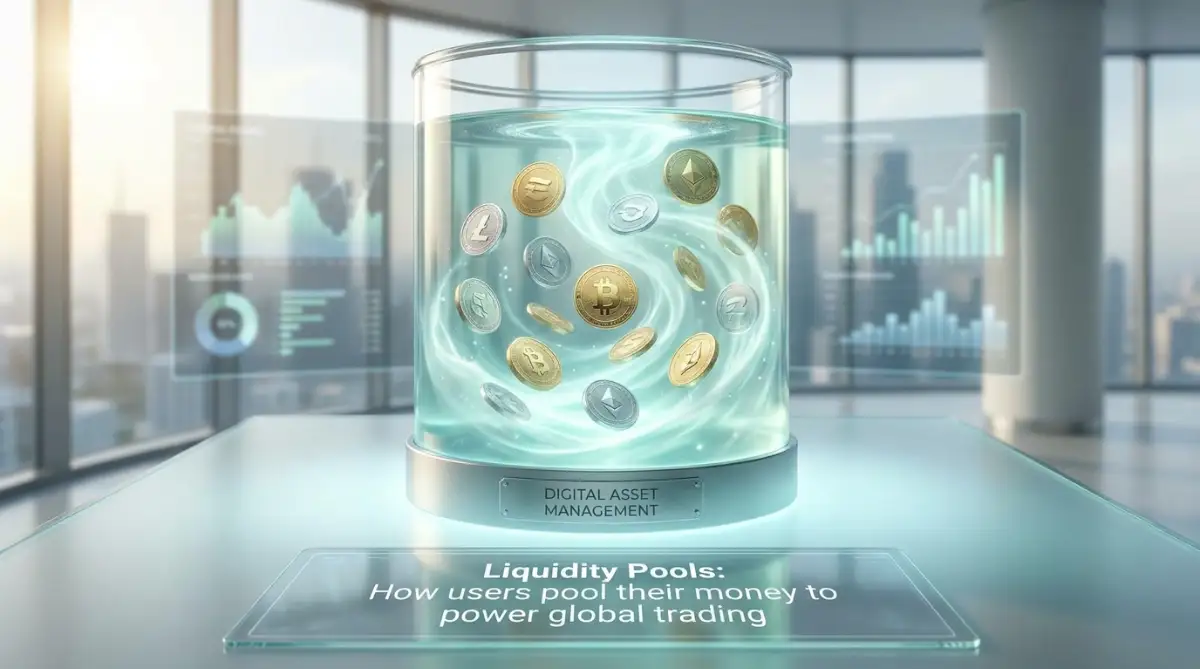
In the decentralized world, waiting for a buyer can take too long, so developers created liquidity pools. These pools are essentially smart contracts filled with digital tokens supplied by normal users.
Unlock the Secret of Digital Liquidity Pools
To truly see how these automated systems handle millions of dollars every day without a central broker, watch this helpful visual guide.
[Insert YouTube Video Link Here]
How Liquidity Pools Keep Trades Moving Fast
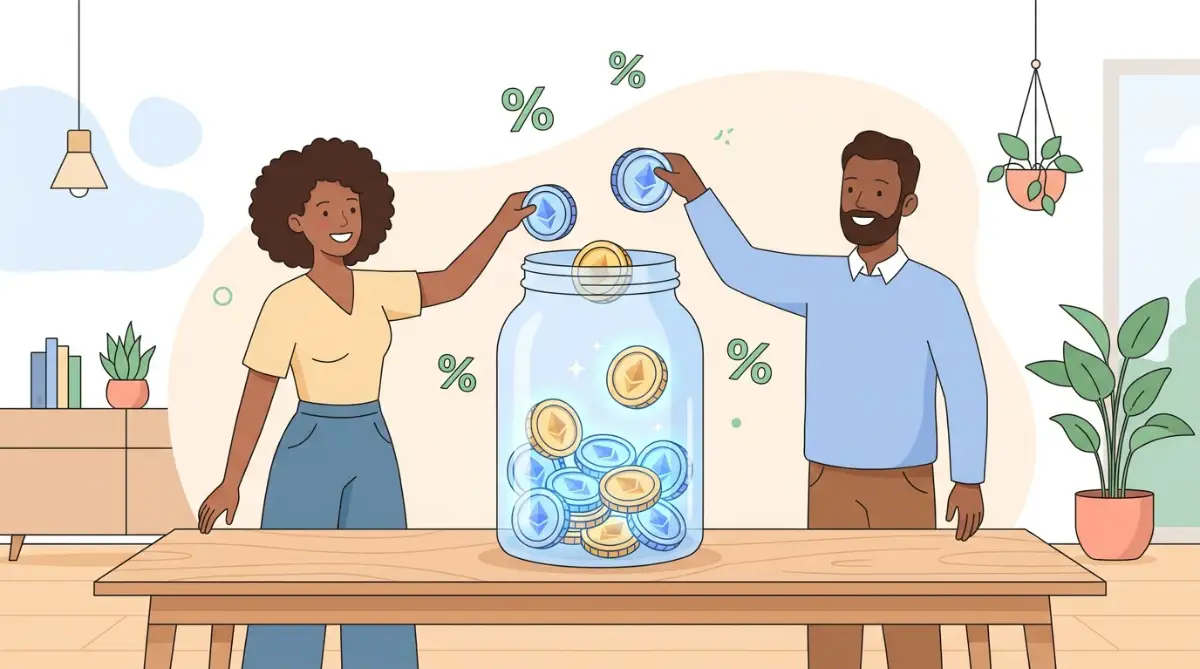
Imagine a giant community jar where people put in equal amounts of two different digital tokens. When you want to trade one token for another, you do not have to wait for an individual seller to appear.
Instead, you simply put your token into the jar and pull out the other token based on a set exchange rate. The pool is always open, allowing traders to swap assets instantly at any hour of the day.
Why Do People Put Their Money in These Pools?
The users who deposit their tokens into these pools are known as liquidity providers. In return for locking up their funds, they receive a small percentage of the trading fees paid by people who use the pool.
This process allows everyday investors to earn passive rewards directly from the transaction activity of the network. It turns ordinary users into the market makers, a role that was previously saved only for giant Wall Street firms.
Comparing the Systems: A Clear Side-by-Side View
To help you visualize how these two worlds compare, let us look at the main features of each side.
Starting Safe: My Personal Approach to Navigating the Space
When I first dipped my toes into this world, I made the huge mistake of jumping into complex platforms without testing them first. I lost a small amount of money on high network fees because I did not understand how transactions were processed.
Pro Tip: Always start by using a small amount of money that you are completely comfortable losing. I highly recommend setting up a basic software wallet, practicing simple transfers, and reading security guides before putting any significant funds into the system.
Steps to Take Control of Your Learning Path
Your first step is to download a reputable, non-custodial digital wallet on your phone or computer. This wallet acts as your personal passport to interact with different decentralized applications.
Next, secure your recovery phrase, which is a list of twelve or twenty-four random words given during wallet setup. Never share this phrase with anyone, copy it onto a digital device, or lose it, as it is the only key to your funds.
Practicing with Small Actions first
Once your wallet is set up, transfer a tiny amount of a stable digital asset to practice sending and receiving. Look for networks that offer very low transaction costs so your learning process does not become expensive.
By taking slow, deliberate steps, you will build up your confidence without risking your hard-earned savings. Education and caution are your best shields when exploring this new digital landscape.
Understanding the Risks and Challenges in This New World
While this technology offers incredible freedom, it also comes with several unique risks that you must understand. Because there are no banks or customer support hotlines, you are solely responsible for your own safety.
Technical Risks and Bad Actors
Since smart contracts are written by humans, the underlying code can sometimes have hidden bugs or security gaps. Experienced hackers look for these gaps to drain funds directly from the liquidity pools.
Additionally, because the space is relatively new, many bad actors create fake projects to steal money from unsuspecting beginners. You must research every platform thoroughly and avoid projects that promise unrealistic returns.
Market Swings and Network Fees
Digital assets are known for having high price volatility, which can quickly change the value of your deposits. Furthermore, when a specific blockchain network gets crowded, transaction fees can spike temporarily.
Understanding these challenges will help you make smarter decisions and protect your funds from common pitfalls. Always prioritize security over quick profits as you explore these modern financial options.
Smarter Strategies for Growing Your Wealth in the Decentralized Space
Once you understand the basic mechanics of decentralized systems, it is time to look at advanced strategies. Many successful investors do not just buy random tokens and hope for the best. Instead, they use specific, tested methods to maximize their returns while protecting their digital assets.
One key strategy is to understand how transaction fees, often called gas fees, fluctuate based on network demand. When thousands of people try to trade at the exact same time, the blockchain slows down and fees shoot up. This is very similar to how digital platforms experience resolving sudden performance bottlenecks in large-scale database management systems when user traffic spikes.
To avoid paying high fees, you should track network activity and complete your transactions during quiet hours. Many free online tools show when network traffic is lowest in your local time zone. Planning your trades during these quiet hours can save you hundreds of dollars over time.
Another advanced tip is to always inspect the underlying code logic of any platform you plan to use. You do not need to be a professional programmer to check if a system is secure. You can look at public audit reports from respected security firms to see if the smart contracts have been thoroughly tested.
Reading these audits helps you see if the contract works properly or if it has hidden vulnerabilities. Understanding how these smart contracts read and execute code is helpful, almost like learning how do machines understand us language models explained in simple terms. If the logic of the code is solid, your funds are much more secure from unexpected software glitches.
Before putting your savings into any new platform, run this quick 3-step check:
- The Audit Stamp: Search the website for an audit report from trusted names (like CertiK, OpenZeppelin, or Trail of Bits). No audit? Stay far away.
- TVL (Total Value Locked): Check if the platform holds at least a few million dollars. If it holds very little, it is much easier for scammers to manipulate.
- The Multi-Sig Rule: Check if the creators can change the code on a whim. Safe platforms use time-locks or community votes before making updates.
You can also read the official smart contract specifications on Ethereum [1] to understand the standards that developers must follow. This helps you separate genuine, high-quality projects from cheap copies that might put your money at risk.
Before putting your hard-earned savings into any lending pool, you should inspect its financial foundation carefully. This careful inspection is very similar to how you would spot house-wrecking structural flaws at an open house before buying a home. You want to make sure there are no hidden cracks in the project's design that could cause the entire system to collapse.
In addition to that, you must assess the actual value of the tokens you are trading to avoid buying overhyped assets. This is highly comparable to navigating your first home appraisal and handling a low valuation when buying real estate. If you pay more than what the digital asset is actually worth, you will likely suffer a loss when the market corrects.
According to recent academic research on decentralized exchanges from the NBER [2], liquidity providers face unique market behaviors that require active management. Understanding these patterns allows you to adjust your strategy and keep your risk level low over the long term.
The Power of Diversification inside Decentralized Pools
To build a strong long-term portfolio, you should never put all your digital assets into a single lending pool or protocol. Spread your funds across different platforms that have strong track records and active user bases.
By diversifying your assets, you protect yourself if one specific platform faces a technical issue or a hack. It is much safer to earn steady, moderate returns from three secure pools than trying to chase massive profits in a single risky one.
Using Stablecoins to Reduce Daily Price Swings
If you are worried about the sudden ups and downs of the crypto market, you can focus on stablecoins. These are digital tokens designed to match the value of stable currencies like the US dollar.
By lending your stablecoins to decentralized platforms, you can earn interest without worrying about price crashes. This strategy provides a calm, predictable way for beginners to get comfortable with decentralized lending.
Keeping Track of Your Investment Records
You should maintain a simple spreadsheet to track your entry prices, transaction fees, and earned rewards. Because decentralized platforms do not send you monthly paper statements, you must be your own accountant.
Keeping clear records helps you understand your actual profits after deducting network costs. It also ensures you are prepared if you ever need to calculate your digital asset holdings for personal records.
The Expensive Pitfalls That Can Drain Your Digital Wallet
Entering this open financial system without a clear plan is like walking into a busy marketplace with an open wallet. Many beginners lose their money not because the technology fails, but because they make simple, avoidable mistakes.
The biggest trap that catches new investors is the temptation of astronomical interest rates. Some new platforms promise returns of over one hundred percent per year to attract quick cash.
Chasing Unrealistic Yields and Scams
When you see a project promising returns that look too good to be true, it almost always is. These high-yield projects are often unstable setups that rely on constant new deposits to pay older users.
When the flow of new investors stops, the token price crashes to zero, leaving latecomers with nothing. True financial growth takes time, and sticking to projects with realistic, sustainable rates is always the safer path.
The Danger of Storing Your Security Keys Online
Another major mistake is saving your wallet's secret recovery phrase in your email, cloud storage, or as a photo on your phone. Hackers constantly scan online spaces for these phrase lists using automated digital tools.
If a hacker gets hold of your recovery phrase, they can steal all your assets in a matter of seconds. Your recovery phrase should only exist on physical paper, stored safely away from any internet-connected device.

Falling for Clever Phishing Websites and Fake Apps
Bad actors often build copycat websites that look exactly like popular decentralized exchanges. They advertise these fake sites on search engines to trick you into connecting your wallet and typing in your recovery keys.
To protect your funds, you must double-check the website address every single time before connecting your wallet. You can find safe links directly from trusted database directories or follow investor protection guidelines on Investor.gov [3] to spot common online scams.
Ignoring the Cost of Small Transactions
Some beginners make the mistake of moving tiny amounts of money back and forth between different pools. They do not realize that every single movement on the blockchain requires a network fee.
If you are not careful, these small fees can quickly add up and eat away all of your actual profits. Always calculate the transaction costs beforehand to make sure your expected earnings are larger than the network fees.
Panicking and Selling Assets During Market Drops
The digital asset market experiences frequent price movements that can look incredibly scary on a screen. Many beginners panic when they see their portfolio value drop by ten percent in a single day and sell everything at a loss.
Experienced investors understand that market corrections are natural and choose to hold their positions through the swings. If you cannot sleep at night because of market drops, it means you have invested more money than you can safely afford to lose.
Your Action Plan for a Safe and Smart Financial Journey
This modern financial system is changing the way we think about saving, trading, and growing our money. By removing the traditional middlemen, it hands the keys of financial freedom back to everyday people.
However, this freedom comes with the responsibility of educating yourself and moving forward with extreme caution. If you prioritize safety, use strong security habits, and focus on slow growth, you can navigate this space successfully.
Your Simple Checklist for Starting Tomorrow
Start by setting up a secure, non-custodial software wallet and writing down your backup phrases on physical paper. Next, transfer a very small amount of funds to practice basic transactions during hours when gas fees are low.
Choose one highly respected, audited platform to explore how simple lending or stablecoin swaps work. Keep your learning process simple, and do not rush into complex trading features until you feel completely ready.
A Personal Message to Help You Move Forward
I know that taking the first step into this new world can feel incredibly scary. But once I took my time and practiced with tiny amounts, my confidence grew rapidly. I truly believe that with a little patience and continuous learning, you can easily master these digital tools and take complete control of your financial destiny starting today.
Common Questions About Decentralized Finance
Can I lose all my money if a DeFi platform gets hacked?
Yes, if a platform has a bug in its smart contract, hackers can potentially drain the funds inside it. This is why you should only use platforms that have passed multiple independent security audits.
Do I need thousands of dollars to start using decentralized platforms?
No, you can start with as little as five or ten dollars to learn how the system works. However, make sure your initial deposit is large enough so that network transaction fees do not eat up your entire investment.
How do stablecoins stay connected to the value of the US dollar?
Most reputable stablecoins are backed by actual cash and government bonds held in secure traditional bank reserves. This backing ensures that you can always redeem one digital stablecoin for exactly one physical US dollar.
Is decentralized finance legal in most parts of the world?
Yes, using decentralized platforms is legal in most countries, though government regulations are constantly evolving. It is always a good idea to check your local financial guidelines regarding digital assets to stay completely safe.
What happens if I lose my digital wallet recovery phrase?
If you lose your recovery phrase, you lose access to your digital wallet and all the funds inside it forever. There is no central company or customer service department that can reset your password or recover your keys.
Disclaimer
The information provided in this article is for educational and informational purposes only. It does not constitute professional financial, investment, or legal advice. Digital assets and decentralized finance protocols carry high levels of risk, and you should always conduct your own research and consult with a certified financial advisor before making any investment decisions.
![7 Hidden Benefits of Dollar-Cost Averaging in a Crashing Market [Step-by-Step]](https://vimex24.com/storage/uploads/blogs/1786093381_7-hidden-benefits-of-dollar-cost-averaging-in-a-crashing-market-step-by-step.webp)
![7 Proven Secrets to Master Digital Asset Taxes [Step-by-Step]](https://vimex24.com/storage/uploads/blogs/1786079646_7-proven-secrets-to-master-digital-asset-taxes-step-by-step.webp)
![5 Hidden Signs of Market Volatility Every Investor Must Watch [Protect Your Cash]](https://vimex24.com/storage/uploads/blogs/1786022814_5-hidden-signs-of-market-volatility-every-investor-must-watch-protect-your-cash.webp)