
Why I Could Never Keep My House Warm (And the Shocking Truth About Energy Leaks)
Let me skip the dramatic story about freezing under layers of thick blankets. A few years ago, I realized I was paying over $300 a month for heating, yet I still had to wear a heavy jacket inside my own house. I finally grabbed a cheap thermal leak detector and discovered my home wasn't just naturally cold—it was literally throwing my money out the window. Here is exactly how I plugged those hidden leaks and warmed up my space without paying a single contractor.
Have you ever wondered why some rooms feel like a sauna while others feel like a freezer? This frustrating temperature imbalance usually happens because your living space is secretly leaking energy. We often assume that the only fix is to hire expensive contractors or buy massive heating systems.
But what if the real problem is just a few hidden gaps and a lack of smart interior planning? Your house is supposed to be your safe shelter, not a place that causes you daily stress and discomfort. The good news is that you can completely change this situation using very simple, natural methods.
Quick Takeaways for a Warmer Home:
- Stop the invisible leaks: A cheap door sweep saves much more money than buying a brand-new space heater.
- Time your curtains: Open them wide for free solar heat during the day, and shut them tight as soon as the sun drops.
- Reverse your fan: Push the trapped hot air down from the ceiling to the floor where you actually need it.
- Don't suffocate the house: Make sure your home still breathes slightly to prevent indoor humidity from turning into black mold.
Mastering the Basics: How to Trap Warmth Like a Professional
Fixing a drafty home does not always mean tearing down walls or spending thousands of dollars. You can make an amazing difference by just paying attention to how air and heat move through your rooms. Let us look at some highly effective ways to build a natural thermal barrier around your family.
Spotting and Stopping the Invisible Air Thieves
Think of your house like a giant thermos meant to hold hot coffee. If the lid is even slightly loose, your coffee gets cold extremely fast. The same exact thing happens with the tiny cracks around your doors and windows.
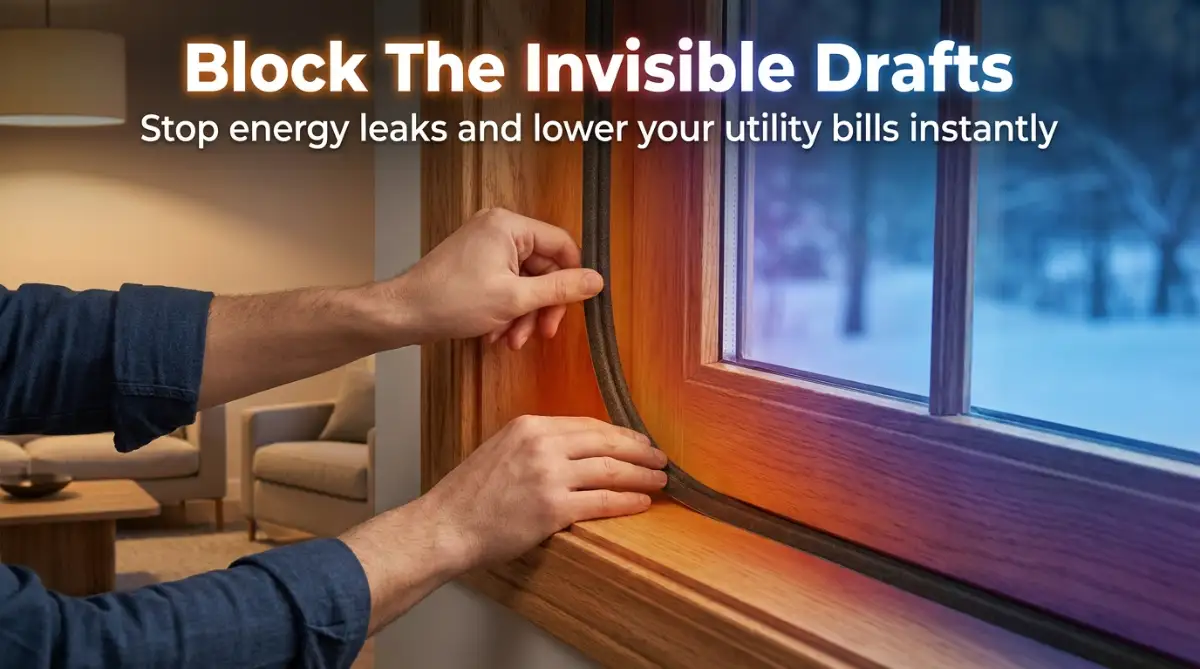
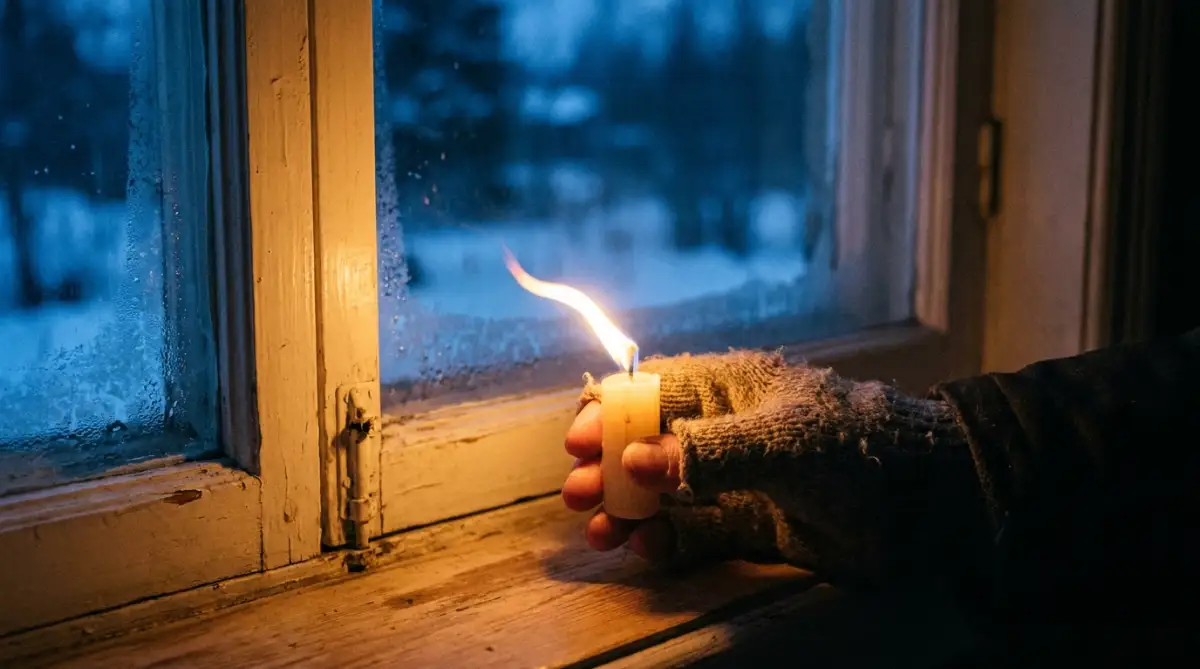
These small gaps might look harmless, but they act like open holes that suck the warm air right out of your home. You can test this easily by holding a lit candle near the edges of your window frames on a windy day. If the flame flickers or dances, you have found a hidden energy leak that is costing you money.
The Real Cost of Ignoring Drafts:
Let me show you what those tiny air leaks actually cost you. According to basic energy guidelines, sealing hidden drafts can cut your heating bill by up to 15%. If you usually pay $250 a month during winter, ignoring those cracks means you are throwing away roughly $150 every single season. That is cash you could easily keep in your pocket just by spending $5 on a tube of window caulk.
I used to ignore those tiny gaps under my front door, thinking they wouldn’t make any real difference. But once I installed a simple draft stopper, I immediately noticed my hallway felt ten degrees warmer, and my heating system stopped running non-stop.
You can easily apply sticky weather stripping around the frames of your doors and windows to create a tight seal. Another amazing trick is to use heavy fabric draft snakes at the bottom of your exterior doors. These small adjustments take less than an hour but provide immediate comfort and long-term savings.
If you are tired of watching your hard-earned money float right out the window, you absolutely need to see this simple visual breakdown of how basic draft-proofing actually works.
Harnessing Free Heat from the Sun
We often forget that the sun is a massive, completely free source of heat right outside our doors. Passive solar heating is a smart way to collect this natural warmth during the day and keep it trapped inside at night. To make this work, you need to become very strategic with your window coverings.
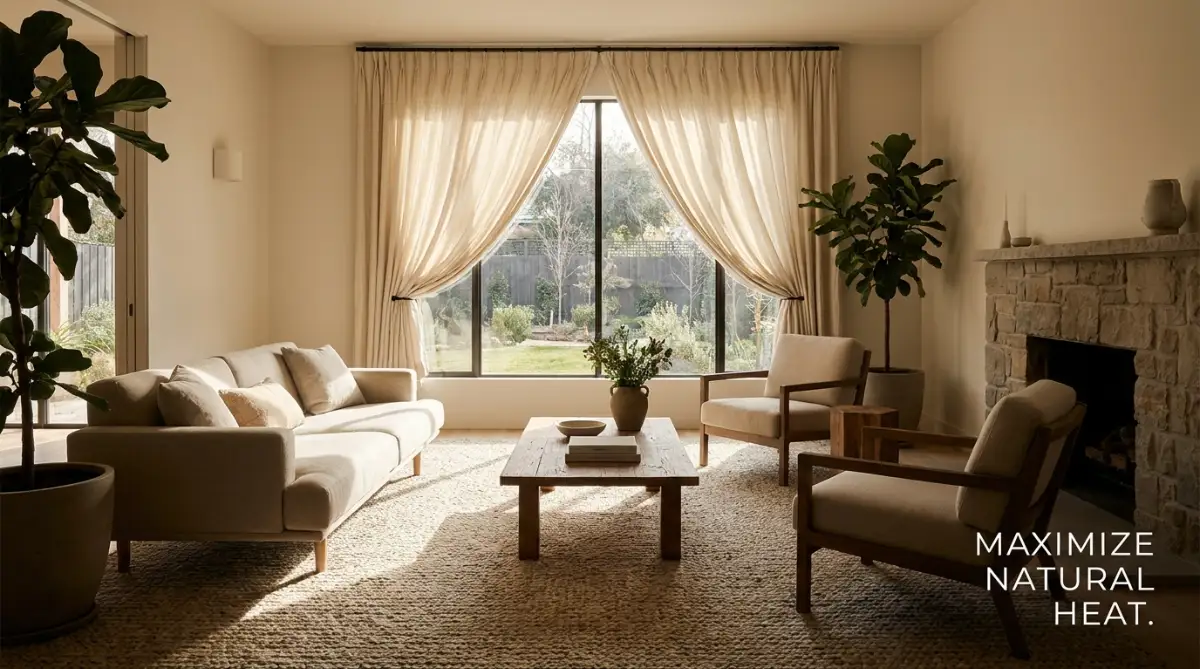
During the brightest parts of the morning and afternoon, open all the curtains and blinds on the sunny side of your house. Let the natural sunlight pour over your floors and furniture, which will absorb the heat.
When the sun starts to set and the outside air gets cold, quickly close all the curtains tightly. This simple daily habit traps the absorbed heat inside your rooms and stops the glass from freezing your indoor air.
The Hidden Power of Thermal Window Treatments
Standard cotton curtains might look beautiful, but they do absolutely nothing to stop a cold breeze. If you really want to improve your indoor climate, you need to switch to high-quality thermal curtains. These heavy drapes have a special acrylic foam backing that creates a thick wall against the cold window pane.
When you close a thermal curtain, you are essentially putting a heavy winter coat over your cold glass windows. This prevents the warm air inside your room from touching the freezing glass and losing its heat.
For maximum effect, make sure your curtains extend all the way from the ceiling down to the floor. The wider and longer the curtains are, the less chance cold air has to sneak into your living space.
Building Warmth from the Ground Up
Have you ever noticed how walking on a bare floor makes your entire body feel freezing? Uninsulated floors, especially those made of hardwood or tiles, can account for a massive amount of heat loss.
When your feet are cold, your brain automatically tells your body that the whole room is freezing, even if the air is warm. Putting down thick, fuzzy rugs is like putting warm woolen socks on your cold floors.
Rugs add a powerful extra layer of insulation that stops the cold ground from stealing your room's heat. If you want even better results, place a dense rug pad underneath your carpets to create an extra pocket of trapped air.
Myth vs. Reality: Do You Really Need Expensive Upgrades?
Many people get completely overwhelmed when they read about improving their home's temperature. Salesmen will tell you that you need to replace all your windows and rip up your walls to see a difference. Let us break down some common myths to help you see the truth clearly.
Understanding these basic truths can save you from making very expensive mistakes. Focus on simple, natural fixes before you ever consider calling a heavy construction crew.
My 5-Minute Weekend Heat Audit:
Before you buy any materials, grab a notepad and do this quick walkthrough today:
[ ] Check your attic hatch for missing foam seals.
[ ] Hold a lighter near your window frames to spot moving air.
[ ] Feel the bottom edge of all your exterior doors.
[ ] Check if your ceiling fan has a reverse switch.
Rearranging Furniture to Maximize Airflow
Take a good look at where your large sofas, beds, and heavy cabinets are currently sitting. Are any of these large pieces blocking your heating vents or radiators?
When you place a thick couch directly in front of a heat source, the furniture absorbs all the warmth. This means the hot air never actually gets the chance to circulate through the rest of the room.
Moving your furniture just a few inches away from heaters can instantly change the temperature of the entire room. You should also try to move your reading chairs and work desks away from large, cold windows. Sitting near an exterior wall will always make you feel colder, so move your daily activities toward the center of the house.
Checking the Attic and Basement for Hidden Leaks
Warm air naturally rises to the top of your house, just like a hot air balloon. If your attic has empty gaps, cracks, or missing insulation, all your expensive heat will float right out through the roof.
Checking the access hatch to your attic is one of the easiest ways to find major energy leaks. Simply adding a thick layer of foam weather tape around the edges of the attic door can trap a massive amount of heat.
The exact same rule applies to your basement, where cold air can easily seep up through the floorboards. Look for the spaces where pipes and electrical wires pass through your floors and walls. Using expanding foam spray to seal these tiny holes will instantly stop icy air from creeping into your main living areas.
Using Indoor Plants to Balance Humidity and Warmth
Most people do not realize that the amount of moisture in the air directly affects how warm you feel. Dry winter air makes your sweat evaporate extremely fast, which makes your skin feel much colder than the room actually is.
Adding indoor houseplants is a completely natural and beautiful way to add healthy moisture back into your indoor air. Plants naturally release tiny water droplets through their leaves in a process called transpiration.
When your indoor air has a comfortable level of humidity, it actually holds onto heat much better. You will find that you can keep your thermostat set a few degrees lower while still feeling perfectly warm and cozy.
Securing the Fireplace Flue
A traditional fireplace brings wonderful charm and comfort to any family room. However, when the fireplace is not in use, the chimney acts like an open tunnel leading straight to the freezing outdoors.
If you forget to close the fireplace damper, it is exactly like leaving a large window wide open all day and night. The warm air from your house gets sucked directly up the chimney, while cold air pours down into your room.
Always double-check that the flue is completely closed tight when you are not enjoying a fire. You can also buy a chimney balloon, which inflates inside the tunnel to completely block any sneaky drafts from entering.
The Magic of Layered Decor
Interior design is not just about making a house look beautiful; it can also make a house function better. Using thick, heavy textures in your decorating style naturally creates a warmer physical environment.
Tossing thick knit blankets over your chairs and keeping fluffy pillows on the couch gives you instant access to warmth. Hanging large, decorative fabric tapestries or framed canvas art on your exterior walls adds another minor layer of insulation against the cold.
Every single layer you add, whether it is a thick rug or heavy curtains, works together to build a comfortable sanctuary. You are taking full control of your environment using completely natural, everyday items.
Next-Level Temperature Control: Pro Secrets for Long-Term Comfort
Now that you have secured the basic drafts around your windows and doors, it is time to look at the bigger picture. True energy efficiency is not just about blocking cold air; it is about manipulating the heat you already have. Many homeowners completely miss these advanced strategies because they seem too simple to actually work.
I want to share some incredibly smart, dynamic methods that professionals use to keep houses warm without touching the thermostat. These strategies will help you maintain a cozy environment over the long run, ensuring you never have to shiver in your own living room again. Let us break down exactly how you can turn your home into a natural heat-trapping machine.
The Science of Thermal Mass
Have you ever noticed how a large stone or a brick stays warm for hours after the sun goes down? This natural phenomenon is called thermal mass, and you can easily use it to your advantage indoors. Materials like dark tile, stone, and heavy brick are fantastic at absorbing natural sunlight during the day.
If you have a dark-colored rug or a stone coffee table, place it directly in the path of the afternoon sun. The material will quietly soak up the heat all afternoon while you go about your day. Once the evening chill sets in, these objects will slowly release that trapped warmth back into your room.
This creates a gentle, ongoing heat source that costs absolutely nothing to run. To understand the science behind this heat absorption, you can read more from the Department of Energy's guide on passive solar design, which explains how everyday materials hold temperature.
Harnessing the Reverse Ceiling Fan Trick
Most people only think about their ceiling fans during the boiling hot days of summer. However, your ceiling fan is actually a secret weapon for fixing freezing winter nights. Because hot air always rises to the ceiling, your heater is constantly pushing the warmest air away from your body.
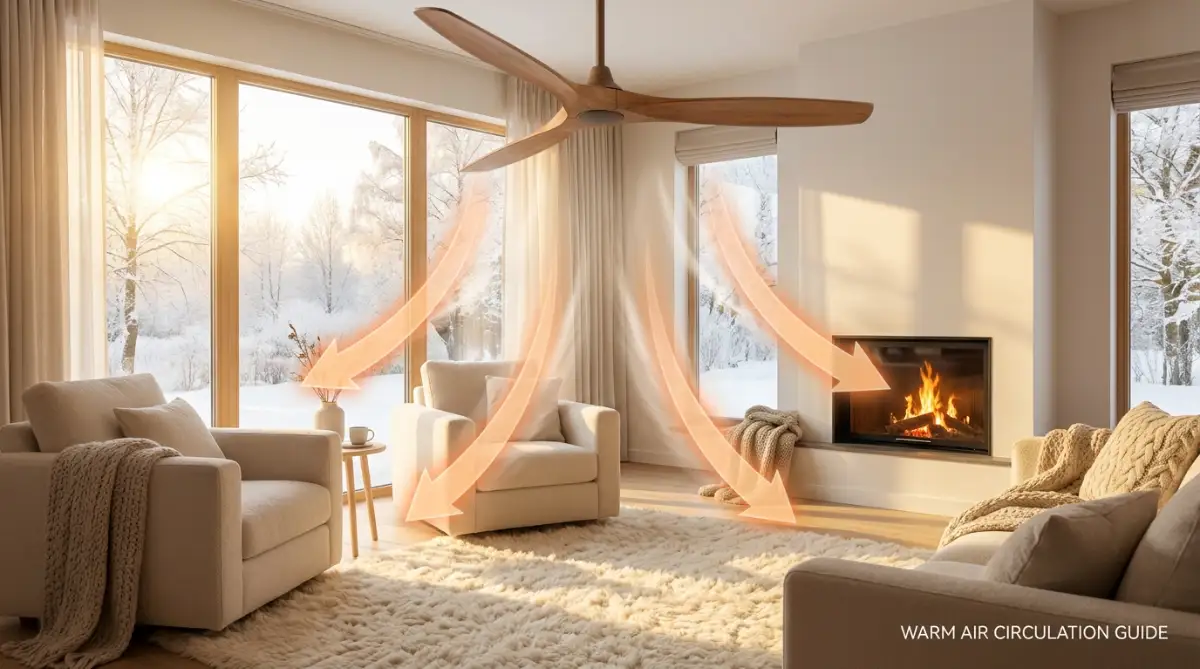
If you look closely at the base of your ceiling fan, you will find a small, hidden switch. Flipping this switch changes the blades to spin in a clockwise direction on the lowest speed setting.
This reversed motion creates a gentle updraft that forces all that trapped hot air down the walls and back to the floor. You will immediately feel a difference in the room's temperature without having to increase your heating bill. Understanding how to manage your home's airflow is just as important as knowing the hidden secrets of solar inverters for maximum electrical efficiency.
Using Kitchen Heat to Your Advantage
Think about how much heat your kitchen generates when you are preparing a large family dinner. Your oven, stovetop, and even your dishwasher release a massive amount of warm air and humidity. Instead of letting all that beautiful heat go to waste, you can capture it to warm up the rest of the house.
Once you finish baking cookies or roasting dinner, simply turn off the oven and leave the oven door wide open. The leftover heat will slowly drift out and warm up your entire kitchen and dining area naturally.
Just be absolutely sure that children and pets are kept away from the open oven door for safety. You can also leave hot bathwater in the tub until it reaches room temperature, allowing the warmth and moisture to naturally heat your bathroom.
Creating a Natural Exterior Windshield
Sometimes the best way to insulate the inside of your home is to change what is happening on the outside. Bitter, freezing winds that constantly hit the side of your house will rapidly strip away your indoor heat.
Planting a row of dense, evergreen shrubs or trees along the wind-facing side of your property creates a powerful natural windbreak. These thick bushes act like a heavy shield, breaking the force of the wind before it ever touches your exterior walls.
This strategy takes a little time to grow, but the long-term energy savings are absolutely incredible. Much like learning how to winter-proof your solar panels, preparing your home's exterior environment is a very smart investment for the future.
The Dollar Bill Door Test
Even if you think your exterior doors are perfectly sealed, they might be hiding tiny, invisible gaps. Wood naturally expands and shrinks with the changing weather, which slowly destroys your weather stripping over time.
You can perform a professional-level energy audit right now using nothing but a single dollar bill. Open your front door, place the dollar bill across the weather seal, and shut the door tightly over it.
Now, try to gently pull the paper money out from the closed door. If the bill slides out easily with zero resistance, your door seal is completely failing, and cold air is pouring inside. You should repeat this test along the top, bottom, and sides of every single exterior door in your home.
Maintaining the Perfect Humidity Balance
We touched on indoor plants earlier, but managing your overall room moisture requires a bit more attention. Dry air actually steals heat from your skin, making you feel much colder than the thermometer claims.
You should consider picking up a cheap digital hygrometer to accurately measure the moisture levels in your living room. Your goal is to keep the indoor humidity somewhere between thirty and fifty percent for maximum comfort.
If the air falls below thirty percent, placing small bowls of water near your heating vents can naturally push moisture back into the room. Evaluating and tweaking your home’s climate data is highly similar to tracking metrics to measure customer value if you want to see long-term success.
The Costly Traps You Must Avoid at All Costs
When people get desperate to warm up their freezing homes, they often rush into making terrible, panicked decisions. I have seen homeowners completely ruin their walls and damage their heating systems simply because they followed bad advice. Trying to fix your insulation without understanding the basic rules of airflow can backfire in deeply expensive ways.
Let us walk through the most dangerous pitfalls that you must avoid to protect your health, your house, and your wallet. Failing to plan your upgrades carefully can lead to a messy disaster, similar to why software teams rely on proven project management frameworks to avoid complete chaos.
The Hidden Mold Nightmare (Suffocating Your Home)
One of the absolute worst things you can do is seal your house so tightly that fresh air cannot enter. We all want to block cold drafts, but your house still needs to breathe to stay healthy.
Every time you cook, shower, or even breathe, you are adding warm moisture to your indoor air. If your house is wrapped up completely tight with zero ventilation, that moisture has absolutely nowhere to escape.
The trapped water vapor will hit your cold windows and walls, turning into condensation that drips down to the floor. Within weeks, dangerous black mold can start growing behind your furniture and deep inside your drywall. This ruins your indoor air quality and can trigger severe allergic reactions for your family. You can check the EPA guidelines on indoor air quality to understand exactly how proper ventilation keeps your family breathing safely.
Using the Wrong Tape for the Job
I totally understand the temptation to grab whatever tape you have in the drawer to cover a drafty window sill. I once tried using heavy-duty silver duct tape to seal a gap in my bedroom window.
While it temporarily blocked the wind, the intense winter cold caused the tape's adhesive to freeze and peel off immediately. Worse still, when the sun finally hit the window, the leftover glue melted into a sticky, permanent mess on the wood frame.
Duct tape, masking tape, and packing tape are never meant to handle extreme temperature changes. You must always use proper foam weather stripping or removable silicone caulk designed specifically for home insulation. Using cheap, incorrect materials to save a few dollars is just like falling into hidden student loan traps that drain your money and cause headaches later.
The Danger of Closing Air Vents Completely
It sounds completely logical to close the heating vents in empty guest rooms to save money on your energy bill. Many people shut the doors to unused rooms and aggressively block the air registers, thinking it forces heat into the living room.
Unfortunately, modern central heating systems are carefully balanced to distribute air evenly across the entire house. When you close off multiple vents, the air pressure inside your hidden ductwork skyrockets dangerously fast.
This extreme pressure forces your blower motor to work twice as hard, which wears down the expensive machinery. Instead of saving money, you are actually stressing your HVAC unit and pushing heated air out through tiny leaks in your attic. The American Society of Heating, Refrigerating and Air-Conditioning Engineers (ASHRAE) strongly advises against blocking vents, as it directly damages equipment lifespan.
Ignoring the Attic Hatch
You might spend an entire weekend carefully sealing every single window on the ground floor. However, if you ignore the access door leading up into your attic, all your hard work is completely wasted.
Because hot air travels upward, the attic hatch acts like a massive chimney pulling heat directly out of your hallway. Most standard attic doors are just thin pieces of plywood resting on a wooden frame with zero protective seals.
If you do not stick a thick layer of foam weather tape around the edges of that hatch, you are bleeding money. You might as well be standing in your living room burning dollar bills.
Stepping Into a Warmer, Happier Home Environment
Taking control of your home's temperature does not require a degree in engineering or a massive bank account. By applying these smart, natural strategies, you are essentially wrapping your house in a protective, warm blanket. You are blocking the cold invaders at the door and trapping the beautiful, free heat that the sun provides.
Every single small gap you seal and every thick curtain you hang brings you one step closer to total comfort. You will finally be able to walk across your living room floor without needing heavy woolen socks.
Seeing your energy bills slowly drop month after month will give you a tremendous sense of relief and pride. I know from personal experience that taking just one hour this weekend to seal your main doors will completely change how your home feels. My own house transformed from a stressful icebox into a deeply relaxing sanctuary just by following these very simple steps.
Common Questions About Natural Home Insulation
How can I insulate my windows without using ugly plastic wrap?
You can easily use heavy thermal curtains with a thick foam backing to block the cold naturally. Hanging cellular shades, also known as honeycomb blinds, is another beautiful way to trap an extra layer of dead air against the glass.
Does keeping interior doors open or closed help warm the house?
It depends entirely on your heating system setup. If you have central heating, keeping doors slightly open allows the warm air to circulate properly and return to the main unit without pressure buildup.
What is the most effective natural draft stopper for external doors?
A heavy fabric snake filled with dried beans, rice, or natural sand is extremely effective. The heavy weight of the filling allows the fabric to mold perfectly to the uneven shape of your floor, blocking all wind.
Can lighting candles actually warm up a small room?
While a single candle does produce a very tiny amount of heat, it is not enough to change the room temperature safely. Relying on open flames for warmth is highly dangerous and ruins your indoor air quality with soot and smoke.
Will placing aluminum foil behind my radiators save money?
Yes, slipping a heat-reflective panel or heavy-duty foil behind a wall radiator stops the heat from sinking into the cold brick. The shiny surface bounces the warmth directly back into the center of your living space.
Disclaimer: The information provided in this article is for educational and informational purposes only. Home improvement results may vary based on your specific property, local climate, and the materials used. Always consult with a licensed professional before making significant structural changes to your home or heating systems.

![5 Simple Steps to Winter-Proof Your Solar Panels [Save Money]](https://vimex24.com/storage/uploads/blogs/1785503524_5-simple-steps-to-winter-proof-your-solar-panels-save-money.webp)
![5 Hidden Secrets of Solar Inverters [Step-by-Step Guide]](https://vimex24.com/storage/uploads/blogs/1785490845_5-hidden-secrets-of-solar-inverters-step-by-step-guide.webp)