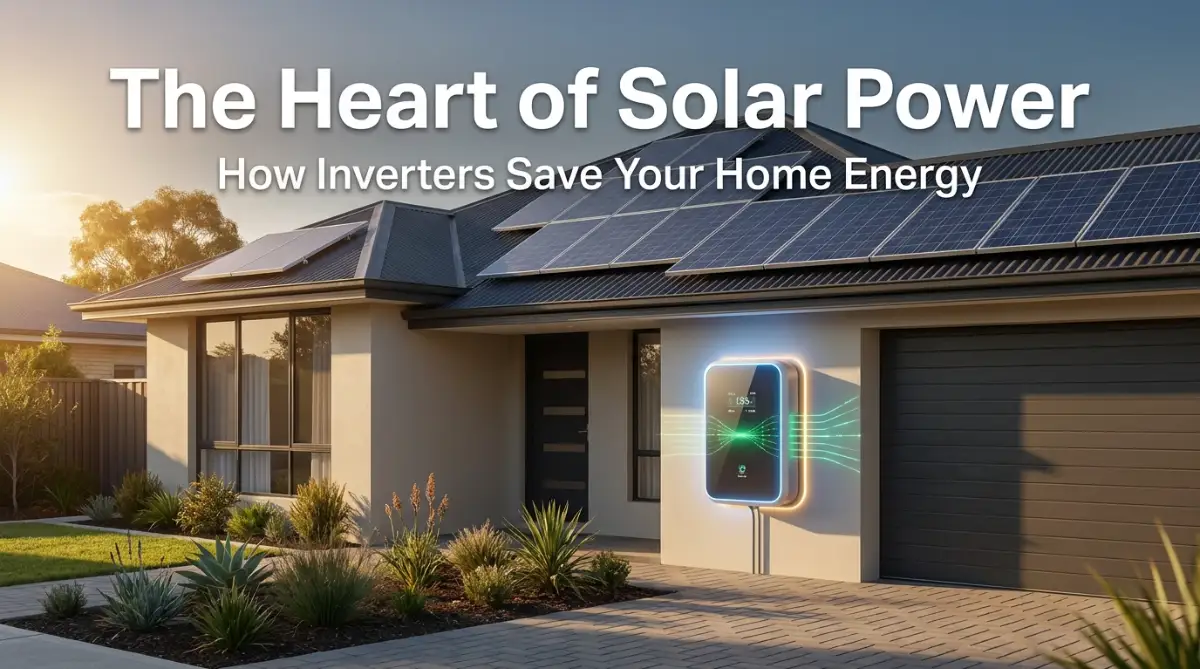
The Silent Battle of Your Rooftop: Why Solar Panels Alone Leave You in the Dark
You just dropped thousands on a shiny new solar setup, so why is your electric bill still stubbornly high? It turns out, slapping panels on your roof is only half the job. The real brain behind your home's power is that unassuming metal box humming on your wall—the solar inverter. Let's skip the confusing tech jargon and figure out how this smart device actually works, and more importantly, how you can stop it from quietly wasting your money.
I had the panels and the sun was shining, but my home was dark. That was the moment I realized I knew nothing about the solar inverter. It was a stressful lesson that cost me a lot of sleep.
Many homeowners face this exact same silent struggle every single day. They spend thousands of hard-earned dollars on solar setups to find peace of mind. Instead, they get hit with confusing technical terms and unexpected system shutdowns.
This frustration is real, and it is usually not the panels' fault. The real culprit is almost always a lack of understanding about how the inverter manages your power. Let us clear up this mystery so you can finally get the savings you deserve.
⚡ Quick Power-Up: What You Need to Know Today
- Your rooftop panels just collect raw sun energy; your inverter is the boss that actually turns it into usable house power.
- Heat is your hardware's worst enemy. Picking a shady spot for installation can easily add years to its lifespan.
- Buying an undersized unit to save a few bucks is a massive mistake—it permanently bottlenecks your daily energy savings.
- Doing simple tasks like cleaning off dust and hitting "update" on the firmware app can stop sudden system failures.
he Secret Bridge: How Your Inverter Converts Raw Sun Energy
Understanding Direct Current (DC) vs. Alternating Current (AC)
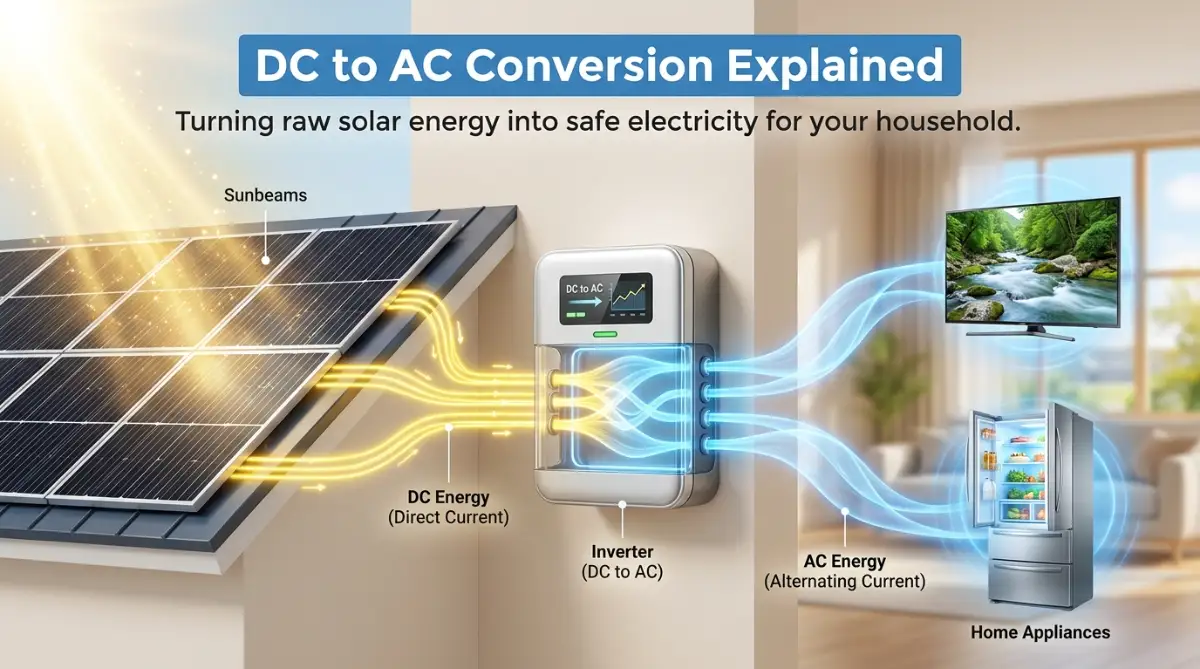
To understand this machine, we first need to look at the two types of electricity. Your rooftop panels generate something called Direct Current (DC) power. This electricity flows in a single, straight line like water through a garden hose.
Unfortunately, your home appliances cannot use this type of power. Your microwave, refrigerator, and television all run on Alternating Current (AC) power. AC electricity constantly changes its direction, moving back and forth like ocean waves.
This is where the magic of the solar inverter comes into play. It takes that one-way DC energy and quickly reshapes it into the wavy AC energy. Without this conversion, your solar panels are nothing more than expensive blue glass.
The Physics of the Switch: Inside the Inverter
How does this box actually change the direction of electricity? Inside the inverter, there are incredibly fast electronic switches called transistors. These switches turn on and off dozens of times every single second.
By opening and closing these paths, the inverter forces the straight-flowing DC electricity to alternate. This rapid switching creates a safe wave of power that mimics the utility grid. Your home appliances receive this electricity without ever noticing a difference in quality.
This process must happen without any interruption to keep your home running smoothly. If the switching timing is off by even a millisecond, your appliances could shut down. That is why the internal microprocessor is constantly managing this delicate process.
Maximum Power Point Tracking (MPPT) Explained
The sun does not shine with the exact same strength all day long. Clouds pass by, trees cast shadows, and the angle of the sun shifts constantly. This means the voltage coming from your panels is always changing.
Most modern inverters use a smart technology called Maximum Power Point Tracking (MPPT). Think of MPPT as a digital brain that constantly calculates the best voltage for your system. It acts like an automatic transmission in a car, keeping the system in the right gear.
By adjusting the resistance, the MPPT ensures your panels always produce the maximum amount of power. Even on cloudy days, this feature helps you squeeze every single drop of energy from the sky. It is the main reason modern solar setups are so highly productive.
Watch This Simple Video to See the Conversion Process in Action
Want to see exactly how these electronic parts switch power in real-time? Check out this highly visual and simple video that explains the entire process step-by-step.
https://www.youtube.com/watch?v=ip4ECSkSGgY
Grid Synchronization: Staying in Perfect Harmony
If your home is connected to the local utility grid, your inverter has another major job. It must match the frequency and voltage of the grid perfectly. If they do not match, it can cause dangerous short circuits in your neighborhood.
The inverter monitors the grid's electrical waves and matches its own output to them. This allows power to flow smoothly between your house and the utility company. If you generate excess power, the inverter safely sends it back to the grid for credits.
Pro Tip: I remember when I first bought my system and ignored the efficiency rating. I went with a cheap option and lost almost twenty percent of my daily power generation. My advice is to always look for an inverter with at least ninety-seven percent efficiency.
The Internal Architecture of a Modern Inverter
Inside the metal box on your wall lies a complex system of copper paths and cooling systems. The main components work together to ensure your electricity is clean and safe. These parts are highly sensitive and require a stable environment to perform well.
The first major section is the input stage, which receives the high-voltage DC power from your roof. This stage filters the incoming electricity to remove any voltage spikes caused by passing clouds. Once the power is stable, it moves to the conversion stage.
This second stage uses the high-speed transistors to flip the current back and forth. Finally, the power moves through heavy filters that smooth out the electrical waves. This ensures the output matches the smooth AC wave of the public grid.
Heat Dissipation: Keeping the System Cool
Because converting electricity generates a lot of thermal energy, cooling is a major priority. Most high-quality units use massive metal heat sinks to pull warmth away from the delicate chips. Some larger models also include small, quiet fans to force air through the unit.
If the internal temperature gets too high, the system will automatically reduce its power output. This safety mechanism prevents the internal components from melting or catching fire. That is why finding a shaded, cool installation spot is so important for long-term performance.
Modern units also feature smart temperature sensors that track heat levels in real-time. If a fan fails or a vent becomes blocked, the system app will notify you immediately. This active protection helps prevent expensive repair bills down the road.
🛑 Myth vs. Fact: The "Waterproof" Trap
- The Myth: Since solar inverters have waterproof ratings (NEMA/IP65), you can mount them anywhere outside in the blazing sun.
- The Fact: Even if water can't get in, heat definitely will. When left in direct afternoon sunlight, the hardware goes into "thermal derating." It literally throttles down your energy production to keep its circuits from melting down. Always demand your installer place the box on a shaded north or east-facing wall!
Understanding Efficiency Ratings and What They Mean
When shopping for hardware, you will see a percentage rating on the side of the box. This is the efficiency rating, which shows how much power is lost during the conversion process. No machine is perfect, so some energy is always lost as heat.
A standard model usually has an efficiency rating between ninety-five and ninety-eight percent. This means only a tiny fraction of your solar energy is wasted during the conversion. Choosing a highly efficient model ensures you get the absolute most out of your rooftop panels.
It is also worth noting the European and CEC efficiency standards, which simulate real-world weather. These ratings give you a much more accurate picture of how the unit performs on cloudy days. Always look for these independent test results before making your final purchase.
The Diverse World of Solar Inverters: Which Design Fits Your Home?
To make the best choice for your roof, you must understand the different types of hardware. Each option has unique benefits depending on your budget and home layout.
Quick Cheat Sheet: Which Setup Wins?
| Inverter Type | Best For... | Biggest Superpower | The Catch |
| :--- | :--- | :--- | :--- |
| String Inverter | Simple, unshaded roofs | Very budget-friendly | One shaded panel drops the whole system's power. |
| Microinverters | Roofs with trees/chimneys | Total panel independence | Higher upfront cost & harder to replace on the roof. |
| Power Optimizers | Moderate shade | Best of both worlds | Relies on one main central box. |
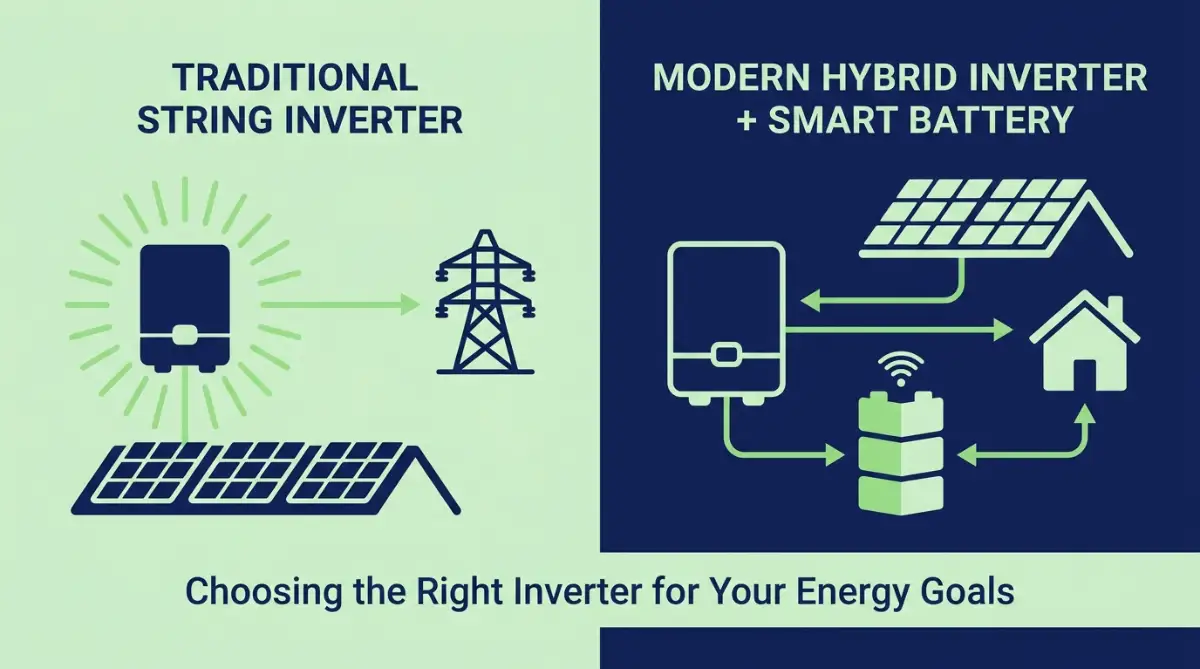
| Hybrid Models | Future battery additions | Blackout protection | The most expensive option out of the gate. |
The Standard Workhorse: String Inverters
A string inverter is the most common and cost-effective design used today. In this setup, your panels are connected in a single series, like a string of holiday lights. This string of panels feeds high-voltage DC power directly into a single box on your wall.
The main advantage of this design is its simplicity and low upfront cost. Because there is only one central box, maintenance and future repairs are very straightforward. It is a highly reliable choice for homes with unshaded roofs facing a single direction.
However, the major drawback is that the entire string performs only as well as its weakest panel. If a single panel is shaded by a tree branch, the output of all other panels drops. This makes string systems less ideal for complex or partially shaded roofs.
The Independent Workers: Microinverters
Microinverters solve the shading problem by placing a small conversion box under every single panel. This means each solar panel operates completely independently from its neighbors. If one panel is covered in leaves, the rest of your system still runs at full capacity.
This setup is perfect for complex roofs with multiple angles or nearby trees. It also allows you to track the real-time production of each individual panel on your phone. If a single panel develops a fault, you can pinpoint the exact location instantly.
The main trade-off is the higher initial cost of buying and installing multiple small units. Because these units are mounted on your roof, replacements can also be more difficult for technicians. Despite these challenges, the increased energy production often covers the extra cost over time.
The Balanced Solution: Power Optimizers
Power optimizers offer a middle ground between string systems and microinverters. In this design, a small optimizer is attached to each panel, but the actual conversion still happens in a central box. The optimizer adjusts the voltage of its panel to ensure it always operates at peak efficiency.
This hybrid approach gives you the individual panel tracking and shade protection of microinverters. At the same time, it keeps the main conversion electronics in a safe, easily accessible location on your wall. It is an excellent, cost-effective choice for moderately shaded homes.
Because the system uses a single central inverter, replacing the unit in the future is simple. The optimizers on the roof have very few moving parts, making them extremely durable. This makes the system a highly popular choice for modern residential installations.
The Ready-For-Anything Setup: Hybrid Inverters
If you are planning to add a home battery in the future, a hybrid unit is your best option. These advanced devices can manage electricity from your panels, your battery, and the public grid simultaneously. They act as the central dispatcher for your entire household energy system.
During a power outage, a standard system will shut down completely to protect utility workers. A hybrid system, however, can instantly disconnect from the grid and draw power from your battery. This keeps your essential appliances running smoothly during a winter storm.
While hybrid systems are more expensive, they provide unmatched energy security and independence. They allow you to store cheap solar power during the day and use it during expensive evening hours. This smart management can significantly lower your monthly energy costs.
Protecting Your Household with Advanced Safety Features
Rapid Shutdown Technology: A Life-Saving Standard
Modern energy conversion boxes do not just manage electricity; they also protect your home from hazards. One of the most important safety systems is rapid shutdown technology. This feature allows first responders to cut the high-voltage lines on your roof with the flip of a switch.
If a fire breaks out, firefighters must be able to work on your roof without risk of electric shock. A rapid shutdown system instantly drops the rooftop voltage to a safe level within seconds. This critical safety standard is now required by electrical codes in almost every region.
Most microinverter and optimizer systems have this rapid shutdown capability built directly into their design. For traditional string systems, you may need to install additional safety switches near the panels. Always ensure your installation meets these vital safety codes.
Ground Fault Protection: Preventing Electrical Fires
Another essential safety feature is ground fault protection, which constantly monitors your wiring. If a wire becomes damaged by pests or harsh weather, electricity can leak onto your roof. This leakage is a major fire hazard and can damage your expensive equipment.
The internal sensors in your system can detect these tiny current leaks instantly. If a fault is found, the system will immediately shut down and display a warning light. This quick action prevents electrical fires and keeps your family safe.
You should never attempt to bypass these safety warnings or restart a faulted system on your own. Always call a certified technician to inspect the wiring and locate the source of the leak. It is a simple step that ensures your home remains completely safe.
Arc Fault Circuit Interruption: Stopping Sparks in Their Tracks
As wiring ages, the physical connections can slowly loosen or corrode over time. This corrosion can cause electricity to jump across gaps, creating extremely hot sparks called electric arcs. These arcs are a leading cause of residential electrical fires in older solar setups.
Modern smart units include built-in Arc Fault Circuit Interruption (AFCI) technology to solve this problem. The system's computer analyzes the electrical current for the unique signature of an active spark. If an arc is detected, the unit shuts down within a fraction of a second.
This fast-acting safety feature provides incredible peace of mind for homeowners. It ensures that minor wiring wear does not turn into a devastating household emergency. When choosing your hardware, always verify that the model has certified AFCI protection.
Maximizing Inverter Lifespan: Pro-Level Care and Hidden Optimization Secrets
Why Heat Is the Silent Enemy of Your Hardware
Heat is the primary enemy of all power electronics. When your solar inverter gets too hot, its internal components experience rapid wear and tear. This process is called thermal derating, where the system limits its output to protect its internal circuitry.
To keep your system running smoothly, you should install the unit on a north-facing wall or inside a well-ventilated utility room. This simple placement choice can keep the operating temperature down by several degrees. Lower temperatures help the electronics perform at peak efficiency for many years.
You should also check the cooling fins of the unit at least twice a year. Dust, spiderwebs, and dry leaves can block the airflow and trap heat inside the metal casing. Cleaning these vents with a soft brush takes only a few minutes but prevents unexpected system shutdowns.
According to research from the National Renewable Energy Laboratory, maintaining optimal cooling is one of the most effective ways to prevent premature hardware failures [1]. Keeping the unit clean ensures you get the full economic benefit from your clean energy setup.
Smart Settings That Boost Your Energy Harvesting
Many homeowners do not realize that their system settings can be adjusted for better performance. Modern smart inverters allow you to choose different operating modes based on your daily schedule. For example, you can set the system to prioritize battery charging during peak sunlight hours.
This strategy ensures that you have plenty of backup power ready before the sun goes down. If your utility company charges higher rates during the evening, your system can automatically switch to battery power at that time. This is called peak-shaving, and it can lower your monthly utility costs significantly.
You should work closely with your installer to review the voltage limits of your system. Sometimes, the default grid voltage settings are too restrictive, causing the unit to shut down unnecessarily. Adjusting these parameters safely within local regulations keeps your system producing power even during minor grid fluctuations.
The Power of Firmware Updates: Keeping Your Tech Smart
Just like your smartphone, modern clean energy systems run on software that needs regular updates. Manufacturers frequently release firmware updates to improve energy conversion efficiency and patch security vulnerabilities. These digital updates can also add new smart features to your existing hardware.
Most modern connected systems can download these updates automatically over your home wireless network. However, if your unit is installed in a spot with weak signal strength, it might miss these important improvements. You should check the system app regularly to ensure your software is completely up to date.
Updating your software also ensures compatibility with newer battery models if you decide to expand your setup later. It is a quick and free way to future-proof your home clean energy station.
Balancing Your Energy Budget Safely
Installing a high-quality solar system is a major financial step for any household. Many families struggle to pay the upfront costs of advanced backup power systems and high-efficiency hybrid units. Fortunately, you do not always need to use your personal savings or put up your home as collateral to fund these projects.
If you are looking for creative ways to finance your green home upgrades, you can read about smart ways to borrow money without assets safely to explore your options. This approach allows you to upgrade your technical equipment without putting your family home at risk.
If your older unit breaks down unexpectedly, you might need to find funding very quickly to avoid long power outages. In these urgent situations, learning how to find safe low-interest unsecured loans fast can help you repair your home energy setup without falling into high-interest credit card debt.
Protecting High-Value Hardware on Commercial Properties
Business owners face unique challenges when installing clean energy systems on rented properties. If you operate your business out of a leased space, you must be extremely careful about how you install and register your equipment. High-value hardware like large-scale commercial inverters can sometimes become a legal point of conflict with property owners.
Before drilling holes and mounting heavy electronics to the walls of a rented facility, you must review your rental agreement. Understanding the hidden traps in commercial leases mistakes to avoid can protect your business from losing ownership of your solar hardware when your lease ends.
Make sure you have a written agreement stating that the solar system remains your personal property. This precaution saves you from massive legal headaches and financial losses down the road.
Protecting Your System From Electrical Surges
Lightning strikes and grid fluctuations can send massive surges of electricity through your home wiring. These sudden spikes of power can instantly fry the delicate microchips inside your inverter. To prevent this, you must ensure your system has adequate surge protection devices installed on both the DC and AC sides.
Many high-quality models come with built-in surge protection, but adding external protectors offers an extra layer of safety. These devices act like electrical bypass valves, directing dangerous voltage away from your expensive equipment and directly into the ground. It is a small investment that can save you thousands of dollars in replacement costs.
You should also make sure your home's main grounding system is in perfect condition. A weak ground connection reduces the effectiveness of your surge protectors, leaving your entire solar array vulnerable to storms.
Managing Condensation and Humidity Issues
If you live in a coastal or highly humid region, moisture is another threat you must manage carefully. As temperatures change between day and night, condensation can form inside the electronics enclosure. Over time, this moisture can cause corrosion on the copper pathways and copper connections.
When selecting an installation spot, try to avoid areas close to outdoor water spigots, pools, or laundry vents. If you must install the unit outdoors in a humid climate, look for a model with a high NEMA weather-proof rating. These specialized enclosures are sealed tightly to keep moisture and salty air away from the internal circuit boards.
You should also inspect the rubber seals around the wire entry points during your annual checkup. If the rubber becomes dry or cracked, water can seep inside during heavy rainstorms and cause a short circuit.
Analyzing the Long-Term Performance Data
Most modern systems provide incredibly detailed charts showing your daily and weekly energy production. Learning how to read these charts can help you spot minor performance issues before they become major breakdowns. For example, if you notice a sudden drop in production at the exact same time every day, a nearby tree may have grown enough to cast a new shadow.
You can also compare your current production data with the historical averages from previous months. If your daily generation is slowly dropping over time, it might be a sign that your panels need a good cleaning. Dust and pollen can block the sun, reducing the amount of raw energy reaching your inverter.
Monitoring this data also helps you understand your household energy habits. You can try running your heavy appliances during peak production hours to maximize your use of free solar power.
The Dangerous Trap: Costly Mistakes That Destroy Your Solar System
Under-Sizing Your Inverter to Save a Quick Dollar
One of the most frequent mistakes budget-conscious homeowners make is choosing an undersized conversion unit. It can be tempting to buy a cheaper, lower-capacity box to match a large array of solar panels. However, this creates a major bottleneck in your clean energy generation system.
When your panels produce more DC power than the box can handle, the excess energy is lost. This waste is called inverter clipping, and it can quietly steal a large portion of your daily savings. Over time, running a system at its absolute maximum capacity causes the internal electronics to run extremely hot and fail years ahead of schedule.
You should always consult with an experienced technician to match your panel wattage with the correct capacity. A slightly larger capacity allows your system to grow if you decide to add more panels to your roof in the future.
The Peril of Improper Installation Locations
Placing your sensitive electronics in the wrong spot can ruin even the most expensive solar system. Some installers take the easy route and mount the box in direct, blistering sunlight to save on wiring costs. This mistake causes the device to bake under the sun, leading to frequent system shutdowns on the hottest days of summer.
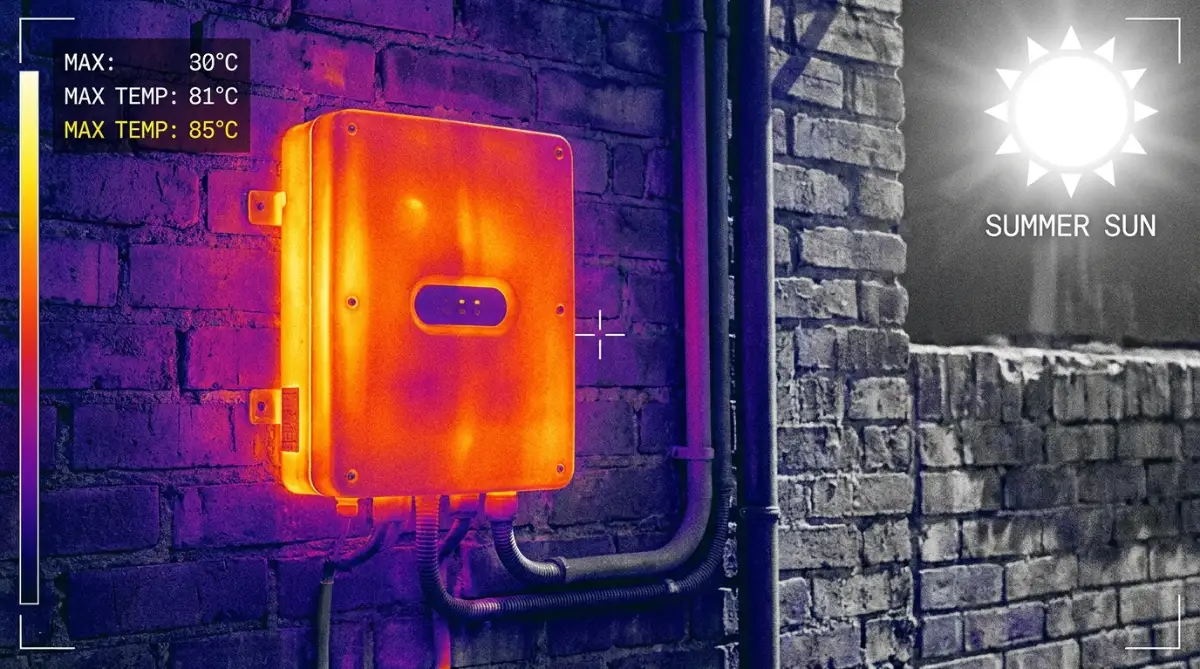
Similarly, installing the unit too close to the ground can expose it to dirt, lawnmowers, and heavy rain splashes. Even though modern units have weather-resistant enclosures, they are not designed to be submerged in water or battered by debris.
You should also avoid placing the unit inside tight, unventilated closets or directly against household insulation. The lack of air movement will trap the heat, creating a serious fire hazard for your household.
Ignoring Rapid Shutdown Requirements and Safety Standards
Electrical safety should always be your top priority when dealing with high-voltage residential energy systems. Many regions now require automatic rapid shutdown devices on all residential solar installations. These safety systems quickly reduce the voltage on your roof to a safe level during an emergency.
According to safety guidelines from the U.S. Department of Energy, these rapid shutdown features are essential for protecting emergency workers [2]. If firefighters need to climb onto your roof during a fire, they must be able to turn off the high-voltage lines instantly.
Ignoring these local building codes can lead to heavy fines and might even void your homeowner's insurance policy. Always make sure your installation team uses hardware that complies fully with local safety standards.
Neglecting Long-Term Household Financial Planning
Investing in clean energy is a smart step toward raising the overall value of your family property. However, many homeowners forget to integrate these valuable physical upgrades into their long-term estate planning. A high-value solar power system is a major asset that should be handled with care.
When you are planning for the future of your household and family, you should look at the big picture. Understanding what actually happens to your assets if you die without a legal will is a critical part of protecting your family's future.
Making sure your green energy investments are clearly listed in your estate plans ensures your family continues to benefit from lower electric bills for decades. It is a simple step that provides immense peace of mind.
Buying Cheap Knock-Off Brands Without Warranties
The market is flooded with cheap, unbranded solar products that promise high performance at a fraction of the cost. Buying these off-brand units is a dangerous gamble that rarely ends well for the homeowner. These cheap devices often use low-grade capacitors and lack proper electrical safety certifications.
When a cheap unit fails, you will quickly discover that there is no customer support team to help you. You will be left with a dead system and no way to claim a replacement under warranty. It is far better to invest in a well-known brand with a solid, long-term warranty and local support.
A good warranty should cover both the hardware replacement and the labor costs for the technician. This protection ensures you will not be hit with unexpected fees if a component fails prematurely.
Forgetting to Check Your Utility Agreement
Before your system can start sending power to your home, you must get permission to operate from your local utility company. Some eager homeowners turn on their systems before receiving this official sign-off. This mistake can lead to utility penalties and might even damage the local electrical grid.
Your utility company will need to install a special net meter that can track power flowing in both directions. If you run your system with a standard meter, it might actually charge you for the electricity you send back to the grid. Always wait for the official green light from your power provider before activating your system.
Your installer should handle most of this paperwork for you, but you should still review the final agreement. Make sure you understand the local net metering rates so you can estimate your monthly savings accurately.
Your Action Plan for a High-Efficiency Home
Step-by-Step Maintenance Routine
To get the absolute most out of your home energy conversion system, you should follow a simple, consistent maintenance plan. This daily and monthly checklist will keep your system running safely and efficiently.
First, take a quick look at your smartphone app every morning to verify that the system is producing power as the sun rises. Second, perform a physical walk-around of the outdoor unit once a month to make sure no new plants or tree branches are blocking the vents. Third, gently wipe down the outer casing with a dry cloth every season to prevent dust buildup on the cooling fins. Finally, have a certified solar technician inspect the physical wiring and connections every year to prevent electrical faults.
By taking these small steps, you can avoid unexpected system failures and keep your electric bills as low as possible. Your solar setup is a powerful tool for financial freedom, and a little care goes a very long way.
My personal journey with home solar taught me that understanding the technology is just as important as buying the panels. Once I started paying attention to my system settings and keeping the hardware clean, my monthly savings soared. I encourage you to take control of your home energy today and watch your monthly utility bills melt away.
Frequently Asked Questions About Solar Energy Conversion
What is the average lifespan of a modern residential solar inverter?
Most high-quality residential units last between ten and fifteen years. While your rooftop panels can easily last for twenty-five years, the hard-working electronics inside the conversion box experience more physical wear and tear over time. Planning for a replacement midway through your system's life is a smart financial strategy.
Does a solar inverter make noise during the day?
Most modern units operate very quietly, producing only a soft, low hum during peak sunlight hours. This sound is caused by the internal cooling fans and the electronic switching processes. If you hear loud grinding or clicking noises, it is a sign that your system needs immediate professional repair.
Can I install a solar inverter by myself to save money?
You should never attempt to install or modify high-voltage solar hardware on your own. Residential systems carry enough electrical current to cause severe injuries or electrical fires if handled incorrectly. Always hire a licensed, insured professional to handle the physical installation and wiring of your system.
How do I know if my solar inverter is working efficiently?
The easiest way to track efficiency is by using the companion mobile app provided by the manufacturer. You can compare the daily DC power output of your panels with the AC power delivered to your home. A well-functioning unit should maintain an efficiency rating of ninety-seven percent or higher.
Can a solar inverter work during a rainy day?
Yes, your solar system will still generate power on rainy or cloudy days, though at a reduced rate. The inverter will continue to convert whatever DC energy your panels collect into usable household power. The smart MPPT technology inside will adjust the settings to harvest as much energy as possible under grey skies.
General Information Disclaimer
The information provided in this article is for educational and general informational purposes only. It does not constitute professional engineering, financial, or legal advice. Electrical systems can be dangerous, and all installations, repairs, and modifications should be completed by licensed professionals in accordance with local building codes and manufacturer guidelines.


![5 Simple Steps to Winter-Proof Your Solar Panels [Save Money]](https://vimex24.com/storage/uploads/blogs/1785503524_5-simple-steps-to-winter-proof-your-solar-panels-save-money.webp)