
Why Getting Funding Feels Like Hitting a Brick Wall
Applying for a government-backed business loan often feels like reading a foreign language. While these loans offer some of the best interest rates on the market, the mountain of paperwork and strict criteria can easily turn your funding dreams into a nightmare. Let's demystify exactly what lenders look for so you can get approved without the endless stress
This is a painful reality for so many hardworking business owners today. You pour your heart, sweat, and savings into building something from the ground up. You know your business has incredible potential to grow and serve the community. Yet, when you reach out for government-backed financial support, you are met with endless red tape and confusing criteria.
This constant anxiety spills over into your personal life, making it hard to enjoy dinner with your family or get a decent night of sleep. It feels incredibly unfair that large corporations seem to get funding effortlessly while small, passionate entrepreneurs are left begging for crumbs. The fear of rejection hangs over your head every single day, making you question your own abilities as a leader. But you are not alone in this struggle, and this confusing system is not your fault.

### 💡 Business Funding: Key Checklist
- Personal Credit Counts: Lenders will scrutinize your personal financial history long before they approve your business loan application.
- Draw a Hard Line: Never mix personal and business banking accounts; mixed accounting leads to instant underwriting rejections.
- Clean Tax Returns: You must have entirely up-to-date tax filings and absolutely zero outstanding tax debt to qualify for government guarantees.
- Gather Real Documents: Build a clean paper trail with formal profit & loss statements instead of using disorganized, hand-written spreadsheets.
Breaking Down the Approval Puzzle for Your Business
To get past these frustrating barriers, we need to look closely at what government lenders actually want to see from you. They are not intentionally trying to ruin your dreams; they just have a very specific set of rules to minimize their own financial risks. When you understand how they think, you can easily position your application to check all their necessary boxes.
The first major piece of this puzzle is proving that you are a reliable borrower. Government-backed programs want to feel completely safe when they guarantee your funding. This means your personal and business financial history will be put under a microscope.
The Truth About Your Credit History
Many people mistakenly believe that only their business credit matters when applying for these specific programs. In reality, lenders will deeply examine your personal credit score before they even look at your business numbers. If your personal finances are messy, they will naturally assume you will manage the business funds poorly.
You need to aim for a solid personal credit score before submitting any formal applications. If your score is currently low, take a few months to pay down high-interest credit cards and clear up any old errors on your report. A clean personal credit history is the strongest foundation you can build for your upcoming application.
Lenders also want to see a clear separation between your personal life and your professional life.
I actually learned this lesson the hard way when I first started out. I used my personal credit card to buy a few expensive laptops for my office, thinking I would just pay it off later. When the bank reviewed my statements, that simple mistake made my accounting look like a complete disaster and almost cost me my approval! Always keep every single business expense strictly tied to your dedicated business accounts.
My 'Keep It Separate' Clean-Up Plan:
- Stop Personal Transfers: Never transfer money directly from your business checking account to pay your personal utility bills or mortgage.
- Pay Yourself a Flat Salary: Write a single, monthly business check to your personal account labeled 'Owner's Draw' or 'Salary'.
- Dedicate Cards: Use one business-only credit card and hide your personal credit cards in a drawer when shopping for office supplies."
Organizing Your Financial Health Records
Once your credit is in good shape, the next step is proving your business actually makes money. Government agencies require clear, undeniable proof that you have the cash flow to make regular monthly payments. They do not care about your future dreams; they care about hard numbers and current facts.
You will need to provide detailed profit and loss statements, balance sheets, and several months of bank statements. These documents act like a medical chart for your company, showing lenders exactly how healthy your daily operations are. If you have months where you lose money, be prepared to explain exactly why that happened.
Looking for a visual breakdown of how to organize these specific documents? Watch this amazing expert explanation that simplifies the whole process.
Having clean taxes is another massive requirement that trips up many eager applicants. You cannot have any outstanding tax debts or unfiled returns when asking for government-backed support. Make sure your accountant has filed everything perfectly, as lenders will directly verify your records with the tax authorities.
Crafting a Story They Actually Want to Read
Numbers tell one side of the story, but your formal business plan fills in the missing details. Lenders read hundreds of these plans every single week, so yours needs to stand out by being clear, logical, and highly realistic. Do not write fifty pages of boring fluff; instead, focus on exactly how their money will create more profit.
Your plan must explain your exact target market and how you plan to beat your local competitors. It should also include detailed financial projections showing exactly where every single dollar of the requested funding will go. If you say you need money for marketing, break down exactly which platforms you will use and what return you expect.
The Reality of Collateral and Guarantees
Even with government backing, banks usually want a secondary way to get their money back if things go wrong. This is where collateral comes into the picture, and it is something you must prepare for mentally. Collateral refers to physical assets you own that the bank can legally take if you stop making payments.
Here is a quick look at how different types of commitments compare when securing your funding:
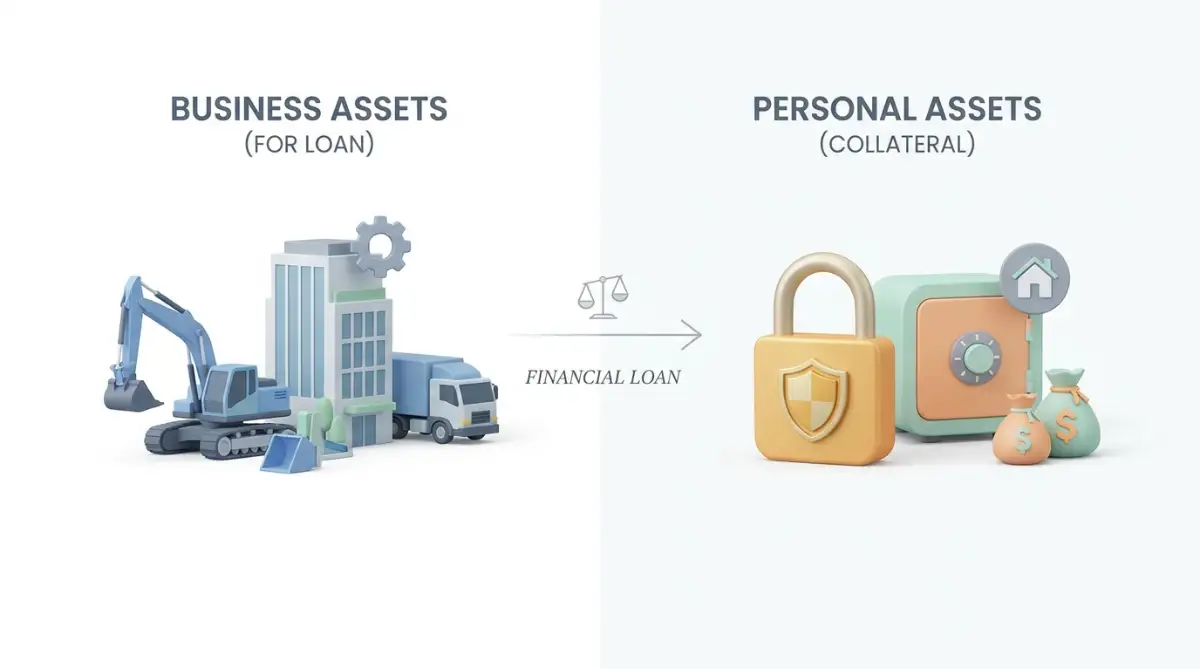
Most government-backed programs will require a personal guarantee from anyone who owns a large percentage of the company. This means you cannot just walk away if the business suddenly closes its doors. You must be completely confident in your ability to succeed before signing these heavy legal documents.
Understanding Industry Rules and Time in Business
Not every type of company is allowed to receive this special type of financial support. Government programs have strict lists of restricted industries that they absolutely will not fund under any circumstances. For example, businesses involved in gambling, lending, or speculative real estate are almost always automatically rejected.
You must research the specific rules for your exact industry before spending hours on an application. Even if you run a normal retail store, certain products you sell might trigger unexpected red flags. Always read the fine print regarding eligible business activities to save yourself a massive headache.
### ⚠️ Loan Exclusions: Businesses That Usually Get Denied
- Speculative Businesses: Wild investment schemes, day-trading firms, or raw land flipping.
- Lending Companies: Private finance companies, pawn shops, and check-cashing outlets.
- Passive Income Assets: Landlords renting out residential apartments without providing active services
The amount of time you have been operating also plays a huge role in your overall eligibility. Startups have a much harder time getting approved because they do not have a proven track record of success. Lenders love to see at least two full years of positive revenue before they feel comfortable handing over large amounts of cash.
If you are a brand new startup, you will need to rely heavily on your past industry experience. You must prove that even though the business is new, you personally have years of successful management history. Showing that you have successfully run similar operations in the past can sometimes replace the need for long business history.
The Myth vs Reality of Government Money
Many entrepreneurs fall into the trap of believing common rumors about how these financial programs actually work. Let us clear up some of the biggest misunderstandings right now.
Myth: The government gives you the money directly from their own accounts.
Reality: The government rarely gives you direct cash; instead, they simply promise a private bank that they will cover the loss if you fail to pay. You still have to deal with regular commercial banks to get the actual cash in your hands.
Myth: These programs are basically free money or grants that you do not have to pay back.
Reality: These are serious, legally binding loans with strict interest rates and monthly payment schedules. Missing payments will destroy your credit and put your entire livelihood in danger.
By understanding these realities, you can approach your local bank with total confidence and professionalism. When you walk in knowing exactly how the system works, the bank manager will immediately take you more seriously. You shift from being a confused applicant to a knowledgeable partner who is ready to do serious business.
Structuring Your Legal Entity
Another barrier that surprises many people is how their company is officially registered with the state. Government-backed programs want to see a formal legal structure, like an LLC or a Corporation. Operating as a simple sole proprietorship can sometimes make it harder to get approved for larger funding amounts.
Having a formal entity shows lenders that you treat your operation like a real, long-term establishment. It also provides a clear legal separation between you and the company, which makes the paperwork much cleaner. If you have not formally registered your company yet, this should be one of your very first steps.
You will also need to prove that you are legally allowed to operate in your specific city or town. Lenders will ask for copies of all your local business licenses and health department permits. If your paperwork is expired or missing, your application will be instantly paused until you fix the problem.
Navigating Ownership Requirements
The people who own the company matter just as much as the company itself. Most programs require the business to be primarily owned by citizens or legal permanent residents. If your ownership structure involves foreign investors, you might face extra layers of complicated paperwork.
Lenders need a detailed breakdown of everyone who owns a piece of the pie. Anyone owning a significant share usually has to provide their own personal financial statements and agree to a background check. If one of your business partners has a terrible credit history, it could drag down the entire application.
This means you must have completely honest conversations with your partners before starting this journey. You all need to be on the exact same page and willing to expose your personal finances to the bank. A united, transparent ownership team is highly attractive to any underwriter reviewing your file.
Preparing for the Waiting Game
Finally, you must adjust your expectations regarding how fast this entire process will move. Traditional bank financing might take a few weeks, but adding government requirements into the mix slows everything down significantly. You might have to wait several months from your first meeting to the day the money hits your account.
Patience is incredibly important during this stressful waiting period. The bank will likely come back to you multiple times asking for updated documents or extra explanations about your files. Do not get angry or frustrated; simply provide exactly what they ask for as quickly as humanly possible.
The faster you respond to their random requests, the faster your file moves to the top of the pile. Staying highly organized and keeping digital copies of every single document will save you endless hours of panic. You are playing a game of endurance, and the most prepared entrepreneur always wins in the end.
Next-Level Strategies to Guarantee Your Funding Success
Getting your initial documents organized is just the very first piece of the puzzle. To truly stand out, you need to think like a professional bank underwriter who reviews dozens of files every single day. They are actively looking for reasons to say no, so your job is to make saying yes the only logical choice. You want to build an application package that is so bulletproof, it practically forces the bank to approve it.
One of the biggest secrets in the lending world is building a real, human relationship with your local bank manager. People often forget that banks are run by regular humans who appreciate trust, honesty, and clear communication. Do not wait until you are desperate for cash to introduce yourself to the lending department.
I always tell new entrepreneurs to start visiting their local branch just to chat about their business goals long before they need a loan. Bring them a cup of coffee, ask for their general advice, and show them how you are actively methods to manage startup growth in your local market. When the time finally comes to submit your paperwork, you will not be a stranger; you will be a trusted community partner.
The 90-Day Financial Health Routine
You cannot just fix your numbers once and expect to stay in the safe zone forever. Maintaining your eligibility requires a constant, proactive approach to your daily cash flow and debt management. You should establish a strict routine where you deeply analyze your company numbers every ninety days.
Think of this routine like getting a regular checkup at the doctor to prevent a massive health scare later on. During this review, you should focus heavily on tracking performance metrics for your business to see exactly where your money is going. If you spot a small leak in your profits early, you can fix it before the bank ever notices a problem.
Leveraging Professional Mentorship Networks
You do not have to figure out this complicated financial maze entirely on your own. There are incredible free resources designed specifically to help everyday people prepare for these exact government programs. Reaching out to official mentorship organizations can completely change the way you approach your funding strategy.
For example, connecting with business mentors through official platforms like SCORE's free business counseling network gives you access to retired executives who know exactly how banks operate. These mentors can review your business plan, point out weak spots, and even run mock interviews with you. Getting feedback from someone who has been on the other side of the desk is an absolute game-changer.
When a lender sees that you are actively working with a recognized mentorship program, their confidence in you instantly increases. It shows that you are humble enough to ask for directions and smart enough to accept professional guidance. You immediately move from the "risky beginner" category into the "prepared professional" category in their minds.
Creating a Bulletproof Paper Trail
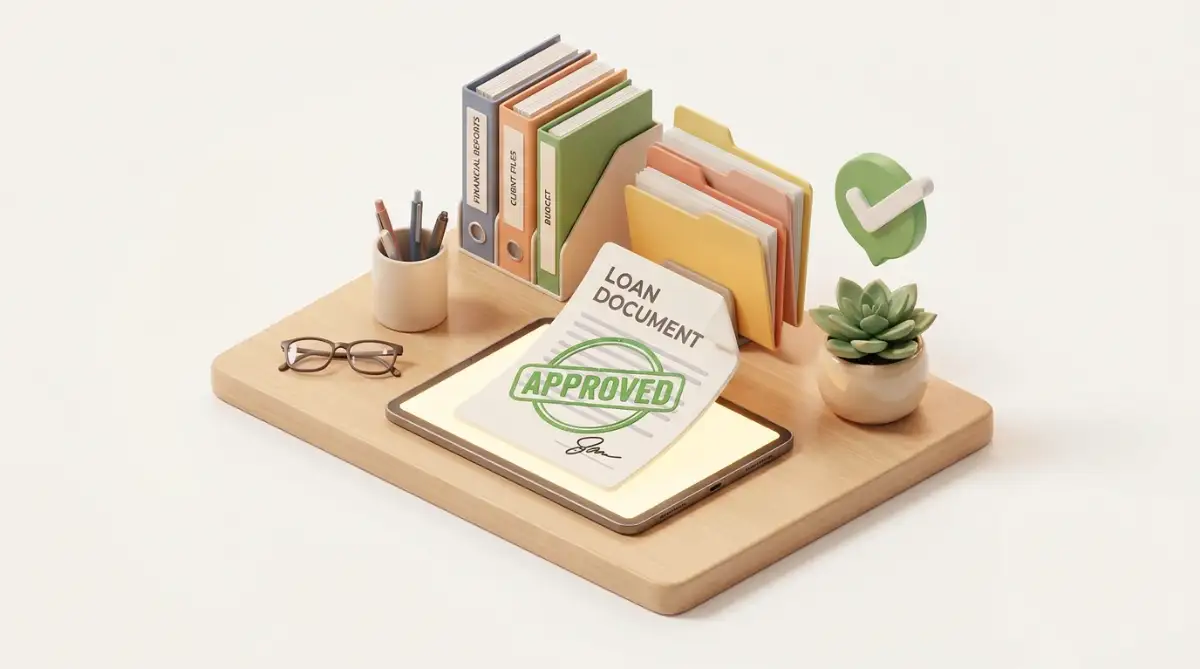
Lenders love a good story, but they love verified data even more. Every single claim you make in your application needs to be backed up by a solid, undeniable paper trail. If you say your sales are increasing, you must provide bank statements and customer contracts that prove it perfectly.
This means you need to adopt highly organized solid frameworks to organize your daily operations right now. Stop using messy spreadsheets and invest in professional accounting software that generates clean, easy-to-read reports instantly. When a bank asks for an updated profit statement, you should be able to email it to them within ten minutes.
You should also keep a dedicated folder with all your legal documents, licenses, and official tax transcripts. Official government guidelines often require strict documentation to verify your business size and structure. You can review the exact federal standards for business size requirements to make sure you fit perfectly into their target categories. Being highly organized shows the bank that you treat your company with the utmost respect.
The Hidden Pitfalls That Can Destroy Your Application
Even with the best intentions, many passionate business owners completely sabotage their own funding chances by making avoidable mistakes. The process of getting government-backed support is incredibly unforgiving when it comes to errors. A simple misunderstanding can result in a harsh rejection letter that leaves you financially stranded.
These mistakes do not just hurt your business; they cause immense emotional pain and sleepless nights for you and your family. When you are counting on that money to survive, a rejection feels like a personal failure. Let us walk through the most dangerous traps people fall into, so you can safely walk right around them.
The Over-Optimistic Projection Trap
Hope is a wonderful thing in life, but it is incredibly dangerous when creating financial projections for a bank. Many people submit business plans that show their profits doubling in just a few months without any logical explanation. They think showing massive future wealth will make the bank excited to give them money.
In reality, underwriters are trained to spot unrealistic numbers from a mile away. When they see a projection that looks too good to be true, they immediately assume you are either lying or completely naive. Both of those assumptions will land your file straight in the rejection pile.
Instead of guessing, use realistic, conservative estimates based on actual industry averages and past performance. If you are currently building your company presence on a tight budget, explain exactly how that slow, steady growth will lead to predictable returns. Banks would much rather fund a slow-growing, stable business than a wild gamble that promises the moon.
Mixing Your Personal and Business Worlds
This is easily the most common and destructive mistake I see new entrepreneurs make on a daily basis. You absolutely cannot use your business checking account as your personal ATM machine under any circumstances. Paying for your groceries, family dinners, or personal vacations with company money is a massive red flag.
When an underwriter sees these mixed transactions, they instantly label your accounting as highly suspicious and poorly managed. It makes it nearly impossible for them to determine how much money the business is actually making. They will assume you do not have the discipline required to handle a large injection of government-backed cash.
You must draw a hard, permanent line between your home life and your work life. Set up a regular, fixed salary for yourself, transfer it to your personal account, and pay your home bills from there. Official regulatory bodies, like the Federal Deposit Insurance Corporation (FDIC), always emphasize the importance of keeping insured business deposits completely separate from personal funds.
Hiding the Ugly Financial Truths
Nobody likes talking about their past financial mistakes, especially when asking for a large sum of money. Because of this fear, many applicants try to hide old unpaid debts, previous bankruptcies, or ongoing legal disputes. They hope the bank will simply overlook these details or fail to find them during the background check.
This is a terrible strategy because banks always find out everything. They have access to deep financial databases that track your history going back for decades. When they discover that you lied or hid information on your application, they will decline you immediately based on a lack of trust.
It is always better to be completely upfront about your past struggles during your very first meeting. Write a simple, honest letter explaining what went wrong in the past, what you learned, and how you fixed the problem. Taking responsibility for your past mistakes shows tremendous maturity and actually builds deep trust with your lending officer.
Applying Before You Are Truly Ready
Desperation is the worst possible driving force when dealing with financial institutions. When cash flow gets tight, business owners panic and rush to apply for every single program they can find online. They submit half-finished applications, missing documents, and messy tax returns just to get in the system quickly.
This scattered approach guarantees failure and leaves a permanent record of rejection on your business profile. Each time you apply and get denied, it becomes slightly harder to get approved the next time around. You are essentially teaching the local banking system that you are a high-risk client.
You must force yourself to slow down, take a deep breath, and gather every single requirement before clicking submit. It is far better to wait an extra month to clean up your credit than to rush in and get denied today. Patience, preparation, and precision are the only tools that will get you across the finish line safely.
Your Blueprint for Total Financial Confidence
Navigating this complicated system is definitely a challenge, but it is absolutely a challenge you can win. You now understand exactly how the system works, what the underwriters are secretly looking for, and how to avoid the deadly traps. You are no longer flying blind; you have a clear, actionable map to follow.
Start by pulling your personal credit report today and fixing any small errors that might be holding you back. Then, sit down with your accountant and make sure your profit statements are clean, accurate, and completely separate from your personal life. Finally, start visiting your local bank branches to shake hands and build real relationships before you ever ask for a dime.
You have worked entirely too hard on your business to let a pile of confusing paperwork stand in the way of your dreams. By taking control of your financial narrative and presenting yourself as a highly organized professional, you will command respect from any lender. Stay patient, stay highly organized, and keep pushing forward toward the growth you deserve.
I know exactly how scary it feels to put your dreams in the hands of a bank underwriter, because I have been in that exact same chair. But I also know the incredible relief and pride you will feel when that approval letter finally arrives. Keep your head up, trust your preparation, and take that first confident step toward securing your future today.
Questions People Often Ask About Funding Requirements
Do I need a perfect credit score to get approved?
You do not need an absolutely perfect score, but you do need a solid and respectable financial history. Most government-backed programs prefer a score above 650, along with a clean record free of recent bankruptcies or massive defaults. The higher your score, the easier the overall process becomes for everyone involved.
Can a brand new startup get this type of support?
Yes, new startups can apply, but the road is significantly harder without a history of revenue. You will need to heavily rely on your past industry experience and provide a remarkably detailed, realistic business plan. Bringing strong personal collateral to the table will also heavily increase your chances as a new founder.
How long does the entire application process usually take?
The timeline varies wildly depending on your bank and how organized your initial paperwork is. Generally, you should expect the entire process to take anywhere from 45 to 90 days from start to finish. Being able to respond quickly to bank requests is the best way to speed up your wait time.
What happens if I am missing a required business license?
If your legal documents or city permits are missing or expired, your application will be instantly paused. The bank cannot legally fund an operation that is not fully compliant with local state laws. Always audit your own legal paperwork before submitting your file to avoid these frustrating delays.
Disclaimer: The information provided in this article is for educational and informational purposes only and does not constitute official financial, legal, or tax advice. Every business situation is unique, and government lending rules frequently change. You should always consult with a certified financial advisor or legal professional before making major financial decisions or signing legally binding loan agreements.


![7 Hidden Ways Mandatory Forbearance Destroys Your Credit [Avoid These Mistakes]](https://vimex24.com/storage/uploads/blogs/1788962201_7-hidden-ways-mandatory-forbearance-destroys-your-credit-avoid-these-mistakes.webp)