Surviving The Financial Shock: My Journey Through Medical Bills
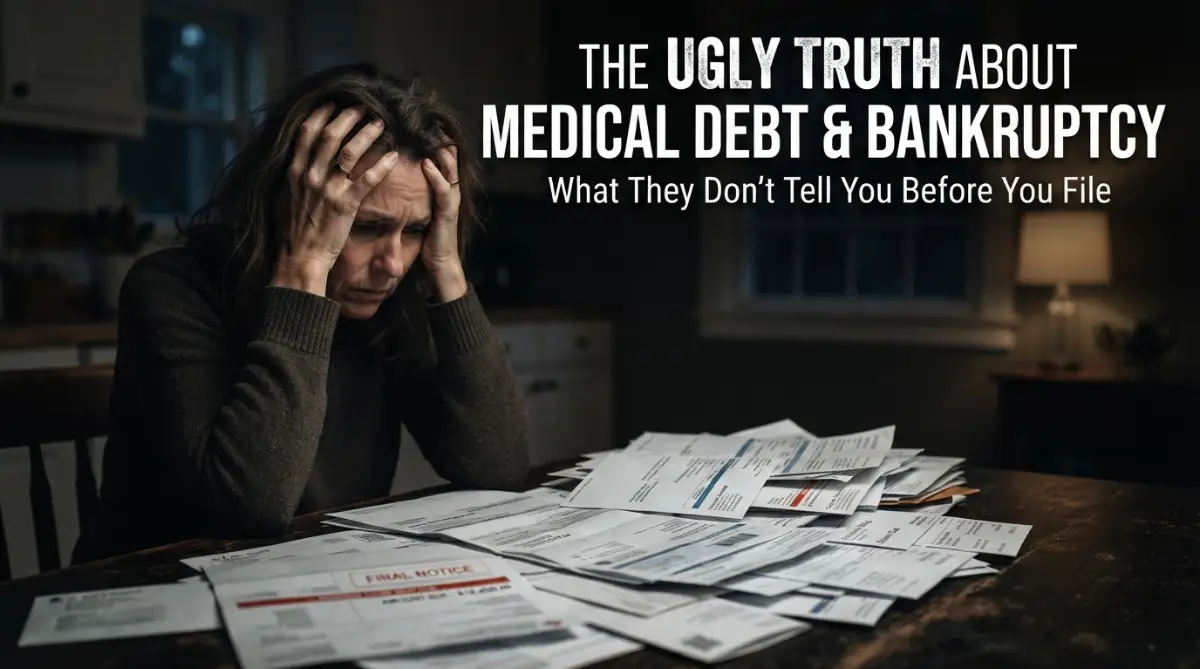
Medical debt doesn't just drain your bank account; it takes over your entire life. One minute you are just trying to get healthy, and the next, you are buried under a mountain of confusing hospital bills. If you are dodging calls from unknown numbers or afraid to check the mail today, I totally get it. But hospitals have hidden rules and forgiveness programs they don't openly advertise. Let's look at exactly how everyday people are beating this system, auditing their own bills, and forcing billing departments to drop those massive charges.
It felt like standing at the bottom of a massive mountain with no climbing gear, completely exposed to the elements. I spent hours crying quietly in that cold hospital bed, absolutely terrified of facing bankruptcy. That terrifying moment became my rock bottom, and it forced me to figure out how emergency medical relief systems actually work in the real world.
Every single day, ordinary people wake up to this exact same nightmare. You live a normal life, working hard to provide for your family, and then a sudden medical emergency turns your entire financial world upside down. The physical pain of the illness is often overshadowed by the suffocating stress of impending debt.
It slowly eats away at your mental peace, making you dread opening your mailbox or answering calls from unknown numbers. People find themselves skipping meals, ignoring their basic needs, and making dangerous compromises just to save a few dollars for hospital bills.
The weight of this financial burden damages relationships, ruins sleep schedules, and steals the joy out of everyday life. You feel entirely alone in a system that seems designed to confuse and overwhelm you. But you do not have to let medical debt destroy your future.
Inside This Guide (Your Action Plan):
- How to force hospitals to reveal their hidden 'Charity Care' and debt forgiveness policies.
- The exact documents you need to prove your financial hardship without confusing the reviewers.
- Why you must demand an itemized bill with CPT codes before you pay a single dime.
- The biggest traps to avoid—like putting your medical debt on a high-interest personal credit card.
The Preparation Blueprint: Securing Medical Relief Without The Overwhelm
Navigating the complex world of financial assistance can feel like trying to read a map in a foreign language. But once you break the process down into manageable, logical pieces, the confusion starts to fade away. Preparing for a relief fund application requires strategy, organization, and a clear understanding of what committee reviewers actually want to see.
To tackle this successfully, you need to approach your application like a lawyer building a highly organized case. You are gathering hard evidence to prove your financial hardship beyond any shadow of a doubt. Let us break down the exact actions you need to take right now to set yourself up for approval.
1. Breaking Down The Common Myths vs. Reality
Before you even touch a piece of paperwork, we need to clear up some major misconceptions that stop people from getting help. Many applicants self-reject before they even try because they believe false information about how financial aid works.
Myth: You have to be completely unemployed or totally broke to qualify for medical relief.
Reality: Most programs operate on a sliding scale based on your income compared to your local cost of living. Even middle-class families often qualify if their medical expenses exceed a certain percentage of their annual income.
Myth: Hospitals will automatically offer you financial assistance if you cannot pay.
Reality: You almost always have to proactively ask for help, fill out specific forms, and push the billing department to give you the right applications. They rarely hand out relief funds without a formal request.
Quick Script: How to Ask for Help
Most people fail because they say the wrong things to billing agents.
- Instead of whining: "I can't afford this big bill."
- Say this exactly: "I need to apply for your hospital's Charity Care program. Please email me your financial assistance matrix and the official application form today."
- Hospitals are legally required to give you these forms, but you have to use their specific vocabulary to get them to act.
2. Gathering Your Iron-Clad Financial Evidence
The biggest reason applications get delayed or denied is missing documentation. Relief fund committees deal with thousands of requests, so they do not have the time to chase you down for a missing bank statement. You need to make their job as easy as possible by providing a flawless packet of information.
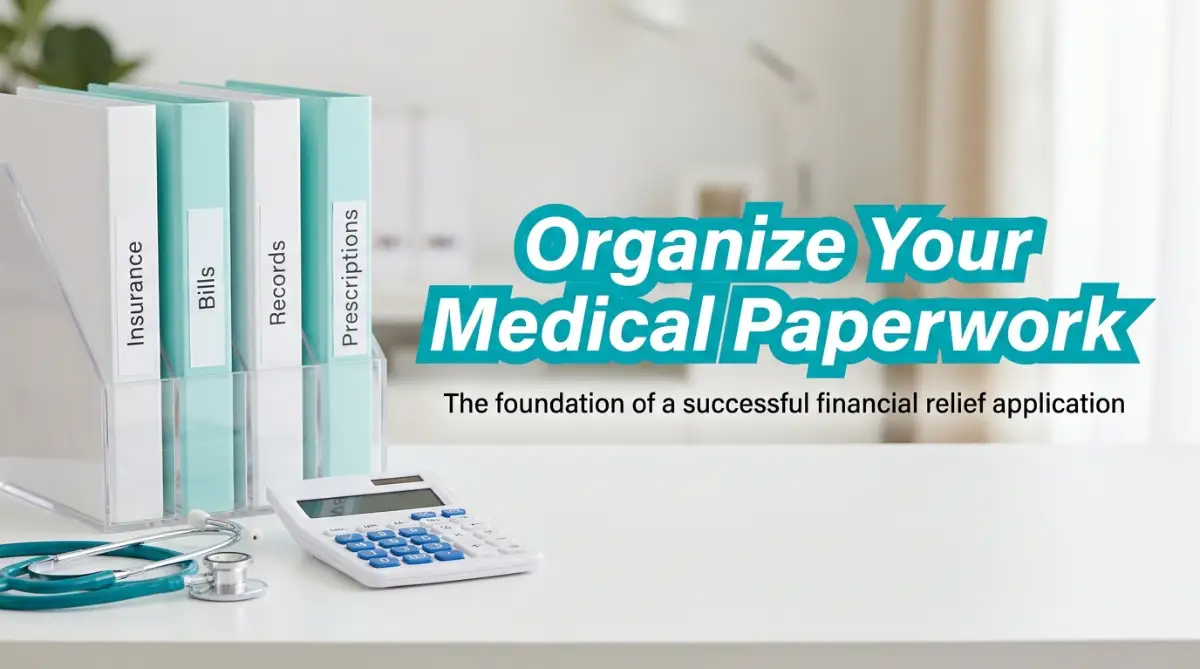
Start by creating a dedicated physical folder and a secure digital folder on your computer. You will need to gather your most recent tax returns, usually from the last two years, to establish your baseline financial history.
Pro Tip: When I first applied for assistance, I made the terrible mistake of sending my only original copies of my pay stubs in the mail. The hospital lost them, and it delayed my approval by almost three months! Always, always send clear, legible copies and keep the original documents safe in your own home.
Next, collect your last three to six months of bank statements for every single account in your name. Do not hide any checking or savings accounts, because reviewers use advanced software to verify your financial footprint. Transparency is your best friend during this process.
3. Documenting the Complete Medical Scenario
Financial reviewers need to understand exactly what happened to you medically to justify the funds. You need to gather all the bills, diagnosis codes, and explanation of benefits (EOB) letters from your insurance provider.
If your insurance denied a specific treatment or coverage, you absolutely must include that denial letter. A formal denial from an insurance company actually strengthens your case for emergency relief. It proves to the committee that you have exhausted your primary options and genuinely need their intervention.
Ask your doctor to write a brief, official letter explaining your diagnosis and how it impacts your ability to work. This medical summary adds a powerful layer of human truth to the raw numbers on your hospital bills.
The "Must-Have" Document Checklist for Reviewers
To make your case bulletproof, here is exactly what you need in your folder:
- The Bill: Toss the summary. You need the UB-04 form or an Itemized Bill with CPT codes.
- The Income Proof: Don't just send a random paystub. Send your last W-2 tax form plus a letter if your income recently dropped due to your illness.
- The Denial: Get the official Explanation of Benefits (EOB) from your insurance showing the exact reason code for why they refused to pay.
How to structure your paperwork for maximum impact:
Always include a clear cover letter or a simple table of contents at the front of your application packet. When a tired reviewer opens your file and sees a neatly organized index, they instantly subconsciously view you as a reliable and serious applicant.
4. Navigating The Pre-Approval Financial Assessment
Every hospital and charity organization has its own unique financial assessment matrix. They are trying to determine your discretionary income, which is the money you have left over after paying for basic survival needs.
You need to clearly document your unavoidable monthly living expenses. This includes your rent or mortgage, basic utilities, essential groceries, and any necessary transportation costs to get to work.
Comparison Table: Good vs. Bad Expense Reporting
By providing exact numbers backed up by physical proof, you eliminate the guesswork for the reviewer. You are showing them the cold, hard reality of your financial limits.

Watch This Expert Breakdown on Managing Hospital Bills
If you are feeling lost on how to actually speak to a hospital billing department without getting intimidated, this short video is a total game-changer. It explains exactly what to say to force them to listen to your financial hardship case.
5. Writing a Compelling Hardship Letter
Your hardship letter is the emotional core of your entire application. This is your one opportunity to speak directly to the committee and explain the human being behind the massive pile of medical debt.
Do not write a huge, rambling novel about your entire life story. Keep the letter to a single, focused page that hits hard and fast. Start by clearly stating your name, your patient account number, and the exact reason you are writing the letter.
Explain the specific event that led to your financial crisis in simple, honest words. Did you lose your job because of the illness? Did your partner have to stop working to become your full-time caregiver?
Use strong, descriptive language but avoid sounding overly dramatic or aggressive. You want to sound like a responsible person who has simply been hit by an unavoidable disaster. Close the letter by respectfully asking for their help and thanking them for taking the time to review your case.
6. Building a Communication Log
When you apply for an emergency medical relief fund, you will likely speak to multiple different representatives over several weeks. It is incredibly easy to forget who said what, which can lead to missed deadlines.
Buy a simple notebook and dedicate it entirely to your medical debt journey. Every single time you call a hospital, a charity, or an insurance company, write down the date, the time, and the name of the person you spoke to.
Write down exactly what they promised to do and what they asked you to do in return. If a billing agent tells you they are freezing your account for 30 days while your application is reviewed, you need that written down. If they accidentally send your bill to collections a week later, your detailed log will be your best defense to get the situation reversed.
7. Exploring Multiple Funding Channels Simultaneously
One of the biggest mistakes you can make is putting all your hope into a single relief fund. Charity funds regularly run out of money toward the end of the year, and hospital policies can change overnight.
You need to cast a wide net by applying to several different programs at the exact same time. Look into condition-specific charities that help people with your exact diagnosis, such as cancer foundations or heart disease support groups.
Check with your local county or state health departments to see if they offer public assistance programs for underinsured residents. Many local religious organizations and community centers also maintain emergency funds for people facing unexpected medical debt.
By running multiple applications at once, you drastically increase your chances of getting the financial help you need before your bills are sent to a collection agency. Keep your organized master folder updated so you can quickly print and mail a new application packet whenever you find a new program.
Taking control of this process requires patience, but every single document you gather brings you one step closer to clearing your debt and getting your life back.
8. Mastering The Follow-Up Strategy
Submitting your application is only the first half of the battle. The second half is the follow-up, and this is where most people completely drop the ball. Relief organizations are often severely understaffed and overwhelmed with thousands of desperate pleas for help.
If you just mail your packet and wait silently, your file might sit on a desk for weeks gathering dust. You need to become a polite but highly persistent advocate for your own financial survival.
Mark your calendar for exactly seven days after you submit your application, either online or through the mail. On that seventh day, pick up the phone and call the financial assistance department to confirm they received your documents.
What to say when you call:
Always start the conversation with kindness. Say something like, "Hi there, I know you are incredibly busy, but I just want to make sure my application arrived safely so I do not miss any of your deadlines." This approach makes the representative want to help you, rather than feeling attacked.
If they tell you the application is in review, ask them politely for an estimated timeline. Write that date down in your communication log. If that date passes and you still have not heard anything, call them again. Consistency shows them that you are taking the process seriously and that you are not going away.
9. Preparing for a Potential Appeal
Sometimes, despite your absolute best efforts, your initial application might get denied. It is completely normal to feel a crushing sense of defeat if you open a rejection letter. But you must understand that a denial is very rarely the final answer.
Many relief funds automatically deny first-time applications if a single piece of paper is missing or if a number does not perfectly align with their matrix. You have the absolute right to appeal their decision, and you should always take advantage of it.
Read the denial letter extremely carefully to understand exactly why they rejected you. Did they think your income was too high? If so, you might need to provide better proof of your out-of-pocket living expenses.
Did they claim a specific document was missing? Simply gather that document, write a polite appeal letter explaining the misunderstanding, and submit the entire packet again. Many people win their financial freedom on the second or third try simply because they refused to give up.
By treating the appeal process as a normal part of the journey, you remove the emotional sting of a rejection. You are simply providing more evidence to help them understand your reality. Keep pushing forward, keep your paperwork highly organized, and keep advocating for your right to recover without the burden of crushing debt.
Insider Strategies For Negotiating Hospital Bills Like A Pro
Once you have your basic paperwork organized, it is time to look at the secret mechanics of hospital billing. Most people assume that a hospital bill is a final, legal document that cannot be changed. This is one of the biggest myths in the entire healthcare industry.
Hospitals are basically massive corporations, and their billing departments make mistakes every single day. You should never agree to pay a massive medical debt without fully investigating the charges first. Financial relief committees actually respect applicants who have taken the time to audit their own bills.
One of my favorite advanced strategies is the simple act of demanding a detailed breakdown of your charges. This is often the magic key that unlocks thousands of dollars in savings before you even submit your formal relief application.
The Magic of the Itemized Statement
When you get a bill in the mail, it usually just shows a massive total amount due. It might say something incredibly vague like "Laboratory Fees" or "Emergency Room Services" next to a shocking number. You should absolutely refuse to accept this basic summary.
Instead, you need to call the billing department and confidently ask for an "itemized statement with CPT codes". CPT codes are the specific medical billing numbers that describe every single thing that happened to you in the hospital.
As soon as you request this detailed document, something interesting happens behind the scenes. The hospital’s computer system often triggers a manual review of your account by a real human being. They know that you are paying attention, and they often quietly remove duplicate charges before they even mail the detailed list to you.

Spotting the Hidden Overcharges
Once that detailed list arrives, you need to sit down with a highlighter and look for things that do not make sense. Did they charge you for medications you never actually took? Did they double-charge you for a simple blood test?
I have seen real-life cases where patients were charged hundred of dollars for a basic box of tissues. These "upcoding" errors happen constantly because the billing software simply relies on whatever the busy nurses clicked on a screen.
By finding these errors and disputing them, you instantly lower your total balance. This makes your overall emergency relief application much easier for the committee to approve. They are much more likely to forgive a $3,000 corrected bill than an inflated $8,000 bill.
If your medical emergency was the result of a car accident, the financial puzzle gets even more complicated. You might be dealing with auto insurance claims on top of health insurance denials. In these specific cases, understanding exactly 7 hidden ways uninsured motorist coverage saves you step by step can completely change your financial reality.
Leveraging Federal and State "Charity Care" Laws
Many non-profit hospitals are legally required to offer free or discounted care to keep their tax-exempt status. This system is commonly known as Charity Care. You can find detailed guides on your rights by visiting consumer-focused resources from the National Consumer Law Center.
The problem is that hospitals often hide their Charity Care applications deep inside their websites. They will not volunteer this information unless you specifically use the words "Charity Care policy".
You need to ask the billing manager directly for a printed copy of their financial assistance matrix. This matrix is a simple chart that shows exactly what income levels qualify for 100% forgiveness or 50% discounts. Once you have this chart, you can tailor your application to highlight exactly why you fit into their specific approval boxes.
Building a Long-Term Debt Prevention Strategy
Getting approved for an emergency medical relief fund is an incredible feeling of victory. However, you also need to build a defensive wall around your finances so you never end up in this situation again.
Start by keeping a close eye on your future healthcare choices. Always verify that a doctor or facility is "in-network" before you agree to any scheduled procedures. Out-of-network surprise bills are the leading cause of sudden medical bankruptcy.
You also need to look at your overall household budget and identify where your money is actually going. Sometimes, heavy medical debt is just one piece of a much larger financial struggle. If you are also dealing with massive education debt, learning about 7 hidden secrets to navigating student loan forgiveness requirements step by step can free up extra cash for your healthcare needs.
You should also review your family protection plans, especially if you are the main breadwinner. An unexpected illness can quickly derail your long-term goals. Making sure you understand the 7 hidden truths about outliving your term policy avoid financial shock is a smart way to protect your loved ones from future financial disasters.
By combining an aggressive bill negotiation strategy with a solid long-term financial defense plan, you can protect your peace of mind. You shift from being a helpless victim of the healthcare system to an empowered, informed consumer.
The Hidden Traps That Can Destroy Your Application
When you are drowning in unexpected hospital bills, panic often drives your decision-making. This fear makes smart, rational people do things that actually hurt their chances of getting financial help.
I want to walk you through the absolute worst things you can do when facing massive medical debt. Avoiding these specific traps will keep your relief fund application safe and protect your overall credit score.
The Danger of the "Silent Treatment"
The absolute worst reaction to a massive hospital bill is simply throwing it in the trash and ignoring it. I completely understand the urge to hide from the problem when you feel overwhelmed.
However, ignoring the hospital does not make the debt disappear. After about 90 to 120 days of silence, the hospital’s computer system will automatically flag your account as "delinquent". They will sell your account to a third-party debt collection agency for pennies on the dollar.
Once your account leaves the hospital and goes to collections, qualifying for the hospital's internal relief fund becomes almost impossible. You completely lose your direct line of communication with the people who actually have the power to forgive the debt. Always answer the phone and always open the mail, even if you just tell them you are currently trying to apply for assistance.
The Immediate Credit Card Trap
Another major mistake happens when people use their personal credit cards to quickly pay off a hospital bill just to stop the phone calls. This is a massive financial trap that ruins thousands of families every year.
Medical debt is usually interest-free while it stays at the hospital. But the moment you put that medical bill on a Visa or Mastercard, it transforms into high-interest consumer debt.
You go from owing a flexible hospital to owing a ruthless bank that demands monthly payments with 25% interest rates. Understanding the 7 hidden costs of revolving credit lines destroying your wealth avoid these mistakes is absolutely essential before you swipe your card for a medical emergency. Once the debt is paid with a credit card, you can never go back and ask the hospital for financial forgiveness.
Accepting the Very First Payment Plan Offer
When you call the hospital to say you cannot pay, the representative will almost always offer you a standard payment plan. They might say, "We can split this $10,000 bill into monthly payments of $400 for you."
A lot of desperate patients say yes to this immediately because they think it is their only option. But agreeing to a payment plan you cannot actually afford is a terrible idea. If you miss a single payment on that new plan, they will immediately send you to collections anyway.
Before you ever agree to a payment plan, you must exhaust every single avenue for total bill forgiveness or severe discount programs. You can read up on fair debt collection rules on the official Consumer Financial Protection Bureau website to understand your rights regarding payment negotiations.
If you do eventually set up a payment plan, it needs to be an amount that fits perfectly into your reality. Do not let a hospital billing agent bully you into a number that forces you to choose between paying for medicine or buying groceries for your family.
Draining Your Retirement Savings Early
When facing a scary financial crisis, many people look at their retirement accounts as an easy way out. They think cashing out their 401(k) or IRA is the responsible thing to do to clear their medical name.
This is an incredibly dangerous move that ruins your future financial stability. Not only do you lose the compound interest of your investments, but you will also get hit with massive IRS penalty taxes for withdrawing the money early.
Medical debt is considered unsecured debt, which means they cannot easily take your house or your protected retirement accounts just because you owe the hospital. You should never destroy your future retirement just to pay an inflated emergency room bill today. Keep your long-term investments safe and focus entirely on the relief fund application process.
Your Next Steps Toward Total Financial Freedom
We have covered a massive amount of information, and I know your head might be spinning right now. But if you look closely at everything we discussed, you will see a clear, manageable path forward.
You do not need to be a financial expert or a lawyer to get your medical bills forgiven. You just need to be organized, perfectly honest about your situation, and incredibly persistent.
By treating the application process like a serious job, you completely flip the power dynamic. You are no longer just a random patient account number trapped in a computer system. You become a real human being with a highly documented, undeniable case for financial mercy.
Remember to audit those medical bills carefully, demand your itemized statements, and never ignore the letters coming in the mail. Look into every local charity, state program, and hospital fund available to you.
Do not let anyone rush you into putting thousands of dollars on a high-interest credit card. Take your time, build your evidence folder, and force the system to evaluate your real hardship.
I know exactly how suffocating this debt can feel because I have walked through that exact same darkness. My biggest piece of advice is to simply take a deep breath, grab a pen, and start organizing your papers today.
Common Questions About Hospital Bill Forgiveness
Do medical relief funds cover previous hospital bills?
Yes, many hospital charity programs can actually be applied to older bills that are already in their system. However, there is usually a time limit, often between 240 days to a year after the first billing statement. You should apply as soon as possible to make sure you do not miss their specific look-back window.
Can my application be rejected if I have a full-time job?
Having a job does not automatically disqualify you from getting medical financial assistance. Relief funds look at your income compared to your total medical debt and your unavoidable living expenses. If your hospital bills are massively out of proportion to your middle-class salary, you can still easily qualify for a significant discount.
Does applying for hospital financial aid hurt my credit score?
Simply applying for a medical relief fund has absolutely zero impact on your personal credit score. Hospitals do not run a hard credit check to see if you qualify for their internal charity programs. Your credit score is only at risk if you ignore the bills entirely and allow the hospital to send your account to a collection agency.
How long does the emergency relief approval process take?
The timeline really depends on the specific hospital or charity organization you are dealing with. Some smaller programs might approve your application in just a few days, while massive hospital networks can easily take four to six weeks to review your file. This is exactly why you need to keep a detailed communication log and call them regularly for updates.
What happens if my medical debt is already in collections?
If your debt has already been sold to a collection agency, it becomes much harder to use the hospital's internal relief fund. However, you can still negotiate directly with the collection agency to settle the debt for a much smaller, lump-sum payment. You should also check if the hospital violated any billing laws, which might force them to pull the debt back from collections.
Disclaimer: The information provided in this article is for educational and informational purposes only and does not constitute official financial, legal, or medical advice. Medical billing rules and relief fund policies vary wildly by location and institution. Always consult with a certified financial counselor, a patient advocate, or a legal professional before making major decisions regarding debt settlement or medical bankruptcy.