
My Electric Bill Shock: The Unseen Cost of "Energy-Efficient" Appliances
I still remember the day I opened my monthly power bill and gasped at the final number. I had just spent a small fortune upgrading my entire kitchen to shiny, new energy-saving appliances. Yet, my bill was actually higher than it was the previous month.
I sat at my wooden kitchen table, feeling completely defeated and tricked by those bright yellow stickers. It felt like a punch in the stomach after making such a big investment. My mind kept racing, trying to understand what went wrong with my brand-new setup.
Many of us face this exact same quiet frustration every single month. We buy expensive products because we want to protect our hard-earned money and the environment. We trust the labels, hoping they will bring some relief to our monthly expenses.
But instead, we find ourselves watching the utility meter spin insanely fast while we cook dinner. This constant worry ruins the simple joy of managing a home and preparing meals for our families. You start second-guessing every time you run the dishwasher or open the refrigerator door.
The kitchen, which should be the heart of the home, quickly becomes a source of daily stress. We feel completely helpless against a system that promises savings but delivers high bills. The problem is that standard tests used to rate these machines do not match how we actually live.
Lab tests are done in empty, temperature-controlled rooms with perfectly spaced items. In reality, our kitchens are warm, busy, and packed with items of different temperatures. This massive gap between testing and real-life usage is where our money disappears.
The Hidden Truth Behind Energy Star Ratings (And What They Don't Tell You)
Most people look at the big bold number on the yellow sticker and think that is the end of the story. However, that number is only an estimate based on very specific, perfect laboratory conditions. To truly understand your home power usage, we must look at the hidden metrics that govern our machines.
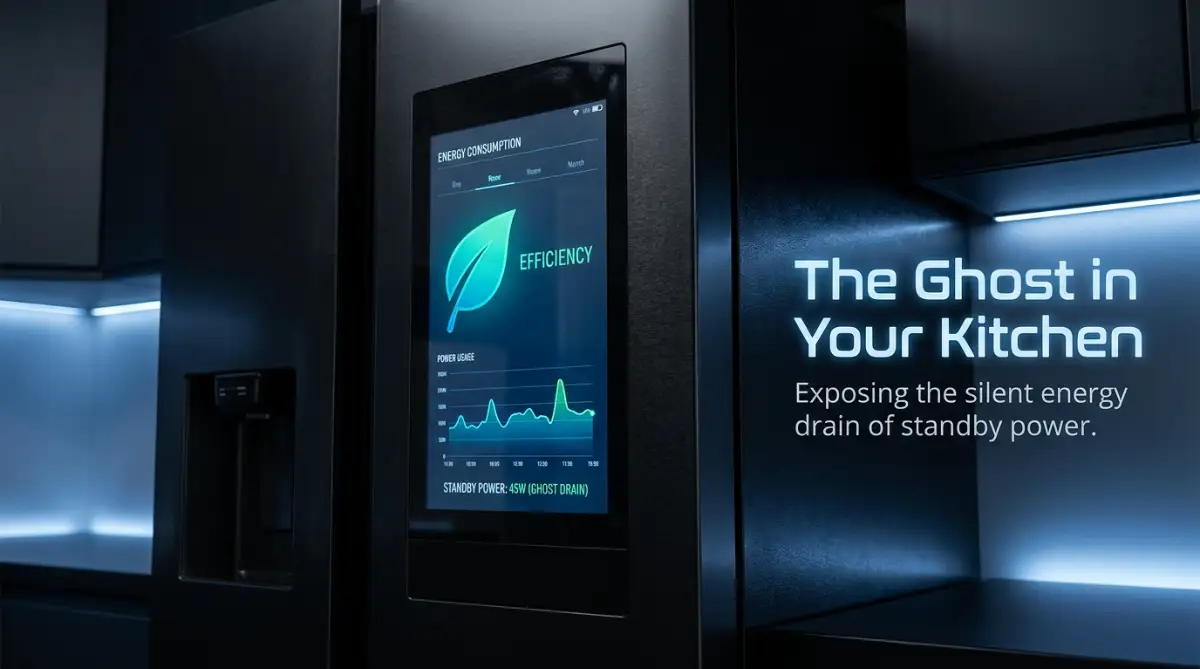
The Ghost in Your Kitchen: Demystifying Standby Power
Your appliances are never truly asleep, even when you are not using them. Modern kitchens are packed with smart chips, digital clocks, and Wi-Fi receivers that run continuously. This constant electrical draw is known as standby power, or vampire load.
While a few watts might seem tiny, they add up twenty-four hours a day, seven days a week. Over a full year, this silent drain can account for a shocking portion of your electricity bill.
This table shows that even when you think an appliance is off, it is still quietly eating away at your budget.
Duty Cycles: Why Your Refrigerator Never Seems to Rest
Unlike an oven, your refrigerator must run constantly to keep your food safe. The compressor turns on and off throughout the day in cycles to maintain a steady cold temperature. This cycle is deeply affected by how you use and fill the fridge.
Every time you open the door, cold air escapes and warm, humid air rushes in. The compressor has to work twice as hard to cool things down again. If your fridge is completely empty, it actually loses cold air faster when opened.
On the other hand, overstuffing the shelves blocks the vents and stops cold air from moving freely. This forces the motor to run non-stop, driving your energy use through the roof. Finding the perfect balance is key to keeping your compressor cycles short and efficient.
How Real-World Habits Break Laboratory Ratings
Manufacturers test their machines using brand-new seals, perfect ventilation, and moderate room temperatures. In your home, however, dust builds up on the coils, and seals slowly wear out over time. A tiny tear in a door seal can cause your fridge to run almost continuously.
If you want to see exactly how these appliances draw power in real-time, this visual breakdown is eye-opening. Watch the video below to understand how tiny daily habits spike your home electricity usage instantly.
https://youtu.be/C8dGIm5xOm4?si=WeJka1_UQi3O4Xf8
This discrepancy explains why two homes with the same appliances can have completely different power bills. Your daily habits and maintenance routines play a much bigger role than the brand of your machine.
The Water Temperature Trap in Modern Dishwashers
Many people believe that the motor spinning the water arms uses the most electricity in a dishwasher. In truth, heating the water to sanitizing temperatures uses about eighty percent of the total power. If your dishwasher has to heat cold water from scratch, it will drain a massive amount of energy.
Most modern machines have internal heaters to boost the water temperature to high levels. If you run your kitchen tap until it is hot before starting the cycle, you can save your dishwasher from doing this heavy lifting.
Pro Tip: I used to leave my dishwasher on the heated dry setting every single night. After testing my home power draw, I discovered this single button was adding nearly thirty percent to my energy use. Now, I simply pop the door open after the final rinse and let my dishes air-dry naturally.
Eco Mode Decoded: Why Longer Cycles Actually Save Energy
It sounds completely wrong that a three-hour wash cycle uses less energy than a quick one-hour cycle. Yet, this is one of the most interesting design choices in modern engineering. Longer cycles use less water and much lower temperatures over a longer period.
The machine takes its time to let the soap break down grease instead of relying on super-hot water. Quick cycles have to blast hot water and run high-speed pumps to clean dishes fast. Choosing the longer, slower eco cycle is almost always better for your wallet.
Standby Vampire Loads: The Tech Tax on Modern Smart Ovens
Smart ovens with color screens and voice controls are very popular today. However, these features require a constant internet connection to function. This means your oven is constantly communicating with servers in the background.
This smart tech tax quietly adds up on your bill every single month. If you rarely use the smart features, you are paying extra money for features that serve no real purpose. Sometimes, simpler machines are actually the smartest choice for saving energy.
The Loading Factor: How Airflow Impacts Refrigeration Efficiency
To keep food fresh, cold air must flow smoothly around every single item. If you block the internal fan with a large box, the temperature will become uneven. The thermostat will read a warm spot and force the cooling system to keep running.
Keeping your fridge about three-quarters full is the sweet spot for maximum efficiency. This leaves enough room for airflow while keeping enough cold items inside to hold the temperature. Think of your food as a cold battery that helps keep the appliance cool.
Understanding Inverter Technology in Modern Kitchens
Traditional kitchen compressors only have two states: completely on or completely off. When they turn on, they draw a huge spike of current to get started. Modern machines now use smart inverter technology to solve this issue.
An inverter motor can run at very low, steady speeds instead of shutting off completely. This eliminates those costly power spikes and keeps temperatures much more stable. When shopping, looking for inverter technology is one of the best ways to ensure real-world savings.
Practical Action Steps: How to Audit Your Own Kitchen Today
You do not need expensive tools to find the hidden energy hogs in your home. Start by checking the rubber seals on your refrigerator and freezer doors. You can close the door on a dollar bill and try to pull it out.
If the paper slides out easily, your cold air is escaping, and you need to replace the seals. Next, pull your fridge away from the wall and vacuum the dust off the metal coils. Cleaning these coils once a year can improve efficiency by up to twenty percent.
Finally, consider using a simple plug-in power meter to test your smaller appliances. This small device will show you exactly how much standby power your microwave or coffee maker uses. Knowing these numbers gives you the power to make smart changes and finally lower your monthly bills.
Mastering Kitchen Efficiency: Expert Secrets for Long-Term Savings
To truly lower your utility bills, you must look beyond standard daily habits. Many homeowners do not realize that the physical setup of their kitchen impacts how hard their appliances work. By making a few smart adjustments to your kitchen layout, you can easily save a lot of money.
The Strategic Placement of Cool and Hot Zones
One of the biggest mistakes in kitchen design is placing the refrigerator directly next to the oven or a sunny window. When your oven heats up, it warms the exterior of your refrigerator. This forces the fridge's compressor to run much longer to keep your food cool inside.
If you are planning to remodel, always try to keep your cooling and heating appliances separate. While touring potential homes to buy, you should always check the layout of these major kitchen systems. It is also wise to check the property for other hidden issues, like how to spot house-wrecking structural flaws at an open house, before making a final offer.
If you cannot move your appliances, you can place a thin sheet of thermal insulation between them. This simple barrier blocks the heat from your stove from reaching your refrigerator. It is a cheap fix that can instantly reduce your kitchen's daily electricity load.
Optimizing Your Water Temperature Baselines
Your dishwasher is designed to heat water internally, but it works much better when starting with warm water. Most home water heaters are set to temperatures that are far too high. This wastes energy heating water in your pipes that you never actually use.
According to energy studies from the US Department of Energy, setting your home water heater to a safe temperature saves money. A setting of one hundred and twenty degrees Fahrenheit is perfect for daily home use. This simple change reduces standby heat loss from your water tank by a large margin.
Additionally, this setting ensures that your dishwasher does not have to spend hours heating cold water. This reduces the runtime of your wash cycles and saves a lot of wear on your machine. You will see the benefits in both your lower utility bills and a longer-lasting dishwasher.
Harnessing the Power of Thermal Mass
An empty refrigerator is a major energy drain because air does not hold cold temperatures very well. Every time you open the door, the cold air falls out and is replaced by warm room air. To fix this, you can use the power of thermal mass to lock in the cold.
You can fill any empty spaces in your fridge or freezer with plastic jugs of water. These solid blocks of cold water act like ice packs to keep the temperature steady. When you open the door, these cold jugs prevent the warm air from rapidly raising the interior temperature.
This simple trick keeps your compressor quiet and prevents it from starting up constantly. It is an incredibly easy way to optimize your machine without spending a single penny. Your fridge will work much less, and your food will stay fresher during power outages.
Using Smart Plugs for Dumb Appliances
Many older kitchen appliances are incredibly durable, but they lack modern smart settings. You can make these older machines efficient by plugging them into smart plugs with automatic timers. This allows you to completely shut off power to your coffee makers or toaster ovens overnight.
This simple fix completely stops standby power draw from draining your wallet while you sleep. You can program the smart plug to turn back on just ten minutes before you wake up. According to standby power research from the Lawrence Berkeley National Laboratory, eliminating these tiny leaks makes a big difference.
Using smart plugs is a cheap way to upgrade your kitchen without buying expensive new models. It gives you complete control over your home's daily electrical draw. You will enjoy the benefits of modern technology without the high upfront cost of new appliances.
The Hidden Benefit of Appliance Ventilation
Just like humans, your kitchen appliances need room to breathe to function well. Refrigerators release heat from their rear coils as they cool the food inside. If your fridge is pushed too tightly against the wall, this hot air gets trapped.
This trapped heat warms the appliance up, forcing the motor to work much harder. You should always leave at least two inches of space around the top, sides, and back of your fridge. This small gap allows the warm air to rise and escape into the room naturally.
This simple physical adjustment can reduce your refrigerator's daily energy draw by a noticeable amount. It also prevents the motor from overheating, which is the main cause of early appliance failure. Giving your machines some breathing room is the easiest way to protect your investment.
Enhancing Your Home Value with Smart Upgrades
When you invest in optimizing your kitchen's energy footprint, you are also building home equity. Buyers today look closely at the quality and efficiency of a home's major appliances. If your kitchen runs efficiently, it can make your property stand out during a sale.
If you are planning to sell your property, these upgrades can help you get a much better price. You can read my detailed guide on navigating your first home appraisal and handling a low valuation to learn how to highlight these features. A certified appraiser will appreciate seeing well-maintained, efficient kitchen systems.
Taking care of your appliances pays off in the short term through lower monthly utility bills. It also pays off in the long term by raising your home's overall market value. It is a smart financial strategy that benefits you now and in the future.

The Costly Blunders That Quietly Bleed Your Wallet
Many homeowners make simple mistakes that completely ruin the efficiency of their expensive kitchen machines. These errors are usually made with good intentions but lead to massive bills over time. Knowing what to avoid is just as important as knowing what steps to take.
Setting the Freezer to Arctic Levels
Many people turn their freezer dial down to the coldest setting, thinking it keeps food safer. In reality, setting your freezer below zero degrees Fahrenheit does not extend the life of your food. However, it does cause your compressor to run almost non-stop to maintain that extreme cold.
This extra cooling effort uses a massive amount of electricity for no real benefit. According to official ENERGY STAR guidelines, zero degrees is the perfect temperature for home freezers. Keeping your freezer at this level keeps your food safe while keeping your bills low.
Adjusting this setting is an easy way to give your compressor a much-needed break. It stops your machine from burning out early and saves you from costly repair bills. Always use an inexpensive appliance thermometer to verify the actual temperature inside.
Trusting the Yellow Sticker Blindly
Another common mistake is assuming that a yellow energy label guarantees cheap bills. These labels are created using standard tests that do not match the habits of a busy family. If you open your fridge fifty times a day, your actual usage will be much higher.
Relying solely on marketing claims can lead to a false sense of security about your habits. You might leave the door open longer or run half-empty loads because you trust the label. Real savings only happen when you combine efficient machines with smart daily habits.
Your behavior is always the most important factor in determining your home's actual energy draw. Even the most efficient dishwasher will waste money if you run it on the wrong settings. Always focus on how you use your machines rather than just what the label says.
Running Half-Empty Loads
It is very tempting to run the dishwasher after dinner even if it is only half full. However, your dishwasher uses the same amount of water and electricity regardless of how many plates are inside. Running partial loads means you will have to run the machine twice as often.
This bad habit quickly doubles your water and electricity costs over the course of a single month. It also causes your machine to wear out twice as fast as it normally should. Always wait until you have a full load before starting a wash cycle.
If you must wash a few items, it is often better to wash them quickly by hand. This simple habit keeps your dishwasher usage low and saves a lot of resources. Your machine will last much longer, and your monthly bills will thank you.
Ignoring the Silent Door Seal Leaks
The rubber seals around your refrigerator doors are the only thing keeping the cold air inside. Over time, these seals collect grease, dirt, and food spills that make them lose their grip. When this happens, heavy cold air slowly spills out onto your kitchen floor.
This silent leak forces your refrigerator to run constantly to keep up with the loss. Many people assume their fridge is dying when the real problem is just a dirty, worn-out rubber strip. You can clean these seals with warm water and soap to restore their suction.
If the seals are torn or cracked, you can easily replace them yourself for a very low cost. Taking a few minutes to inspect these seals can save you from buying a brand-new appliance. It is one of the most cost-effective maintenance tasks you can do in your home.
Leaving Smart Features Enabled on Simple Machines
Many modern kitchen appliances now come with built-in Wi-Fi, touchscreens, and voice control systems. While these features look amazing in the store, they require a constant connection to function. This means your appliance is constantly drawing power, even when you are not using it.
These complex systems can also experience sudden performance bottlenecks just like computer servers. To understand this concept, you can read about resolving sudden performance bottlenecks in large-scale database management systems to see how digital systems get overloaded. Keeping these smart features turned on when you do not use them is a waste of money.
Many of these smart appliances use complex programming and language models to communicate with us. For those interested in how technology learns to interact, my breakdown on how do machines understand us language models explained offers a simple look behind the curtain. If you do not use these smart features, you should disable them in the settings menu to save energy.
Your Action Plan for a Greener, Cheaper Kitchen
Managing your kitchen's energy footprint does not have to be difficult or expensive. By focusing on small, smart changes, you can enjoy a highly efficient home that costs very little to run. The secrets to saving money lie in understanding your machines and maintaining them well over time.
The Three-Step Kitchen Energy Reset
To start saving money today, you can follow this simple three-step action plan in your own home. First, check your refrigerator and freezer temperatures to make sure they are set correctly. Second, clean your refrigerator coils and check the door seals for any cold air leaks.
Finally, turn off any smart features or heated drying settings on your dishwasher and oven. These simple adjustments take less than an hour but will lower your next power bill. You will feel a sense of control over your home expenses and reduce your environmental impact.
By taking action today, you are protecting your hard-earned money from rising utility costs. You do not need to buy expensive new gear to see a real difference in your home. Consistency and simple care are all it takes to keep your kitchen running smoothly.
A Personal Word on Your Energy Journey
I spent years overpaying on my electric bills because I did not understand how my kitchen worked. Once I started paying attention to these hidden metrics, my home life completely transformed for the better. I hope these simple tips help you take control of your utility bills and find peace of mind.
Answering Your Kitchen Energy Questions
How do I know if my refrigerator is using too much electricity?
You can use a simple plug-in energy monitor to measure the exact electricity draw of your fridge over twenty-four hours. If the number is much higher than the yellow energy label estimate, your coils might be dirty or your door seals could be leaking.
Is it cheaper to wash dishes by hand or use a dishwasher?
Using a modern dishwasher on the eco setting is actually much cheaper than washing dishes by hand. Dishwashers use less water and heat it more efficiently than a running kitchen tap.
Does cleaning my refrigerator coils really save money on my bills?
Yes, cleaning the dust off your coils once a year can improve your refrigerator's efficiency by up to twenty percent. This small maintenance task keeps the motor cool and prevents early compressor failure.
Should I unplug my microwave when I am not using it?
If your microwave has a bright digital clock, it is constantly drawing standby power throughout the day. Unplugging it or using a smart plug with a timer can stop this silent energy drain.
Disclaimer
This article is for informational purposes only. Individual energy savings may vary based on your local utility rates, appliance models, and personal home habits. Always consult your appliance's official user manual before performing any complex maintenance or changing internal settings.
![5 Hidden Ergo Chair Features You Need to Stop Back Pain [Avoid These Mistakes]](https://vimex24.com/storage/uploads/blogs/1785640800_5-hidden-ergo-chair-features-you-need-to-stop-back-pain-avoid-these-mistakes.webp)