The Shocking Day I Realized My Coverage Was Practically Useless
Did you know you are probably throwing away hundreds of dollars right now without even realizing it? You pay your health and home premiums every month, thinking you are totally safe. Then a medical bill or a roof leak happens, and suddenly your provider says, "Sorry, that is not covered anymore." Today, we are going to fix these hidden money leaks and protect your savings before a bad surprise drains your bank account.
I quickly called my provider, completely convinced there was a simple administrative mistake. The polite voice on the other end calmly explained that my specific network had changed a long time ago. My favorite doctor was no longer covered under my current tier, and my out-of-pocket maximum had secretly doubled. I felt completely betrayed, embarrassed, and frankly, terrified about how I was going to pay for this unexpected disaster.
That painful moment was a massive wake-up call for me. I realized I had been treating my financial safety nets like a "set it and forget it" slow cooker recipe. I just assumed that because I bought a plan years ago, it would magically stretch and adapt to perfectly fit my current life. I was so incredibly wrong, and that simple assumption almost drained my entire emergency savings account in one single afternoon.
It is heartbreaking to see hardworking folks lose sleep, drain their retirement funds, or borrow money simply because their old contracts had hidden gaps. You might think you are fully protected right now, but life changes constantly. If your safety nets do not change right along with your life, you are walking on thin ice financially.

Before You Read On, Here Is What You Need To Know:
- Old contracts do not auto-update to match your current life changes.
- Raising your deductible can instantly free up cash in your monthly budget.
- Staying with the same company for years usually means you pay a hidden "loyalty tax."
- Always review the individual prices before accepting a bundled package.
The Smart Blueprint for Bulletproofing Your Assets Today
If you want to sleep soundly at night knowing your family is completely safe from sudden money disasters, you need a clear action plan. Fixing this problem does not require a fancy finance degree or hours of boring math. It simply requires a little bit of organized attention and a willingness to ask the right questions about your current setup.
Think of this process exactly like taking your car in for a regular oil change or a tune-up. You would never drive your car for hundreds of thousands of miles without checking the brakes, right? Your financial protection plans need that exact same level of routine maintenance to keep running smoothly when you hit a bump in the road.
Gathering the Right Documents Without Losing Your Mind
The very first thing you need to do is gather all of your current contracts in one single, easy-to-reach place. This might sound painfully simple, but you would be amazed at how many people have no idea where their actual policy documents are located. Start by logging into your online portals and downloading the most recent summary of benefits for your home, auto, health, and life plans.
Create a specific digital folder on your computer or a physical binder just for these important papers. Organization is your absolute best friend when it comes to finding hidden money leaks. When everything is placed side-by-side, it becomes much easier to compare what you are paying versus what you are actually getting in return.

You also need to pull up your latest bank statements to see exactly how much cash is leaving your account for these premiums every single month. Seeing the total annual cost written down on a piece of paper can be highly motivating. It instantly pushes you to find better deals or cut out overlapping coverage that you simply do not need anymore.
I remember when I finally sat down to organize my own paperwork, I found out I was still paying for a separate roadside assistance service while my auto plan already included it for free! It was just a small monthly fee, but over time, I had wasted hundreds of dollars on absolutely nothing. My biggest realization was that avoiding my paperwork was actually costing me real money every single day.
Spotting the Dangerous Coverage Gaps Before Disaster Strikes
Once you have all your documents neatly lined up, it is time to put on your detective hat and look for the missing puzzle pieces. A coverage gap happens when your current life situation has completely outgrown the rules written in your old contract. This is the exact spot where unexpected financial ruin usually sneaks into a family's life.
Start by looking at the specific limits on your property plans. Have you bought expensive jewelry, upgraded your electronics, or done any major home renovations recently? If your current payout limit is lower than the actual cost to replace all your new stuff, you have a massive, dangerous gap.
Next, you must carefully review the beneficiaries listed on your life and retirement plans. This is easily one of the most neglected areas in personal finance. If you have gotten married, had a child, or gone through a divorce, your old documents might still list an ex-spouse or a deceased relative as the person who gets your money.
Watch This Quick Explainer Video to Understand Beneficiary Mistakes:
Make sure you never leave your family's future in the hands of outdated paperwork. This short video breaks down exactly how to update your forms in less than five minutes so your wealth goes exactly where you want it to go!
Adjusting Your Deductibles to Free Up Extra Cash
A deductible is simply the amount of money you have to pay out of your own pocket before your plan steps in to cover the rest of the bill. Many people blindly accept whatever number the agent suggests when they first buy the contract. However, manipulating this single number can completely change your monthly budget.
If you have built up a strong, healthy emergency fund in your bank account, you might be holding onto a deductable that is far too low. Low deductibles always mean you are paying extremely high monthly premiums. By simply asking your provider to raise that out-of-pocket limit, you can instantly slash your monthly bill and keep more cash in your wallet.
On the flip side, if your savings account is currently completely empty, a high deductible is incredibly dangerous. If a sudden emergency happens, you will not have the cash to trigger your benefits, rendering the entire plan completely useless. You must always make sure your chosen out-of-pocket limit perfectly matches the actual cash you have sitting in the bank today.
Quick Q&A: Should I really raise my deductible?
Yes, but only if you have the cash saved up.
The Math: Raising your auto deductible from $500 to $1,000 might drop your yearly bill by $150. If you do not get into an accident for 4 years, you just saved $600. Just keep that $1,000 sitting safely in a savings account just in case!
Myth vs Reality: Why Smart People Make Silly Money Mistakes
There is a massive amount of bad advice floating around the internet when it comes to managing personal risk. Many highly intelligent people fall for basic myths that eventually cost them a small fortune. Let's break down a few of these common misunderstandings so you can avoid them entirely.
Myth: "I am fully covered because I bought the most expensive plan they offered."
Reality: Price does not automatically equal proper protection. An expensive plan might cover things you do not even need, while totally ignoring the specific unique risks in your personal life. Customization is always much better than simply throwing money at a premium package.
Myth: "My employer handles all my health and life benefits, so I do not need to check them."
Reality: Employer plans change their rules, limits, and networks constantly behind closed doors. Plus, if you leave that specific job, you might instantly lose all of your safety nets. You always need to know exactly what your company is providing and where you might need to buy your own private backup plan.
Visualizing the Difference: A Quick Comparison
Sometimes seeing the facts laid out side-by-side is the best way to understand the real danger. Let's look at a very simple comparison between someone who actively checks their documents and someone who completely ignores them.
Taking Advantage of Major Life Events
You do not need to read your contracts every single weekend. That would drive anyone absolutely crazy! Instead, you should tie your review sessions to major life events that naturally change your financial picture.
Whenever you buy a new car, move to a new city, or bring a new baby into the world, your money situation instantly shifts. These happy moments are the perfect natural triggers to sit down for a quick thirty-minute review of your paperwork. If your life changes, your safety net must change right along with it.
Even if your life stays relatively quiet and perfectly normal, inflation is constantly working in the background to make things more expensive. The cost of medical care, building materials, and auto parts goes up pretty consistently. A payout limit that seemed incredibly generous five years ago might not even cover half of a repair bill today.
How to Talk to Your Agent Without Getting Upsold
Many people actively avoid reviewing their contracts because they are terrified of talking to aggressive salespeople. They worry that simply asking a question will lead to high-pressure tactics and a much higher monthly bill. But you hold all the power in this conversation, and you can control the entire flow.
When you call your representative, simply state that you are doing an annual financial checkup and you only want to review your current limits. Be very clear and polite, but strictly firm. Tell them you are currently looking for ways to maximize your discounts and remove any outdated coverage that no longer applies to your life.
If the agent tries to push a shiny new product that you do not fully understand, simply ask them to send the details in an email so you can read it later. You never have to make a split-second financial decision over the phone. A good, trustworthy advisor will always respect your boundaries and happily help you optimize your current setup without being pushy.
The Hidden Danger of Overlapping Protection
One of the most surprising things you might discover during your review is that you are actually double-paying for the exact same thing. This is called overlapping coverage, and it is a massive waste of your hard-earned money.
For example, your premium credit card might already offer excellent rental car damage protection for free. Yet, every time you travel, you might be buying the expensive daily insurance at the rental counter purely out of habit or fear. That is money you could easily be saving for a fun family vacation or investing in your future.
Similarly, your personal health plan might already cover injuries sustained in a car crash. If your auto policy also includes a massive, expensive medical payments section, you might be throwing cash out the window. By finding and eliminating these silly overlaps, you instantly make your monthly budget much healthier.
Protecting Your Digital Assets and Modern Wealth
We live in a highly digital era, yet most of our traditional contracts completely ignore the modern risks we face online. Identity theft and cyber fraud can destroy a family's savings just as quickly as a physical fire or a bad car crash.
During your review, check to see if your current home or renter's plan includes any built-in identity theft restoration services. Many modern providers now offer this as a completely free perk, or for a very tiny add-on fee. Having a dedicated professional help you freeze your credit and restore your good name after a hack is incredibly valuable.
If you own a small side hustle or a home-based business, your standard personal plans will almost certainly reject any claims related to your work. A broken work laptop or a customer tripping on your porch while picking up an order requires completely separate commercial protection. Do not let a fun side business turn into a terrifying legal nightmare because you assumed your standard home policy would cover it.
Building a Long-Term Habit of Financial Awareness
At the end of the day, managing your personal risk is not a one-time chore to simply cross off a list. It is an ongoing, healthy habit that builds immense confidence and generational stability. By simply being aware of what you are paying for and what it actually does, you instantly become a much smarter consumer.
You work incredibly hard to earn your paycheck, buy nice things, and provide a safe life for your family. Do not let simple laziness or a fear of boring paperwork put all of that hard work at risk. Take an hour this weekend, grab a cup of coffee, and start looking through those digital folders.
You might find out you are perfectly protected and can just smile and relax. Or, you might find a glaring hole that you can easily fix before a storm rolls in. Either way, the knowledge and control you gain from this simple exercise is absolutely priceless.
Next-Level Strategies to Outsmart Expensive Providers
Once you have your basic paperwork organized, you are ready to play the game on a much higher level. Most people simply accept whatever price tag the company sends them in the mail every twelve months. But if you know how the system actually works behind the scenes, you can negotiate much better terms for your family.
One of the absolute best secrets in the financial world is creating a simple digital home inventory. If your house burns down or gets robbed, the provider will demand a massive list of everything you lost before they write a check. Trying to remember every single pair of shoes, kitchen appliance, and electronic device from memory is basically impossible during a stressful emergency.
To completely skip this headache, take out your smartphone this weekend and slowly record a video tour of your entire home. Open all your closets, pull open your tool drawers, and specifically zoom in on the brand names and model numbers of your expensive electronics. Store this specific video in a secure cloud drive, so you have bulletproof proof of exactly what you owned.
Another brilliant trick is specifically asking your agent about adding an inflation guard endorsement to your property plan. Because the cost of lumber, copper pipes, and labor goes up every single month, your old payout limit will not cover a full rebuild today. This special endorsement automatically adjusts your coverage limit based on current local construction costs, keeping you perfectly safe.
The Magic of Strategic Bundling and Consolidating
If you are paying three different companies for your home, auto, and life protection, you are almost certainly throwing cash away. Providers heavily reward loyal customers who bring all of their business under one single roof. Consolidating your plans is one of the fastest ways to instantly drop your monthly payments without sacrificing a single drop of protection.
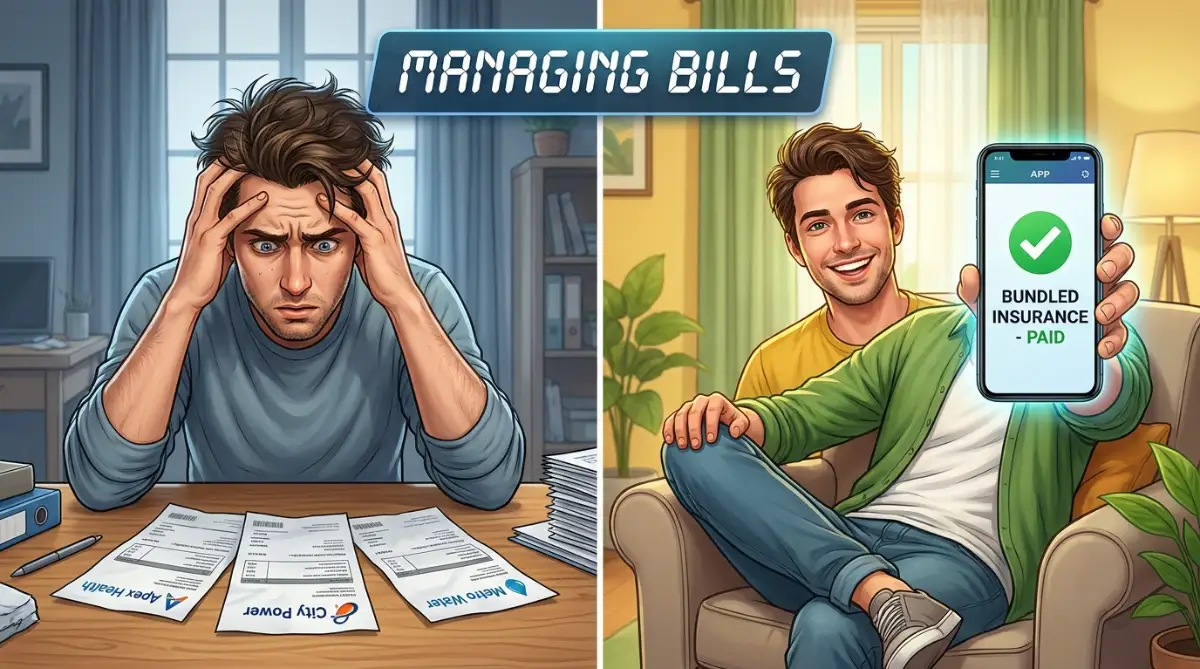
However, you must be incredibly smart about how you actually bundle these services together. Do not just accept the very first bundle price they offer you over the phone. Always demand to see the exact price breakdown for each individual item before and after the discount is applied.
Sometimes, a company will offer a massive discount on your auto plan, but secretly overcharge you for the property side of the bundle. You can learn more about protecting your rights and understanding industry standards by checking out consumer guides from the National Association of Insurance Commissioners. Being an educated shopper is your absolute best defense against getting ripped off.
Protecting Your Growing Wealth with an Umbrella
As you get older, pay off your debts, and save more money, you naturally become a much bigger target for nasty lawsuits. A standard personal liability limit might only cover a small portion of a massive legal judgment if someone gets hurt on your property. This is exactly where a personal umbrella plan steps in to save the day.
An umbrella policy acts exactly like a giant financial shield that sits directly on top of all your other plans. If you are in a terrible car crash and your standard auto limits run out, the umbrella kicks in to pay the remaining thousands of dollars. Best of all, because these extreme disasters are quite rare, this massive extra protection is usually shockingly cheap to buy.
This type of heavy-duty protection is especially important if you have a swimming pool, own a large dog, or have young drivers in your house. In fact, if you are adding a teen driver to your policy without going broke, an umbrella plan is basically mandatory. It prevents one silly teenage driving mistake from wiping out your entire retirement account.

The Most Dangerous Pitfalls That Will Drain Your Savings
Fixing your safety nets is an incredibly empowering feeling, but the path is unfortunately filled with hidden traps. Some of the smartest people I know have made terrible mistakes simply because they were trying to save a few pennies. Understanding these common traps will help you sidestep total financial disaster.
The single biggest mistake anyone can make is falling blindly for the "Loyalty Tax" trap. Many of us assume that if we stay with the exact same company for a decade, they will naturally reward us with the lowest possible price. Unfortunately, the exact opposite is usually true in the corporate financial world.
Companies know that you are busy and that changing providers feels like a massive headache. So, they quietly raise your rates by a tiny percentage every single time your contract renews. Before you know it, you are paying hundreds of dollars more than a brand-new customer would pay for the exact same protection.
The Sneaky Loyalty Tax Breakdown (A Real Example):
- Year 1: New customer rate = $1,200/year.
- Year 3: Small quiet hikes = $1,350/year.
- Year 5: Full loyalty tax impact = $1,550/year.
- Switching Providers in Year 5: Back to $1,150/year.
- Stop letting companies charge you extra just because you hate making phone calls.
To beat the loyalty tax, you must develop a habit of actively shopping around your rates every two to three years. You do not always have to switch providers, but you absolutely need to know what the current market rates are. Simply threatening to leave for a cheaper competitor is often enough to make your current provider magically find a brand-new discount for you.
Hiding the Truth Always Backfires
Another incredibly common trap is hiding major life updates from your agent just to keep your premiums artificially low. Let's say you started using your personal car to deliver groceries on the weekends for extra cash. If you do not tell your agent about this new side hustle, you are technically breaking the rules of your personal auto contract.
If you get into a major accident while delivering those groceries, the investigator will eventually find out what you were doing. When they do, they have the absolute legal right to completely deny your entire claim and cancel your contract on the spot. You will be left entirely alone to pay for the destroyed cars and massive medical bills.
The same strict rule applies to remodeling your kitchen or finishing your basement without updating your property limits. You might save ten dollars a month by hiding the expensive new upgrades, but you will lose tens of thousands if a fire happens. Honesty is always the cheapest policy when it comes to managing massive financial risks.
Misunderstanding the Term Life Gap
Many young families buy a basic life plan when they have their first child, which is a fantastic first step. They usually pick a term limit of fifteen or twenty years, assuming their kids will be fully grown and financially independent by then. But life rarely goes exactly according to our neat and tidy plans.
Sometimes, we have more children later in life, or we take out a massive new mortgage to buy a forever home. If you do not regularly review these timelines, you might face a terrifying situation where your coverage simply expires while you still have massive debts. You can read more about how outliving your term policy causes a financial shock if you do not plan ahead properly.
Always review the expiration dates on your documents at least five years before they actually run out. This gives you plenty of time to shop for a new plan or convert your existing protection while you are still relatively young and healthy. Waiting until the very last minute usually guarantees you will face astronomical health-based premiums.
Relying Too Heavily on Basic Minimums
State laws usually require you to carry a very small, basic amount of auto liability coverage just to drive legally. Millions of drivers buy this bare minimum limit because it represents the absolute cheapest monthly bill. But this strategy is basically financial suicide if you ever cause a serious multi-car accident.
Medical bills and car replacement costs have skyrocketed recently, making those state minimums practically useless. If you cause fifty thousand dollars in damage but your limit is only twenty thousand, the victim can legally sue you for the remaining thirty thousand. They can come directly after your savings account, your future wages, and even your house.
You must also protect yourself from other drivers who break the law and carry no protection at all. This is exactly why you need to understand how uninsured motorist coverage saving your finances works in the real world. A tiny increase in your monthly premium provides a massive brick wall of defense against reckless strangers on the highway.
Forgetting About Natural Disaster Exclusions
Most standard homeowner contracts are incredibly tricky when it comes to extreme weather events. People often assume that because they pay for "home protection," they are safe from absolutely everything nature throws at them. This massive misunderstanding destroys entire communities when a major storm finally hits.
Standard policies almost never cover damage caused by rising floodwaters or massive earth movements. If you live anywhere near a coastline, a river, or a major fault line, you need entirely separate, specific documents for those exact events. The Federal Emergency Management Agency (FEMA) clearly states that relying on disaster relief loans is much worse than having your own private flood protection.
Do not wait until a massive hurricane is shown on the local news to start asking your agent about flood coverage. Most natural disaster add-ons have a strict thirty-day waiting period before they even become active. By the time the dark clouds roll into your neighborhood, it is already way too late to buy the protection you desperately need.
Your Personal Blueprint for Bulletproof Peace of Mind
Taking full control of your personal risk management is one of the most rewarding things you can do for your family. It might feel a little bit boring or overwhelming at first, but the mental relief you get is absolutely worth the effort. You no longer have to cross your fingers and just hope things work out when life gets tough.
Start small by picking just one single category to review this weekend, like your auto plan or your life beneficiaries. Read through the fine print, highlight the parts you do not understand, and make a quick list of questions for your provider. Taking tiny, consistent steps is the absolute best way to build a lifelong habit of smart money management.
Remember to treat this process just like a routine health checkup for your bank account. You would never let a strange pain in your knee go unchecked for ten years, right? In that same way, do not let your hard-earned wealth sit totally exposed to the changing winds of the economy.
Keeping Your Financial House in Perfect Order
As your wealth grows, you must constantly build higher and thicker walls around it. Whether you are learning about navigating student loan forgiveness requirements or simply trying to lower your car bill, knowledge is your strongest weapon. The more you understand about how these financial systems operate, the less likely you are to get trapped by hidden fees.
Also, be incredibly careful about borrowing money to pay for unexpected emergencies just because your safety nets failed. Many people turn to high-interest credit cards when a massive storm damages their home and their payout falls short. If you want to avoid a massive debt spiral, you need to understand the hidden costs of revolving credit lines destroying your wealth over time.
A solid, updated protection plan stops you from ever having to rely on expensive bank loans when things go wrong. It acts as a massive shock absorber for your life, soaking up the impact of terrible events so your family can keep moving forward. That kind of profound security is exactly what you are actually buying when you pay your monthly premiums.
A Quick Word Before You Go Update Your Files
I completely understand that reading through legal jargon is not anyone's idea of a fun weekend activity. But taking just thirty minutes today to find and fix your coverage gaps can literally save your family from bankruptcy tomorrow. My hope is that this guide gives you the exact confidence you need to pick up the phone, ask tough questions, and demand the absolute best protection for the people you love most.
Honest Answers to Your Biggest Questions
How often should I truly review all my paperwork?
You should sit down and review your documents at least once every single year, ideally right before they are scheduled to renew. However, you should also do an immediate review whenever a major life event happens, like buying a house, getting married, or having a child. These massive life shifts always require fresh adjustments to keep your safety nets working properly.
Will asking my agent for a policy review automatically raise my rates?
No, simply asking for a review will not directly trigger a random price increase on your current bill. In fact, reviewing your setup with a professional is exactly how you uncover hidden discounts you are currently missing. Just be very clear that you are looking for ways to optimize your coverage and save money, not blindly buy more products.
What is the biggest difference between actual cash value and replacement cost?
Actual cash value pays you the heavily depreciated, current yard-sale price of your damaged items, which is usually very low. Replacement cost coverage actually gives you enough fresh cash to go to the store and buy a brand-new version of the exact item you lost. You always want to fight for replacement cost coverage to make sure you can actually afford to rebuild your life.
Can I cancel my old contract in the middle of the year?
Yes, you can almost always cancel your current plan right in the middle of the term if you find a much better deal elsewhere. The old company is legally required to refund you any extra premium money you have already paid for the unused months. Just make absolutely sure your new safety net is fully active before you cancel the old one, so you never have a dangerous gap.
Disclaimer: The information provided in this article is for educational and informational purposes only and does not constitute financial, legal, or professional insurance advice. Everyone's personal situation is completely unique. Always consult with a licensed financial advisor or a certified insurance professional before making any major changes to your coverage or financial plans.