
The Day I Realized My Safe Haven Was Completely Unprotected
I still remember the exact moment my"
[New Intro Content]: Let's be honest—nobody actually reads their home insurance policy until there is a massive puddle of water sitting in their living room. I learned this the hard way when three inches of muddy water ruined my basement, and my insurance company basically said, "Not our problem." You pay your bill every month thinking you are completely safe, but these companies hide massive loopholes in their fine print. I am going to show you exactly how to spot these sneaky traps before they cost you your life savings.
That single letter completely turned my life upside down. Suddenly, I was looking at a massive bill for thousands of dollars in repairs, water extraction, and structural drying out of my own pocket. We work so hard to buy a house, paying heavily for an invisible safety net, only to fall right through the giant holes they intentionally left open. Normal families face this exact nightmare every single day, waking up to find their savings wiped out.
The mental toll of a denied claim is absolutely exhausting. You start losing sleep, wondering if the next heavy rainstorm or freezing night will push your family into debt. It feels like a massive betrayal because nobody ever sat down to explain the fine print to you in simple terms. We are forced to trust complicated legal documents that are purposely designed to be confusing. Are you worried that your biggest financial asset is secretly unprotected right now? You are definitely not alone in feeling this way.
What We Are Fixing Today (At a Glance)
- Why standard policies completely ignore water backing up from your street drains.
- How a simple cracked window seal can give adjusters an excuse to deny your claim.
- The exact difference between "water damage" and a "flood" (and why getting it wrong ruins you financially).
- How to force your provider to pay you enough cash to actually buy brand-new replacement items.
The Unseen Threats: Breaking Down What Your Policy Actually Ignores
Most people assume their standard home policy acts like a magical shield over their property. We tend to believe that if something breaks, burns, or floods, we just file a claim and everything goes back to normal. However, the reality of the insurance industry is vastly different from what we see in those comforting television commercials.
Insurance companies design their standard policies to cover sudden and accidental disasters, but they are incredibly specific about what counts. To protect your financial future, you have to understand exactly what they refuse to pay for. Let us explore the most common traps and learn how you can easily avoid them.
The Water Backup and Sump Pump Trap
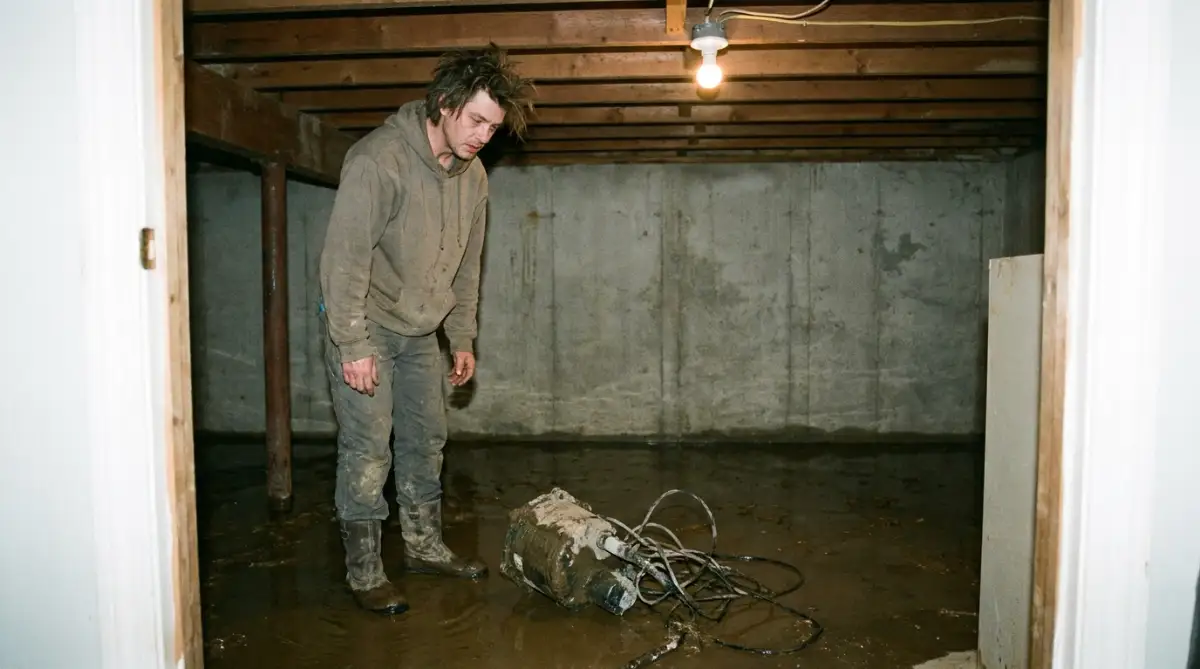
Water damage is easily the most misunderstood topic in the entire property protection industry. If a pipe suddenly bursts inside your kitchen wall, you are usually safe and covered by your standard agreement. But what happens if the city sewer line backs up and pushes raw sewage directly into your downstairs bathroom?
This is where the nightmare begins for most unsuspecting homeowners. Standard policies almost never cover water that backs up through sewers or drains. They also completely ignore damage caused by a failed sump pump during a massive thunderstorm.
Imagine spending thousands of dollars finishing your basement to create a playroom for your kids. One heavy rainstorm overwhelves the street drains, and suddenly that beautiful room is destroyed by toxic water. When you call the adjuster, they will simply point to the "Water Backup Exclusion" clause and deny your request instantly.
Watch this eye-opening breakdown where an industry insider reveals exactly how claims adjusters find reasons to deny your payout based on hidden clauses.
To protect yourself from this massive financial risk, you must take proactive steps. You can easily ask your agent to add a specific endorsement for water backup and sump pump failure. This small addition usually costs less than fifty dollars a year, which is basically pocket change compared to the cost of replacing your floors.
The 60-Second Sump Pump Check
Not sure if your pump is actually working? Try this simple test today:
- Grab a heavy bucket of tap water.
- Slowly pour it right into the sump pit in your basement.
- Watch the little float switch rise up. The pump should turn on automatically, drain the water out, and shut itself off. If it stays quiet, you need to call a plumber right now!
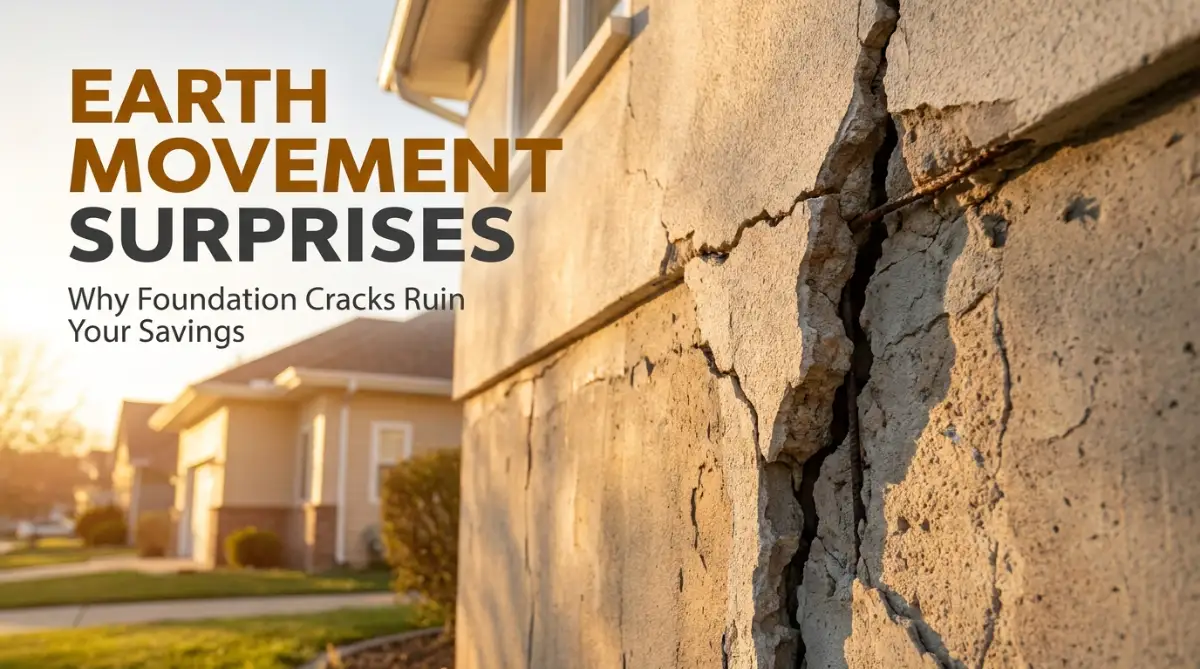
Earth Movement: When The Ground Betrays You
We all know we need protection from things falling onto our roofs, like trees or heavy hail. But very few people think about the actual dirt holding their house up. In the insurance world, any damage caused by the shifting of the earth is known as "Earth Movement," and it is strictly excluded.
This means if an earthquake shakes your neighborhood and cracks your foundation, your standard policy will not offer a single dime. Even worse, this exclusion applies to sinkholes, landslides, and mudflows. It also covers the slow expansion and contraction of soil that can warp your walls over time.
I used to think my insurance agent was my best friend, but my biggest mistake was relying solely on their verbal promises without checking the facts. My real realization came when I finally sat down with a highlighter and read the actual policy jacket myself, discovering that foundation shifting was entirely on me to fix.
If you live in an area prone to tremors or unstable soil, you are taking a massive gamble. The science behind soil expansion is fascinating but highly destructive to concrete structures. When clay-heavy soil absorbs rainwater, it expands rapidly, putting immense pressure on your basement walls until they finally snap.
Myth vs Reality: The Home Maintenance Illusion
Myth: If my old roof starts leaking because of heavy rain, my insurance will pay for a brand new roof and fix the water damage inside.
Reality: Insurance is not a maintenance contract for your property. If the adjuster decides your roof leaked because it was old and neglected, they will deny the roof replacement completely.
This brings us to the most frustrating exclusion of all: wear and tear. Insurance adjusters are heavily trained to look for signs of prolonged neglect when they inspect your property. If they find that a window seal has been broken for months before the storm hit, they will blame you for the resulting damage.
This is why regular home maintenance is an absolute necessity, not just a weekend hobby. You have to keep detailed records, receipts, and photos of all the repairs you do around your property. By doing this, you build a solid defense against any adjuster who tries to claim you neglected your home.
The Silent Destroyer: Mold and Fungal Growth
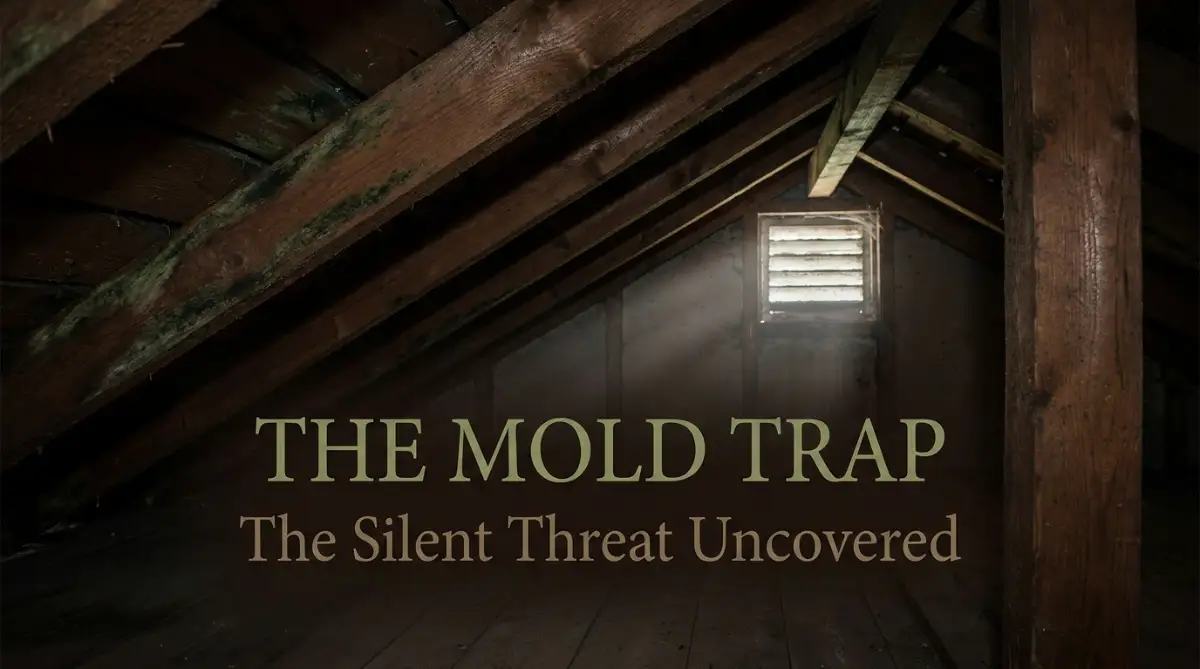
Nothing strikes fear into the heart of a homeowner quite like the discovery of black mold. Mold is a biological nightmare that eats away at your wood, destroys your drywall, and ruins your family's respiratory health. Unfortunately, standard property coverage usually treats mold like an unwelcome guest they refuse to pay for.
The scientific reality of fungal growth is that it requires moisture, warmth, and time to spread across your walls. Because it takes time to grow, adjusters often argue that the damage is a result of a long-term hidden leak. Since long-term leaks are considered a maintenance issue, the resulting mold is quickly excluded from your payout.
Even if the mold is caused by a covered event, like a burst pipe, the payouts are highly restricted. Most basic policies cap mold remediation at a very low amount, often around one thousand to two thousand dollars. Anyone who has ever hired a professional mold removal team knows that amount barely covers the initial inspection.
If you want peace of mind, you need to deeply inspect the dark corners of your house regularly. Check under your bathroom sinks, investigate the corners of your attic, and monitor your basement for musty smells. Catching a tiny leak early is the only real way to prevent this uninsured disaster from destroying your home.
The Shocking Reality of Flood Exclusions
Let us get one important fact straight right now: your standard policy does not cover flood damage. It does not matter if you live on a mountain or right next to the ocean. If a body of water overflows and enters your home from the outside, you are entirely on your own financially.
Many homeowners confuse "water damage" with "flooding," and this confusion leads to absolute financial ruin. If rain falls from the sky, breaks a window, and ruins your couch, that is covered water damage. But if that same rain hits the ground, forms a giant puddle, and flows under your front door, it is a flood.
The Federal Emergency Management Agency states that just one inch of floodwater can cause over twenty-five thousand dollars in damage. You do not need a massive hurricane to experience this; a simple drainage issue in your neighborhood can easily flood your ground floor.
The only way to protect against this is by purchasing a completely separate policy through the National Flood Insurance Program or a private provider. Do not wait for a heavy storm warning to think about this, because most flood policies require a strict waiting period before they take effect.
Why Expensive Valuables Need Special Attention

Most of us assume our personal belongings are fully covered if a burglar breaks in or a fire breaks out. While your policy does include personal property coverage, it heavily restricts the payout for high-value items. This hidden limitation catches families off guard when they lose their most precious family heirlooms.
Let us say a thief breaks your bedroom window and steals your grandmother's diamond engagement ring. You might assume you will get a check for the full appraised value of that beautiful jewelry. Instead, you will be shocked to learn your policy likely caps jewelry theft at a very low limit, sometimes as little as fifteen hundred dollars.
This strict sub-limit also applies to things like expensive electronics, rare art, firearms, and cash kept in a home safe. The insurance company does not want to take on the risk of your high-end collections without charging you extra for it.
To properly protect these items, you need to explicitly list them on your policy through a process called "scheduling." Scheduling an item requires you to provide a professional appraisal and pay a slightly higher premium. However, it guarantees that if your precious ring is lost or stolen, you will receive the exact value needed to replace it.
The Dog Breed Discrimination Factor
Did you know that bringing a sweet new puppy into your home could completely void your liability protection? Liability coverage is designed to pay for medical bills and legal fees if someone gets hurt on your property. Unfortunately, many companies maintain a secret list of excluded dog breeds that they refuse to cover.
If you own a breed that is considered "high risk," such as a Pitbull, Rottweiler, or Doberman, your carrier might quietly drop your liability coverage. If your dog accidentally knocks over a delivery driver and causes an injury, you could face a massive personal lawsuit. Your standard policy will not provide a lawyer or pay a single medical bill in this scenario.
My Personal Pro-Tip for Dog Owners
If your insurance company drops your coverage because you adopted a restricted dog breed, do not panic. Ask your agent about a standalone "Canine Liability Policy." I helped my sister get one for her rescue Pitbull. It is a separate mini-policy that only covers dog bites, and it is usually super affordable!
Always communicate openly with your agent when adopting a new furry family member. Ask them directly if your specific breed is restricted, and get their answer in writing. If they do exclude your pet, you might need to shop around for a more animal-friendly provider or buy an umbrella policy.
Taking Control of Your Financial Safety
The reality is that nobody cares about your financial security more than you do. You cannot just pay your premium every month and blindly hope for the best when disaster strikes. You have to take a proactive approach, educate yourself on these hidden gaps, and demand better protection from your provider.
Start by pulling out your current declarations page and finding the section labeled "Exclusions." Grab a cup of coffee, sit at your kitchen table, and read through every single bullet point listed there. Write down any terms you do not understand and call your agent to demand a clear, simple explanation.
Knowledge is the most powerful tool you have when dealing with giant corporate entities. By understanding exactly what your policy ignores, you can buy the right endorsements and build an unbreakable shield around your family. Your home is your sanctuary, and it deserves to be protected with total transparency and confidence.
Upgrading Your Shield: Expert Strategies to Outsmart Denials
Once you discover the hidden gaps in your standard agreement, the next logical step is learning how to actively close them. You do not have to sit back and simply hope your provider plays fair during an emergency. There are specific, highly effective actions you can take right now to build a safety net they cannot easily break.
Think of your standard policy like a basic smartphone straight out of the box. It makes calls and sends texts, but to get real value out of it, you need to install custom applications. In the insurance world, these custom apps are called "riders" or "endorsements."
You can specifically request an endorsement to cover sewer backups, foundation shifting, or even increased mold remediation. Adding these targeted layers of protection usually only costs a few extra dollars each month. When you compare that tiny monthly fee to a massive repair bill, it is the easiest financial decision you will ever make.
The Power of a Digital Walk-Through
One of the biggest struggles homeowners face after a total loss is proving what they actually owned. When a fire turns your living room to ash, adjusters will aggressively question the value of your destroyed belongings. They will ask for receipts, specific model numbers, and proof of purchase for items you bought a long time ago.
If you cannot provide this proof, they will estimate the lowest possible value for your things. To avoid this terrible situation, you need to use how modern technology saves time and create a bulletproof digital inventory. Grab your smartphone, turn on the video camera, and slowly walk through every single room in your house.
Open your closets, pull out expensive electronics, and clearly read the serial numbers out loud to the camera. Make sure you open your jewelry boxes, highlight expensive artwork, and show the condition of your furniture. Once you finish recording, immediately upload that video to a secure cloud storage account so it never gets lost.
Mastering the Actual Cash Value Game
You also need to understand exactly how your provider plans to pay you when your things are destroyed. Many basic agreements use a payout method called "Actual Cash Value," which sounds great but is actually a massive trap. This method subtracts the age and wear of your items before handing you a check.
Imagine your five-year-old television gets destroyed by a covered lightning strike. The adjuster will not give you enough money to buy a brand new television today. Instead, they will calculate how much a used, five-year-old television is worth right now, which is often almost nothing.
You must call your agent and demand they upgrade your personal property coverage to "Replacement Cost." This simple change forces the company to pay you exactly what it costs to buy a brand new version of your lost item at today's store prices. It might increase your premium slightly, but it guarantees you can completely rebuild your life without dipping into your savings.
Staying Ahead of the Law
Another massive secret that industry insiders rarely discuss is called Ordinance or Law Coverage. Building codes change frequently as cities try to make houses safer and more energy-efficient. If your older home gets partially damaged, local laws might force you to upgrade the entire electrical or plumbing system before you can rebuild.
A standard policy will only pay to replace what was originally there, completely ignoring the expensive new city requirements. This leaves families footing the bill for thousands of dollars in mandatory legal upgrades. By adding an Ordinance or Law endorsement, your provider is forced to cover these unexpected legal costs.
The Heartbreaking Pitfalls: Where Good People Lose Their Money
Fixing your policy is highly effective, but you also need to actively avoid the common traps that destroy family savings every day. People often make tiny administrative mistakes that give adjusters the perfect legal excuse to deny an otherwise valid payout. Understanding these traps is the only way to keep your financial future secure.
The Real Estate Value Confusion
The most devastating mistake homeowners make is confusing their home's market value with its actual rebuild cost. When you buy a house, you pay for the structure, the location, the neighborhood, and the land underneath it. Many people insure their property for the exact price they paid to buy it.
This creates a massive problem because rebuilding a house from scratch often costs significantly more than its current real estate value. If a massive fire destroys your home, the builders have to clear the debris, hire specialized labor, and buy materials at highly inflated current prices. If your coverage limit is too low, you will run out of money before the roof is even put on.
The "Set It and Forget It" Mentality
Another terrible habit is treating your insurance agreement like a forgotten gym membership. People buy a policy on the day they close on their house and never look at the paperwork again for a decade. During that time, they finish basements, upgrade kitchens, and buy expensive new furniture.
If you do not tell your agent about these massive upgrades, your new investments are completely unprotected. Let us say you spend a huge amount of money installing beautiful hardwood floors and custom cabinets. If a burst pipe ruins that new kitchen, the adjuster will only pay to replace the cheap vinyl flooring that was listed on your original document.
Whenever you are managing complex projects like a home renovation, you must call your agent the moment the work is done. Sending them the final receipts ensures your coverage limits increase to match the new value of your property.
Ignoring the Water Risk Around You
Many people falsely believe they are completely safe from flooding just because they do not live near a beach or a river. This dangerous assumption leads thousands of families to completely ignore their local flood risks. The truth is that heavy suburban development, poor city drainage, and sudden seasonal storms cause inland flooding every single week.
Relying solely on your standard coverage when you live in a valley or near a slight slope is a massive gamble. You should take a proactive approach by checking local government flood risk maps online to see where the water naturally flows in your neighborhood. If you see even a slight risk, buying a separate flood policy is non-negotiable.
Chasing the Lowest Deductible
When trying to save money, many homeowners demand the lowest possible deductible they can get. A deductible is the amount of cash you have to pay out of your own pocket before the company steps in. While a low deductible sounds great, it dramatically drives up your monthly premium.
This forces people to file claims for tiny, insignificant repairs just to feel like they are getting their money's worth. Filing multiple small requests is the fastest way to get your policy completely canceled by your provider. They view frequent filers as high-risk liabilities and will quickly drop you or double your rates.
It is much smarter to raise your deductible to a slightly uncomfortable level, maybe around two or three thousand dollars. This lowers your monthly bill and stops you from filing requests for small things you can fix yourself. If you are working on a tight budget, just put those monthly premium savings into a separate emergency repair fund.
Depending Solely on Verbal Promises
Finally, the most heartbreaking trap is trusting the friendly words of a local sales agent over the written legal text. Your agent might look you in the eye and say everything is fully covered, but they do not write the checks. The claims adjuster is the person who decides your fate, and they only care about the printed words in your policy jacket.
Never accept a verbal assurance when it comes to your biggest financial asset. If an agent tells you that your detached garage or expensive solar panels are covered, politely ask them to point to the exact paragraph in the contract. Taking the time to exploring consumer protection guidelines will give you the confidence to demand things in writing.
Your Tomorrow: Turning Vulnerability Into Unbreakable Confidence
Taking control of your property protection might feel a bit overwhelming at first, but it is incredibly empowering once you start. You now know exactly how insurance companies use confusing language and hidden gaps to protect their own profits. More importantly, you know exactly what steps to take to block their common denial strategies.
You no longer have to cross your fingers every time a heavy storm rolls through your neighborhood. By upgrading your endorsements, creating a digital inventory, and understanding exactly what is excluded, you are building an invisible fortress around your family.
Start tomorrow morning by pulling out your paperwork and scheduling a completely honest review with your agent. Ask the tough questions, demand transparent answers, and actively adjust your limits based on measuring the long-term value of your home. If a major disaster ever strikes, you will be the homeowner who stays perfectly calm while everyone else panics.
I know from my own personal experience that reading through boring legal documents is the last thing anyone wants to do on a weekend. However, taking just one hour of my time to fix my hidden exclusions completely changed my life and protected my savings. I strongly encourage you to pick up the phone tomorrow, take charge of your policy, and finally secure the total peace of mind you truly deserve.
Clear Answers to Your Biggest Policy Doubts
Do I really need separate flood protection if I don't live near water?
Yes, you absolutely do. Heavy rainstorms, rapid snowmelt, and poor city drainage systems can easily push water into your ground floor no matter where you live. Since standard agreements strictly exclude all outside water entering your home, a separate flood policy is your only real safety net.
Will my monthly premium go up if I ask my agent questions?
Asking questions or reviewing your coverage with your agent will never trigger a rate increase. Your rates only go up if you actually officially file a claim for damage or if you choose to add more expensive endorsements to your package.
What exactly does "Actual Cash Value" mean for my old belongings?
Actual Cash Value means the company will figure out how much your item was worth right before it was destroyed, heavily factoring in its age. You will only get a small fraction of what you originally paid, making it incredibly hard to afford a brand-new replacement.
How often should I realistically update my digital home inventory?
You should aim to update your video inventory at least once a year, or immediately after buying highly expensive items. Doing a quick ten-minute video walk-through during your annual spring cleaning is a great way to ensure everything is documented.
Can my provider easily cancel my agreement after a major disaster?
If you file too many claims in a short period, providers can legally choose not to renew your agreement at the end of your term. However, there are strict state laws preventing them from dropping you right in the middle of an active, covered disaster investigation.
Disclaimer: The information provided in this article is for educational and informational purposes only and does not constitute financial, legal, or professional insurance advice. Insurance policies vary significantly by provider and local state laws. Always consult with a licensed insurance agent or legal professional to discuss your specific coverage needs and carefully review your personal policy documents before making any financial decisions.
![The Ultimate Guide to Surviving Estate Settlements [Step-by-Step]](https://vimex24.com/storage/uploads/blogs/1789115850_the-ultimate-guide-to-surviving-estate-settlements-step-by-step.webp)
![7 Hidden Secrets to Navigating Complex Estate Payouts [Avoid Family Drama]](https://vimex24.com/storage/uploads/blogs/1789114950_7-hidden-secrets-to-navigating-complex-estate-payouts-avoid-family-drama.webp)