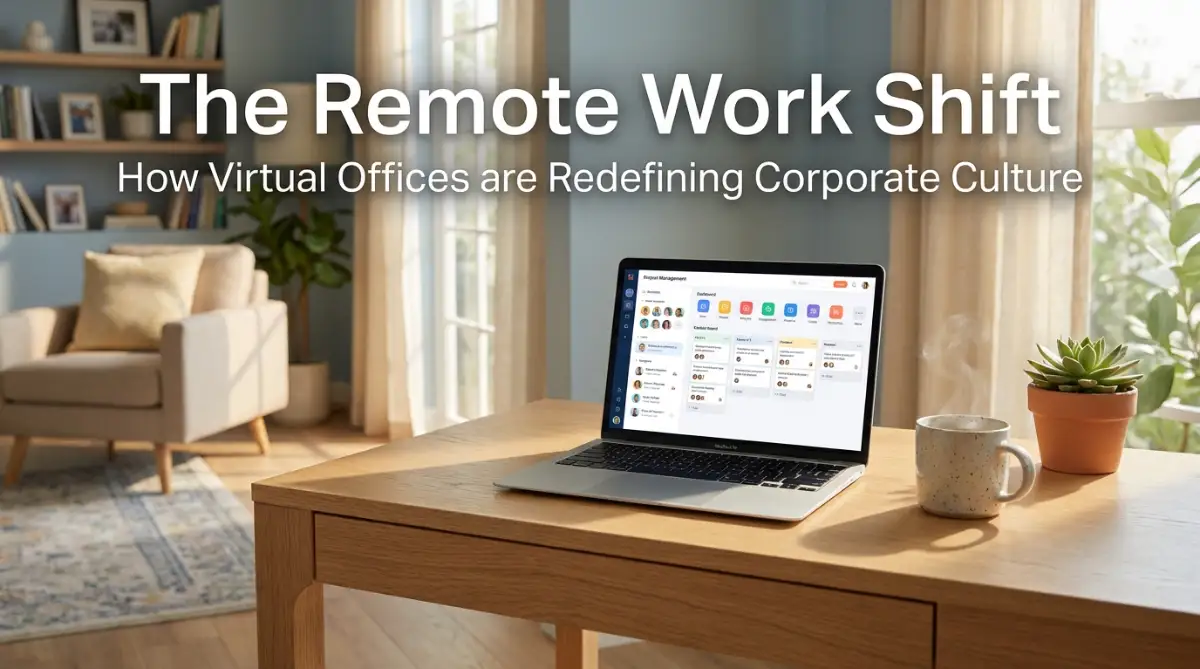
The Great Screen Shift: My Struggle and the Pain of Virtual Isolation
I still remember the day my old physical workplace shut down. I had to pack my laptop, my favorite coffee mug, and my notebooks into a small cardboard box. It felt like leaving a big part of my life behind.
In the beginning, working from my living room sofa felt like a true blessing. I could sleep in, wear my comfortable sweatpants, and skip the daily train ride. But that early joy did not last very long for me.
Within a few weeks, my home started to feel like an office that never closed. My laptop sat on the kitchen table, constantly blinking with new message alerts. I found myself checking work emails at midnight while trying to relax.
I felt a deep sense of loneliness growing inside me day by day. I missed the small chats by the water cooler and the shared laughs during lunch. My daily work began to feel like a series of cold, digital tasks.
My story is not unique, as millions of remote workers go through this exact struggle every day. People are losing their mental peace because they cannot separate their job from their personal life. They feel pressure to be online and active at all hours.
When you never see your teammates in person, it is easy to feel disconnected. Trust begins to fade, and simple messages can easily be misunderstood. This emotional gap makes it hard for any company to keep its culture alive.
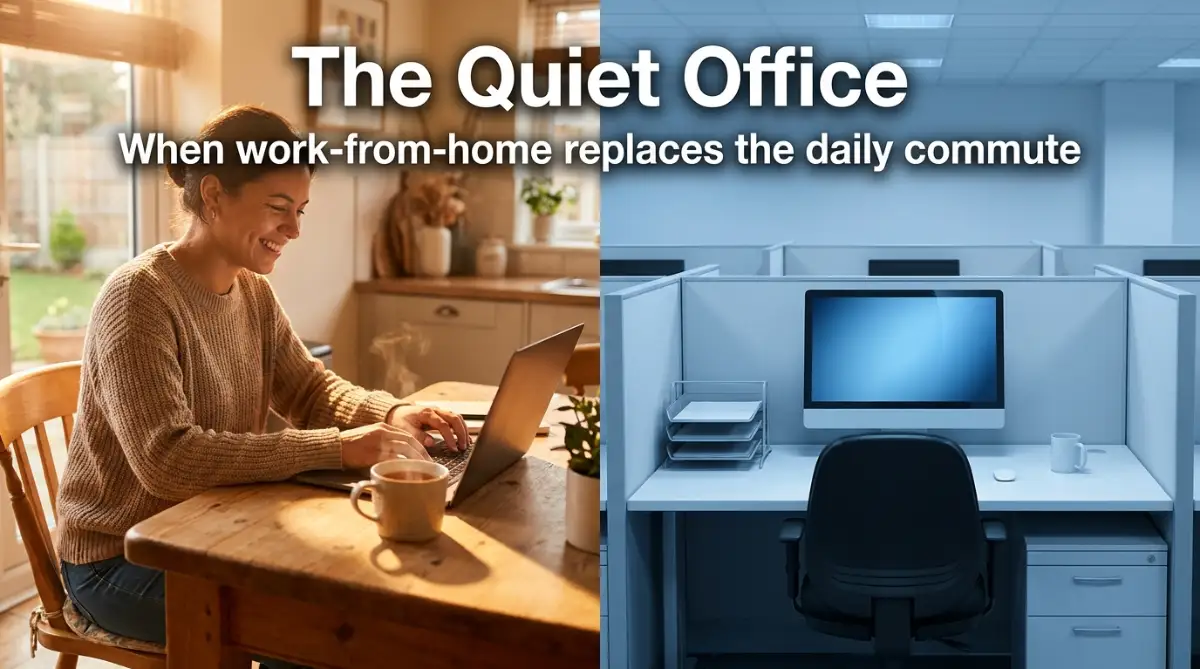
A Practical Guide to Rebuilding Culture in a Remote World
Stop Tracking Hours and Start Valuing Actual Work
Many managers make the mistake of watching their workers every minute of the day. They use software to track mouse movements or keyboard clicks. This only makes people feel stressed and deeply mistrusted.
Instead of watching the clock, great remote teams focus on the final results. It does not matter if someone works at 6 AM or 2 PM. What matters is that they do their job well and meet their deadlines.
When you give your team this kind of freedom, their stress levels drop quickly. They feel respected and are more likely to stay with the company long-term. This simple shift in mindset is key to building healthy trust.
Create Clear Rules for Digital Communication
Without clear rules, remote workers feel forced to reply to messages instantly. This constant interruption stops them from doing deep, focused work. Teams need to agree on what requires an immediate reply and what can wait.
For example, you can decide that emails should be answered within one day. Urgent problems can be handled through a quick phone call. This keeps everyone on the same page and reduces daily anxiety.
It is also helpful to use different channels for different types of work. Keep one channel for serious projects and another for casual team chats. This keeps your digital workspace organized and easy to navigate.
How to Share Information Without Live Meetings
Too many video meetings can lead to extreme screen fatigue. People spend hours staring at faces online instead of getting their actual work done. A better way is to share updates using written documents or short recorded videos.
This allows team members to read or watch the updates when they have free time. They can process the information at their own speed and reply when they are ready. It saves time and keeps everyone from burning out.
Written updates also create a helpful history of decisions for the whole team. Anyone who was sick or busy can easily catch up later. This makes your team much more flexible and self-reliant.
The Shift from Office Rules to Remote Values
To build a strong culture, we must understand how remote offices differ from traditional ones. The old rules simply do not work in a virtual environment. We must build new ways to connect and measure success.
Here is a simple comparison to show how the work experience shifts when you move online. It highlights the main differences in how teams operate.
As you can see, the entire way we interact must change. We cannot just copy office habits and paste them onto a computer screen. We need to design something entirely new that fits our screen-based lives.
Protect Your Mind with a Better Work-Life Split
When your home is your office, it is hard to walk away from work. You might find yourself checking your phone while cooking dinner or watching TV. This constant connection makes it hard for your brain to rest.
To solve this, you need to set a clear end to your workday. You can close your laptop and put it out of sight in a drawer. This physical act tells your brain that work is over for the day.
Having a dedicated work area is another great way to set boundaries. Even a specific corner of a room can help separate your job from your life. When you step away from that spot, you are officially off the clock.
I used to think I had to reply to every chat message within two minutes to prove I was working. My anxiety went through the roof until I finally talked about it with my team. We agreed that most messages could wait, which gave me my peace of mind back.
Bring Back the Human Touch Through Small Rituals
In a physical office, you get to know your coworkers by sharing coffee or eating lunch together. These small moments are where real friendships and trust are built. Remote teams must find new, creative ways to bring these moments back.
You can start your weekly meetings with a quick five-minute social chat. Ask everyone to share a picture of their pet or talk about their weekend plans. This simple habit reminds everyone that they are working with real people.
Another fun idea is to pair up team members for a virtual coffee chat each week. They can spend fifteen minutes talking about anything other than work. It helps build personal connections that make collaboration much easier.
If you want to see how top global companies handle this shift, this short video offers some great real-world lessons.
https://youtu.be/01ZCnCXpG4A?si=ISIqYcowD0IdAOvo
Common Myths About Remote-First Work
There are many false ideas about what happens when teams go fully virtual. Some leaders believe that people get lazy when they work from home. Others think that team culture completely dies without a physical office.
Let us look at the facts and separate truth from fiction. Understanding these points will help you build a much better remote environment.
- Myth: People work less when they are not watched.
- Reality: Most remote workers actually work longer hours and find it harder to stop.
- Myth: You need a physical office to have a strong team culture.
- Reality: Culture is about how you treat people, not the building you sit in.
- Myth: Video calls are the only way to build strong team trust.
- Reality: Written updates and clear actions build much more trust than endless calls.
Empowering Your Team Through Better Documentation
In a remote team, writing is your most important tool. When you document everything, you make sure no one is left in the dark. It allows everyone to access the same information at any time.
Create a central hub where all project guides, rules, and notes are kept. Make sure this space is easy to search so people can find answers quickly. This stops employees from having to wait hours for a teammate to wake up and reply.
Good documentation also helps new hires get up to speed much faster. They can read through past projects and understand how the team works without feeling lost. It gives them the independence they need to succeed from day one.
Redefining Leadership for the Digital Age
The role of a manager changes completely in a remote-first setting. You can no longer manage by walking around the office and checking desks. Leaders must become guides who support their team from a distance.
Great digital leaders focus on empathy and open communication. They check on how their employees are feeling, not just how much work they completed. This human-centered approach makes workers feel safe and supported.
They also make sure to praise people publicly for their hard work. Since achievements can sometimes go unnoticed online, sharing wins in group channels is highly encouraging. It boosts team spirit and keeps motivation high.
Tackling the Challenges of Different Time Zones
Working across different time zones can be a major hurdle for virtual teams [1]. If not handled well, it can lead to long delays and frustrated workers [1]. The key to solving this is adopting asynchronous workflows.
Avoid scheduling meetings that force some team members to wake up early or stay up late. Instead, record meetings so people in other regions can watch them later. This shows respect for their personal time and sleep schedules.
When assigning tasks, give clear instructions and set reasonable deadlines that account for time differences. This keeps work moving smoothly without requiring constant real-time chat. It makes the global nature of your team an asset rather than a problem.
Setting Up a Healthy Workspace at Home
Your physical setup plays a massive role in how you feel each day. Working from a bed or a soft couch might seem cozy at first. However, it can quickly lead to back pain and physical fatigue.
Invest in a supportive chair and a desk that is at the correct height. Make sure your workspace has good lighting to prevent eye strain during long hours. These small physical adjustments can greatly improve your daily comfort.
Keep your work area tidy and free from household clutter. A clean space helps clear your mind and allows you to focus much better. It makes sitting down to work a much more pleasant experience.
The Importance of Unplugging and True Rest
Taking regular breaks throughout the day is necessary for long-term productivity. Your brain cannot maintain high focus for eight hours straight without rest. Step away from your desk every hour to stretch or drink water.
Encourage your team to take their vacation days and truly disconnect. When on leave, employees should turn off all work notifications on their phones. True rest allows people to return to work with fresh ideas and energy.
Managers should lead by example when it comes to taking time off. When employees see their leaders unplugging, they feel safe doing the same. This builds a healthy company culture that values well-being over constant hustle.
Overcoming the Fear of Missing Out (FOMO)
Remote workers often worry that they are missing out on career opportunities. They fear that because they are not seen in an office, they will be passed over for promotions. This fear can lead to overworking and severe anxiety.
Companies must ensure that promotion processes are clear, fair, and based on merit. Keep detailed records of employee performance and achievements throughout the year. This ensures that career growth is tied to results rather than office politics.
Regular career chats between managers and employees can help ease these worries. Discussing goals and growth plans openly gives remote workers a clear path forward. It builds confidence and keeps your best talent engaged.
Building an Inclusive Remote Environment
In a virtual workplace, it is easy for quieter team members to get overlooked. During video calls, louder voices can often dominate the conversation. Leaders must actively create space for everyone to share their thoughts.
Use written feedback forms or quiet brainstorming sessions to gather ideas from everyone. This allows introverted team members to contribute without feeling pressured. It brings a wider variety of perspectives to your projects.
Make sure your digital tools are easy for everyone to use and navigate. Providing clear guides and training ensures that no one feels left behind. An inclusive space is a stronger and more creative space.
Developing Team Rituals That Stick
Rituals are the glue that holds any company culture together. In a remote-first setup, you must design these rituals with care and consistency. They should be easy to join and fun for the entire team.
You could start a monthly trivia game or a book club that meets online. Some teams share their favorite music playlists or recipes in dedicated chat groups. These simple habits create a warm sense of community across distances.
The key is to keep these activities optional so they do not feel like extra work. Let people join when they want to and have the energy for it. This keeps the atmosphere relaxed, friendly, and truly supportive.
Advanced Ways to Keep Your Virtual Office Culture Alive
Designing Shared Team Goals That Make Sense
Building a healthy team spirit across different cities requires more than just shared chat groups. You must create clear pathways so everyone understands how their day-to-day tasks fit into the larger company picture. When team members work in isolation, they can easily lose sight of why their work actually matters.
To prevent this, leaders should set clear goals that everyone can easily view at any time. Sharing these goals openly helps your remote team members feel like they are part of a true collective effort. It keeps motivation high because everyone is working toward the same major milestones together.
Why Digital Workspaces Need Structural Checkups
Building an online company is very similar to designing a physical property. If you do not plan the digital foundation carefully, you will face huge communication issues later on. Just like learning how to spot house-wrecking structural flaws saves home buyers from bad choices, checking your online setup regularly saves your team from a slow operational collapse.
When you ignore the small warning signs in how your team interacts, virtual relationships begin to break down. You might notice that some employees stop participating in group chats or hesitate to ask for help when they are stuck. These are the structural cracks in your virtual office that you must repair immediately to keep your culture strong.
Using Language as Your Ultimate Bridge
When we rely solely on text chats to connect, the way we phrase our thoughts becomes incredibly important. Written words lack tone of voice, which makes it easy for coworkers to misread your intentions. Just as researchers look at how do machines understand us to build better software tools, team leaders must study how human team members interpret text messages to prevent unneeded office drama.
To make virtual chats friendlier, try using simple emojis to show your positive mood. Taking an extra moment to explain your thoughts gently can completely change how a message is received. This mindful approach to language makes your virtual workspace a much warmer place for everyone.
Creating Digital Systems That Never Fail
Your virtual tools must run smoothly every single day to keep your remote team members happy. When files take too long to download or communication platforms crash, employee frustration levels will skyrocket. Learning about resolving sudden performance bottlenecks is just as useful for your technical groups as it is for keeping your daily business operations running without any annoying delays.
If your digital tools are slow, your team will find it hard to collaborate on time-sensitive tasks. This technical friction quickly turns into emotional friction among coworkers who are trying their best to meet deadlines. A fast, reliable tech setup is the true backbone of a happy and peaceful virtual office environment.
Evaluating Team Productivity Fairly
Assessing online work quality requires an honest, objective, and highly transparent system. If you misjudge your employees' hard work because you do not see them sitting at an office desk, you risk destroying their inner motivation. This is highly similar to navigating your first home appraisal where a surprisingly low valuation can completely ruin a major business deal.
Instead of guessing how much effort your team is putting in, use clear data to track their progress. Set up regular one-on-one meetings to discuss their achievements and listen to their challenges. This open style of review builds deep respect and keeps your employees feeling highly valued.
Building Shared Practices That Last
To keep your virtual culture growing over a long period, you must create habits that your team actually looks forward to. These practices should be easy to join and should never feel like a chore. For example, you can set aside the first ten minutes of your weekly meeting to celebrate personal wins or share funny stories.
According to a highly respected Gallup workplace report on hybrid teams, companies that focus on intentional communication see a massive boost in employee happiness. This proves that you do not need a fancy physical building to keep your team highly engaged. Consistent, kind, and positive interactions are all you need to keep your online culture healthy and thriving.
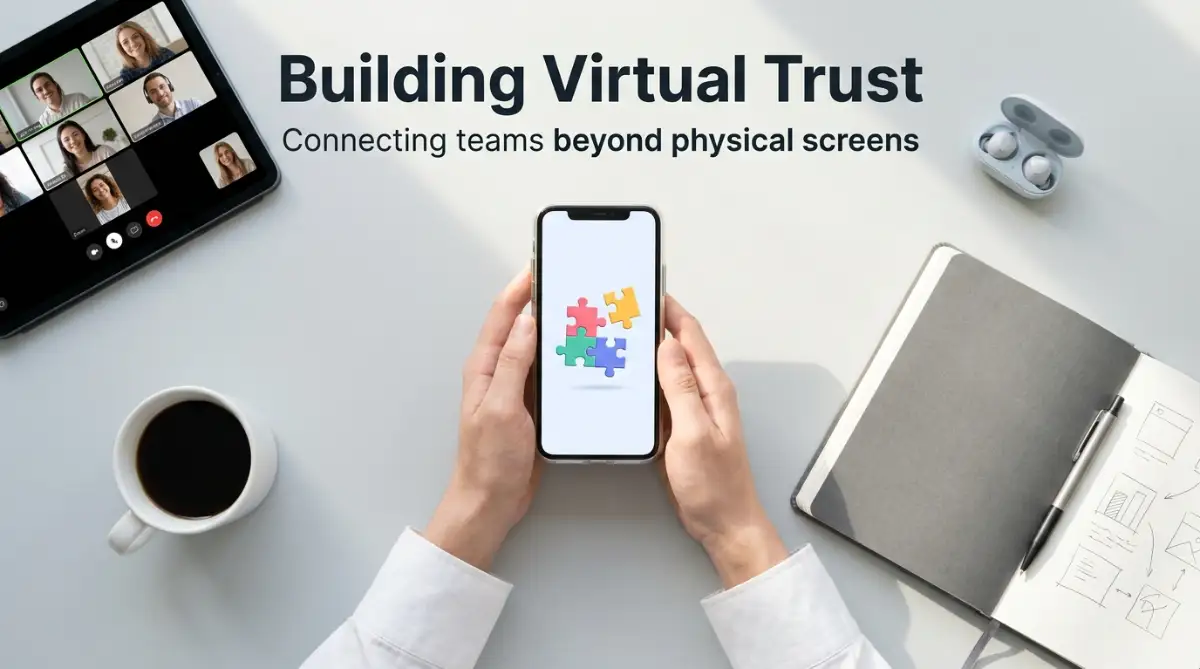
The Hidden Trapdoors That Ruin Online Workspaces
The Trap of Endless Digital Noise
One of the most dangerous mistakes a company can make is allowing chat notifications to run wild. When employees get constantly pinged by notifications day and night, their brains never get a chance to relax. This constant stream of messages creates a false sense of urgency that forces people to work even when they are off the clock.
Data from a well-known Buffer remote work study shows that a large number of digital employees find it extremely difficult to disconnect from their work screens. When you do not set clear boundaries for your chat apps, your team will eventually burn out. This silent exhaustion leads to high turnover rates and a deeply stressed workplace environment.
Treating Humans Like Screen Avatars
It is easy to forget that there is a real person sitting behind every profile picture on your computer screen. When leaders only talk to their employees to hand out tasks, the workplace becomes cold and robotic. People begin to feel like simple tools rather than respected members of a living team.
This lack of personal connection quickly drains the warmth out of your corporate culture. Without friendly relationships, employees do not feel safe sharing their creative ideas or admitting when they make mistakes. To avoid this, you must treat your digital workspace as a community of real, unique individuals who need human connection.
Managing Through Constant Micro-Management
Some managers struggle to let go of control when their team transitions to working from home. They try to monitor every single minute of their employees' days through invasive tracking software or constant progress updates. This extreme lack of trust is a fast way to destroy employee confidence and happiness.
When you micro-manage your remote workers, you tell them that you do not trust their professionalism. This negative environment makes people feel anxious and unmotivated to do their best work. True remote success is built on mutual respect and giving your team the freedom to manage their own schedules.
Ignoring the Silent Signs of Burnout
In a physical office, you can easily see when a coworker is looking tired, sad, or overwhelmed. In a virtual workspace, these important warning signs are almost completely invisible. Employees can easily hide their deep stress behind quick email replies and smiley emojis.
If you do not check on your team’s mental well-being, you will only notice their struggles when it is too late. This lack of support makes employees feel alone and unprotected during stressful times. Caring for your team's mental health must be a top priority if you want to keep your business strong and stable.
A Positive Way Forward for Digital Teams
Creating a strong and happy remote-first corporate culture is a journey that requires time, patience, and a lot of care. It is not about copy-pasting old office habits onto a laptop screen, but about building an entirely new way of connecting. By prioritizing trust, clear communication, and human empathy, you can design a digital workspace where everyone feels like they belong.
When your team members feel respected and connected, they will bring their very best self to work every day. You will build a culture that is strong enough to survive any distance and flexible enough to adapt to any future changes. The benefits of this approach are truly endless, from happier employees to a much more productive and creative company.
My own transition to remote work was incredibly bumpy at first, but setting true boundaries saved my career and my peace of mind. I highly suggest you take just one of the tips from this guide and try it out with your team tomorrow morning. You will be absolutely amazed at how quickly your team’s daily happiness and trust will begin to grow.
Disclaimer: This article is written for informational and educational purposes only. The advice, strategies, and opinions shared here are based on general workspace research and personal experiences. Every business is unique, and readers should evaluate their own company needs and consult with human resource experts before making major organizational changes.
Common Questions About Virtual Workspace Culture
How do you build trust when team members never meet in person?
You can build trust by focusing on clear results instead of hours worked and by keeping your promises consistently. Sharing regular, honest feedback and encouraging casual, non-work conversations also helps team members connect on a human level.
What is the biggest challenge of working in a remote-first setup?
The biggest challenge is the lack of physical boundaries between your work tasks and your personal life. Without a daily commute, many employees find it hard to unplug from their screens, which can quickly lead to high levels of mental exhaustion.
How can leaders prevent employee burnout at home?
Leaders can prevent burnout by setting clear rules for communication, encouraging staff to take regular breaks, and discouraging late-night messages. They should also lead by example by taking their own vacation time and unplugging completely when they are off the clock.
Is remote-first work better than hybrid work models?
Both models have unique benefits, but a remote-first setup offers maximum flexibility and access to a much wider pool of global talent. The best choice depends entirely on your specific team goals, your industry requirements, and how well you manage your digital workflows.
![How to Master Any Difficult Career Skill in Just 10 Minutes a Day [Without Feeling Burned Out]](https://vimex24.com/storage/uploads/blogs/1785767098_5-hidden-reasons-you-feel-too-tired-to-learn-and-how-to-fix-it-today-the-secret-blueprint.webp)