
The Cold Reality of Watching Your Dream Run Out of Cash
You check your dashboard and see record-breaking sales. You feel like you just conquered the world. But then you log into your bank account, and your stomach drops—you have barely enough money to cover the office rent. This silent trap destroys more young businesses than bad products ever will. Let's fix that disconnect before it breaks what you worked so hard to build.
But when I looked at our bank account, we had exactly twelve dollars left. I had to look my team in the eyes and tell them I could not pay them. (2 sentences)
It was the most painful moment of my life, and it was entirely my fault. I simply did not understand cash flow. (2 sentences)
Many founders face this same silent nightmare every single day of their lives. You wake up in the middle of the night with a racing heart and a knot in your stomach. The constant worry about payroll and rent ruins your focus and dampens your creativity. (3 sentences)
This hidden pressure can strain your personal relationships and make you feel deeply isolated from everyone. People do not understand why you are stressed when your sales look good on paper. They do not see the scary, empty bank account behind the beautiful website. (3 sentences)
Your Quick Survival Checklist:
- Stop trusting paper profits: An invoice sent is not money in your pocket.
- Automate your nagging: Use software to chase late payments so you do not have to.
- Stretch your bills: Negotiate 45-day payment terms with your vendors to keep cash in your account longer.
- Beware of giant orders: Growing too fast can bankrupt you if you do not have the upfront cash to deliver.
The Practical Roadmap to Managing Your Startup Cash Flow
Distinguishing Between Profit and Cold Cash
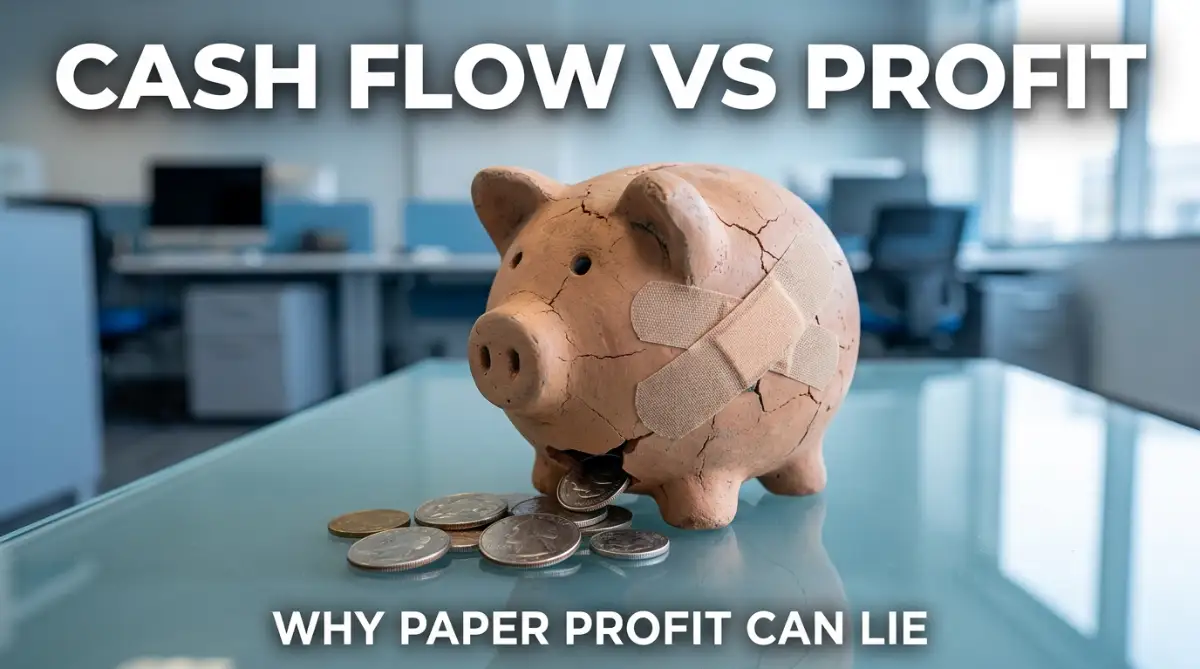
Many new business owners make the mistake of confusing profit with cash. You can make a sale today and record a nice profit on your books. (2 sentences)
However, if the customer does not pay you for sixty days, you cannot use that profit to pay your rent. Profit is an accounting number, but cash is what keeps your lights on. (3 sentences)
This is why healthy-looking startups suddenly go bankrupt. They have plenty of sales but zero money in the bank to meet their immediate needs. (2 sentences)
Looking at this simple comparison shows how different these two ideas really are. You must focus on actual cash if you want your business to survive. (2 sentences)

Creating a Realistic Cash Flow Forecast
A good forecast helps you see the future of your bank account. You do not need complex tools to make one for your business. (2 sentences)
You can start with a simple spreadsheet to track your expected money. List all the cash you expect to receive over the next three months. (2 sentences)
Then, write down every single expense you know you will have to pay. Be honest with yourself and do not hide any hidden costs. (2 sentences)
Subtract your expenses from your income to see your net cash position. This simple step helps you spot cash shortages before they actually happen. (2 sentences)
Myth vs. Reality: The Growth Trap
- The Myth: If I land a massive client today, my money problems are over.
- The Reality: Big corporate clients usually demand 60 to 90-day payment terms. You actually need more cash upfront to buy materials or hire extra help to serve them before you ever see a single dime.
It gives you the time to make smart decisions instead of panicking at the last minute. Knowing your numbers is the first step to peace of mind. (2 sentences)
Shortening Your Receivable Cycle to Get Paid Faster
Waiting for clients to pay is one of the biggest cash drains. You must find ways to speed up this process to protect your business. (2 sentences)
One simple trick is to send invoices immediately after completing the work. Do not wait until the end of the month to bill your clients. (2 sentences)
You can also offer a small discount if they pay early. For example, a simple two percent discount can motivate people to pay within ten days. (2 sentences)
Watching how others do this can help you avoid costly mistakes. It is always better to learn from those who have already walked this path. (2 sentences)
Managing Your Outflow and Delaying Payables Legally
Just as you want to collect money quickly, you should pay it out slowly. This does not mean you should ignore your bills or pay late. (2 sentences)
Instead, you should negotiate longer payment terms with your suppliers from the very start. Ask for thirty or forty-five days to pay instead of paying upfront. (2 sentences)
This keeps the money in your bank account longer, giving you a safety cushion. Most vendors are happy to agree if you are a reliable partner. (2 sentences)
You can also use credit cards wisely to extend your cash runway. Just make sure you pay the balance in full to avoid high interest fees. (2 sentences)
My Personal Vendor Script:
Want more time to pay your suppliers without making it weird? I use this exact email:
"Hi [Name], we love working with you. We are shifting our accounts payable to a net-45 schedule next month. Can we update our terms to reflect this so we can keep our order volume consistent?"
You would be surprised how many suppliers simply reply "yes" without a fight.
Building an Emergency Cash Buffer for Hard Times
Every young business faces unexpected challenges and slow months. Having a cash reserve can save you when things go wrong. (2 sentences)
Try to save enough money to cover at least three to six months of expenses. This money should sit in a safe account that is easy to reach. (2 sentences)
It acts as a shield against sudden drops in sales or delayed client payments. Having this buffer allows you to sleep peacefully at night. (2 sentences)

Pro Tip: Early on, I made the mistake of spending our small savings on fancy office chairs. I quickly realized that happy customers matter far more than a flashy workspace. Keep your expenses extremely low until you have regular, predictable income coming in. (3 sentences)
Tracking Your Burn Rate and Runway Constantly
Your burn rate is the amount of cash you spend each month to stay open. Knowing this number is essential for your startup's survival. (2 sentences)
Divide your total cash by your monthly burn rate to find your runway. This tells you exactly how many months your business can survive without new money. (2 sentences)
If your runway is less than six months, you need to act quickly. You must raise your sales or cut your expenses immediately. (2 sentences)
Never wait until you have only one month of runway left to make changes. It takes time to find new clients or secure extra funding. (2 sentences)
Common Cash Flow Mistakes to Avoid at All Costs
Others assume that a high sales volume automatically means they are doing well. They forget that selling more can sometimes drain cash even faster if payments are delayed. (2 sentences)
Avoid buying expensive equipment when you can lease it or use cheaper options. Keep your fixed costs as low as possible during your first year. (2 sentences)
Another common trap is ignoring your bookkeeping until tax season arrives. You must look at your financial statements every single week without fail. (2 sentences)
The Role of Technology in Managing Cash Flow
You do not have to do all this math by hand. There are many simple and cheap tools available that can automate your cash tracking. (2 sentences)
Software can link directly to your bank account and track your spending. It can send automatic reminders to clients who forget to pay their bills. (2 sentences)
This saves you valuable time so you can focus on growing your business. It also reduces the chance of making painful human errors in your math. (2 sentences)
Knowing When to Seek Professional Financial Help
As your business grows, your finances will become more complex. There is no shame in admitting you need help to manage your money. (2 sentences)
Hiring a part-time bookkeeper or a financial advisor can be a smart move. They can spot risks that you might miss in your busy day. (2 sentences)
Their expert advice can save you from making mistakes that could end your business. Think of their fee as an investment in your company's safety. (2 sentences)
The Hidden Danger of Growing Too Fast (Overtrading)
It sounds strange, but growing too quickly can actually destroy your startup. When you get a massive order, you must buy materials and hire help to fulfill it. (2 sentences)
You pay for all of these things upfront before you receive any money from the client. If you do not have enough cash to cover these costs, your business will collapse. (2 sentences)
This scenario is known as overtrading, and it is a common trap for ambitious founders. Always make sure you have the cash capacity before accepting giant projects. (2 sentences)
It is better to grow steadily and safely than to chase rapid expansion that risks everything. Patience is a powerful tool in business survival. (2 sentences)
Simple Ways to Cut Startup Expenses Today
To protect your cash flow, you must keep a close eye on your spending. Start by reviewing all your active software subscriptions right now. (2 sentences)
You will likely find tools that you signed up for but no longer use. Canceling these unused subscriptions can save you hundreds of dollars every month. (2 sentences)
Consider working remotely instead of renting a physical office space early on. This eliminates utility bills and expensive rent, keeping your cash where it belongs. (2 sentences)
You can also use free or open-source software instead of paying for premium plans. Only upgrade to paid versions when it is absolutely necessary for your work. (2 sentences)
How to Negotiate Upfront Payments with Clients
Asking for a deposit before starting a project is a great way to secure cash. Many clients are happy to pay fifty percent upfront if you ask professionally. (2 sentences)
This gives you the funds needed to cover the initial costs of the project. It also ensures that the client is fully committed to working with you. (2 sentences)
You can explain to them that this is a standard industry practice for quality work. If a client refuses to pay any deposit, it might be a warning sign. (2 sentences)
It is often better to walk away from risky clients who refuse to support your terms. Your business cannot afford to work for free. (2 sentences)
Coping with Seasonal Slowdowns in Your Business
Most startups do not make the same amount of money every single month. There will always be busy seasons and quiet periods throughout the year. (2 sentences)
You must use your peak months to prepare for the inevitable slow times. Save the extra cash you make instead of spending it on new projects. (2 sentences)
You can also offer seasonal promotions to bring in money during quiet times. This helps keep a steady stream of cash flowing into your bank account. (2 sentences)
Plan your big expenses, like equipment upgrades, during your most profitable months. Never make major purchases when your sales are at their lowest. (2 sentences)
Explaining the Three Main Parts of Cash Flow
To manage your money well, you should understand where it comes from. Cash flow is divided into three main activities that you must track. (2 sentences)
The first is operating cash flow, which is the money made from your daily sales. This is the most important type because it shows if your business model works. (2 sentences)
The second is investing cash flow, which deals with buying or selling business assets. This includes spending money on computers, tools, or physical workspace. (2 sentences)
The third is financing cash flow, which shows money from loans or investors. While loans can help, your business must eventually survive on its operating cash. (2 sentences)
Creating a Simple Cash Culture in Your Team
Managing money is not just the job of the founder or the accountant. Your entire team should understand the importance of saving cash. (2 sentences)
Talk to your employees openly about the financial health of the startup. When they understand the goals, they will be more careful with company resources. (2 sentences)
Encourage them to find cheaper ways to complete tasks or run marketing campaigns. Reward team members who find creative ways to save the company money. (2 sentences)
When everyone works together to protect cash, the business becomes much stronger. A shared mindset is a powerful tool for survival. (2 sentences)
Why Paper Profits Can Deceive New Founders
It is easy to get excited when you look at your sales charts. However, those numbers can hide the true health of your business. (2 sentences)
An invoice sent is not the same as cash in your bank account. You cannot pay your team members with invoices that have not been collected yet. (2 sentences)
This is why many profitable startups still go out of business. You must focus on real cash, not just paper achievements. (2 sentences)
How to Hand-Pick the Right Customers for Cash Health
Not all customers are good for your startup's financial survival. Some clients take months to pay and demand constant attention. (2 sentences)
These slow-paying clients drain your resources and cause endless stress. On the other hand, good clients pay on time and respect your work. (2 sentences)
You should focus your energy on finding and keeping these high-quality clients. Do not be afraid to let go of clients who hurt your cash flow. (2 sentences)
A smaller number of reliable clients is better than a crowd of late payers. Choose quality over quantity to keep your business safe. (2 sentences)
Setting Up Automated Payment Reminders
Many clients do not pay on time simply because they are busy and forget. Sending manual reminders can feel awkward and take up your valuable time. (2 sentences)
You can easily solve this problem by setting up automated email reminders. Most modern invoicing tools have this feature built right in. (2 sentences)
The system will gently remind your clients a few days before the invoice is due. It will continue to follow up automatically if the payment is late. (2 sentences)
This keeps the relationship professional and ensures you get paid without having awkward conversations. It is a simple step that yields great results. (2 sentences)
To Sum Up Your Journey to Cash Flow Safety
Managing your money might not feel as exciting as building your product. However, it is the actual engine that keeps your startup alive. (2 sentences)
By tracking your numbers and acting early, you can avoid the traps that destroy others. Stay disciplined, keep your expenses low, and watch your bank account closely. (2 sentences)
Your dream is worth the extra effort it takes to manage your cash well. With the right habits, you can build a stable and successful business. (2 sentences)
Next-Level Cash Strategies for Scaling Safely
Implementing Rolling Cash Forecasts
Many business owners only look at their bank accounts once a month. This slow habit makes it impossible to react to sudden changes in your sales. (2 sentences)
Instead, you should build a rolling forecast that covers the next twelve weeks. This system allows you to see exactly when money will enter and leave your accounts. (2 sentences)
You can easily adjust this sheet as soon as a client pays or a new bill arrives. Visualizing cash flow trends on the U.S. Chamber of Commerce website helps you pick the right tracker for your specific industry. (2 sentences)
The Art of Client Retainers
Getting paid after you do the work is a risky way to run a startup. It places all the financial burden of the project directly on your shoulders. (2 sentences)
You should try to move your clients toward a monthly retainer model. This means they pay a set fee at the beginning of each month for your services. (2 sentences)
This simple shift provides your business with highly predictable income. It allows you to plan your payroll and rent with complete confidence. (2 sentences)
Vetting Clients Before Offering Credit Terms
It is very tempting to accept every single client who wants to work with you. However, working with people who do not pay on time will quickly sink your business. (2 sentences)
Before you offer payment terms, you must run a quick background check on new clients. Ask for commercial references to see how they treat other service providers. (2 sentences)
If a client has a history of late payments, you should demand full payment upfront. Protecting your bank balance is far more important than closing a risky deal. (2 sentences)
Utilizing Modern Financial Tools
You do not need to spend thousands of dollars on expensive accounting systems. Many free and low-cost tools can automate your invoicing and payment tracking. (2 sentences)
These tools can send friendly email reminders to your clients automatically. This prevents you from having to send awkward emails to your customers. (2 sentences)
Using free FDIC Money Smart materials is an excellent way to train your team in basic bookkeeping. It ensures that everyone in your business understands how to handle transactions properly. (2 sentences)
Keeping Your Working Capital Lean
Working capital is the money you use to manage your day-to-day operations. To keep your startup safe, you should keep this number as lean as possible. (2 sentences)
Avoid holding massive amounts of inventory that you cannot sell quickly. Instead, focus on a just-in-time model to keep your cash free. (2 sentences)
You can explore the official SBA business guide for more help on launching and managing your venture safely. They offer simple tips on keeping your operational expenses under control. (2 sentences)

Dangerous Financial Traps That Destroy Young Startups
The Illusion of Rapid Growth
Many founders believe that high sales growth will solve all their cash problems. They hire new employees and rent bigger offices to support their growing customer list. (2 sentences)
However, rapid growth actually demands massive amounts of cash upfront. If your new customers do not pay immediately, you will quickly run out of money to pay your staff. (2 sentences)
This sad reality is why many growing companies collapse unexpectedly. You must ensure your cash reserves can support your growth before you expand. (2 sentences)
Mixing Personal Cash with Business Capital
When cash gets tight, founders often make the mistake of using personal accounts to pay business bills. This practice ruins your financial records and makes tax season a complete nightmare. (2 sentences)
It also puts your private savings at risk if your business faces legal issues. You must keep a strict boundary between your startup and your home life. (2 sentences)
In addition to protecting business assets, you must safeguard your private wealth. If you own a company, you must understand what actually happens to your assets if you die without a legal will because an unprotected estate can trigger major legal battles for your family. (2 sentences)
Entering Bad Physical Agreements
Renting a retail store or office is a major milestone for any young business. However, signing a lease without reading the fine print can destroy your cash flow. (2 sentences)
When renting an office space, many founders rush into long contracts without realizing they are responsible for hidden fees. Avoiding hidden traps in commercial leases will protect your daily reserves from sudden rent hikes and maintenance costs. (2 sentences)
If you plan to buy a brick-and-mortar storefront, you must examine the physical building. Just like buying a home, knowing how to spot house-wrecking structural flaws at an open house will prevent you from wasting cash on repairs that should be paid by the landlord. (2 sentences)
Relying on Expensive Short-Term Funding
When the bank account hits zero, founders often panic and look for quick money. This fear makes them accept predatory loans with sky-high interest rates. (2 sentences)
While searching for emergency working capital, you should stay cautious about choosing no credit check loans because high fees can easily hurt your runway. These high-cost options can trap your startup in a painful cycle of debt. (2 sentences)
When traditional banks turn you down due to poor credit history, some founders explore how to get unsecured personal loans with bad credit safely to bridge their short-term operational gaps. Always read the terms carefully and calculate the true cost before signing any loan paper. (2 sentences)
Your Daily Action Plan for Financial Survival
The 15-Minute Weekly Cash Check
To keep your startup alive, you must build simple habits that protect your money. Set aside fifteen minutes every Friday morning to review your bank accounts. (2 sentences)
Look at every dollar that came in and every dollar that went out. Check which invoices are outstanding and send quick reminders to those clients. (2 sentences)
This simple routine ensures that you are never surprised by an empty account on Monday morning. It gives you total control over your business financial health. (2 sentences)
Building a Shared Financial Mindset
You should share the importance of cash conservation with your entire team. When your employees understand the budget, they make smarter spending decisions. (2 sentences)
Encourage them to find creative ways to save money on daily tools and software. Small savings across your departments will add up to weeks of extra runway. (2 sentences)
A team that respects the company budget is a powerful shield against bankruptcy. It creates a culture of responsibility and shared success. (2 sentences)
Final Inspiration
Building a startup is a beautiful journey filled with learning and growth. Do not let poor financial habits stand in the way of your amazing ideas. (2 sentences)
By taking control of your cash flow today, you protect the future of your company. You give your team the time they need to build something truly special. (2 sentences)
I know how scary the financial side of a business can feel when you are starting out. But taking small, simple steps today will protect your hard work and keep your dream alive. (2 sentences)
Common Questions About Startup Money Management
How much cash should a startup keep in reserve?
You should aim to keep at least three to six months of operating expenses in a safe bank account. This buffer protects your business from sudden drops in sales or delayed payments. Having this cushion ensures you can pay your staff and rent during slow periods. (3 sentences)
What is the main difference between cash flow and profit?
Profit is the money left over on paper after you subtract your business expenses from your total sales. Cash flow is the actual money moving in and out of your bank account in real-time. A business can be highly profitable on paper but still run out of cash to pay daily bills. (3 sentences)
Why do profitable startups still go bankrupt?
Profitable startups often fail because their cash is tied up in outstanding customer invoices or physical inventory. They spend money to fulfill major orders but have to wait sixty to ninety days to receive payment. If they cannot pay their immediate bills while waiting, they will go out of business. (3 sentences)
Is it safe to use credit cards to fund a new business?
Using credit cards can be useful for managing short-term cash flow if you pay the balance in full every month. However, carrying high-interest debt on credit cards is incredibly dangerous for a young business. It can quickly drain your cash runway and put your personal credit score at risk. (3 sentences)
When should a startup hire a professional accountant?
You should hire a professional bookkeeper or accountant as soon as your business transactions become too complex to track on a simple spreadsheet. If you find yourself spending more time on bookkeeping than on growing your sales, it is time to seek help. An expert can spot financial risks and save you money on taxes. (3 sentences)
Disclaimer
The information provided in this article is for educational and informational purposes only. It does not constitute formal financial, legal, or professional accounting advice. Always consult with a certified financial planner, licensed accountant, or qualified attorney before making major financial decisions for your startup or personal estate.

![7 Proven Steps to Secure Your First Seed Funding [Step-by-Step]](https://vimex24.com/storage/uploads/blogs/1786243058_7-proven-steps-to-secure-your-first-seed-funding-step-by-step.webp)
![7 Proven Agile Methodologies to Skyrocket Remote Startup Growth [Step-by-Step]](https://vimex24.com/storage/uploads/blogs/1786212322_7-proven-agile-methodologies-to-skyrocket-remote-startup-growth-step-by-step.webp)