How My Dream Vacation Turned Into a Heartbreaking Nightmare
- You step off the plane, tired but buzzing with excitement, ready for the trip of a lifetime. But within five minutes, a friendly local hands you a "free" bracelet, and suddenly you are out 50 bucks. Yep, I have been there, and it completely ruined my mood for the rest of the day. Let's talk openly about how to spot these clever street tricks so you can protect your wallet and actually enjoy your hard-earned vacation.
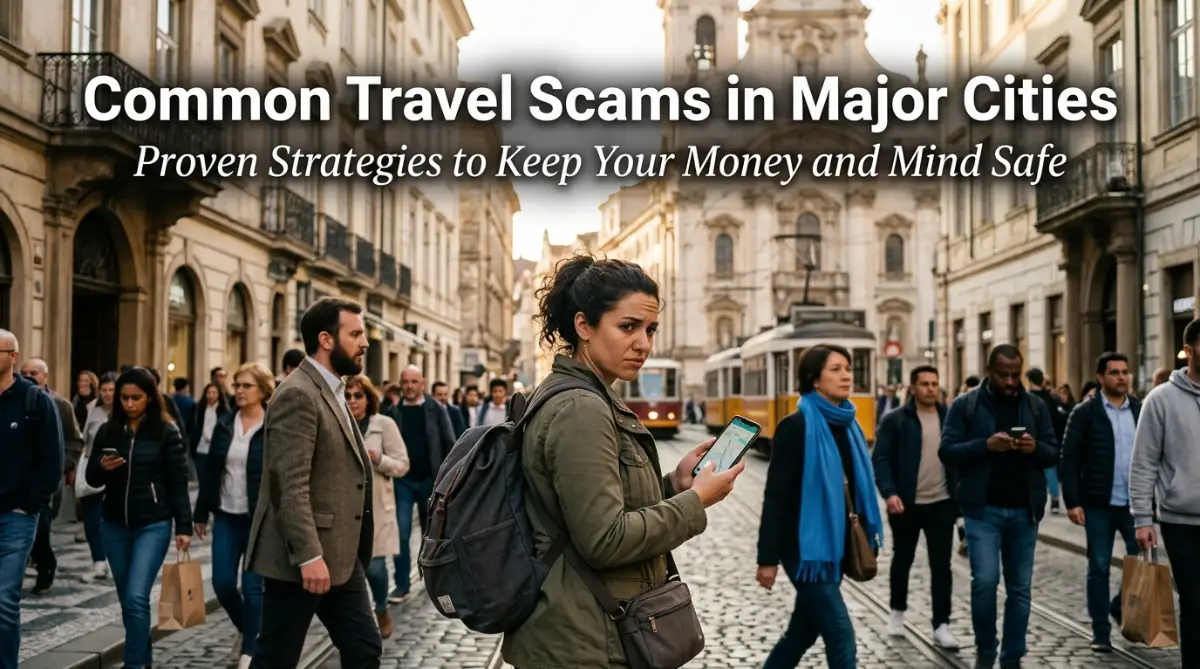
Suddenly, a polite young man stepped in front of me and dropped a gold ring. He asked if it was mine, and before I could think, he insisted I keep it for good luck.
Then, his mood changed instantly, and he aggressively demanded money for his generous gift. I felt trapped, terrified, and handed over twenty dollars just to escape.
This terrible event completely ruined the rest of my day. Instead of looking at beautiful historic buildings, I kept looking over my shoulder.
I felt silly, embarrassed, and incredibly angry with myself for falling for such a simple trick. Unfortunately, thousands of excited travelers face this exact same pain every single day.
Getting tricked by scammers drains your wallet and ruins your emotional peace. You save money for months, planning the perfect getaway with your family.
Then, in just two minutes, a clever thief takes your cash and steals your joy. The stress does not end when you walk away from the scammer.
It stays with you, turning your dream holiday into a stressful nightmare. You start to doubt every friendly local who smiles or tries to help you.
This fear builds a wall between you and the beautiful culture you came to see. No one should have to spend their vacation feeling scared and unsafe.
It hurts your mental peace and makes you want to pack your bags and go home. That is why learning how these tricksters work is the best way to get your peace of mind back.
When we travel, we want to build beautiful memories that last a lifetime. Knowing how to protect yourself changes everything and lets you enjoy your journey without constant worry.
Quick Survival Guide: What You Will Learn Today
- How to handle aggressive "free gift" pushers without making a scene.
- The exact moment a friendly chat turns into a massive bar bill trap.
- Why setting up a "decoy wallet" is the smartest thing you can do before leaving your hotel.
- How to politely but firmly say "no" to save your money and your trip.
How Fake Taxi Drivers Empty Your Wallet
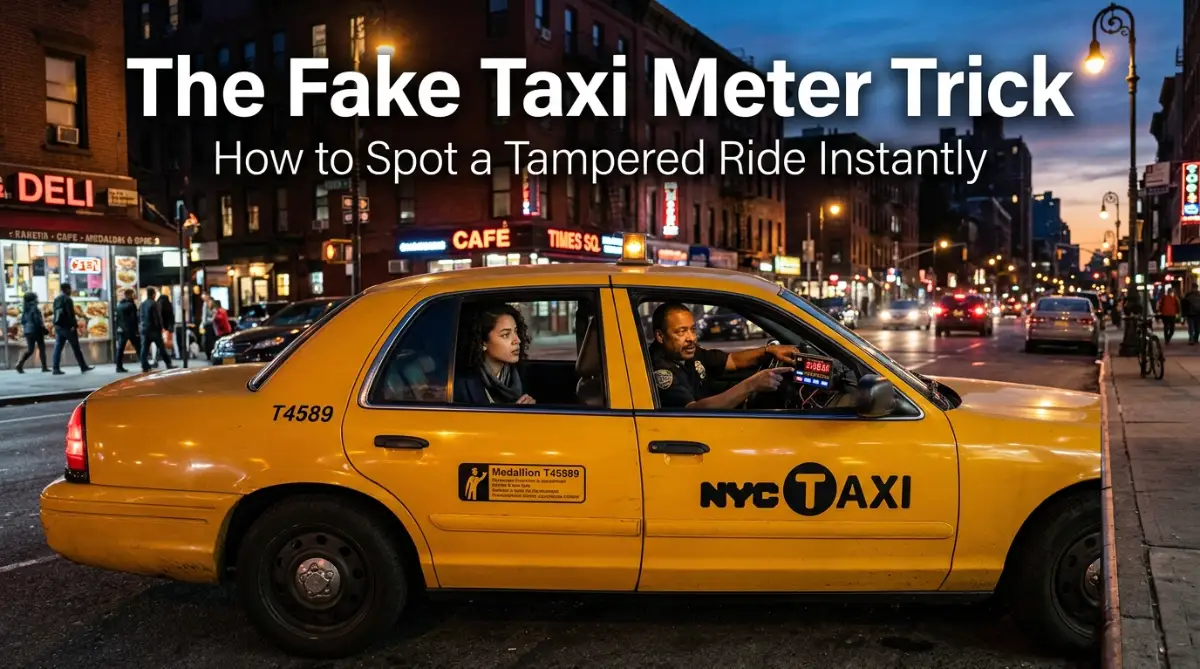
One of the most frequent tricks happens the moment you walk out of the airport. Unlicensed drivers wait near the exit doors, looking for tired travelers.
They will offer you a fast ride to your hotel for a cheap price. However, once you get inside, things change quickly.
Some drivers use a modified meter that counts money twice as fast as it should. Others will claim the meter is broken and demand a massive flat fee at the end of the trip.
To avoid this, always use official taxi stands located outside the airport terminal. Do not follow drivers who approach you inside the arrival hall.
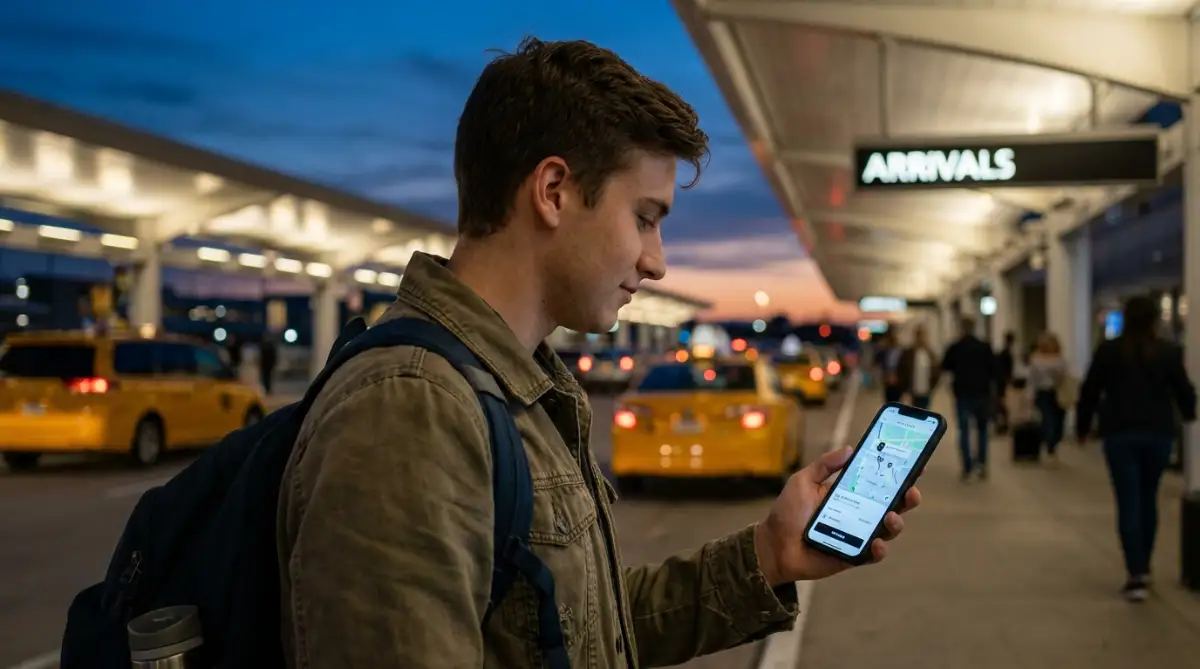
If you do take a taxi, agree on the price before the car starts moving. Better yet, use trusted ride-sharing apps on your phone because the price is set before you get in.
The Free Gift Trap on Popular Street Corners
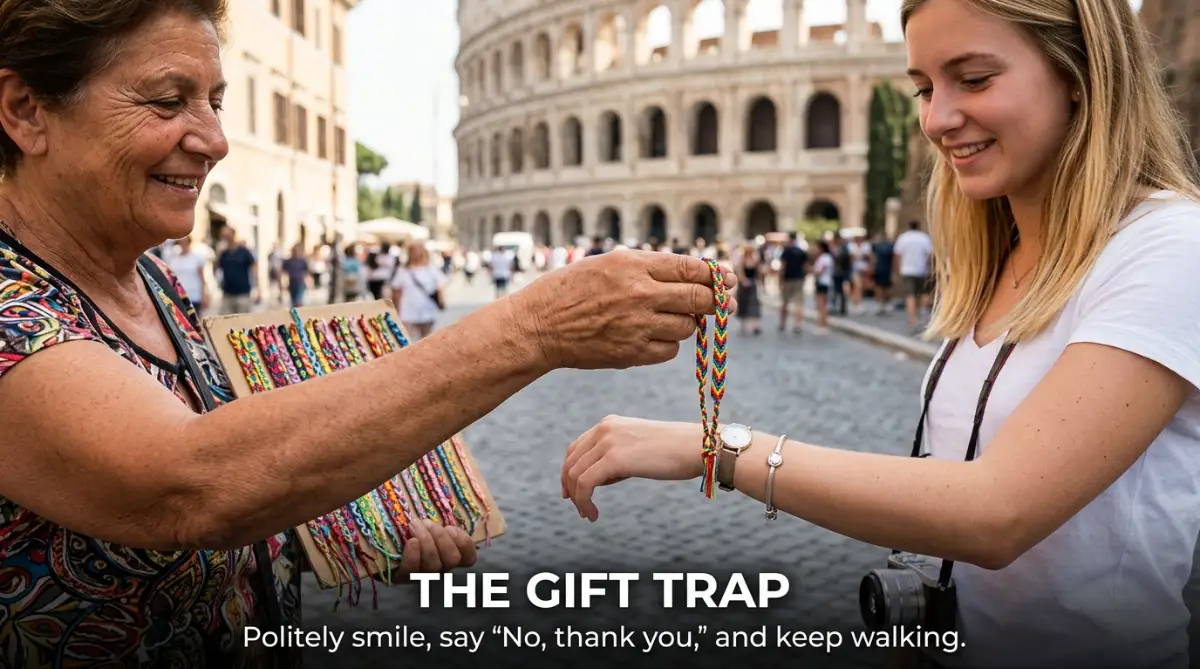
You will often see friendly people offering items like friendship bracelets, rosemary herbs, or flowers near famous landmarks. They will smile warmly and place the item directly in your hand or tie it onto your wrist.
They will tell you that the item is a free gift to welcome you to their city. However, the moment the item touches you, their friendly attitude disappears.
They will loudly demand money and make a scene to embarrass you in public. Because you want to avoid trouble, you might feel forced to pay them.
Quick Cheat Sheet: What "Free Gifts" to Watch Out For By City
- Paris: The friendship bracelet tied aggressively to your wrist.
- Rome: A single rose pushed directly into your hands.
- New Orleans: Someone betting they know "where you got your shoes."
- Madrid: A sprig of rosemary handed to you for "good fortune."
The easiest way to beat this trick is to keep your hands in your pockets when walking through crowded tourist spots. If someone tries to hand you something, say a firm "No, thank you" and keep walking.
Never let anyone tie anything onto your body. If they do force it on you, drop the item on the ground and walk away without saying another word.
Distraction Teams and Hidden Pickpockets
Pickpockets rarely work alone on city streets. They usually operate in small groups to distract you while one person steals your wallet.
For example, someone might accidentally spill coffee, mustard, or water on your jacket. While they apologize and help you clean up, their partner quietly reaches into your pockets.
Other times, a group of children might surround you, waving a cardboard sign or trying to sell you cheap maps. They use the sign to block your view of your own bags.
Watch this video to see exactly how these distraction teams work on the street.
[Insert YouTube Video Link Here]
To protect your valuables, never keep anything in your back pockets. Use a secure money belt under your clothes or a zippered bag worn across your chest.
If anyone spills something on you, walk away immediately to clean it yourself. Do not let strangers touch your clothes or help you brush off dirt.
My Personal Rule of Thumb: If someone spills something on me, I immediately take three steps back and put my hands straight inside my pockets. I once had an ice cream "accidentally" dropped on my shoe in Barcelona. Because I backed away and said a loud "STOP," the pickpocket partner completely backed off. Make noise if you have to!
Friendly Tea Ceremony and Local Bar Invites
In many popular cities, young locals might approach you to practice their English. They will ask where you are from and suggest a great local bar or a traditional tea house nearby.
They seem incredibly nice, and you feel happy to make a local friend. Once you arrive at the venue, they will order drinks and snacks for both of you.
When the bill arrives, your new friend will suddenly go to the bathroom and never return. You are then left with a massive bill that can cost hundreds of dollars.
If you refuse to pay, large security guards will block the exit and threaten you. To stay safe, never go to a restaurant suggested by a stranger who approached you on the street.
If you want to hang out with locals, choose the place yourself using trusted online reviews. A real friend will not mind if you pick the spot.
My Personal Warning
On my second trip, a friendly couple invited me to a hidden rooftop bar they claimed only locals knew about. My gut told me something was wrong, so I politely declined and went to a cafe I found online instead. I later found out that the bar they mentioned was famous for locking tourists in rooms until they paid huge fees.
The Closed Attraction and Helpful Tuk-Tuk Lie
This trick is very common near famous temples, museums, and palaces. As you walk toward the entrance, a polite driver or well-dressed man will stop you.
They will inform you that the attraction is closed for a holiday, cleaning, or a private ceremony. They will then offer to take you to another beautiful temple for a very low price.
On the way, they will stop at expensive jewelry, carpet, or souvenir shops. The shop owners will pressure you to buy low-quality items at high prices because the driver gets a big commission.
Remember that major attractions rarely close without warning. Always walk to the ticket booth yourself to check if the gates are open.
Do not trust strangers standing outside who claim to have special insider information. If you need directions, ask an official security guard or a hotel staff member.
Myth vs. Reality: Street Safety Secrets
Many people believe that scammers only target elderly or confused travelers. This is a common myth that puts many young, confident backpackers in danger.
- Myth: Scammers only target people who look lost or confused.
- Reality: They target anyone who seems distracted, including people staring at their phones or taking photos.
- Myth: If a place has high ratings online, it is completely safe from tricksters.
- Reality: Scammers often hang out right outside highly-rated spots to catch tourists letting their guard down.
- Myth: Carrying a backpack on your front makes you look silly and does not help.
- Reality: Keeping your bag where you can see it is one of the best ways to stop thieves from opening your zippers.
By understanding these realities, you can keep your guard up without feeling paranoid. Street smarts are not about being scared; they are about being prepared.
Quick Rules for Staying Safe in Any City
To make your next adventure smooth and worry-free, try to follow these basic safety rules every day. First, keep your digital data safe by using a VPN when connecting to public airport or hotel Wi-Fi.
Second, copy your important documents like your passport and ID, and store them online in a secure cloud folder. This ensures you can access them even if you lose your physical bags.
Third, split your cash and credit cards into different bags rather than keeping them in one wallet. If one bag gets lost, you will still have a backup way to pay for your stay.
Finally, listen to your instincts because they are usually correct. If a situation feels strange, leave the area immediately without worrying about being polite.
Your safety and peace of mind are always more important than a stranger's feelings. With these simple habits, you can explore any destination with confidence and joy.
Mastering Street Smarts: Advanced Ways to Shield Your Money and Identity
When you travel to big cities, simple safety habits are useful, but experienced travelers use advanced methods to stay safe. These pro-level secrets will help you move through busy tourist areas with complete confidence.
One smart method is to always carry a decoy wallet in your pocket. This is an inexpensive, old wallet filled with a few expired gift cards and a small amount of cash.
If a thief ever corners you, you can hand over this fake wallet without losing your actual credit cards or identity documents [1]. It satisfies the thief instantly and gives you a safe way to escape the situation quickly.
The decoy wallet should be kept in an easy-to-reach pocket so it looks like your main wallet. Meanwhile, keep your real wallet hidden securely under your clothes or inside a deep pocket.
This simple swap protects your main credit cards, original passport, and the bulk of your travel cash. It also keeps you calm because you know you have not lost your actual valuables.
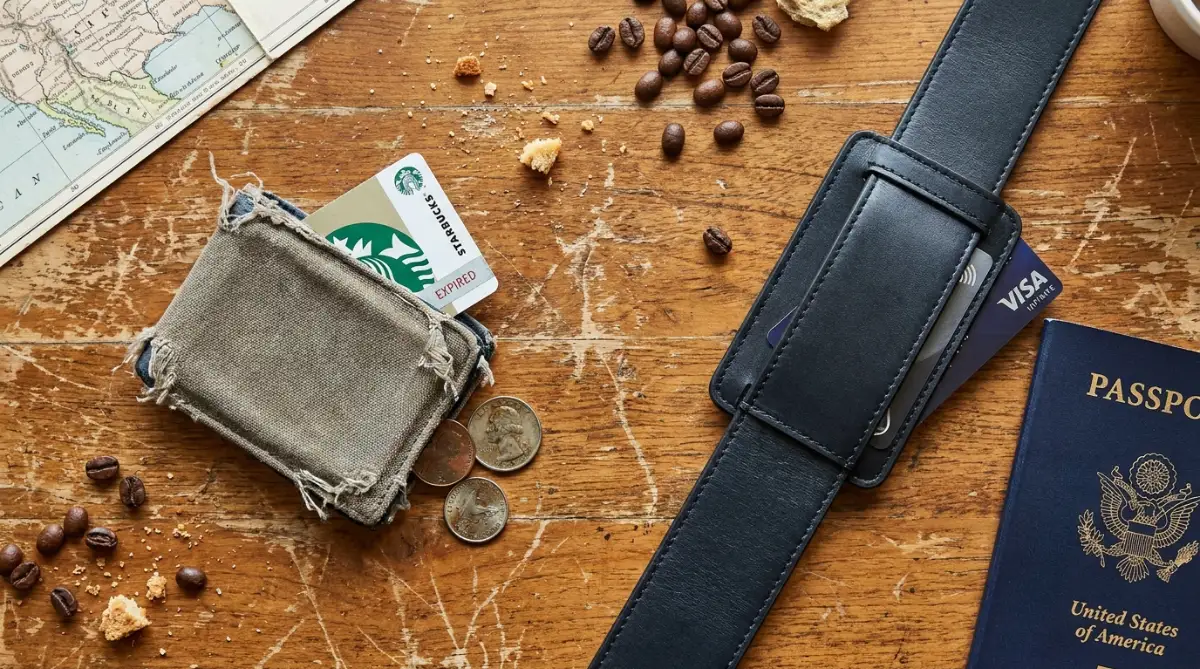
Another modern risk is digital theft, where thieves use electronic scanners to read your card data from a distance. To stop this, you should invest in a high-quality RFID-blocking card holder or money belt.
Using mobile payment apps like Apple Pay or Google Pay on your phone is also much safer than swiping physical cards. These apps create a temporary code for each transaction, so shops never see your real card details.
Spotting a dishonest street vendor or a shady local operator requires a very sharp eye. You have to look past the friendly smiles and learn how to spot house-wrecking structural flaws before making a commitment to any local deal.
Before you sign any local rental contract for a scooter or a jet ski, check the fine print with extreme care. Falling for shady local rental contracts is very similar to missing the hidden traps in commercial leases that business owners often overlook.
You should also research your destination using official government resources. The State Department Travel Advisories page provides regular updates on street safety and active scams in specific neighborhoods [2].
Additionally, always download offline maps of the city on your phone before leaving your hotel room. This simple step keeps you from looking lost on street corners while trying to find a signal.
If you ever feel like someone is following you, walk directly into a busy bank, a major hotel, or a government building. These places always have security guards and cameras, which will make any thief walk away immediately.
To help you prepare each morning before leaving your hotel room, try to follow a quick safety checklist. Make sure your decoy wallet is placed in an outer pocket while your real wallet is hidden.
Check that your mobile payment apps are active and your phone has offline maps downloaded for the day. Finally, save the local emergency police number in your quick-dial contacts.
The Cost of Carelessness: Pitfalls That Leave Travelers Stranded
Many travelers face terrible financial losses because they make simple, avoidable mistakes. The most common mistake is letting your polite manners get in the way of your safety.
You might feel bad saying "no" to someone who seems friendly or needs help on the street. However, scammers rely on your politeness to draw you into their traps before you realize what is happening.
When a stranger approaches you on the street, they will speak very politely to win your trust. While you are distracted by their kind words, their partner is often reaching into your bag.
Learning to say a firm, polite "no" and walking away is your best defense against these traps. You do not owe anyone your time or attention when you are traveling.
Another major mistake is carrying all your cash, cards, and passport in a single backpack. If a pickpocket grabs that bag, you lose everything in a single moment singel moment
Many people also connect their phones to free, public Wi-Fi networks at airports and cafes without a second thought. Hackers often set up fake networks with names like "Free Airport Wi-Fi" to steal your bank passwords.
Always use a virtual private network to encrypt your data when using public networks abroad. If you do not have this protection, use your cellular data instead of joining unknown public networks.
Losing all your cash to a street thief can leave you feeling completely helpless in a foreign country. This sudden financial stress might force you to look for fast, emergency money solutions online.
When you lose your credit cards in a foreign country, you might feel tempted to apply for risky, high-fee loans online. It is far better to have an emergency fund than to search for no credit check loans while panic-stricken in a hotel lobby.
You can learn more about protecting your financial information while traveling from the Federal Trade Commission Consumer Advice portal [3]. They offer excellent resources on how to report and avoid identity theft while you are away from home.
To keep your trips smooth, review these common travel mistakes:
- Trusting unlicensed airport taxis: Always walk to the official stand instead of accepting rides from drivers in the lobby.
- Leaving bags on the floor: Keep your bags on your lap or wrap the strap around your leg while sitting at outdoor cafes.
- Showing off expensive jewelry: Keep luxury watches and expensive cameras hidden inside your bag when walking through crowded markets.
- Accepting unsolicited help at ATMs: If someone tries to help you use a cash machine, cancel the transaction and find another bank.
You should also check official advisories like the Foreign travel advice guide to understand safety conditions in the specific country you are visiting [4]. Being aware of local laws and customs will prevent you from making accidental legal mistakes.
Your Action Plan for Worry-Free Adventures
Exploring a new city should be an exciting adventure filled with wonderful memories, not a source of constant stress. By taking a few smart precautions, you can protect your money and fully enjoy your journey.
Remember that street smarts are not about being afraid of every person you meet. Instead, they are about setting clear boundaries and staying aware of your surroundings.
To stay safe every day, try to practice a simple three-step action plan. First, secure your valuables by placing your main cash and cards in separate, hidden bags.
Second, observe your surroundings carefully before using your phone or cash machines. Third, decline any suspicious street offers with a polite but very firm "no" and keep moving.
When you stay prepared, you take the power away from street thieves and scammers. You can walk through busy markets, historical sites, and beautiful streets with total peace of mind.
I have traveled to dozens of busy cities over the years, and using these simple habits kept me safe every time. My travel experiences taught me that being prepared is the absolute best way to protect your joy.
I hope you use these tips to step out into the world with confidence on your next amazing journey!
Common Questions About Street Safety and Tourist Traps
What should I do immediately if I get scammed?
You should find a safe public area and check your remaining money and cards immediately. Call your bank to freeze any compromised accounts and report the incident to the local tourist police right away.
How can I identify a fake police officer?
Real police officers will never demand cash payments on the street or ask to search your wallet for counterfeit bills. If an officer approaches you, politely ask to walk to the nearest official police station before showing them your ID or documents.
Are children often used in street scams?
Yes, pickpocket groups often use young children to distract travelers because tourists do not view them as threats. If a group of children approaches you waving papers or trying to sell small items, hold onto your bags and walk away quickly.
Is it safe to use credit cards in small local shops?
It is generally safer to use cash in small souvenir shops to avoid card skimming devices. If you must use a card, make sure the shopkeeper does not take your card out of your sight to process the payment.
No, you should leave your physical passport locked securely in your hotel room safe. Carry a printed paper copy or a clear photo of your passport on your phone for daily identification needs.
Disclaimer: This article is for informational purposes only. Travel safety conditions can change rapidly, so always consult official government travel advisories before planning your trip.