The Empty Wallet Surprise: Why Vacation Budgets Fall Apart
Ever checked your bank balance mid-vacation and felt your stomach drop? Yeah, me too. You save up for months, map out the perfect trip, and suddenly, you find yourself eating cheap supermarket bread just to survive until your flight home. Let's fix that today. Here is exactly how I plan a bulletproof travel budget so I never run out of cash overseas again, keeping things simple, honest, and stress-free.
But just six days into the trip, my bank account was almost entirely empty. I spent the rest of my dream trip eating cheap bread and walking everywhere because I simply ran out of money. It was an incredibly embarrassing and stressful situation, and it completely changed how I look at travel planning.
This is the painful reality that many travelers face when visiting new countries. You save money for months, build a beautiful travel itinerary, and set off with high hopes. But then, the real world hits your bank account like a heavy hammer.
You quickly realize you did not account for the small things that add up in minutes. This constant money stress can completely ruin the joy of your hard-earned vacation. Instead of looking at beautiful historical sights, you find yourself constantly staring at price tags and menu cards.
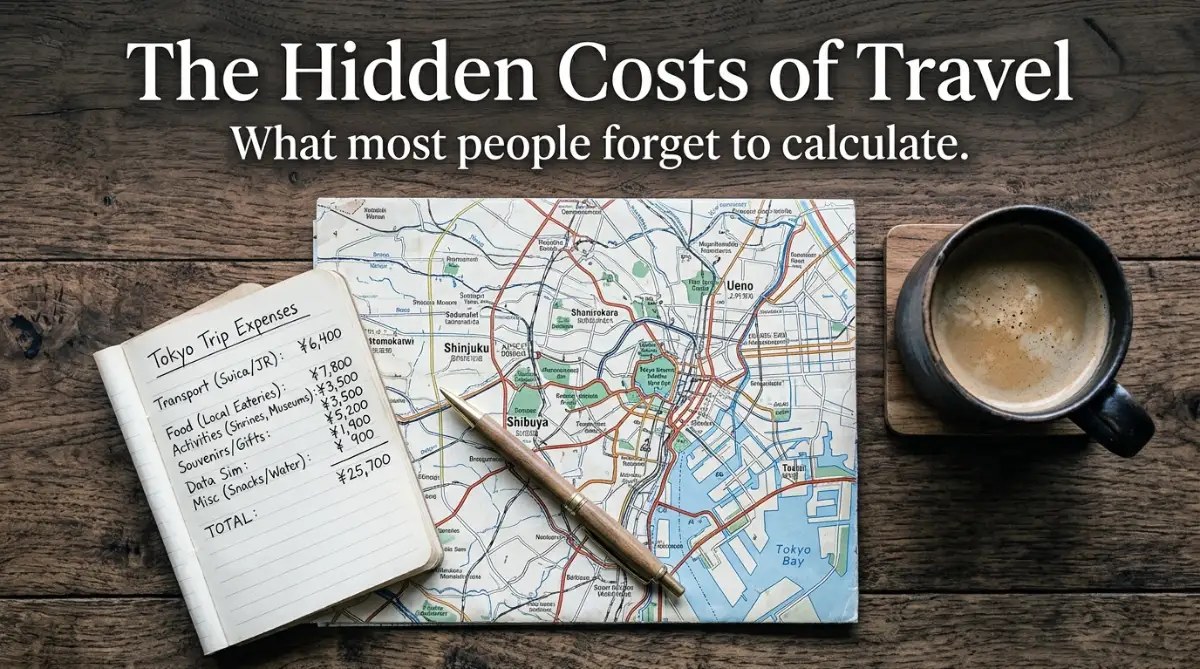
Bloggers often tell you that a city costs fifty dollars a day, but they do not share their personal travel style. When you arrive, you find out that fifty dollars barely covers your lunch and a single train ticket. Let us change that today by looking at how travel expenses actually work in the real world.
The 60-Second Trip Budget Summary
- Separate your money: Never mix up your pre-trip costs (like flights) with your daily walking-around cash.
- Look up real menus: Stop guessing food prices. Check Google Maps for real restaurant menus in your destination.
- Build a buffer: Always add a 15% safety net to your daily total for unexpected bumps in the road.
- Go digital: Use banking apps with virtual envelopes to stop yourself from overspending on the fly.
Decoding Your Daily Travel Expenses: The Fixed vs. Variable Split
To build a budget that actually works, you must first understand the difference between fixed costs and variable costs. Fixed costs are the expenses you pay before you even leave your house. These include your main plane tickets, your hotel bookings, and travel insurance.
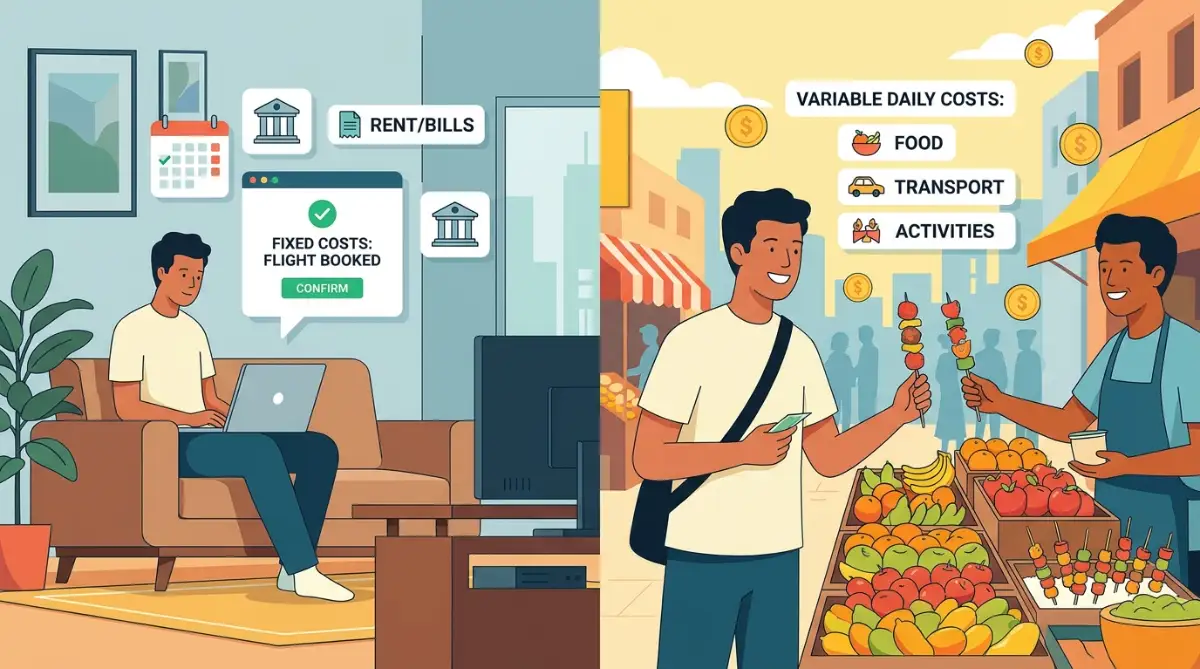
Because you pay these in advance, they do not affect your day-to-day spending cash while you are abroad. Your daily travel budget should focus entirely on your variable costs. Variable costs are the things you pay for on the ground, such as food, local trains, entry tickets, and small gifts.
Many travelers make the mistake of mixing these two categories together. They take their total trip money, subtract the flight cost, and divide the rest by the number of days. This math is dangerous because it ignores how expensive daily life can be in a new city.
For example, a museum ticket or a taxi ride can instantly throw off your daily average. By keeping these costs separate, you can see exactly how much cash you can safely spend every single day.
The Hidden Traps of Generic Travel Budgets
If you search for travel costs online, you will find hundreds of websites telling you the "average" daily cost of a city. These averages are almost always misleading because they do not match your unique lifestyle. A budget traveler who stays in hostels and cooks their own meals has a very different daily spend than a couple staying in a nice hotel.
If you rely on these general numbers, you are setting yourself up for a major financial surprise. You must define your own travel style before you start writing down any numbers.
Travel Budgeting: Myth vs. Fact
- Myth: Hostels are always the cheapest way to sleep.
- Fact: Sometimes a private Airbnb split between two people is actually cheaper and offers a free kitchen to save on dinner.
- Myth: You should budget $50 a day for any city.
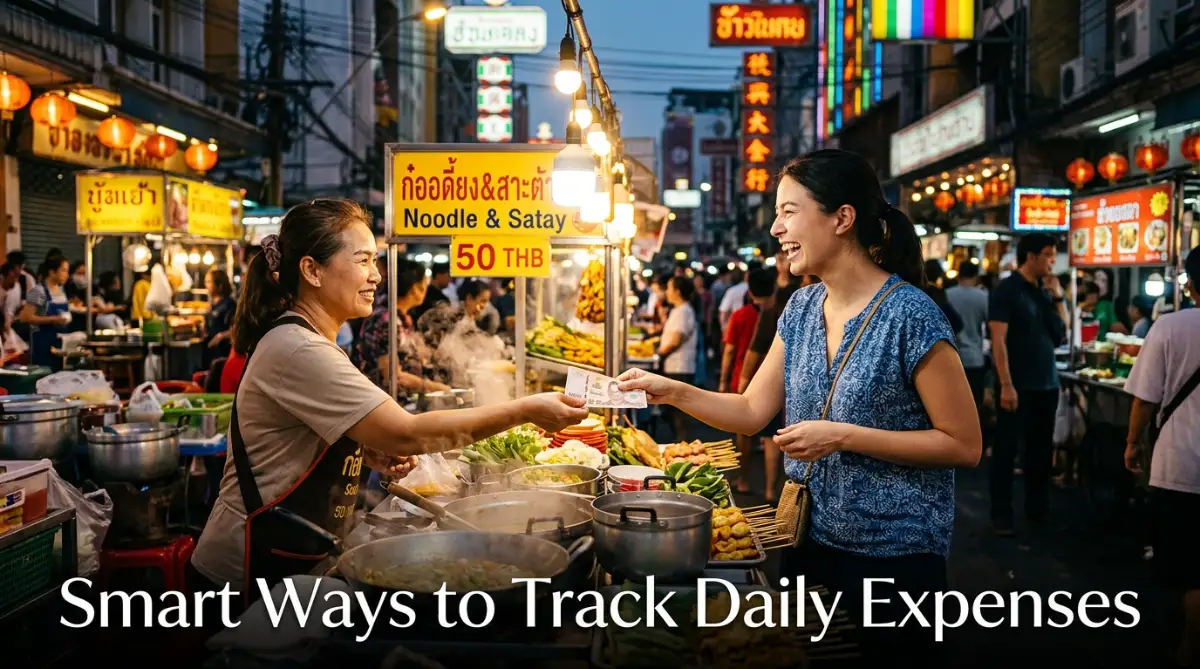
- Fact: $50 in Bangkok buys you a feast and a massage. $50 in London barely covers a quick lunch and a short tube ride. Always match your budget to the local economy!
As you can see, the daily cost changes wildly depending on how you like to travel. Be honest with yourself about what comfort level you actually need to enjoy your trip. If you hate shared rooms, do not calculate your budget based on hostel prices just to make the numbers look lower.
Phase 1: Calculating Your Baseline Food and Beverage Cost
Food is usually the largest daily expense on any international trip, and it is also the easiest to miscalculate. To find the real cost of meals, do not look at general travel blogs. Instead, open Google Maps and search for restaurants in the specific neighborhood where you will be staying.
Look at their uploaded menus to see the actual prices of mains, drinks, and appetizers. This simple step gives you a realistic view of what a dinner will actually cost you.
Remember to account for all three meals, plus snacks, water, and coffee. In many European cities, sitting down at a cafe table costs more than drinking your coffee while standing at the bar.
Quick Real-World Example: The "Coffee Trap"
Let's look at a simple everyday habit. If you buy two coffees a day in Paris, sitting at a nice street cafe, that is about $12 daily. Over a 10-day trip, you just spent $120 on coffee alone! I always recommend setting a strict "caffeine and snacks" limit so these tiny buys do not drain your wallet.
Also, tap water is not free in every country, and buying bottled water daily can add up to a surprising amount of money. Write down a realistic estimate for breakfast, lunch, dinner, and midday drinks based on real menu prices.
Phase 2: Figuring Out Local Commutes and Rideshares
Getting around a new city can drain your wallet quickly if you do not plan ahead. Taxis and rideshare apps are highly convenient, but they are also the most expensive way to travel. If you plan to use public transit, research the price of a single metro or bus ticket in your destination.
Many cities offer daily or weekly transit passes that can save you a significant amount of money.
For instance, using the subway in London or Tokyo is highly efficient, but you need to know how the ticketing zones work. If you plan to walk mostly, that is wonderful, but you should still budget for at least two transit rides a day for emergency situations.
Before you dive deeper into public transit costs, watch this helpful video showing how to navigate foreign transit systems without losing your money.
How to Use International Public Transit Like a Local and Save Cash
Once you understand how the local transit cards work, you can easily avoid expensive tourist taxi traps. Write down the daily cost of a transit pass or a couple of single tickets in your budget planner.
Phase 3: Budgeting for Fun, Activities, and Sightseeing
Sightseeing is the main reason we travel, yet we often forget to budget for the entry fees. While walking around a city is free, entering famous churches, museums, or historic castles is often quite expensive.
Make a list of the top three places you absolutely must visit during your trip. Go directly to their official websites to check the current ticket prices.
Do not guess these prices, as ticket costs often change without warning online. If you want to do guided tours or day trips to nearby towns, write those specific costs down as separate items.
For the other days of your trip, set a general "activity allowance" to cover unexpected entry fees or small tours. This prevents you from having to say no to an amazing experience just because you did not plan for the ticket price.
Phase 4: The Emergency Buffer and Personal Realizations
No matter how carefully you plan, things will happen on the road that you did not expect. You might miss a train, drop your phone and break the screen, or need to buy emergency medicine at a local pharmacy.
Without a cash cushion, these minor issues can turn into massive financial disasters that end your trip early. You should always add a ten to fifteen percent buffer to your total calculated daily budget.
Pro Tip: On my second trip to Southeast Asia, I refused to pay for travel insurance or keep emergency cash because I wanted to save money. I ended up getting a severe stomach bug and had to pay hundreds of dollars out of pocket at a private clinic. That painful mistake taught me that a safety net is not optional; it is a basic requirement for safe travel.
This buffer is not money you intend to spend on souvenirs or fancy dinners. It is a quiet safety net that sits in your account to give you total peace of mind. If you finish your trip without touching your buffer, you simply return home with extra savings.
Phase 5: Spotting and Planning for the Invisible Fees
There are several invisible fees that can quietly eat away at your travel funds behind the scenes. The first major culprit is foreign transaction fees on your credit or debit cards.
If your bank charges a three percent fee on every international swipe, you are paying extra for absolutely everything you buy. Look for a travel-friendly debit or credit card that offers zero foreign transaction fees.
Another hidden cost is the local ATM withdrawal fee, which can be very high in popular tourist areas. Research whether your destination is a cash-heavy society, like Germany or Japan, or if cards are accepted everywhere, like Sweden.
If you need cash, plan to make fewer, larger withdrawals rather than many small ones to save on bank fees. Lastly, do not forget to budget for a local eSIM or international data plan so you do not get hit with a massive phone bill when you return home.
Putting It All Together: Your Daily Budget Formula
Now that you have collected all this specific data, you can use a simple and realistic formula to find your final daily number. Add your daily food estimate, your daily transit cost, and your daily activity allowance together.
Multiply this subtotal by your chosen emergency buffer percentage (such as 1.15 for a fifteen percent buffer). Finally, add a small daily amount for miscellaneous things like laundry, SIM cards, or occasional tips.
This final number is your true daily travel cost, built specifically for your destination and your personal style. Knowing this exact number allows you to walk out of the airport with total confidence.
You will not need to stress over every single purchase or worry about running out of cash halfway through your trip. You can focus entirely on enjoying the beautiful sights, tasting the delicious local food, and making memories that will last a lifetime.
Pro-Level Secrets for Keeping Your Travel Funds Safe and Growing
The Power of Real-Time Tracking Apps
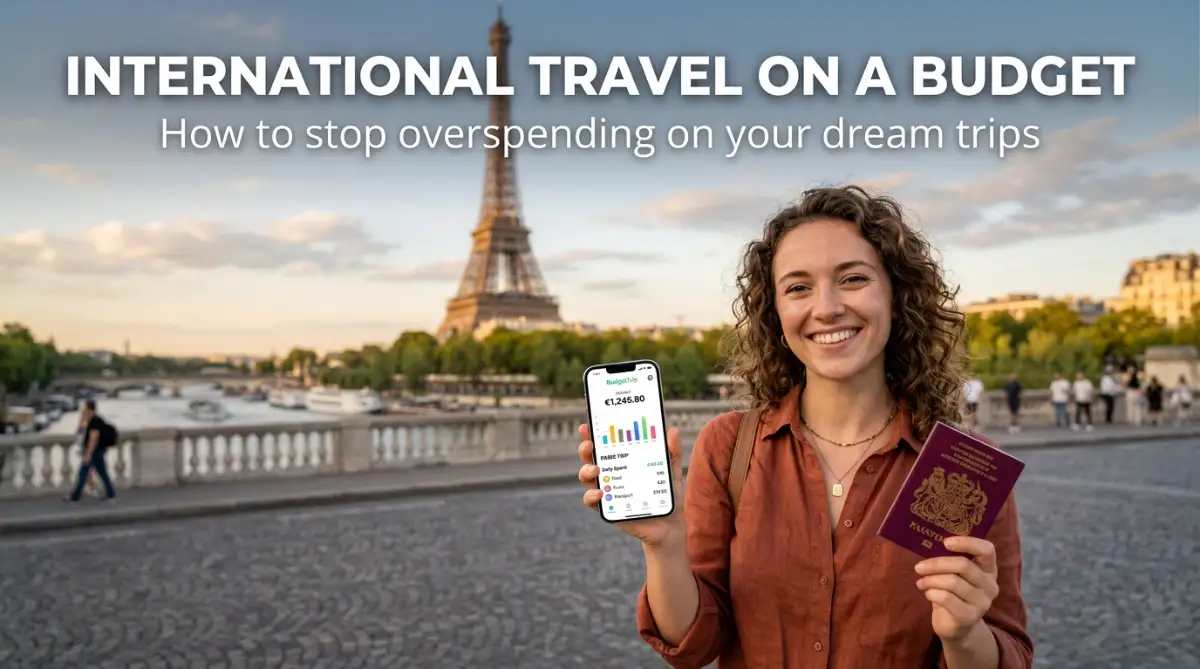
Keeping track of every dollar you spend while exploring a new city can feel like a heavy chore. However, using a dedicated mobile spending app can make this process incredibly simple and fast. Instead of writing everything down in a paper notebook, you can type your expenses into your phone in just five seconds.
We often lose track of our money because we ignore the small, daily cash transactions. A quick espresso in Rome or a small street-food snack in Hanoi might not seem like much at first. But over a two-week trip, these tiny expenses can easily add up to hundreds of dollars.
To get a clear picture of what a city really costs, you should check Numbeo's cost of living index before you leave home. This site gives you crowdsourced, real-time data on everything from milk prices to local taxi fares in thousands of cities. Comparing your hometown prices with your destination helps you adjust your spending expectations early.
Local Tricks to Beat High Exchange Rates
Another major money drain is the high fee you pay when converting your cash into foreign currency. Airport exchange booths are famous for offering some of the worst rates in the travel world. They know you are in a hurry, so they charge massive fees that quietly eat your travel funds before you even leave the terminal.
Instead of exchanging money at the airport, look for local banks in the city center of your destination. You can also check the current mid-market exchange rate on the Knowing the real rate keeps you from getting ripped off by sketchy exchange stalls.
If you ever find yourself completely out of money abroad, you might feel tempted to look at short-term emergency funds. Some travelers even look into online options like no credit check loans to get out of a tight spot. However, these high-interest options can create a long-term financial headache when you get back home.
The Cash Envelope Method Goes Digital
A classic way to manage your daily allowance is the old-school cash envelope system. You put a set amount of physical cash into a paper envelope for each day of your trip. When the cash in that envelope is gone, your spending for that day must stop immediately.
Today, you can easily use this exact same system digitally with modern mobile banking. Many digital banks allow you to create separate virtual spaces or savings vaults for different categories. You can have a virtual envelope for your daily food, another for transportation, and another for emergency cash.
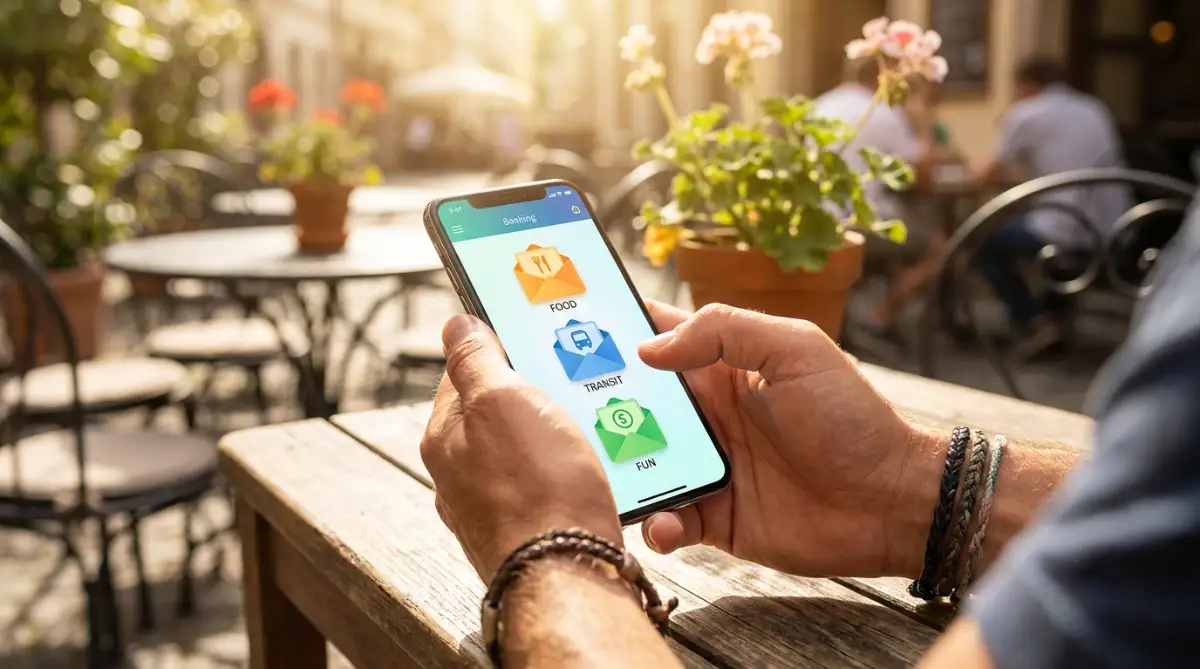
This digital approach keeps your physical cash safe from pickpockets in crowded tourist spots. It also allows you to see exactly how much money you have left with a quick glance at your screen. If you struggle with self-control, this is one of the best ways to keep your daily spending on track.
Long-Term Travel Planning: Building a Rolling Fund
If you want to travel frequently, you should avoid building your travel budget from scratch every single time. Instead, try creating a rolling travel fund in your savings account. You can automatically deposit a small amount of money into this fund every single month.
Having a dedicated travel fund means you do not have to scramble for cash when a cheap flight deal pops up. It also prevents you from having to use credit cards to pay for your flights and hotels. This approach keeps your personal finances healthy and lets you travel without any lingering guilt.
Hidden Money Traps: Common Pitfalls That Can Ruin Your Trip
The Danger of the 'I Will Think About It Later' Mindset
One of the most common mistakes travelers make is putting off their financial decisions until the trip is over. When you are surrounded by beautiful beaches or historic streets, it is easy to say you will worry about the costs later. This relaxed attitude is wonderful for your mind, but it can be absolutely devastating for your wallet.
Ignoring your daily expenses does not make them go away. Instead, it simply delays the shock of seeing an empty bank account on the last day of your trip. This sudden reality check can turn a happy vacation into a deeply stressful journey home.
Just like renting commercial space, you must always look closely at the fine print of your daily spending. If you ignore the details, you can fall into financial holes, much like the hidden traps in commercial leases that catch business owners off guard. Staying aware of your cash flow is the only way to protect your hard-earned savings.
Ignoring Tipping Customs and Tourism Taxes
Tipping rules vary wildly from one country to another. In some places, like the United States, tipping is expected and can add twenty percent to your food bill. In other countries, like Japan, tipping is not done at all and can actually be seen as offensive.
If you do not research these customs beforehand, you will either overpay or upset the local staff. Additionally, many popular cities now charge a daily tourist tax that you must pay directly to your hotel. This tax is often not included in your online booking price and must be paid in cash upon arrival.
Failing to plan for these small, mandatory fees can quickly add up over a week-long stay. Always spend ten minutes researching the local tax and tipping rules before you board your flight.
Allowing Small Purchases to Leak Cash
When we think of travel expenses, we usually think of big items like museum tickets or fancy dinners. However, it is often the tiny, unrecorded purchases that slowly bleed our budgets dry. A daily bottle of water, a quick snack at a train station, or a small tip to a street performer might seem harmless.
But when you do these things multiple times a day, they quickly add up to a major sum. This is why you must treat your travel budget like a physical structure.
You must inspect your daily spending habits for leaks, just like you would search a house to spot structural flaws at an open house before buying. Finding these small spending leaks early will save you from a major financial headache later.
Relying on a Single Source of Money
Imagine walking up to a restaurant counter in a foreign country, reaching for your wallet, and realizing your only credit card is blocked. This nightmare scenario happens to thousands of international travelers every single week. Banks often block cards automatically when they spot sudden transactions in a new country.
To avoid this, you should always carry at least two different cards from different banks. Keep one card in your wallet and hide the second card in a safe place inside your hotel room. This ensures you always have a backup option if your primary card is lost, stolen, or blocked.
Preparing for these worst-case scenarios is a basic part of being a responsible adult. It is similar to protecting your family by knowing what actually happens if you die without a legal will before it is too late. Taking a few simple steps today can protect you from massive problems tomorrow.
To keep your trips safe, you should also check the U.S. Department of State's travel advisories before booking your destination. These official warnings help you understand both the safety risks and the financial stability of the country you want to visit. Being fully informed allows you to plan your money and your safety with absolute confidence.
Your Path to Stress-Free Adventures: Take Action Today
The Night-Before Travel Financial Checklist
To make your budgeting process completely foolproof, we have put together a quick checklist you can use before every single trip. These simple steps will ensure that your money is safe and your budget is ready to go. You can complete these tasks in less than thirty minutes.
- Notify your bank about your travel dates and destinations so they do not block your cards.
- Download an offline map of your destination city to avoid using expensive data just to find your hotel.
- Take a screenshot of your travel insurance policy and save it to your phone's home screen.
- Withdraw a small amount of local currency at a trusted bank ATM before you head to your hotel.
- Set up your daily spending app with your target limit already programmed into the system.
Having these tasks completed before you leave the house will instantly lower your pre-trip anxiety. You can sit back on your flight knowing that your finances are completely organized.
The Lifetime Benefits of Smart Budgeting
Learning how to manage your travel money is a skill that will serve you for the rest of your life. It allows you to explore the world on your own terms, without returning home to a mountain of credit card debt. You will be able to travel more often, stay in nicer places, and focus on what truly matters: making incredible memories.
The world is full of amazing places waiting to be explored, and you do not need to be wealthy to see them. With a little bit of research and a solid plan, any destination can become affordable. Start small, stay consistent, and watch your travel dreams become a beautiful reality.
My Personal Message to You
I used to think that travel budgeting was a boring task that took all the magic out of exploring new places. But after experiencing the pure panic of running out of cash in a foreign country, I realized that a good budget is actually the key to true travel freedom.
I want you to experience the deep joy of traveling without any financial worry hanging over your head. Take a few minutes today to start planning your next daily travel budget, and take that first step toward your next stress-free adventure!
Common Questions About Travel Budgets
H3: How much cash should I carry when traveling internationally?
It is usually best to carry enough physical cash to cover your expenses for two or three days. This gives you a safe backup if local shops do not accept credit cards or if the local ATMs are out of order. For the rest of your trip, rely on travel-friendly cards to avoid carrying large, unsafe amounts of cash.
H3: Is it cheaper to buy a city tourist pass or pay for attractions individually?
A city pass is only worth the money if you plan to visit multiple expensive attractions in a very short period of time. If you prefer to travel slowly and only visit one or two sights a day, paying for individual tickets is almost always cheaper. Always map out your planned activities first and compare the total individual costs against the price of the pass.
H3: How do I handle tipping in countries where it is not common?
If you are visiting a country where tipping is not part of the local culture, you should avoid doing it. In some places, leaving extra cash on the table can make the staff feel uncomfortable or confused. Instead, show your appreciation by giving a warm smile, saying thank you in their local language, or leaving a positive review online.
Should I pay in my home currency or the local currency when swiping my card?
You should always choose to pay in the local currency of the country you are visiting when prompted by a card reader. Choosing your home currency allows the merchant's bank to set their own exchange rate, which is almost always terrible. Paying in the local currency ensures your own bank handles the conversion, giving you a much fairer rate.
How do I budget for unexpected medical emergencies abroad?
The best way to handle medical emergencies is to buy a reliable travel insurance policy before your trip begins. This small upfront cost can save you thousands of dollars if you get sick or injured while far from home. Never rely on your daily emergency buffer to cover serious medical bills, as foreign hospital costs can be incredibly high.
Disclaimer: This article is for informational purposes only. The financial tips and travel strategies shared here are based on personal experiences and general travel advice. Please consult with a professional financial advisor or research specific local laws and travel warnings before making major financial decisions or traveling to high-risk areas. Vimex24 does not guarantee any specific financial or travel outcomes based on the information provided in this post.