The Day I Almost Lost Everything to a Hidden Clause
You just got the keys to your new apartment, and everything feels perfect. But hiding on page four of that massive lease agreement is a sneaky little trap that could easily cost you thousands of dollars. I almost lost all my savings because I didn't read the fine print about sudden water damage. Let me show you exactly what to look for before you hand over your security deposit, so you don't make the same expensive mistake I did.
My heart sank into my stomach as I frantically read the tiny print on page four of my signed agreement. Right there, hidden under complicated legal words, was a line saying the landlord held zero responsibility for water damage to personal property. I had to pay completely out of my own pocket for something I did not even break.
It felt like a massive betrayal, and my bank account took a sudden hit I was definitely not prepared to handle. You work hard to pay your rent on time every single month, expecting a safe and secure place to live. Yet, everyday people are falling into these exact same legal traps without even realizing it until disaster strikes.
Families are losing their hard-earned security deposits over totally unfair maintenance rules hidden deep in the paperwork. College students and young professionals are facing sudden, massive bills because of unexpected property damage they did not cause. This constant underlying fear completely destroys your mental peace at home.
You end up walking on eggshells in a space that is supposed to be your ultimate safe zone. We sign these heavy stacks of papers thinking everything is standard, trusting that the system is fair to both sides.
The reality is that many of these contracts are heavily heavily stacked in favor of property management companies. But you do not have to be a helpless victim in this unfair game. Once you know exactly what to look for, you can easily turn the tables and protect your hard-earned cash.
Quick Takeaways for Smart Renters:
- Why the mandatory minimum insurance your building forces on you is basically a scam.
- How to use your phone camera on day one to guarantee you get your full security deposit back.
- The exact sneaky words to look for in your lease that shift building repair costs directly onto you.
Unmasking the Legal Jargon: Spotting the Sneaky Insurance Traps
Finding out that your lease is secretly a financial trap is a terrible feeling. However, taking control of your rental situation is highly practical and completely possible today. We just need to break down the specific language landlords use to shift the blame onto you.
When you understand how these rules connect directly to your personal insurance needs, you instantly gain massive power. Let us look closely at the most common tricks hiding in plain sight and how you can easily neutralize them.
The "Liability Shift" Illusion
One of the most common tricks property managers use is shifting the building's structural liability directly onto your shoulders. You might see a section in your contract titled something boring like "Tenant Responsibilities." Inside that paragraph, they quietly slip in a rule making you responsible for the plumbing or electrical faults inside your specific walls.
This means if a totally old, rusty pipe bursts under your sink, they might try to force you to pay for the flooded floors. This is highly unreasonable and financially dangerous for any normal person. They rely entirely on the fact that most people just scan the document and sign at the bottom.
To beat this, you must always look for the exact words "indemnify" or "hold harmless" in your property documents. If you see these specific words, they are legally trying to wash their hands of any responsibility.
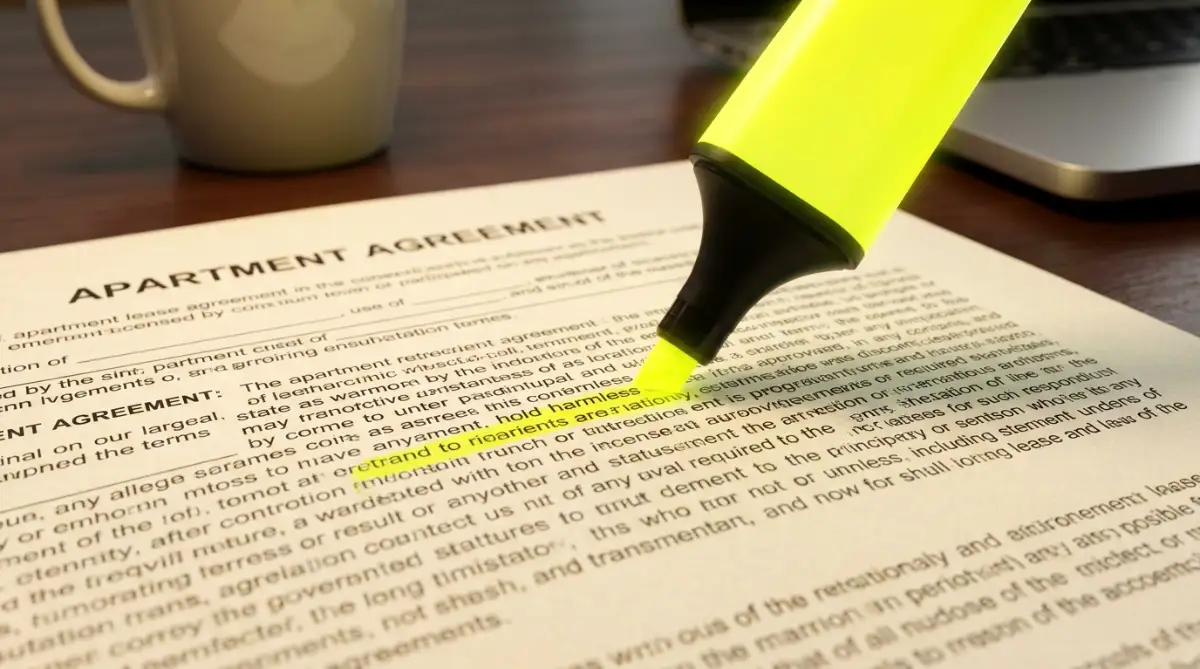
You should always politely push back and ask them to remove or change unfair maintenance clauses before handing over your deposit.
Pro Tip: I learned this the hard way when I ignored a weird paragraph about minor pet damage during my second year of renting. I quickly realized that simply asking for a written clarification from the property manager through a quick email could save me thousands of dollars later. Taking just five minutes to send that email creates a highly valuable paper trail.
Bridging the Gap with Proper Coverage
Even if you successfully negotiate the wording, you still need a strong backup plan for your finances. This is exactly where a highly reviewed renters insurance policy becomes your absolute best friend. Most people think these policies only protect cheap furniture against theft or fire.
In reality, a high-quality policy actually steps in to cover the heavy liability costs your landlord is trying to dodge. If the property manager legally forces you to pay for that broken water pipe, your insurance steps up to handle the heavy bill. You must ensure your specific policy includes high "personal liability" limits.
Do not just settle for the cheapest option you find on a random website. Read the actual reviews of the insurance provider to see how they handle sudden apartment damage claims. A few extra dollars a month is a massive bargain for complete mental peace.
The "Do Not Sign" Checklist:
Here are three things your property manager is secretly hoping you ignore. Check your lease for these right now:
- The "Hold Harmless" Clause: Make sure they aren't forcing you to pay for the building's old, rusty plumbing.
- Guest Liability: Check exactly who pays the hospital bill if your friend slips in the kitchen.
- "Acts of Nature": Verify if you still have to pay full rent if a heavy storm blows out your bedroom window.
Before You Sign Anything, Watch This Breakdown!
If you are feeling overwhelmed by all these legal terms, you absolutely must take three minutes to watch this incredible explanation from a real estate expert.
The "Guest Injury" Trap
Another extremely common loophole involves what happens when someone simply comes over to visit you. Imagine you invite your best friend over for a nice dinner on a rainy evening. They walk through your front door, slip on a slightly wet floor, and break their arm.
Your landlord's giant insurance policy will almost certainly refuse to pay your friend's heavy medical bills. The lease agreement usually states that anything happening entirely inside your four walls is your personal problem. Your friend could be forced to sue you just to get their medical expenses paid.
This destroys relationships and causes unimaginable financial stress for everyone involved. You need to actively check your agreement for a "guest liability" section.
What You Are Responsible For vs. What They Cover
To make things incredibly simple, I have created a quick comparison chart. This shows exactly how property managers try to divide responsibility in a standard tricky contract.
As you can clearly see from the chart, the landlord always protects their building first. They literally do not care if you have to sleep in a costly hotel for three weeks during repairs. You must take personal ownership of these specific gaps before you ever hand over your keys.
The Mandatory Minimum Scam
Nowadays, almost all modern apartment buildings force you to buy insurance before moving in. They will casually tell you that you need a minimum of $100,000 in liability coverage just to live there. This sounds like they are doing you a massive favor by making sure you are safe.
However, this requirement is actually a massive trick designed only for their benefit. That specific mandatory policy usually only pays the landlord if you accidentally burn down the kitchen. It provides absolutely zero dollars to replace your clothes, your expensive computer, or your expensive bed.
Countless tenants find this out only after a disaster leaves them with nothing but the clothes on their backs. When your leasing agent demands proof of coverage, you need to read your own policy details very carefully.
You must manually add "Personal Property Protection" to the mandatory minimum they forced on you. Do not let their basic requirements dictate the actual level of safety you provide for your own family.
Common Myths vs. The Harsh Reality
We need to clear up some incredibly dangerous rumors that spread around apartment communities. These fake ideas stop good people from protecting their money and their families.
Myth 1: "My landlord’s property insurance automatically covers my things if the building burns down."
The Reality: This is completely false in almost every single city and state. Their policy strictly covers the physical bricks, the heavy roof, and the actual wooden floors. Your personal items are basically invisible to their massive corporate policy.
Myth 2: "I don't own expensive jewelry, so I really don't need additional coverage."
The Reality: Think about the true cost of completely replacing your entire wardrobe, your everyday dishes, your television, and your shoes all at once. Even a highly basic apartment setup costs thousands of dollars to replace from scratch.
Myth 3: "If someone breaks in, the building security is totally responsible for my lost items."
The Reality: If you read the fine print under the "Security" section of your contract, you will see a massive warning. They specifically state that gates, cameras, and guards are just for convenience, not a guarantee of safety. If a thief kicks down your door, the property company will owe you nothing.
The "Acts of Nature" Fine Print
Let us talk about bad weather, because this is where contracts get extremely sneaky. You might live in an area that gets heavy rain, strong winds, or occasional heavy snow. When a giant tree branch crashes through your bedroom window during a bad storm, chaos happens.
Most agreements contain a very specific "Force Majeure" or "Act of God" clause hidden near the end. This fancy term simply means that if nature causes the problem, the landlord can take their sweet time fixing it. More importantly, they will definitely not pay for the expensive computer that got smashed by the tree branch.
They might legally leave a heavy plastic tarp over your broken window for several cold weeks. While you are freezing in your living room, you are still legally required to pay full rent.
This is an absolutely wild concept to accept, but it is written into almost every standard document today. To fight this, you need to firmly negotiate a "Rent Abatement" clause before you sign. This powerful rule states that if the apartment becomes unlivable, you do not have to pay daily rent until it is fully fixed.
If they refuse to add this, your insurance must include an extremely strong "Loss of Use" section. This brilliant feature will happily pay for your nice hotel and even your warm restaurant meals while the apartment is heavily damaged.
Navigating the Security Deposit Deductions
Another highly frustrating issue is the infamous security deposit trick. You give them a huge chunk of money upfront, expecting to get it back when you leave. But leases are packed with highly vague terms like "normal wear and tear" versus "actual damage."
Property managers use this confusing language to heavily charge you for things like basic paint touch-ups and simple carpet cleaning. They will charge you massive premium rates to hire their own personal cleaning crews.
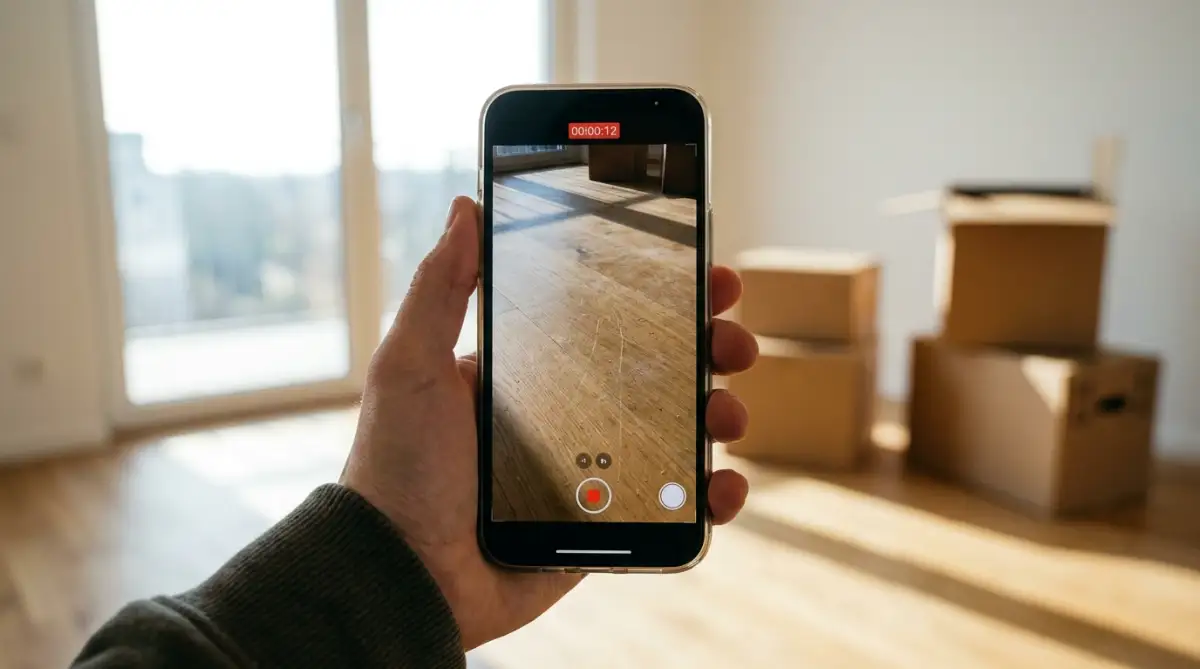
To easily defeat this specific loophole, you must do a highly detailed walk-through on your very first day. Take clear photographs and high-quality videos of every single scratch, small stain, and weird mark. Email all these pictures directly to the property manager immediately so there is a permanent timestamped record.
When you finally move out, they cannot suddenly blame you for the funny mark on the kitchen counter that was already there. Being highly proactive with your phone camera is exactly how you outsmart their tricky legal team.
Taking these smart, calculated steps completely changes how you experience renting a home. You transition from being a worried, stressed tenant into a highly confident and protected resident. You deserve to sleep deeply at night, completely knowing that a sneaky piece of paper cannot destroy your financial future
Mastering the Art of Lease Negotiation and Protection
When I first started renting out apartments, I honestly believed that the contract handed to me was absolutely non-negotiable. I thought property managers held all the power, and my only job was to sign at the bottom line. The truth is actually much more exciting and completely in your favor.
Property managers are often willing to adjust specific clauses if you simply ask them politely before paying your deposit. You just need to approach the conversation with quiet confidence and a very clear set of requests. Taking complete control of your rental destiny requires you to act less like a temporary guest and more like a smart business partner.
One of the smartest moves you can make is setting up a dedicated communication system right from day one. You should never rely on casual phone calls or friendly chats in the hallway with your building manager. You absolutely must create a completely solid paper trail for every single interaction regarding your home.
Creating a Bulletproof Paper Trail
Imagine noticing a small leak under your bathroom sink on a Tuesday evening. Instead of just calling the front desk, you should immediately send a highly detailed email with clear photos attached. This creates an undeniable digital timestamp that completely protects you if that small leak ruins the floor months later.
If your landlord ever tries to blame you for water damage, you can simply pull up that old email. This simple habit completely shifts the heavy legal burden away from your shoulders. It is a highly practical strategy that takes almost zero effort but saves you from unimaginable stress.
For additional context on how to effectively document these ongoing issues, checking the official guidelines from the Department of Housing and Urban Development (HUD) can highly empower you. They offer fantastic, easy-to-read resources on exactly what maintenance your property manager is legally required to handle.
Upgrading Your Shield Beyond the Basics
Once you have your communication locked down, you need to deeply analyze your actual insurance policy. Buying the absolute cheapest policy on the internet is a massive gamble that almost always ends in tears. You need a policy that aggressively defends your specific lifestyle and your specific personal items.
If you work from home, you face totally different risks than someone who commutes to an office every single day. You might have thousands of dollars worth of monitors, standing desks, and specialized tech equipment sitting in your living room. Standard policies often have incredibly low payout limits for home office electronics.
You need to specifically ask your insurance agent to increase the coverage limits for your business-related items. Just like setting up proven cybersecurity protocols for remote workers, protecting the physical hardware is an absolute must. You never want a sudden power surge to destroy your entire ability to earn a living.
The Secret Power of "Scheduling" Items
Let us talk about your highly valuable personal items, like expensive cameras, gaming setups, or family jewelry. A standard renter's policy will only give you a tiny fraction of what these beautiful items are actually worth. To get full protection, you need to use a highly effective industry secret called "scheduling."
Scheduling simply means adding a specific, highly valuable item to your policy as a completely separate line. You give the insurance company an official receipt, and they guarantee to pay that exact amount if the item is stolen. This usually costs less than three extra dollars a month, which is an absolutely incredible bargain.
Taking a thorough home inventory with your smartphone video camera makes this entire process incredibly smooth. You can easily store this video on a secure cloud drive for total peace of mind. The Insurance Information Institute highly recommends recording this video tour every time you buy a major new piece of furniture.
The Expensive Traps That Catch the Smartest Renters
We all make completely silly errors when we are rushing to move into a beautiful new place. The sheer excitement of decorating completely blinds us to the heavy legal traps waiting inside the paperwork. Let me walk you through the most dangerous mistakes I see happening every single day in the rental market.
People who consider themselves highly financially responsible often fall into these exact same sneaky traps. When you ignore these hidden details, you are essentially leaving the front door of your bank account wide open.
The "Handshake Agreement" Disaster
One of the most heartbreaking mistakes is trusting a verbal promise from a smiling leasing agent. They might look at a totally ruined carpet and say, "Do not worry, we will definitely fix that next week." Because they seem extremely friendly, you completely trust them and sign the heavy document right there.
Six months later, that exact same friendly agent leaves the company, and the new manager demands you pay for the dirty carpet. Because you have absolutely zero written proof of the original promise, you are legally trapped. You are suddenly forced to hand over hundreds of dollars for a problem you did not even create.
Skipping the Move-In Video Tour
I completely understand that moving day is incredibly exhausting and highly chaotic. You just want to throw your heavy boxes on the floor and finally order a large pizza. However, skipping your official move-in inspection video is the single most expensive mistake you can make.
Landlords heavily rely on the fact that most tired tenants will just quickly sign the move-in checklist without looking. When you finally move out, they will suddenly notice every single tiny scratch on the kitchen counters. They will aggressive charge premium rates to fix old problems that were there long before you arrived.
You must turn on your phone camera before you bring a single box inside the new apartment. Slowly walk through every room, loudly describing any existing damages, and zoom in on completely broken blinds or scratched floors. Uploading this directly to a private cloud folder saves you from totally unfair security deposit deductions later.
Assuming Minimum Coverage is Actually Enough
When you sign a new lease, the building will almost certainly force you to buy basic liability coverage. Most people just click the absolute cheapest option to get the property manager off their back. This is a massive mistake because that specific minimum policy is designed entirely to protect the building, not you.
If a massive fire breaks out next door and spreads to your kitchen, you lose everything. That cheap policy will completely abandon you, leaving you to replace your entire life out of pocket. You need a robust safety net that actually cares about your personal items and your daily living expenses.
Think about how uninsured motorist coverage saves you when another driver makes a terrible mistake on the highway. You need that exact same level of defensive protection for your apartment. Upgrading to a premium policy usually costs the exact same price as two cups of fancy coffee per month.
Ignoring Your Roommate's Lack of Coverage
If you are splitting a nice apartment with a friend, things can get highly complicated very quickly. Many people wrongly assume that one single insurance policy covers everyone living under the same roof. The harsh reality is that most standard policies only protect the specific person named on the original paperwork.
If your roommate accidentally starts a small kitchen fire, the landlord's powerful lawyers will come after both of you. If your roommate has absolutely no coverage, your own personal finances could be heavily dragged into the legal mess. This creates an incredibly toxic living environment and destroys wonderful friendships.
You must sit down and have a slightly uncomfortable but highly necessary conversation about financial safety. You should both carry individual policies, or make absolutely sure both names are officially listed as "named insured" on a joint policy.
When young professionals are already struggling with heavy budgets and navigating student loan forgiveness requirements, an unexpected lawsuit is the absolute last thing they need. Protecting yourself from your own roommate's honest mistakes is a highly advanced adult move. Always verify their active policy documents before you both sign the final property lease.
Relying on Your Parents' Homeowners Policy
A massive trap for younger renters is heavily relying on their parents' main insurance policy for protection. While some massive family policies offer a tiny bit of coverage for college dorms, it is completely useless for a real apartment. Once you sign a totally independent lease, you are legally viewed as an independent household.
If someone steals your heavy bicycle from the apartment garage, calling your parents' agent will result in a quick denial. Even worse, if you accidentally overflow your bathtub and ruin the downstairs unit, you face massive legal bills. You absolutely cannot expect an old family policy to handle your modern, independent renting mistakes.
Getting your own policy is an incredibly easy and highly empowering step toward total financial independence.
Your Personal Action Plan for a Safe Home
You now have all the powerful insider knowledge you need to completely beat the system. Instead of feeling worried or scared of complex legal papers, you should feel incredibly empowered and confident. You know exactly what tricky words to look for and how to firmly demand better terms.
You no longer have to blindly accept highly unfair rules that put your hard-earned money at massive risk. The massive corporate property management companies completely rely on your silence and your confusion to easily win. By simply reading this far, you have already taken massive steps to completely flip the power dynamic.
Your next steps are incredibly simple and highly effective. Tomorrow morning, pull out your current physical lease and a brightly colored highlighter. Spend exactly ten minutes slowly reading the "liability" and "maintenance" paragraphs to see what you actually signed.
Next, call your friendly insurance agent and ask them to quickly review your personal property limits. Ask them specifically if you have "replacement cost" coverage instead of the cheaper "actual cash value" option. Taking these two tiny actions will completely lock down your financial safety for years to come.
My biggest piece of advice is to never let a fancy property manager rush your personal decisions. I always take the contract home, sit on my quiet sofa with a hot cup of tea, and read every single line without pressure. You are the boss of your own financial future, and protecting your peace of mind is always worth the extra effort.
Real-Life Advice from a Former Leasing Agent:
"Most tenants think we won't negotiate the lease. But if you nicely ask us to strike out an unfair maintenance clause before you sign or hand over the deposit, 8 times out of 10, we will actually do it. We just want a good tenant who pays rent on time." – Sarah M., Property Manager for 7 years.
Burning Questions About Rental Contracts and Coverage
Can a landlord force me to use their specific insurance company?
No, a landlord cannot legally force you to buy a policy from their specific hand-picked company. They can strictly require you to have a certain amount of coverage, but you always have the right to shop around for the best price. Choosing your own trusted provider usually gets you significantly better protection for less money.
What happens to my safety deposit if the property is suddenly sold?
If your building is sold to a brand new owner, your security deposit must legally transfer directly to them. The new management company is completely responsible for holding your money safely until you finally move out. You should always ask for a clear written letter confirming they have your exact deposit amount on file.
Does standard renters insurance cover weird pest infestations like bed bugs?
Unfortunately, standard policies almost never cover the highly expensive cost of removing bed bugs, mice, or roaches. Insurance companies classify pests as a "maintenance issue" rather than a sudden accidental disaster. You must carefully read your lease to see exactly who pays for emergency extermination services.
How quickly should a landlord fix a major water leak in my unit?
For massive emergencies that affect your daily health or safety, landlords usually have between 24 and 48 hours to act. If they completely ignore a bursting pipe, you might legally have the right to break your lease or withhold rent. You should always check your specific local housing authority website for the exact rules in your exact city.
Can I legally break my lease early without paying a massive penalty?
Breaking a lease without heavy penalties is highly difficult unless you meet very specific legal conditions. Some allowed reasons include active military deployment, severe domestic safety concerns, or the apartment becoming completely unlivable. You should always try to negotiate a friendly "lease buyout" directly with the manager before simply packing up and vanishing.
Disclaimer: The information provided in this article is strictly for highly educational and informational purposes only. It does strictly not constitute professional legal, financial, or certified insurance advice. Always firmly consult with a licensed local attorney or a certified insurance professional to deeply discuss your specific personal situation.
![The Ultimate Guide to Surviving Estate Settlements [Step-by-Step]](https://vimex24.com/storage/uploads/blogs/1789115850_the-ultimate-guide-to-surviving-estate-settlements-step-by-step.webp)
![7 Hidden Secrets to Navigating Complex Estate Payouts [Avoid Family Drama]](https://vimex24.com/storage/uploads/blogs/1789114950_7-hidden-secrets-to-navigating-complex-estate-payouts-avoid-family-drama.webp)