
The Day My Car Insurance Bill Made Me Cry: My Real-Life Money Struggle
I opened my inbox last week, saw my new car insurance bill, and actually laughed out loud. Not a happy laugh, but a "you have got to be kidding me" laugh. The price jumped up again, and my budget was already stretched thin. If you are sick of watching your hard-earned cash disappear into your insurance company's pockets every month, you are in the right place. I am going to show you the exact button you can push to lower that monthly payment today, without putting your family at risk.
I had no idea how I was going to pay an extra fifty dollars every single month. I sat at my kitchen table, stared at my cold coffee, and felt completely helpless. It was a stressful moment that forced me to finally understand how car insurance actually works.
So many of us are living paycheck to paycheck these days. Every single dollar matters when you are trying to buy groceries, pay rent, and keep gas in your tank. When unexpected bills like auto insurance go up, it feels like the air is sucked right out of the room. You start worrying about which bill you have to skip just to keep your car legal on the road.
This constant money worry can ruin your sleep and steal your daily peace of mind. It makes you feel like you are trapped in a system designed to take your hard-earned cash. You look at your insurance policy, and it looks like a foreign language with confusing words and numbers.
Many drivers just pay the high rate because they are too scared or too tired to fight it. They worry that trying to lower their bill might leave them unprotected if a bad accident happens. It is a terrible choice between saving money today and staying safe tomorrow. This struggle is real, and it is happening in millions of households right now.
I know exactly how scary it is to feel like you are throwing money away while trying to protect your family. You deserve to feel in control of your money, not controlled by your bills. Let us take a deep breath and look at the actual math behind your auto insurance policy. There is one simple dial you can turn right now to change your monthly payment.

What We Are Covering Today (The Short Version)
- How changing one single number on your policy drops your monthly bill.
- Why paying a cheaper monthly premium means you take on more risk yourself.
- The exact math to figure out if raising your deductible is a smart move for your bank account.
- Why you should never file a claim for tiny scratches or small dents.
How Your Deductible Acts as a Money-Saving Dial
An insurance policy can seem complicated, but it is actually built on a very simple balance. This balance is between what you pay now out of your pocket and what you pay later if something bad happens. Once you understand this balance, you hold the key to lowering your monthly bills.
The Simple Definition of an Insurance Deductible
A deductible is the amount of money you agree to pay yourself before your insurance company pays a single penny for repairs [1]. For example, if you get into a fender bender and the damage costs $1,200 to fix, you do not just hand the bill to your insurance company.
If you have a $500 deductible, you must pay that $500 directly to the repair shop [1]. Your insurance company will then pay the remaining $700 of the bill [1]. It is basically your share of the risk in any accident.
If your repairs cost less than your deductible, you pay the whole bill yourself. For instance, a $300 dent with a $500 deductible means the insurance company pays nothing. Understanding this detail is very important before you make any changes to your policy.
Real-Life Math Check
Let us say your bumper gets scratched in a parking lot. The body shop wants $400 to fix it.
- Your Deductible: $500
- Insurance Pays: $0
- You Pay: $400 out of pocket.
- Bottom line? Never file a claim if the repair cost is lower than your deductible. You will just end up with a higher monthly bill next year for no reason at all.
The Hidden Link Between Your Deductible and Your Premium
Your premium is the regular monthly fee you pay just to keep your insurance active [1]. Think of your premium and your deductible as two kids on a seesaw. When one goes up, the other naturally goes down.
If you choose a low deductible, like $250, the insurance company has to pay more if you have an accident. Because they are taking on more risk, they will charge you a much higher monthly premium. You are paying for peace of mind in small monthly installments.
On the other hand, if you choose a high deductible, like $1,000, you are taking on more of the financial risk yourself. Because the insurance company will pay less during a claim, they reward you with a much lower monthly premium. This is the exact dial you can turn to instantly put cash back in your monthly budget.
The Premium vs. Deductible Seesaw

How to Calculate Your Perfect Balance
Finding the sweet spot between these two numbers is where most drivers get confused. You do not want to set your deductible so high that a small accident ruins you financially. But you also do not want to pay a massive monthly premium for coverage you might never use.
Before you make any changes to your policy, watch this simple video. It visually explains the exact math of how deductibles impact your monthly budget so you can make the smartest choice today.
https://youtu.be/J9jOUjkCcX0?si=nzfCunZtTez2mfLE
Busting the Biggest Deductible Myths
Many people make bad insurance choices because they believe common rumors. Let us clear up some of this confusion so you can make decisions based on real facts.
Myth 1: A Higher Deductible Means You Get Less Coverage
This is completely false but very common. Your deductible has absolutely nothing to do with how much total protection your policy offers.
If you have a $100,000 coverage limit, that limit stays exactly the same whether your deductible is $250 or $1,000. The only thing that changes is who pays the first few hundred dollars of a claim. Your safety net remains fully intact.
Myth 2: You Must Pay Your Deductible Every Month
Some drivers worry that the deductible is a hidden monthly fee. This is a big misunderstanding.
You only pay your deductible when you actually file a claim for damage to your car [1]. If you go five years without an accident, you will never pay that deductible amount during those five years. You only pay your regular monthly premium.
Myth 3: Deductibles Apply to Every Single Type of Claim
Not all insurance claims require you to pay a deductible. For example, if you hit another car and it is your fault, your liability insurance covers their repairs.
Liability coverage almost never has a deductible. You only pay a deductible for damage done to your own vehicle under collision or comprehensive coverage [1].
A Step-by-Step Guide to Choosing the Right Deductible
Now that you know how the system works, let us walk through a simple process to find your perfect number. You do not need a degree in finance to figure this out.
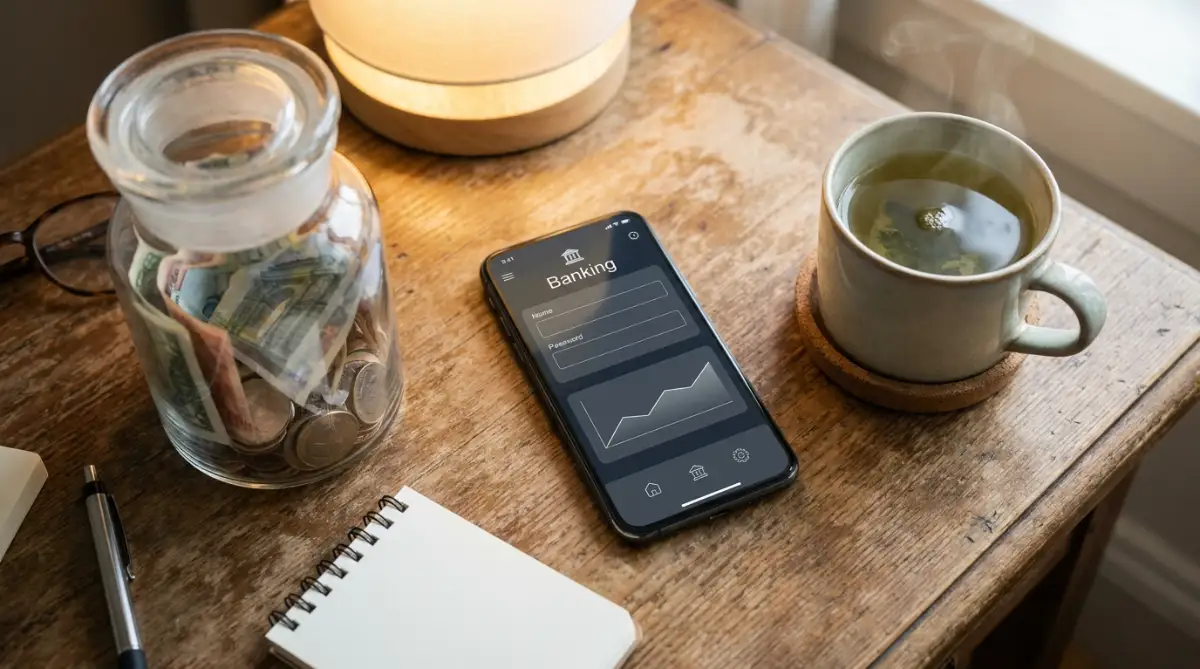
Step 1: Look at Your Current Emergency Savings
Before you raise your deductible to save money on your monthly bill, check your bank account. Ask yourself a very honest question.
If your car broke down tomorrow, could you easily write a check for $1,000? If the answer is no, then a $1,000 deductible might be too risky for you right now.
It is better to pay a slightly higher monthly premium than to get stuck with a broken car you cannot afford to fix. Your deductible should always match the cash you can access quickly.
My Pro Tip: When I first raised my deductible to one thousand dollars, I forgot to actually save that cash in an emergency fund. When a small dent happened, I had to pay out of my own pocket, which caused major stress. Always make sure you actually have your deductible amount sitting safely in your bank account before you raise it.
Step 2: Calculate Your Break-Even Point
Let us do some simple math to see if raising your deductible is actually worth it. Call your insurance agent or log into your online account to check your options.
Ask them how much your monthly premium would drop if you raised your deductible from $500 to $1,000. Let us say they tell you it will save you $15 every month.
That means you are saving $180 every year. Now, divide the $500 difference in deductibles by your yearly savings of $180.
This calculation shows it will take about 2.7 years of accident-free driving to break even. If you are a very safe driver who rarely gets into accidents, this is an excellent deal.
Step 3: Evaluate Your Daily Driving Habits
Your daily routine plays a huge role in your overall accident risk. Think about where you drive and how often you are on the road.
Do you have a long, stressful highway commute in heavy traffic every day? Or do you work from home and only drive a few miles to the local grocery store?
If you are on crowded roads every day, your chances of a minor accident are much higher. In that case, keeping a lower deductible might save you money in the long run.
If your car spends most of its time parked safely in a private garage, raising your deductible is a much safer bet. Match your policy to your actual lifestyle.
Step 4: Check the Value of Your Vehicle
The age and condition of your car should directly influence your deductible choice. Cars lose value quickly over time.
If you drive an older vehicle that is only worth $3,000, having a $1,000 deductible might not make sense. If you get into a moderate accident, the insurance company will likely declare the car a total loss.
After subtracting your high deductible, your payout would be very small. For older cars, it is often smart to raise the deductible or drop collision coverage completely to save maximum cash.
Step 5: Put Your Monthly Savings on Autopilot
If you decide to raise your deductible, do not just spend the extra money you save each month on takeout food. Instead, use those savings to protect yourself.
Set up an automatic transfer of that saved money into a separate savings account. If you save $20 a month, let that money grow quietly in the background.
In less than two years, you will have saved enough to cover your higher deductible if you ever get into an accident. This smart strategy gives you the best of both worlds: low monthly bills and complete financial safety.
Smart Tactics to Maximize Your Monthly Savings
Choosing a high deductible is a great first step to lower your premium. However, you can use several other advanced methods to squeeze even more savings out of your policy. Let us explore these pro-level secrets so you can keep more money in your wallet.
Stacking Your Policies for Double Savings
First, you should consider combining multiple types of coverage with the same insurance company[1]. This is commonly known as bundling, and it can save you up to twenty percent on your bills[2]. For example, you can combine your car policy with your home or renters coverage[1].
Before you bundle your home and auto policies, it is smart to make sure your house is in great condition. Just like you would spot house-wrecking structural flaws before buying a home, you must examine your property value to get the best insurance rate. Insurance companies always look at your overall risk profile before offering discount packages.
When you bundle, insurance companies see you as a loyal, low-risk customer. This loyalty gives you extra leverage to ask for a lower deductible without raising your monthly rate. It is an easy win-win situation for your personal budget.
Embracing Telematics and Smart Car Technology
Many modern insurance companies now use advanced tracking devices to monitor your driving habits[2]. These tiny devices or smartphone apps track how fast you drive, how hard you brake, and when you travel[2]. If you prove that you are a safe driver, you can get massive discounts[1].
Many modern insurance companies now use advanced tracking devices to monitor your driving speed and braking habits. If you want to know how software processes this level of complex tracking, you can read our deep guide on how machines understand language and data. This technology makes it easier for companies to reward good habits.
Adjusting Your Mileage Limits and Commute Details
Another secret is to update your annual mileage report regularly[3]. Many drivers commute much less than they used to, especially with the rise of remote work. If you drive less than the average person, you represent a much lower risk of getting into a collision.
Call your agent and ask them to update your policy with your actual driving mileage[1]. Dropping your annual mileage estimate can instantly lower your monthly premium. You can also research resources on the Consumer Financial Protection Bureau to find rules about fair insurance pricing based on usage.
Keeping your mileage accurate ensures you do not pay for coverage you do not actually need. It is a simple, quick phone call that can save you hundreds of dollars over time. Combine this with a higher deductible, and your savings will grow even faster.
How Clean Records Help You Lock in Low Rates
Your driving record is the single most important factor that insurers use to set your premium rate[3]. A history of speeding tickets or small fender benders will make your rates skyrocket[3]. By driving defensively and keeping your record clean, you keep your premiums naturally low[1].
If you have a clean driving record, you can easily afford to take on a higher deductible[1]. You are betting on your own safe habits to avoid paying that out-of-pocket cost. This strategy allows you to enjoy the lowest possible monthly premium for years to come.

Blind Spots That Could Cost You Thousands
While adjusting your deductible can save you money, making hasty decisions can lead to serious financial trouble. Many drivers fall into common traps because they only focus on the monthly payment. Let us look at the most dangerous mistakes you should avoid.
Falling Into the High Deductible Trap Without Cash
The biggest mistake you can make is setting a deductible that you cannot actually afford to pay. It is easy to get excited about saving forty dollars a month on your premium. However, if you get into an accident and cannot afford the $1,000 deductible, your car will sit in the shop unrepaired.
This situation can cause you to miss work, lose your income, and face extreme mental stress. Never treat your deductible as a paper-only number that you will worry about later. It must represent real money that is sitting safely in your bank account today.
If you do not have emergency cash saved up, stick to a lower deductible for now. You can slowly save money over time until you have enough to cover a larger deductible. Only then should you call your agent to make the official switch.
Failing to Check Your State's Insurance Laws
Every state has its own specific rules and regulations regarding auto insurance policies[4]. Some states limit how high your deductible can be for certain types of coverages. Others might have specific programs that wave deductibles for windshield repairs[5].
If you do not know your local laws, you might be missing out on valuable cost-saving opportunities. You can easily find these local rules on the National Association of Insurance Commissioners (NAIC) website or your state's department of insurance portal[6]. Knowing your rights can keep you from overpaying for basic coverage.
Do not assume that an insurance policy in one state works the same way in another. If you move across state lines, review your deductible options immediately. This simple check can save you from unexpected surprises during a claim.
Filing Small Claims That Raise Your Rates
Another common mistake is filing an insurance claim for very minor damage[6]. If your deductible is $500 and the repair bill is $600, it is highly tempting to file a claim to get that $100 back. However, this is a very bad long-term financial decision.
Filing any claim, no matter how small, goes onto your permanent insurance history report[3]. Your insurance company will likely increase your monthly premium at your next renewal[3]. You might end up paying thousands of dollars in extra premiums over the next three years just to get a quick $100 payout.
As a general rule, only file a claim if the damage is significantly higher than your deductible. Pay for minor scratches and dents out of your own pocket whenever possible. This smart habit keeps your insurance record clean and your monthly rates low.
Overlooking Deductibles on Older Vehicles
Many drivers keep collision and comprehensive coverage on cars that are over ten years old. If your vehicle is only worth $1,500 and you have a $1,000 deductible, you are practically uninsured. In a bad accident, the most you could ever receive from a claim is a tiny $500 check.
You are paying a high monthly premium for almost no actual financial protection. Take a close look at the current market value of your vehicle using online valuation tools. If your car is worth very little, consider dropping collision coverage entirely[1].
This move will instantly lower your premium without leaving you exposed to massive financial losses. You can then put those monthly savings directly into a fund to buy your next vehicle. It is all about being practical with your hard-earned cash.
The "Drop It" Checklist for Older Cars
Are you wondering if you should cancel your collision coverage entirely? Check these three boxes first:
- Is your car fully paid off? (You do not have an auto loan).
- Is the car over 10 years old?
- Is the total market value of the car under $3,000?
- If you said yes to all three, you are likely wasting your money paying for collision coverage. Drop it and keep that extra cash!
Your Roadmap to Low Premiums and Peace of Mind
Managing your auto insurance does not have to be a source of constant stress. By taking a few simple, calculated steps, you can find the perfect balance that fits your monthly budget. Let us look at a simple action plan you can start using today.
Step-by-Step Action Plan for Tomorrow
First, log into your auto insurance account and write down your current deductible and premium numbers. Next, use the online quote tool to see how your monthly bill changes with different deductible levels. This quick comparison will show you exactly how much money you can save instantly.
Second, check your emergency savings to ensure you have enough cash to cover a higher deductible if you make the switch. If you do not have the cash, set up a small savings goal of fifty dollars a week until you reach your target. Once that cash is safe in your bank account, you can confidently raise your deductible.
Finally, call your insurance agent at least once a year to ask for new discounts and review your mileage[1]. Rates change constantly, and staying proactive ensures you never pay more than necessary[1]. You are the boss of your own financial future.
Simple Steps to Keep Your Insurance Budget Balanced
- Review Your Policy Annually: Always check if your driving habits or commute distance have changed[1].
- Match Your Savings to Your Risk: Never set a deductible higher than the cash in your emergency fund.
- Avoid Small Claims: Pay for minor repairs yourself to keep your premium rates low and your record clean[6].
- Drop Unnecessary Coverage: Evaluate older vehicles to see if keeping collision coverage is still worth the cost[1].
- Ask for Safe Driver Discounts: Use telematics or safe driving courses to lower your monthly costs even more[1][2].
A Helpful Guideline for Your Peace of Mind
Taking control of your auto insurance is one of the easiest ways to improve your monthly cash flow. It does not require complex financial knowledge, just a little bit of time and attention. By understanding the simple relationship between deductibles and premiums, you can save hundreds of dollars every single year.
I used to dread opening my insurance bills because I felt completely powerless against the rising costs. Once I took the time to understand this simple math, I managed to save enough money to finally build a real emergency fund. You have the power to make the exact same change for your family today.
Answers to Your Top Questions About Auto Insurance Deductibles
What happens if I cannot pay my deductible after an accident?
If you cannot pay your deductible, the repair shop will usually refuse to release your vehicle until you pay them your share of the bill[4]. The insurance company only pays their portion directly to the shop, leaving you responsible for the rest[4]. This is why it is extremely important to choose a deductible that matches your actual savings.
Can I have different deductibles for different types of coverages?
Yes, you can choose different deductible amounts for collision and comprehensive coverages on the same policy[5]. For example, many drivers choose a higher deductible for collision because accidents are less common, but keep a lower deductible for comprehensive coverage to protect against storm damage or theft[5]. This flexibility allows you to customize your policy to fit your specific worries.
Does a zero-deductible car insurance policy exist?
Yes, some insurance companies offer zero-deductible policies, but they come with a very high monthly premium. You are essentially paying for your repairs in advance through your expensive monthly bills. For most drivers, choosing a moderate deductible is a much more cost-effective choice in the long run.
Will my deductible drop over time if I do not get into accidents?
Some insurance companies offer a special feature called a vanishing deductible. For every year you drive safely without an accident, they will reduce your deductible by a set amount, like one hundred dollars. This is a great perk that rewards safe driving habits while keeping your monthly premiums low.
Disclaimer
This article is for informational and educational purposes only. Auto insurance rules, regulations, and pricing structures vary greatly depending on your specific location, driving history, and insurance provider[
![The Ultimate Guide to Surviving Estate Settlements [Step-by-Step]](https://vimex24.com/storage/uploads/blogs/1789115850_the-ultimate-guide-to-surviving-estate-settlements-step-by-step.webp)
![7 Hidden Secrets to Navigating Complex Estate Payouts [Avoid Family Drama]](https://vimex24.com/storage/uploads/blogs/1789114950_7-hidden-secrets-to-navigating-complex-estate-payouts-avoid-family-drama.webp)