My Shocking Awakening: The True Cost of Owning an EV
When I bought my first electric car, I honestly believed I was done with mechanics forever. No oil changes, no spark plugs, and no messy fluids made it feel like a cheat code for saving money. But after three years of daily driving, a flashing dashboard warning light woke me up to the real, hidden maintenance costs of owning an EV.
But three years later, a strange dashboard light started flashing. That single flashing light changed my whole perspective on electric car upkeep. I realized I was completely unprepared for the real expenses hidden beneath the hood.
The sales representative at the dealership promised me that EVs were practically maintenance-free. I believed every word because it sounded so logical and simple. Now, I know that there is a big difference between sales talk and real ownership.
Many new EV owners feel this exact same confusion every single day. You buy a clean car to save money, but instead, you end up staring at forums late at night. The fear of a dead battery pack hangs over your head like a dark cloud.
You wonder if a single repair bill will wipe out all your fuel savings. This constant worry ruins the joy of driving a clean, modern machine. It makes you feel trapped in a system where traditional mechanics cannot help you.
Most local repair shops do not have the tools or training to touch high-voltage systems. This forces you to go back to expensive dealerships where you pay premium prices. The mental stress of range anxiety and repair cost fear is real, and it hurts your peace of mind.
Before You Scroll: My Quick EV Upkeep Reality Check
- Tires Wear Out Faster: Because EVs are incredibly heavy and have instant torque, they eat through tires up to 30% faster than standard gas cars.
- Use Your Physical Brakes: Relying 100% on regenerative braking can cause your actual brake calipers to rust and seize. Have them cleaned and lubricated once a year.
- Set a 80% Daily Charging Limit: Keeping your battery between 20% and 80% is the easiest way to prevent chemical degradation and preserve range.
- The Coolant Is Crucial: EV battery coolant is non-conductive and highly specialized. If you see a warning light or a pink or blue puddle under your car, get a certified technician to service the system immediately.
The Heavy Truth About EV Tires and Weight
Electric vehicles are much heavier than gas cars because of the massive battery packs. This extra weight puts a constant strain on your tires every time you accelerate or stop. Because of this, you will find yourself buying new tires much sooner than you think.
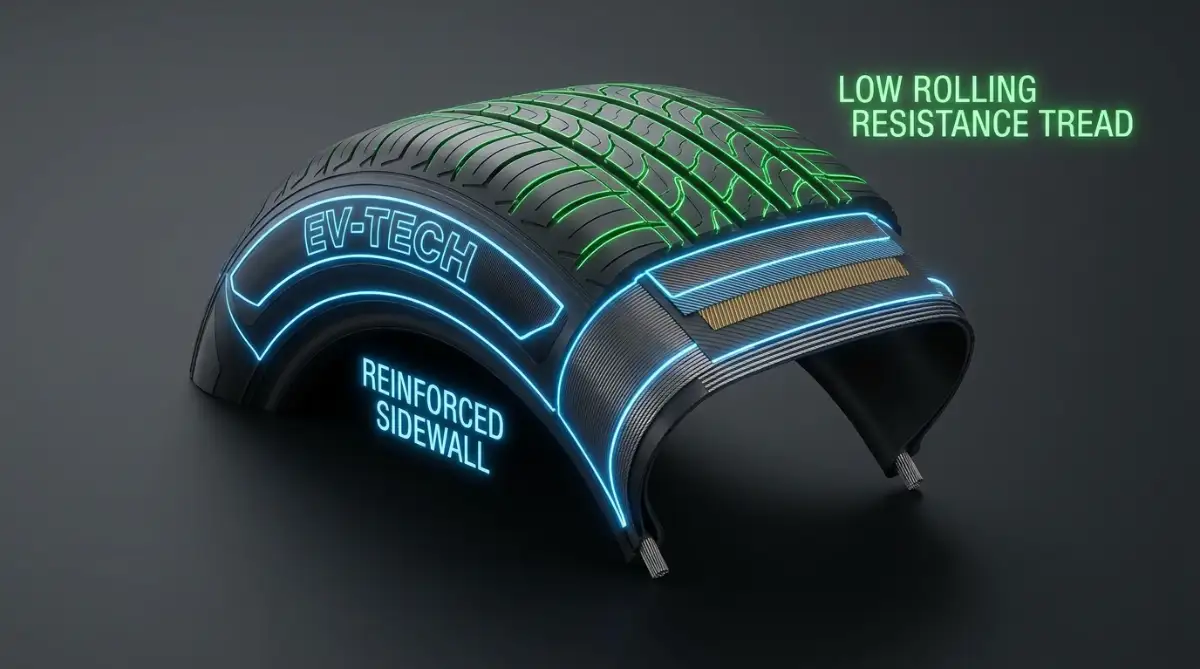
Most standard tires are not designed to handle the instant torque of an electric motor. You need to purchase specialized EV tires that have reinforced sidewalls and special rubber compounds. These specialized tires are significantly more expensive than standard car tires.
I used to think my EV tires would last forever because there was no engine vibration. In reality, I wore out my first set in just fifteen thousand miles because I kept accelerating too fast. Keep your foot light on the pedal to save your tread and your wallet.
My 3-Year EV Tire Cost Log (Real-World Numbers):
- Factory-Installed Tires: Lasted only 16,500 miles. Total Replacement Cost: $950 (OEM EV-specific tires).
- Replacement Set (Premium EV-specific): Currently at 22,000 miles with 5/32" tread left. Expected lifespan: 32,000 miles.
- The Lesson: Keep your tire pressure at exactly 42 PSI (check your door sticker) and stop flooring it at green lights. Instant torque is fun, but it literally shreds your rubber.
The Battery Pack and Lifespan Realities
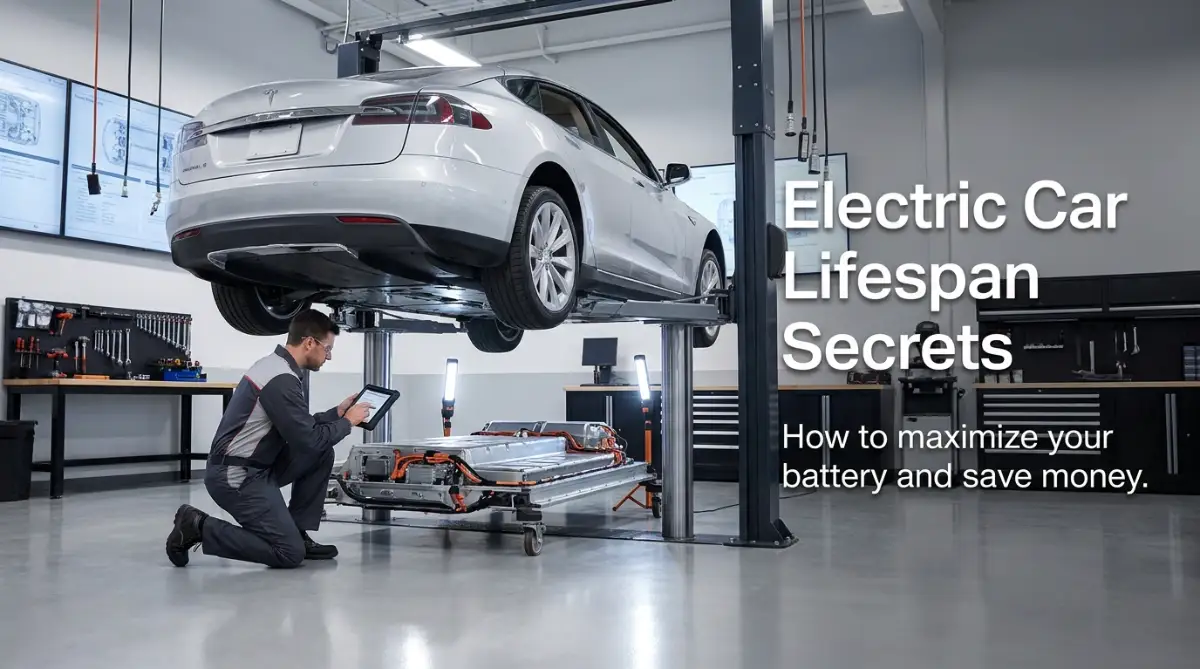
Everyone worries about the battery pack dying and costing thousands of dollars to replace. While complete battery failure is rare, gradual degradation is a scientific reality. Your battery will slowly lose its ability to hold a full charge over time.
This degradation happens because of chemical reactions inside the lithium-ion cells. Hot weather, fast charging, and leaving your car at one hundred percent charge speed up this process. You can protect your battery by keeping the charge level between twenty and eighty percent.
Thermal Management and Liquid Coolant
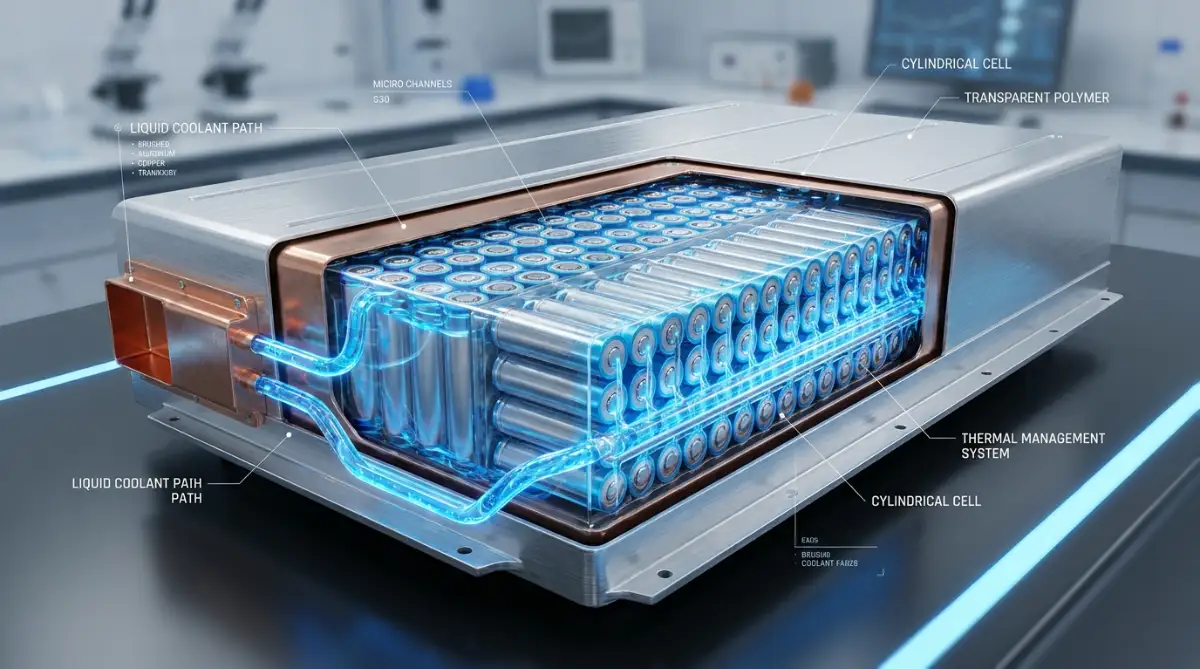
Electric car batteries need to stay at a stable temperature to work efficiently and last long. To do this, EVs use a complex liquid cooling system with pumps, hoses, and radiators. This coolant does not last forever and must be serviced periodically.
If you ignore the coolant, your battery can overheat and degrade at a rapid pace. Replacing this specialized coolant requires special diagnostic tools to bleed air from the high-voltage system. This is not a job you can easily do in your own driveway.
The High-Voltage Cooling Service Explained
Want to see exactly how an EV cooling system works and why neglecting it could destroy your battery pack? Watch this breakdown video to save yourself a massive dealership bill.
[Insert YouTube Video Link Here]
Watching that process shows you how delicate these systems really are. It is not just about pouring fluid into a plastic tank. It requires precision and professional knowledge to keep the battery safe.
Brakes, Rust, and Regenerative Braking Savings
One of the best features of an electric car is regenerative braking. When you lift your foot off the pedal, the motor slows the car down and generates electricity. This process saves your brake pads from wearing out quickly.
Many EV owners go over seventy thousand miles without ever needing new brake pads. However, this creates a different problem that many people do not expect. Because the physical brakes are rarely used, they can rust and seize up.
Moisture builds up on the brake discs and calipers over time. Without regular friction to clean them off, the brakes can become stiff and noisy. You must have your brakes cleaned and lubricated regularly to prevent this issue.
My Quick "DIY Squeak Test" for EV Brakes:
- Find a safe, empty road or an open parking lot.
- Accelerate the car up to about 30 MPH.
- Shift your EV into Neutral (this temporarily disables the regenerative braking system).
- Gently press the physical brake pedal a few times to scrub the rotors.
If the scraping noise goes away, it was just light surface rust. If the grinding noise persists or your car pulls to one side, your brake calipers might be seizing up from underuse.
Hidden Cabin Filters and Fluid Checks
You do not have engine oil, but you still have other fluids to worry about. Your electric car uses gear reduction fluid to keep the electric motor running smoothly. This fluid must be checked and changed according to the manufacturer's schedule.
Additionally, the cabin air filter keeps the air inside your car clean and safe. Because EVs are so quiet, you will notice any strange smells or fan noises immediately. Changing the cabin filter is a cheap task that keeps your air fresh.
Comparing Gas vs. EV Scheduled Maintenance
To make things easy, here is a quick look at how scheduled upkeep compares between the two types of cars.
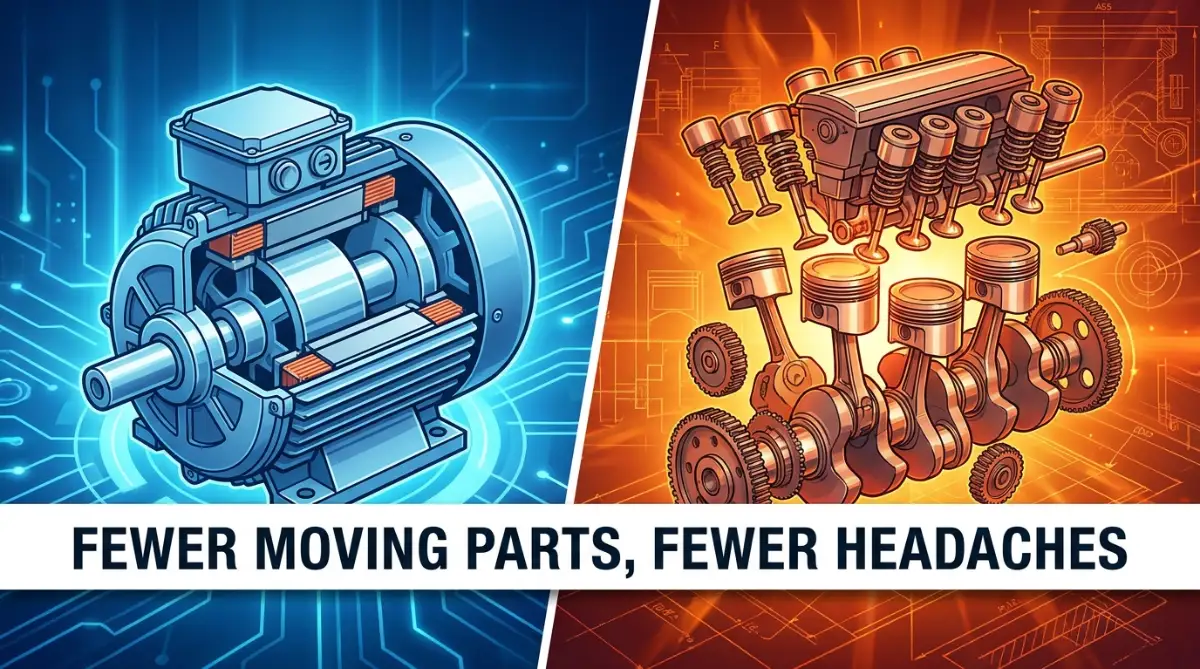
This comparison shows that EVs have fewer moving parts, but the parts they do have require careful attention. You cannot simply ignore your vehicle and expect it to run perfectly. Proper planning will save you from major financial surprises.
Suspension and Steering Under Heavy Loads
The suspension system of a car dampens the bumps and holes in the road. Because electric cars are heavy, the shocks and struts work much harder. Over time, these parts will wear out and lose their bounce.
You might notice your ride becoming bumpy or noisy when driving over speed bumps. Replacing suspension components on an EV can be more expensive due to specialized parts. Regular inspections help catch these issues before they ruin your ride comfort.
The Reality of Software Updates and Diagnostics
Modern electric vehicles are essentially computers on wheels. They rely on complex software to manage battery life, power delivery, and safety systems. Sometimes, these systems crash or require updates to function correctly.
While some updates happen over the air, others require a trip to the dealer. Diagnostic fees for computer issues can be very high because they require specialized software. This is an expense that gas car owners rarely have to face in the same way.
The Cost of Specialization
When something goes wrong with an EV computer, you cannot fix it with a basic scanner. Mechanics need special training and certifications to work on high-voltage lines. This limited supply of workers drives up the hourly labor rate.
You should always check if your local mechanic is certified to work on your specific model. Finding a good independent shop can save you up to fifty percent compared to dealer rates. It pays to do your research before an emergency happens.
Myth vs. Reality: The True Five-Year Cost Breakdown
Let us look at a common myth: "EVs cost nothing to maintain for the first five years." While you will save money on gas and oil, you still have real expenses. Tires, cabin filters, wiper blades, and brake cleanings add up over time.
In the first year, your costs will likely be very low. You might only need to pay for tire rotations and cabin air filters. This makes the car feel incredibly cheap to run.
By the third year, however, you will likely need a new set of tires. This single purchase can cost hundreds of dollars, catching many owners off guard. You may also need to flush the brake fluid to keep the system safe.
By the fifth year, some models require a coolant flush for the high-voltage system. This is a complex procedure that can cost several hundred dollars. When you add all these up, the average cost is lower than a gas car, but it is not zero.
The Real Savings Calculation
To understand your actual savings, you must compare these maintenance costs with fuel savings. The money you save on gas usually outweighs the higher tire and repair costs. However, you must keep a savings fund ready for those bigger maintenance years.
Having a small savings buffer will prevent you from feeling stressed when a service is due. It allows you to enjoy the quiet, smooth ride without any underlying financial anxiety. Preparation is the key to happy electric car ownership.
How to Minimize Your Electric Car Upkeep Costs
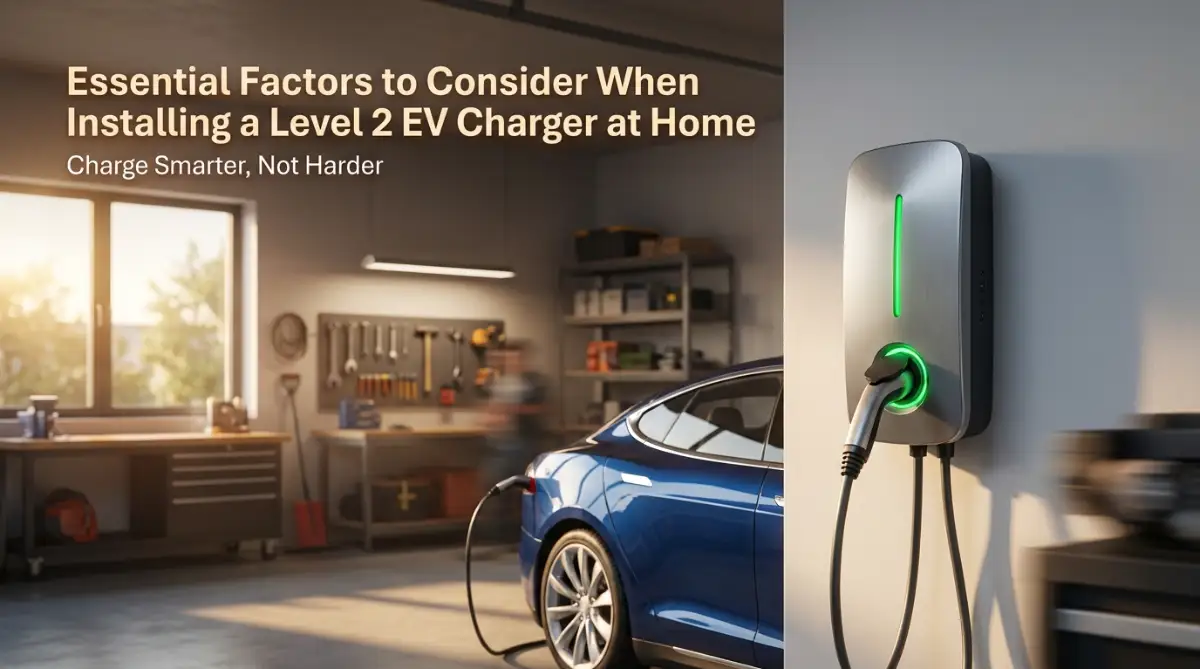
There are several simple habits you can practice to keep your expenses low. First, avoid using fast chargers as your primary source of power. Fast charging heats up the battery and speeds up degradation.
Instead, rely on slower home charging overnight whenever it is possible. This gentle charging method keeps the battery cool and healthy. It also allows you to take advantage of cheaper overnight electricity rates.
Second, practice smooth driving habits to protect your tires and brakes. Sudden acceleration and hard braking waste energy and wear down your rubber. By driving gently, you can extend the life of your tires by several thousand miles.
Third, keep your car parked in a garage or shade during hot summer days. High temperatures are the enemy of battery health and can reduce lifespan. Keeping the vehicle cool protects the sensitive chemical cells inside.
Regular DIY Checks You Can Do at Home
You do not need to be a mechanic to perform basic checks on your vehicle. Regularly inspect your tire pressure to ensure they are inflated to the recommended level. Under-inflated tires increase rolling resistance and wear out faster.
Check your windshield washer fluid and wiper blades every few months. These are simple items that you can replace yourself for a very low cost. Keeping your windshield clean also helps your car's driver-assist cameras work properly.
Finally, peek under the car to check for any visible fluid leaks. While EVs do not leak oil, a pink or blue puddle could indicate a coolant leak. Catching a coolant leak early can prevent your battery from overheating and failing.
Preparing for the Future of Electric Mobility
As more people transition to electric cars, the service industry will change. More independent mechanics will get certified, which will drive down repair costs. Competition always benefits the consumer in the long run.
Until then, being an informed owner is your best defense against high prices. Understand your car's service schedule and stick to it diligently. Regular care is always cheaper than emergency repairs.
Remember that owning an electric vehicle is a journey in modern technology. It requires a small shift in how you think about vehicle maintenance and care. Once you master these basic habits, you will enjoy a worry-free ownership experience.
Master-Level Habits to Protect Your EV and Your Wallet
The key to keeping your electric vehicle running smoothly does not involve luck. It requires a solid understanding of how high-voltage systems interact with daily driving habits. By adopting a few advanced practices, you can easily double the life of your most expensive components.
The Golden Rules of Battery State of Charge
Many new owners make the mistake of plugging their vehicle in to charge to one hundred percent every single night. Unless you are planning a very long road trip, you should set your vehicle's charge limit to eighty percent. Keeping the battery between twenty and eighty percent reduces stress on the lithium-ion cells and prevents premature degradation.
Smart Thermal Pre-Conditioning Secrets
You should always use your vehicle's pre-conditioning feature while it is still plugged into your home charger. This setting warms or cools the battery pack and the cabin using grid electricity instead of battery power. According to researchers at the National Renewable Energy Laboratory, thermal management is key to maintaining long-term battery health and maximizing your driving range.
Pre-conditioning also ensures that the battery is at its optimal operating temperature before you hit the road. A warm battery in the winter operates much more efficiently and experiences less wear during acceleration. It also ensures that regenerative braking works at full strength immediately when you start driving.
Managing Your Driving Style for Maximum Component Life
The instant acceleration of an electric motor is incredibly fun, but it comes with a high financial cost. Stomping on the accelerator pedal sends massive surges of current through the electrical system. This rapid flow of energy heats up the battery and the electric motor, which accelerates wear.
Try to practice smooth, progressive acceleration instead of sudden bursts of speed. This simple change protects your expensive inverter and reduction gear assemblies from unnecessary physical strain. It also keeps your tires from wearing out prematurely due to excessive torque slip.
Sourcing Independent High-Voltage Mechanics
You do not always have to visit the expensive dealership for regular maintenance and diagnostic checks. Many independent repair shops now have technicians certified by recognized automotive associations to handle high-voltage systems. Finding a trusted independent specialist can slash your labor bills by nearly half.
Always ask to see their high-voltage certifications before letting them work on your vehicle. A qualified shop will have specialized insulated tools and proper safety gear to handle the job correctly. Building a good relationship with an independent expert is the best way to keep your long-term upkeep affordable.
Severe Pitfalls That Can Destroy Your Electric Car Savings
When people transition to electric mobility, they often carry over old habits from gas-powered cars. This mismatch in care can lead to incredibly expensive repairs that wipe out your fuel savings. Understanding these traps is the first step toward protecting your hard-earned money.
Ignoring the Gradual Loss of Battery Coolant
One of the most dangerous mistakes you can make is ignoring a low coolant level warning on your dashboard. Electric vehicle battery coolants are highly specialized and non-conductive to prevent short circuits. If the coolant level drops, the battery cells can experience extreme hot spots that lead to permanent damage.
Do not attempt to top off the reservoir with regular water or standard engine coolant from an auto parts store. Using the wrong fluid can ruin the entire thermal system and void your manufacturer warranty. Always have a certified technician inspect the system for tiny leaks if you notice the level dropping.
Over-Using Public DC Fast Chargers
Public fast chargers are incredibly convenient when you are traveling long distances across the state. However, using them as your primary method of daily charging is a recipe for battery disaster. The extreme heat generated by fast charging forces the lithium-ion chemistry to degrade at a highly accelerated pace.
The constant late-night worry of unexpected battery degradation can keep you tossing and turning. If you are struggling with this type of stress, you might find yourself stuck in a classic cycle of why you feel exhausted but cannot sleep due to financial anxiety. Stick to slower home charging for your daily needs to keep your battery healthy and your mind at peace.
Leaving the Car Fully Charged or Empty for Long Periods
Letting your electric vehicle sit in a hot garage with a completely full or completely empty battery is highly damaging. If you are going on a vacation, leave the battery charged to approximately fifty percent. This neutral state of charge keeps the internal chemicals stable while the vehicle is parked.
An empty battery can drop into a deep discharge state where the safety switches trip permanently. Once this happens, the battery pack may refuse to accept a charge ever again. On the flip side, keeping it at one hundred percent in high heat degrades the cells rapidly.
Skipping Annual Brake Caliper Cleaning
Since regenerative braking does most of the stopping work, you might think your physical brakes do not need attention. This line of thinking is a major trap for owners living in cold climates where roads are salted. Because the physical brakes are rarely used, salt, dirt, and moisture quickly build up on the components.
This buildup causes the brake pads to stick inside the calipers, leading to uneven wear and constant drag. This drag reduces your driving range and can warp your brake rotors over time. You should have a mechanic clean and lubricate your brake assemblies at least once a year to keep them moving freely.
High-Pressure Underbody Washing Hazards
Keeping your electric vehicle clean is important, but you must be careful when washing the underbody. The high-voltage battery casing and electrical connectors are sealed against moisture. However, blasts of high-pressure water from a commercial car wash can force water past these rubber seals.
Once moisture gets inside an electrical connection, it causes corrosion and mysterious computer errors. Always use a gentle spray when rinsing the underside of your vehicle to protect these sensitive areas. Avoid direct, high-pressure streams on the battery tray and wire harnesses.
The Road Ahead to Confident and Cheap EV Travel
Owning an electric vehicle does not have to be a source of financial stress or confusion. When you understand the unique needs of these modern machines, you can easily outsmart the high dealership repair costs. It is all about shifting your focus from engine oil to battery health and tire care.
This careful, structured approach is very similar to preparing an official application or how to write an academic statement of purpose where every detail must be planned out to avoid costly mistakes. By taking control of your vehicle's maintenance schedule, you ensure a smooth ride for years to come.
Your Action Plan for Happy Ownership
- Check your tire pressure every single month to prevent uneven wear on your heavy vehicle.
- Set your home charger to limit daily charging to eighty percent to protect battery longevity.
- Schedule an annual brake cleaning to keep your calipers from rusting and dragging.
- Pre-condition your cabin while the vehicle is plugged into the wall to save battery range.
- Keep a small maintenance fund ready for tires and coolant flushes so you never worry.
According to a detailed study by the U.S. Department of Energy, electric vehicles actually cost significantly less to maintain over their lifespan compared to traditional gas cars. The key is simply staying ahead of the minor tasks before they turn into major problems. With a little bit of regular care, your electric car will remain a highly efficient and budget-friendly asset.
When I first faced that mysterious dashboard light, I felt completely defeated and regretted my purchase. But after taking the time to learn how these systems actually work, I regained my confidence and saved a fortune. I encourage you to embrace these simple habits today so you can experience the true, stress-free joy of quiet electric driving.
Answers to Your Toughest EV Upkeep Questions
How long do electric car batteries actually last under normal conditions?
Modern electric vehicle batteries are highly durable and are designed to outlast the vehicle itself. Many manufacturers provide an eight-year warranty, but real-world data from the Alternative Fuels Data Center suggests they can last over twelve years in moderate climates. Consistent slow charging and avoiding extreme heat are the best ways to maximize their overall lifespan.
Do electric vehicles require special tires, and are they really more expensive?
Yes, electric vehicles require specialized tires designed to handle heavy battery weight and high instant torque. These tires feature reinforced sidewalls and quiet tread patterns to match the silent nature of the electric motor. While they do cost more than standard tires, they provide better safety, grip, and range.
Can I perform any of the regular maintenance tasks myself at home?
You can easily handle basic tasks like replacing windshield wiper blades, topping off washer fluid, and changing the cabin air filter. However, you should never attempt to service the orange high-voltage cables or the battery pack yourself. These systems carry lethal amounts of electrical current and must only be handled by certified professionals.
Is it bad to leave my electric vehicle plugged in after it reaches eighty percent?
Most modern electric cars have smart charging systems that automatically stop the flow of electricity once the limit is reached. Leaving the vehicle plugged in is actually beneficial because it allows the car to draw power from the wall to keep the battery warm or cool. Just make sure your daily charge limit is set to eighty percent rather than a full one hundred percent.
Disclaimer: This article is for informational and educational purposes only. Electric vehicles utilize high-voltage electrical systems that can be extremely dangerous if handled incorrectly. Always consult your vehicle's official owner manual and rely on certified technicians for any high-voltage service or repairs. The author and publisher are not liable for any actions taken based on the information provided in this guide.
![The Ultimate Guide to Hybrid Car Regenerative Braking [Step-by-Step]](https://vimex24.com/storage/uploads/blogs/1786162012_the-ultimate-guide-to-hybrid-car-regenerative-braking-step-by-step.webp)