
Why Staying Properly Hydrated Always Felt Like a Losing Battle for Me
Did you ever force yourself to chug a massive glass of water right before bed, only to wake up three times during the night? Yep, I have been there too. For years, I stressed over hitting that magic "eight glasses a day" mark, carrying around a giant jug and feeling guilty if I missed my goal. But it turns out, our bodies are way smarter than a plastic water tracker. Today, I want to share what actually works when you stop forcing it and start listening to your own body.
But instead of feeling full of energy, I just felt bloated and spent my whole day running to the bathroom. It felt like I was constantly drowning my system without getting any of the real benefits. That was when I realized something had to change about my approach to water.
Millions of people struggle with this exact same issue every single day. We are told by fitness influencers and wellness blogs that water is the cure-all for everything. If you have a headache, drink water. If you feel tired, drink water. If your skin is dry, drink more water.
This endless advice creates a lot of silent anxiety and guilt in our lives. We stare at our water bottles and feel like we are failing at basic health because we did not hit some random number of ounces. We wake up tired and immediately blame ourselves for not drinking enough the day before.
This constant worry actually ruins our relationship with our own bodies. We stop listening to our natural signals because we are too busy looking at plastic markers on a bottle. It is exhausting to live this way, constantly forcing ourselves to gulp down liquid when we are not even thirsty.
The pressure to be perfectly hydrated has turned a simple, natural human need into a stressful daily chore. We need to step back and look at what our bodies actually want. The truth is much simpler and far more gentle than the popular rules suggest.
Quick Takeaways: What You Really Need to Know
- Throw away the strict "eight glasses a day" rule—your body's needs change daily based on your activity and room temperature.
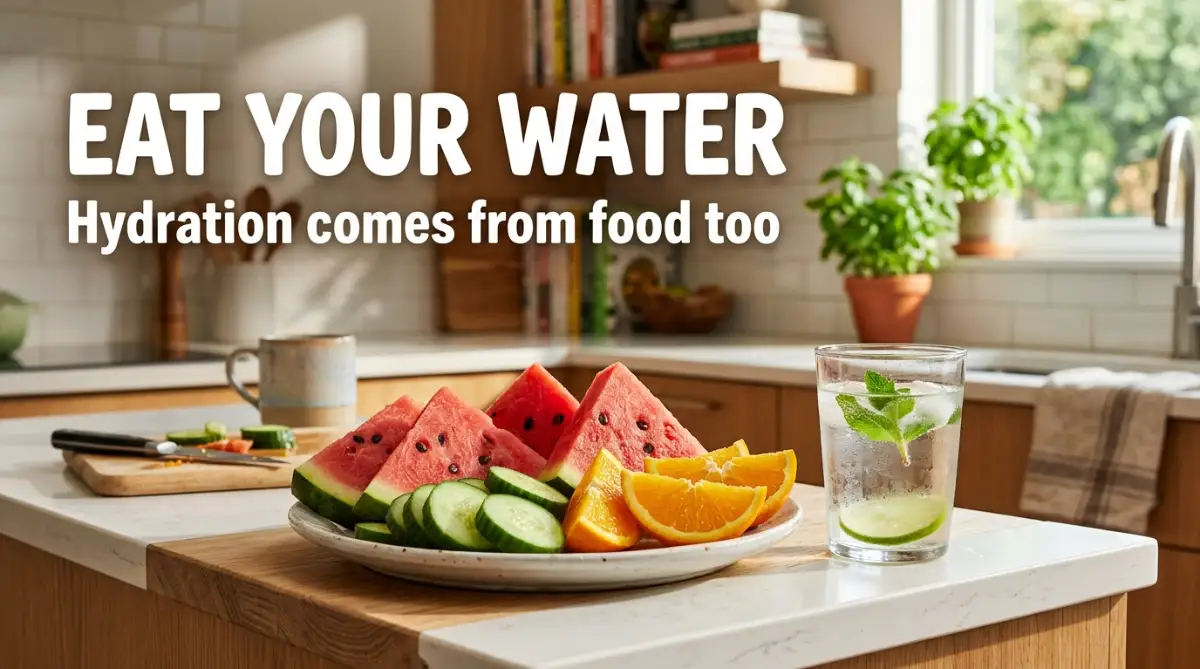
- You can easily "eat" your water by enjoying fresh fruits and vegetables like cucumbers, oranges, and watermelon.
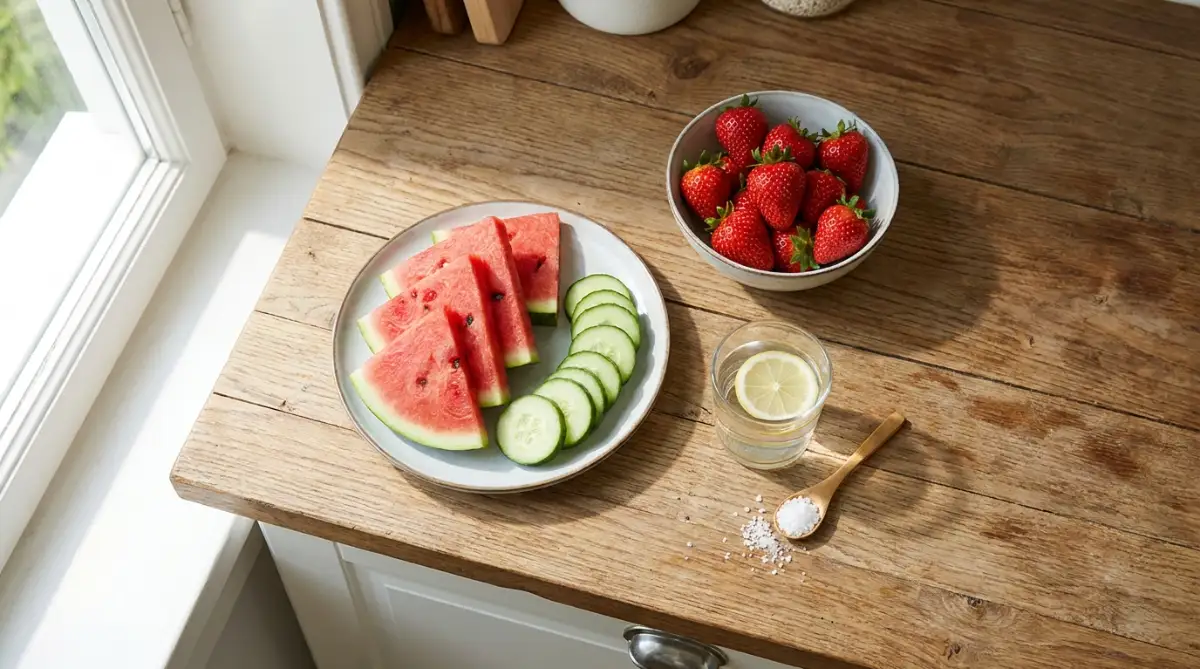
- Drinking massive amounts of plain water without electrolytes (like a tiny pinch of salt) can actually make you feel more tired and bloated.
- Thirst is your best friend. Simply sip when your mouth feels dry, and stop when you feel satisfied.
Rethinking the Eight-Glass Rule: What Your Body Actually Wants
To truly understand how hydration works, we have to look at where the rules came from. For decades, we have been told that eight glasses of water is the gold standard. But this popular advice is not actually based on hard, modern science.
Your body is incredibly smart and has its own ways of keeping you balanced. Let us break down some of the most common beliefs and look at the real facts behind them.
Myth vs. Reality in Daily Hydration
As you can see, the rigid rules we worry about are often misunderstood. You do not need to stress over a specific number of glasses. Your body tells you what it needs if you know how to listen.
Listen to Your Body’s Natural Signals
Your brain has a highly sensitive control center that monitors how much water is in your blood. When your fluid levels drop even a little bit, this center triggers the sensation of thirst. It is a highly reliable system that has kept humans alive for thousands of years.
You do not need an app or a smart bottle to tell you when to drink. When you feel thirsty, simply have a glass of water. If you are not thirsty, you likely do not need to force yourself to drink more.
Another excellent indicator is the color of your urine. If it looks like dark apple juice, you definitely need to drink some water. If it looks like pale lemonade, your fluid levels are in a wonderful spot.
My Quick Hydration Cheat Sheet:
| How You Feel Right Now | What Your Body is Actually Saying | My Go-To Simple Fix |
| :--- | :--- | :--- |
| Slight dry mouth | "I need a little top-up soon." | Take a few relaxed sips of room-temperature water. |
| Dark yellow pee | "Hey, I am running on empty here!" | Drink a full glass of water and grab a juicy piece of fruit. |
| Head hurts, feeling dizzy | "I am super dehydrated and need minerals." | Drink some coconut water or add a tiny pinch of sea salt to your glass. |
| Clear pee, feeling bloated | "Stop! I have way too much liquid inside." | Take a break from drinking until you naturally feel thirsty again. |
Eat Your Water for Better Absorption
Many people do not realize that a large portion of our daily water comes from the food we eat. Fresh fruits and vegetables are packed with structured water that your body absorbs slowly.
When you eat a slice of watermelon or a crunchy cucumber, you are hydrating your cells. This type of water comes with natural vitamins and minerals, which help your body use the liquid more effectively.
This is why a diet rich in whole foods naturally supports your fluid levels. You do not have to rely solely on your water glass to stay healthy and refreshed.
Let’s Look at a Real-Life Example:
Think about eating a big bowl of cold watermelon on a hot summer afternoon. Did you know that a single cup of diced watermelon is about 89% pure water? Plus, it packs natural potassium and magnesium. When I eat water-rich foods like this, I honestly do not feel the need to carry my water bottle around at all. You are literally eating your water, and your body absorbs it much better than if you just chugged a plain glass straight from the tap.
The Role of Electrolytes in Your System
Water cannot do the job alone; it needs help from minerals called electrolytes. These include simple things like sodium, potassium, and magnesium.
If you want to see exactly how your body processes water and why electrolytes are so important, watch this simple scientific explanation!
Electrolytes act like tiny magnets that pull water into your cells where it is needed most. If you drink massive amounts of plain water without enough minerals, you can actually wash these electrolytes away. This can leave you feeling weak, tired, and surprisingly dehydrated even though you drank a lot.
That is why adding a tiny pinch of sea salt or a squeeze of lemon to your water can make a huge difference. It helps your body actually hold onto and use the water you drink.
How Daily Movement Affects Your Needs
Your activity level plays a major role in how much fluid you actually need. A person sitting at a desk in a cool room needs far less water than someone working outside.
When you sweat, you lose both water and salt. It is important to replace both, especially after a heavy workout or on a hot afternoon.
But on normal, quiet days, your sweat loss is very low. You do not need to drink like an athlete if you are just doing normal household tasks.
The Problem with Forcing Excess Water
Drinking too much water can actually put a lot of stress on your kidneys. Your kidneys work hard to filter out extra liquid and keep your blood balanced.
When you force down gallons of water, your kidneys have to work overtime to get rid of the excess. This can lead to a condition where your blood sodium levels drop too low.
While mild overhydration is usually harmless, it can still make you feel sluggish and heavy. It is always better to aim for balance rather than going to extremes.
Simple Tips for Natural Hydration
I used to gulp down three large glasses of water right after waking up, thinking it would jumpstart my system. Instead, it just upset my stomach and ran right through me. Now, I simply sip a single cup of lukewarm water slowly, which feels much more natural and comfortable.
- Carry a small bottle: Keep a small, manageable bottle with you and take small sips throughout the day.
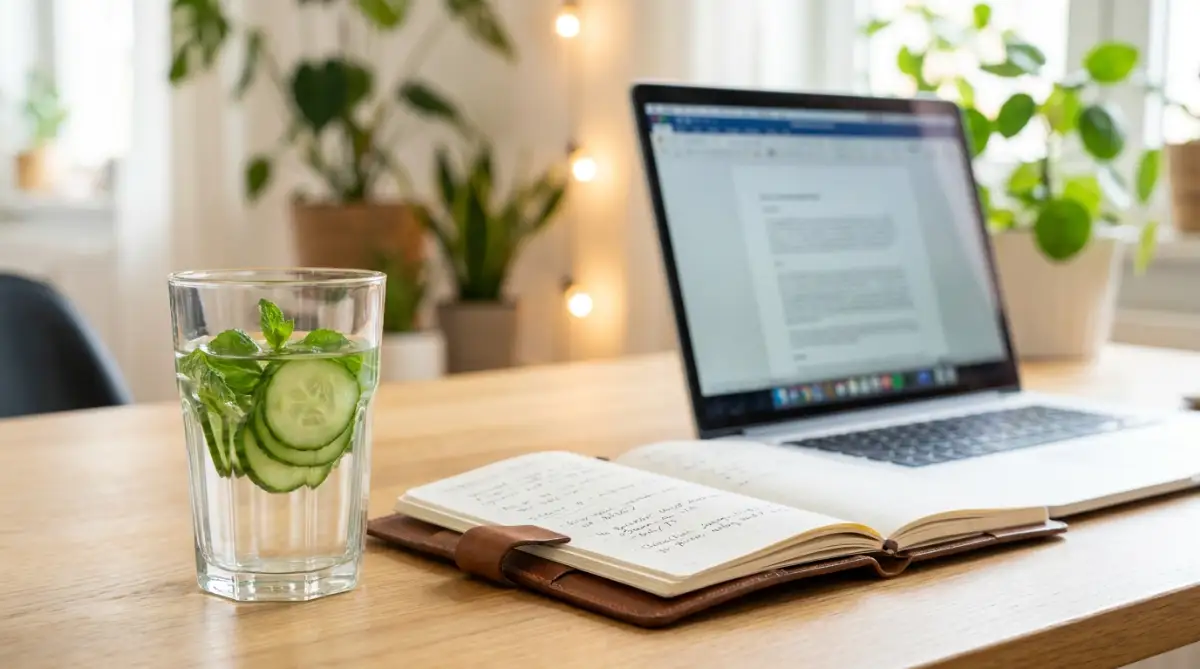
- Keep water visible: Sometimes we just forget to drink, so having a glass nearby serves as a gentle reminder.
- Add natural flavor: If plain water feels boring, try adding fresh cucumber slices, berries, or mint leaves.
- Pay attention to your environment: If you are in a dry, air-conditioned room, you might need slightly more fluids.
By making these small adjustments, you can easily keep your body happy. You will find that staying hydrated becomes a natural part of your day rather than a chore.
Moving Forward with Confidence
Staying healthy does not have to be complicated or stressful. Once you let go of the rigid rules, you can start trusting your body again.
Pay attention to your natural hunger, thirst, and energy levels. They will always guide you in the right direction.
Drink when you are thirsty, eat fresh foods, and enjoy the peace of mind that comes with true balance. Your body knows exactly what to do.
Mastering the Art of Sustainable Hydration: Expert Secrets for Long-Term Balance
Keeping your body beautifully balanced does not mean you need to constantly worry about water. Instead of counting every ounce, you can build simple habits that naturally fit into your day.
Let us look at some advanced strategies to help you stay properly hydrated without the extra stress.
Adapt to Your Immediate Environment
Your fluid needs change depending on where you are and what you are doing. If you spend your day in an air-conditioned office, the dry air can quietly pull moisture from your skin and lungs.
You might not sweat, but you are still losing water just by breathing in that dry space. In these situations, keeping a glass of warm herbal tea nearby is a great way to sip steadily.
On the other hand, if you are outside on a windy or cold afternoon, you might not feel thirsty at all. Yet, cold air actually makes your body work harder to keep you warm, which uses up fluids.
Understanding these subtle shifts in your environment helps you make better choices before your body starts to struggle. It allows you to stay ahead of dehydration naturally without waiting for severe symptoms to appear.
Start Your Morning with Gentle Rehydration
When you wake up, your body has gone several hours without any fluids. Rushing to drink a massive bottle of ice-cold water right away can shock your stomach and cause mild cramping.
Instead, try starting your day with a cup of warm water mixed with a small squeeze of fresh lemon. This gentle practice helps wake up your digestive system and replaces lost fluids slowly.
It is a comfortable way to transition your body from sleep to active morning hours. Plus, this simple routine feels like a relaxing ritual rather than a health chore you have to complete.
The Connection Between Hydration and Brain Function
Many people do not realize that even mild dehydration can cause your brain to slow down. You might experience sudden brain fog, mild headaches, or difficulty staying focused on your work.
According to scientific research on hydration and mental performance, losing even a small amount of body water can negatively impact your short-term memory[1]. This shows that keeping your fluids balanced is not just about physical health, but also about keeping your mind sharp.
When you feel a afternoon energy crash coming on, try drinking a small glass of water before reaching for a second cup of coffee. Often, your brain simply needs a quick fluid refresh to get back on track.
Trusting Your Natural Physical Feedback
Learning to recognize your body's unique signals takes a little bit of time and practice. For instance, some people experience a dry mouth, while others might feel a slight drop in their physical energy.
Both situations show how important it is to pay close attention to the small details before they turn into major problems. Once you learn to read these subtle physical cues, managing your daily water intake becomes incredibly simple and intuitive.
The Hidden Dangers of Getting Hydration Wrong
In our effort to be perfectly healthy, it is easy to make mistakes that actually do more harm than good. When we force ourselves to follow strict rules, we often ignore what our bodies are trying to tell us.
Let us look at the common traps people fall into and how to avoid them easily.
The Problem with Chugging Water Too Fast
One of the most common mistakes is trying to catch up on your daily intake by gulping down huge amounts of water at once. If you realize at noon that you have not had any water, chugging half a gallon is not the solution.
Your kidneys can only process a certain amount of liquid every hour. When you flood your system with water, most of it simply passes right through you without being absorbed by your cells.
This rapid flushing can leave you feeling bloated, uncomfortable, and constantly running to the restroom. It is far better to take slow, consistent sips throughout the day so your body has time to use the water properly.
Relying Entirely on Pure Distilled Water
Another subtle mistake is drinking only highly filtered or distilled water without any mineral content. While clean water is wonderful, water that is completely stripped of natural minerals can actually pull electrolytes out of your body.
Your cells need minerals like sodium and potassium to hold onto the liquid you drink. If you are constantly drinking stripped water, you might find yourself feeling tired and dealing with frequent muscle cramps.
You can easily fix this by choosing natural spring water or simply adding a tiny pinch of mineral-rich salt to your daily glass. This simple addition helps your cells stay deeply hydrated and keeps your energy levels steady.
Rushing into Fast Fixes for Tiredness
When we feel tired or sluggish during a busy day, we often search for the quickest possible fix. Many people reach for sugary energy drinks or high-caffeine beverages to get a fast boost, which often leads to a harsh crash later.
In both cases, the quick fix feels helpful in the moment, but it can create bigger challenges for your system down the road. Taking a slower, more balanced approach is always safer for your physical and financial well-being.
Navigating Unexpected Financial and Health Struggles
Sometimes, poor health habits can lead to unexpected physical issues that require medical attention, creating sudden financial stress. If you find yourself struggling with health costs from poor daily habits, you might end up in a tight financial spot where you are forced to look up how to get unsecured personal loans with bad credit safely.
This is why building strong, preventative habits today is so important for your overall peace of mind. Taking care of your body now keeps you out of emergency situations where you have to make stressful, hurried decisions.
A simple daily routine built on balance can save you from both physical pain and financial worry in the future.
Avoiding the Trap of Sugary Alternatives
Many drinks that are marketed as healthy hydration options are actually packed with hidden sugars and artificial ingredients. Sodas, sports drinks, and bottled juices can quickly raise your blood sugar and leave you feeling more dehydrated than before.
To keep your system clean, it is best to look at healthier drink recommendations from the CDC to find natural alternatives[2]. Plain water, unsweetened tea, and water infused with real fruit are always the best choices for your body.
These natural options give you all the benefits of liquid without the unwanted sugar crashes. Keeping things simple is the easiest way to avoid these hidden dietary traps.
Your Daily Action Plan for Effortless Hydration
Staying hydrated should feel like a natural part of your day, not a science project. By focusing on a few simple, daily adjustments, you can easily keep your body feeling fresh and energized.
Let us build a simple daily plan that you can start using immediately.
Action Plan for Tomorrow
To make things easy, here is a simple checklist you can follow to keep your fluid levels balanced without any stress:
- Morning: Drink one small glass of warm water slowly after waking up to gently wake up your digestive system.
- Lunchtime: Add a portion of water-rich food, like a fresh side salad or some sliced fruit, to your meal.
- Afternoon: Keep a small glass of water on your desk and take a small sip every time you finish a task.
- Evening: Wind down with a cup of warm, caffeine-free herbal tea to relax your body before bed.
Following this simple flow ensures you get the fluids you need without having to track every single ounce. It turns hydration into a gentle, automatic habit that supports your lifestyle.
Long-Term Benefits of Body Balance
When you commit to listening to your body instead of forcing rigid rules, your health naturally starts to improve. You will notice steadier energy levels, clearer skin, and smoother digestion throughout the day.
Making these simple daily plans helps protect your health for years to come. It is just as important as securing your family's future, such as preparing for what actually happens to your assets if you die without a legal will.
Taking the time to build a strong foundation, whether for your body or your personal life, brings incredible peace of mind. It allows you to face the future with confidence, knowing you have taken proper care of the things that matter most.
Staying Patient with Your Health Journey
It is important to remember that changes in your body do not happen overnight. Be patient with yourself as you learn to listen to your natural signals and build these new habits.
When we sign up for health programs without reading the details, we make mistakes. It is just like not watching out for hidden traps in commercial leases when starting a new business venture.
Take your time, read your body's signs carefully, and avoid rushing into extreme programs that promise quick results. A steady, gentle approach is always the most successful path to long-term health.
A Gentle Reminder from clinical Studies
When looking at health advice, it is always a good idea to look at the actual science rather than popular trends. You can read more about this in clinical research on human hydration and health to see how our bodies manage fluids[3].
The science consistently shows that our bodies are incredibly good at maintaining balance when we simply pay attention to our natural thirst. You do not need to overcomplicate things with expensive gadgets or strict rules.
Keep your focus on simple, whole foods and natural water, and your body will take care of the rest.
I spent years worrying about whether I was drinking enough water, and it only brought me stress. Once I stopped counting glasses and started listening to my body, my energy returned and my health felt balanced again. I encourage you to take a deep breath, put down the giant water tracker, and start trusting your body's natural wisdom today.
Disclaimer
Disclaimer: The information provided in this article is for educational and informational purposes only and should not be considered as professional medical advice. Daily hydration needs can vary greatly depending on individual health conditions, activity levels, and personal medical history. Always consult with a qualified healthcare professional or a doctor before making any major changes to your daily diet, fluid intake, or lifestyle routines.
Common Questions About Hydration
How do I know if I am drinking too much water?
If you are running to the bathroom every thirty minutes and your urine is completely clear, you might be overhydrating. You might also feel a bit sluggish or experience mild headaches, which can happen when your body's natural sodium levels get too diluted. Try reducing your intake slightly and focus on taking small, slow sips only when you feel thirsty.
Is coffee actually bad for my daily hydration?
No, moderate coffee and tea intake can actually contribute to your daily fluid needs. While caffeine has a mild dehydrating effect, the water inside your morning cup still helps hydrate your system. Just be sure to balance your caffeine intake with plenty of plain, clean water throughout the rest of your day.
Can I get hydrated from eating regular food?
Yes, you can easily get a large portion of your daily fluids from eating water-rich foods. Fruits like watermelon, grapefruit, and strawberries, as well as vegetables like cucumbers and zucchini, are excellent sources of structured water. These foods also come packed with natural minerals that help your body absorb the liquid more efficiently.
What is the best way to hydrate quickly after a workout?
The best way to rehydrate after physical activity is to drink clean water paired with a source of natural electrolytes. You can add a squeeze of lemon and a tiny pinch of sea salt to your glass, or enjoy a fresh glass of natural coconut water. This helps replace both the lost water and the essential minerals your body used up during sweat.