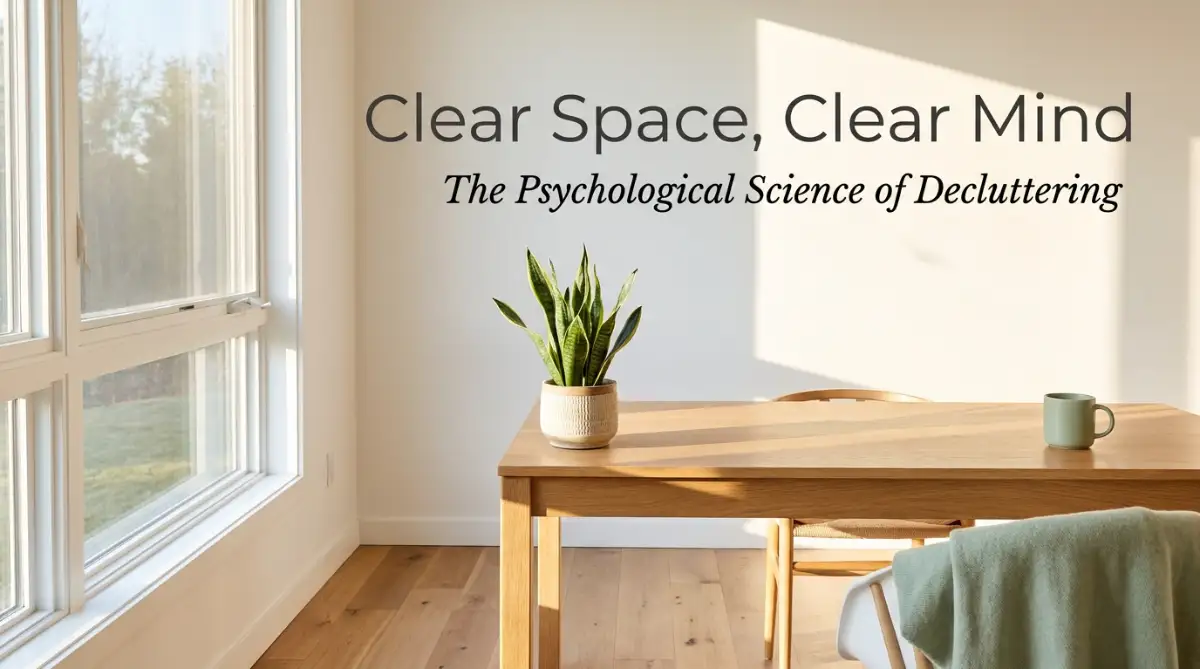
How A Messy Room Secretly Steals Your Mental Peace
Have you ever walked into your bedroom, looked at the piles of clothes on the chair, and felt an instant headache? You are definitely not alone. I used to think I was just bad at organizing, but it turns out there is a real scientific reason why a messy space makes you feel exhausted. Let's talk about what happens in your brain when your room is a disaster zone, and how you can fix it without spending your entire weekend cleaning.
I desperately wanted to work, but my brain felt completely blocked and slow. I just could not focus on a single task, no matter how hard I tried.
That was the exact moment I realized my messy room was actually ruining my mental clarity. It felt like my mind was just as messy as the physical space around me.
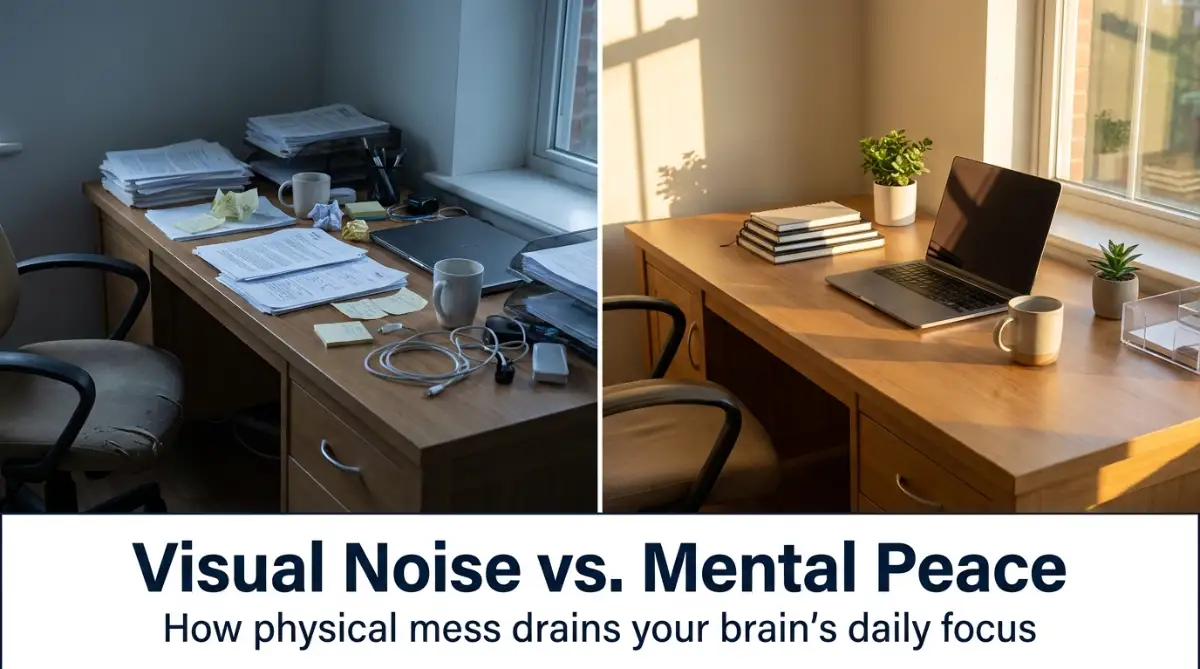
Instead, we are greeted by piles of laundry on the couch, cluttered kitchen counters, and closets bursting at the seams. This constant visual noise sends a silent signal to our brains that our work is never truly done.
Quick Summary: What You Will Learn Today
- Your physical mess acts as visual noise, secretly spiking your stress hormones.
- A five-minute daily habit is way more effective than a weekend cleaning marathon.
- Letting go of useless items instantly improves your sleep, focus, and energy.
hy Physical Mess Overloads Your Brain Chemistry
When your physical environment is crowded, your eyes have too many things to look at all at once. Your brain has to work incredibly hard to filter out all the unnecessary items around you.
This process is called sensory overload, and it happens completely behind the scenes in your mind. Every pile of papers, dirty dish, and scattered shoe acts as a tiny distraction demanding your attention.
Your brain simply cannot rest when it is surrounded by things that look out of order. This constant effort to ignore the mess leaves you feeling tired and mentally exhausted before your day even starts.
Let me break down exactly how different types of mess trick your brain into feeling stressed:
The Cortisol Connection to Your Living Space
Scientists have studied how our homes affect our bodies, and the results are eye-opening. People who describe their homes as cluttered or messy have much higher levels of cortisol in their bodies.
Cortisol is the main hormone that controls how our bodies respond to stress and danger. When your cortisol levels stay high for too long, you feel anxious, tired, and easily annoyed.
By cleaning up your physical space, you are actually giving your body a physical signal to lower its stress hormones. A tidy home acts like a quiet sanctuary where your nervous system can finally relax and heal.
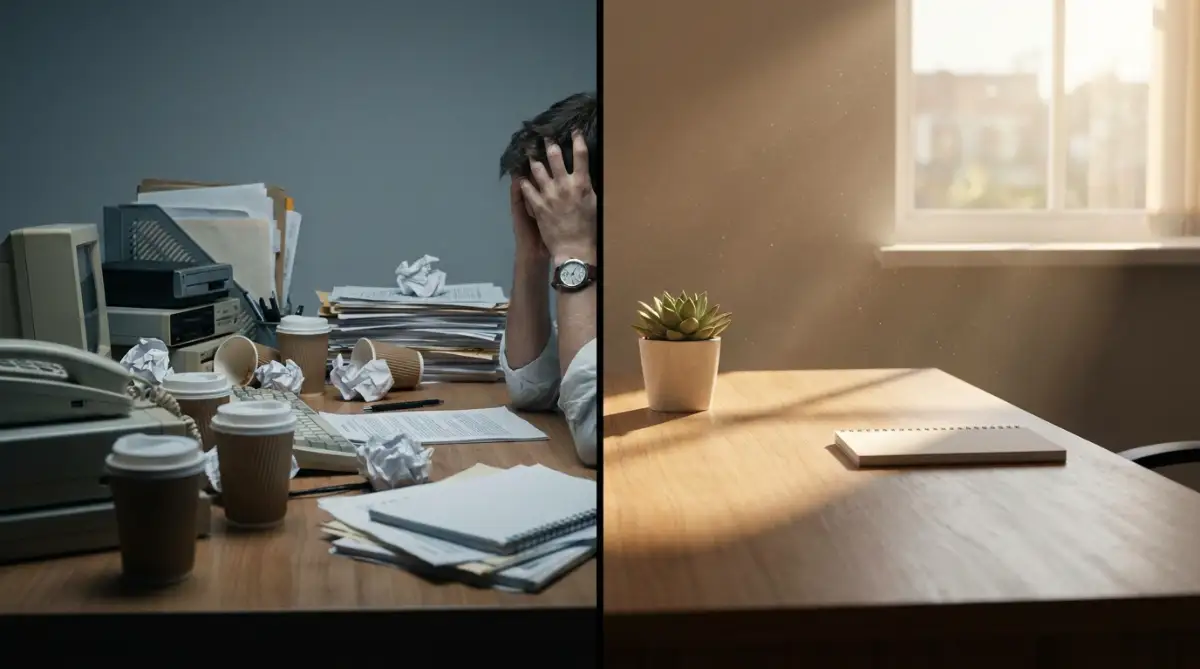
The Science of Visual Noise and Daily Focus
If you want to see exactly how clearing your room changes your brain chemistry, watch this short video. It breaks down the science of mess in a way that will make you want to start cleaning right now!
[https://youtu.be/18bhwxCgsU4?si=Czz8O1FKnFKQvbP3]
Our visual field has a limited amount of processing power at any given moment. Think of your brain like a computer with too many browser tabs open at the same time.
Every physical object in your room is like an open tab using up your mental memory. When you close those tabs by tidying up, your computer runs much faster and smoother.
You will notice that you can think more clearly, make decisions faster, and stay focused on your work for longer periods. It is not just about having a pretty room; it is about protecting your precious brainpower.
A Simple Guide to Clear Your Space and Quiet Your Mind
Getting started is often the hardest part of any journey, especially when your home feels completely out of hand. You do not need to clean your entire house in a single weekend to see a massive difference.
Instead, you can use simple, practical methods that fit easily into your normal daily routine. Taking tiny steps is the best way to build a habit that lasts for years to come.
The Five-Minute Drawer Method
You can start by picking just one tiny area in your house to clean today. This could be a single kitchen drawer, a small shelf, or even just the top of your nightstand.
Set a timer on your phone for exactly five minutes and focus only on that one small spot. Throw away things that are broken, put away things that belong elsewhere, and wipe down the surface.
Once the timer goes off, you are completely done for the day and can celebrate your success. You will be surprised by how much momentum this quick win gives you to keep going tomorrow.
The Keep, Donate, and Toss System
When you decide to tackle a larger area, it helps to have a simple system to guide your choices. Get three empty boxes or large bags and label them clearly before you begin.
The first box is for things you use regularly and want to keep in their proper places. The second box is for items that are still in good shape but you no longer need, which you can donate.
The final bag is for trash, broken items, and old papers that you can safely toss in the bin. Having these clear choices keeps you from getting stuck in long loops of indecision while you clean.

Pro Tip: I used to believe that I had to clean my entire house in one afternoon to feel better. This huge goal only made me feel more anxious, so I often ended up doing nothing at all. Now, I just clean one small drawer every morning, and this simple change keeps my mind calm.
Common Myths About Keeping Messy Spaces
Many people hold onto items for reasons that do not actually serve their happiness or peace. Let us look at some of the most common beliefs about clutter and see what the reality really is.
Overcoming the Guilt of Letting Things Go
It is completely normal to feel a sense of guilt when you start throwing away items you spent money on. You might feel like you are wasting your hard-earned money by putting things in the donate pile.
However, holding onto items you do not use does not bring your money back to your bank account. In fact, keeping those items only costs you more in terms of your daily mental health and living space.
Thank the item for serving its purpose in your life, and then let it go to someone else who can actually use it. This simple shift in thinking turns decluttering from a loss into a generous act of sharing.
The Beautiful Mental Shifts You Will Experience
Once you begin to clear out the extra stuff, you will notice a huge change in how you feel inside. Your mind will feel lighter, your thoughts will flow easier, and you will feel more in control of your life.
You Will Experience Instant Anxiety Relief
The most immediate benefit of a clean space is a sudden drop in your daily anxiety levels. Coming home to a tidy room feels like taking a deep, clean breath of fresh air.
You no longer have to look at endless piles of chores waiting for your attention. Your home finally becomes the peaceful escape from the busy world that you always wanted it to be.
You Will Save Tons of Time and Energy
Think about how much time you waste every week looking for lost keys, misplaced papers, or matching socks. When everything in your home has a specific home, you never have to search for anything again.
This saves you hours of time and prevents those annoying moments of panic before you leave the house. You can use that extra energy to focus on hobbies, family, or simply relaxing after work.
Your Quality of Sleep Will Improve
Sleeping in a clean, quiet bedroom helps your brain wind down much faster at night. When there is no clutter around your bed, your mind does not feel tempted to think about unfinished tasks.
You will fall asleep quicker and enjoy a much deeper, more restful sleep throughout the night. You will wake up feeling refreshed and ready to take on the day with a clear head.
Keeping Your Home Calm for the Long Run
Clearing your space is a wonderful first step, but keeping it tidy is where the true lifestyle shift happens. You do not need to spend hours cleaning every day to maintain your peaceful new home.
Try the One-Touch Rule
This is a simple habit that will save you from ever having to do massive cleanups again. The rule is simple: when you pick up an item, put it back in its final home immediately.
For example, when you bring the mail inside, do not just toss it on the kitchen counter. Open it right away, recycle the junk mail, and file the important papers where they belong.
By touching things only once, you prevent small messes from growing into giant, overwhelming piles over time. It takes less than ten seconds, but it saves you hours of future cleaning work.
Set a Weekly Reset Routine
Choose one morning or afternoon a week to do a quick reset of your living spaces. Spend fifteen minutes putting things back in their places, wiping down counters, and emptying trash bins.
This small weekly routine keeps your home in a constant state of order and comfort. It prevents the slow build-up of clutter that leads back to that familiar feeling of mental fog.
Remember, your home is a space for living, not a storage unit for items you do not love or use. By keeping your physical space clear, you are actively choosing to keep your mind clear, happy, and free.
our living rooms.
Recognizing this pattern is the first step toward breaking the cycle of constant clutter. Before buying something new, ask yourself if you truly need it or if you are just looking for a quick mood boost.
How Mess Leads to Procrastination and Avoidance
When you work in a cluttered space, your brain is constantly trying to process all the visual information around you. This visual overload makes even simple tasks feel much harder than they actually are.
As a result, you are much more likely to put off your work and procrastinate. You might find yourself scrolling through social media or watching television just to escape the stressful feeling of your messy room.
Cleaning your desk before you start working breaks this negative loop of avoidance. It creates a calm visual setting that makes it easy to jump straight into your tasks with high energy.
Your Practical Roadmap to Daily Mental Freedom
Creating a peaceful home is a continuous journey of making small, intentional choices. It is about deciding that your mental peace is more important than keeping useless items.
Start with a five-minute tidy-up every evening before you go to bed. This ensures that you wake up to a clean space and a fresh start every single morning.
Encourage your family members to join in on this simple, daily habit. It builds a beautiful environment where everyone can feel relaxed, focused, and completely safe.
Do's and Don'ts for Keeping Your Mind and Home Clean
To help you stay on track, keep this simple guide in mind as you work through your home. It will help you make fast, easy decisions about your belongings.
Research from Harvard Medical School shows that orderly environments encourage better self-regulation and healthy daily habits.
Do:
- Start with small, manageable areas like a single drawer or counter.
- Put items back in their designated homes immediately after using them.
- Donate gently used items to people who truly need and appreciate them.
Don't:
- Try to clean your entire house in one long, exhausting weekend.
- Buy expensive storage containers before you actually throw away the extra clutter.
- Keep items out of guilt because they were gifts or cost money in the past.
The Emotional Freedom of a Tidy Space
When you let go of physical clutter, you are also letting go of the emotional weight of the past. You are making room for new experiences, new thoughts, and a much brighter future.
Your home should be a reflection of where you are going in life, not where you used to be. A simple, clean environment helps you focus on what truly matters to you today.
You deserve to live in a space that supports your happiness, reduces your anxiety, and gives you mental clarity. Taking control of your surroundings is one of the best forms of daily self-care.
I know how scary it can feel to look at a messy room and wonder where to start. When I cleared my own desk for the first time, it felt like a giant weight was lifted off my chest. I encourage you to take just one small step today and experience that incredible feeling of peace for yourself.
Common Questions About Your Space and Mind
Can physical clutter cause real physical symptoms of stress?
Yes, living in a messy space can cause your body to produce more cortisol, which is the main stress hormone. This can lead to headaches, feelings of tiredness, and trouble falling asleep at night.
How do I start decluttering when I feel completely overwhelmed?
The best way to start is to focus on one tiny area for just five minutes a day. Do not think about the rest of the house; just focus on making that one small spot clean and tidy.
What should I do with sentimental items that I do not actually use?
Try taking photos of the items so you can keep the memories without keeping the physical clutter. You can also pick one or two of your favorite pieces to display beautifully, and safely donate the rest.
Is there a difference between organizing and decluttering?
Yes, organizing is just arranging your items, which can sometimes mean hiding clutter in pretty boxes. Decluttering means actually letting go of the things you do not need, which is the only way to get true mental clarity.
Disclaimer: The information provided in this article is for educational and informational purposes only. It does not constitute professional mental health advice, financial planning, or legal counsel. Please consult with qualified professionals regarding your personal physical, mental, or financial well-being.
![7 Simple Morning Habits That Boost Creative Thinking [Backed by Science]](https://vimex24.com/storage/uploads/blogs/1785415811_7-simple-morning-habits-that-boost-creative-thinking-backed-by-science.webp)